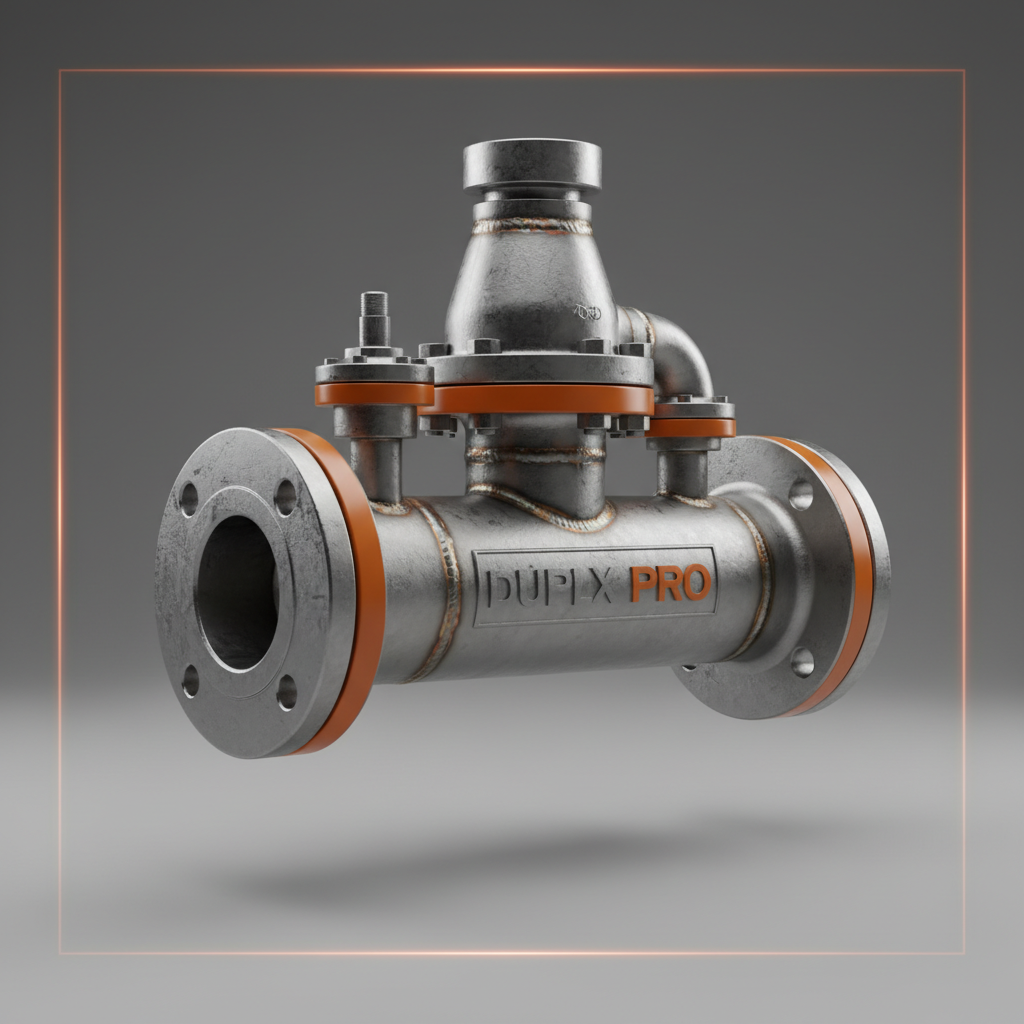
Stainless steel duplex pipe represents a significant advancement in materials science, offering a compelling combination of strength, corrosion resistance, and cost-effectiveness. Its unique metallurgical structure, featuring a roughly equal mix of austenite and ferrite, distinguishes it from traditional stainless steel grades, making it ideally suited for demanding applications across a wide spectrum of industries. Understanding the nuances of stainless steel duplex pipe is crucial for engineers, procurement specialists, and anyone involved in projects where durability and longevity are paramount.
The global demand for corrosion-resistant alloys is steadily increasing, driven by the need for infrastructure resilience and process efficiency. Stainless steel duplex pipe plays a pivotal role in addressing this demand, particularly in sectors like oil and gas, chemical processing, and marine engineering. The increasing focus on sustainable practices further elevates its importance, as its extended lifespan reduces the need for frequent replacements, minimizing environmental impact and operational costs.
From transporting critical fluids in offshore platforms to providing robust piping systems in desalination plants, stainless steel duplex pipe is proving to be an indispensable material in modern industry. Its ability to withstand harsh environments, coupled with its relatively lower weight compared to other high-strength alloys, contributes to improved performance and reduced project timelines. This makes it a vital component in a world increasingly focused on efficiency and sustainability.
Introduction to stainless steel duplex pipe
Stainless steel duplex pipe is increasingly favored in critical applications where a robust and reliable piping solution is essential. This is due to its exceptional resistance to various forms of corrosion, including pitting, crevice, and stress corrosion cracking – problems frequently encountered in harsh operating conditions. The dual-phase microstructure, a defining characteristic of duplex stainless steel, provides both high strength and excellent ductility, leading to superior performance over conventional austenitic stainless steels.
The growth in demand for stainless steel duplex pipe isn't solely driven by its technical superiority. Economic factors also play a role, as duplex alloys often allow for thinner pipe walls, reducing material costs without compromising structural integrity. This makes it an attractive option for large-scale projects where cost optimization is a key consideration, while still maintaining long-term reliability and safety.
Global Relevance and Industry Context
The global stainless steel market, including duplex grades, is projected to reach significant growth in the coming years. According to a 2023 report by the World Steel Association, stainless steel production is expected to rise steadily, driven by infrastructure development in emerging economies and the increasing demand for corrosion-resistant materials in established industrial nations. The oil and gas sector remains a major consumer, but applications are expanding into water treatment, power generation, and the chemical industries.
A critical challenge facing many industries is the escalating cost of corrosion. The UN estimates that global costs associated with corrosion exceed $2.5 trillion annually, encompassing repair, replacement, and downtime. Stainless steel duplex pipe offers a proactive solution by significantly reducing corrosion rates, thereby minimizing these costs and extending the operational life of critical assets. This makes it a key component in maintaining infrastructure resilience and ensuring long-term economic sustainability.
International standards organizations like ISO are continually refining specifications for stainless steel duplex pipe to ensure consistent quality and performance. These standards address material composition, manufacturing processes, and testing procedures, providing a framework for reliable sourcing and application. Adherence to these standards is crucial for ensuring the long-term integrity and safety of any system utilizing stainless steel duplex pipe.
Defining Stainless Steel Duplex Pipe
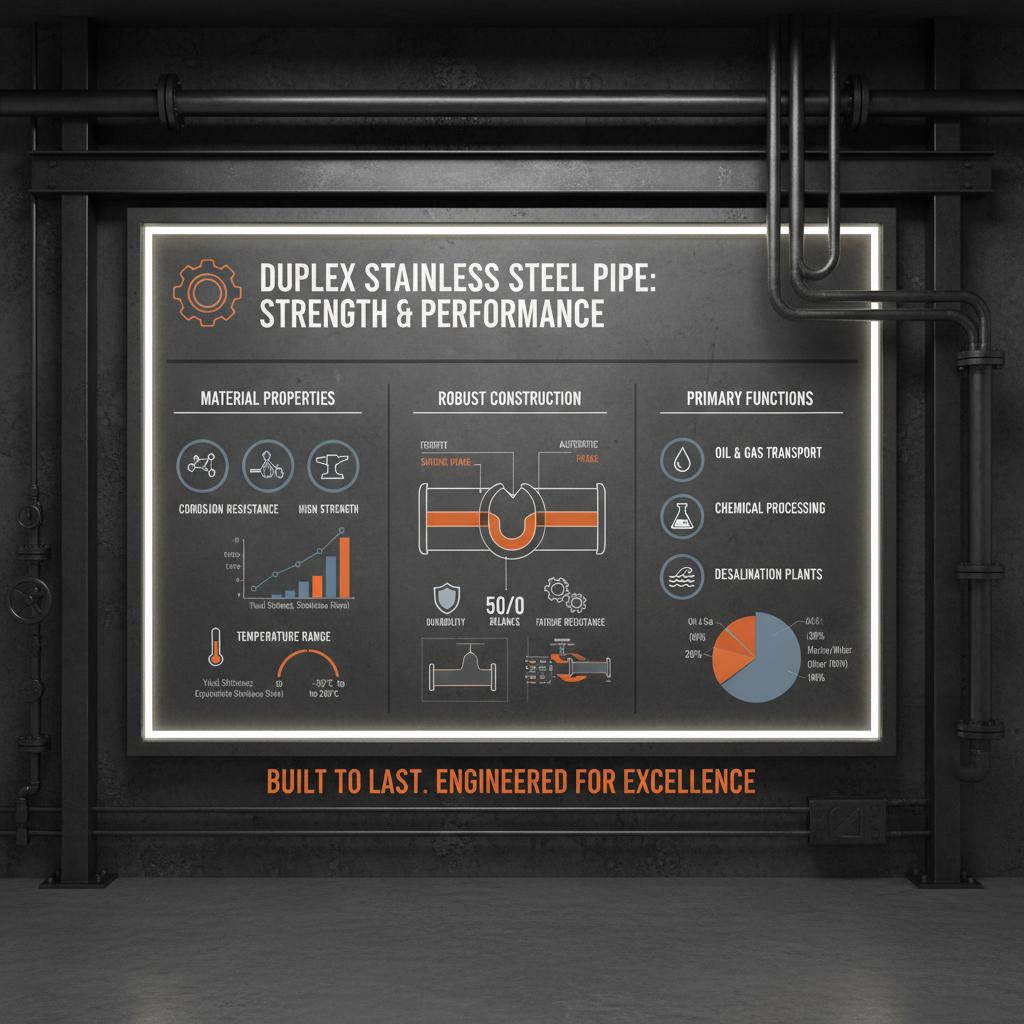
Stainless steel duplex pipe is a welded or seamless pipe manufactured from duplex stainless steel alloys. Unlike conventional austenitic stainless steels, which are primarily composed of austenite, duplex alloys contain a significant proportion of ferrite – typically around 20-30%. This unique microstructure is achieved through careful control of chemical composition and processing techniques, resulting in a material with a distinct combination of properties.
The presence of both austenite and ferrite imparts a synergistic effect, enhancing both strength and corrosion resistance. The austenite phase provides toughness and weldability, while the ferrite phase contributes to increased mechanical strength and resistance to stress corrosion cracking. This dual-phase structure is what gives duplex stainless steel its exceptional performance characteristics, making it an ideal material for challenging environments.
The use of stainless steel duplex pipe directly addresses a fundamental need for durable, reliable infrastructure in modern society. From transporting potable water to handling corrosive chemicals, it contributes to the safe and efficient operation of essential services. Its versatility and long-term performance make it a cornerstone of many critical industrial processes.
Key Characteristics of stainless steel duplex pipe
One of the primary benefits of stainless steel duplex pipe is its exceptional strength. Compared to austenitic stainless steels, duplex alloys typically exhibit higher yield and tensile strengths, allowing for thinner pipe walls and reduced material costs. This is particularly advantageous in high-pressure applications or where weight reduction is a critical factor.
Another defining characteristic is superior corrosion resistance. The combination of austenite and ferrite provides enhanced protection against a wide range of corrosive media, including chlorides, sulfuric acid, and nitric acid. This makes stainless steel duplex pipe ideal for use in offshore environments, chemical processing plants, and desalination facilities.
Comparison of stainless steel duplex pipe properties
Real-World Applications of stainless steel duplex pipe
The oil and gas industry extensively utilizes stainless steel duplex pipe for subsea pipelines, flowlines, and wellhead equipment, where resistance to seawater corrosion and hydrogen sulfide is critical. In chemical processing plants, it's used for handling corrosive acids, alkalis, and other aggressive chemicals. Desalination plants rely on stainless steel duplex pipe to withstand the highly corrosive environment created by saltwater evaporation.
In remote industrial zones, where maintenance access is limited and the cost of failure is high, stainless steel duplex pipe offers a reliable, long-term solution. Furthermore, its applications extend to the power generation sector, particularly in cooling water systems and flue gas desulfurization (FGD) plants, where resistance to sulfuric acid corrosion is paramount.
Advantages and Long-Term Value
The tangible benefits of using stainless steel duplex pipe include reduced maintenance costs, extended operational lifespan, and increased system reliability. The initial investment may be higher than conventional materials, but the long-term savings derived from reduced corrosion and fewer replacements often outweigh the upfront cost. This translates to a lower total cost of ownership over the lifecycle of the asset.
Beyond the economic advantages, stainless steel duplex pipe contributes to sustainability by reducing the need for resource-intensive replacements. This minimizes waste and lowers the carbon footprint associated with material production and transportation. The inherent safety and reliability of the material also provide peace of mind, ensuring the protection of personnel and the environment.
Future Trends and Innovations
Ongoing research and development efforts are focused on enhancing the properties of stainless steel duplex pipe through advanced alloying techniques and innovative manufacturing processes. The development of super-duplex stainless steels, with even higher PREN (Pitting Resistance Equivalent Number) values, is expanding the range of applications in extremely corrosive environments.
The integration of digital technologies, such as sensor-based monitoring and predictive maintenance, is also playing a key role in optimizing the performance and extending the lifespan of stainless steel duplex pipe systems. Furthermore, the adoption of sustainable manufacturing practices, including the use of recycled materials and energy-efficient processes, is gaining momentum, aligning with the growing global focus on environmental responsibility.
The rise of green hydrogen production is anticipated to create significant demand for stainless steel duplex pipe, as it’s ideally suited for transporting and storing this environmentally friendly energy carrier.
FAQS
Stainless steel duplex pipe offers significant advantages in terms of strength, corrosion resistance, and cost-effectiveness compared to conventional austenitic stainless steels. Its dual-phase microstructure provides superior resistance to pitting, crevice, and stress corrosion cracking, making it ideal for harsh environments. Additionally, it often allows for thinner pipe walls, reducing material costs without compromising structural integrity.
Stainless steel duplex pipe is widely used across several industries, including oil and gas, chemical processing, water treatment, desalination, and power generation. Its corrosion resistance makes it particularly valuable in offshore applications, handling corrosive chemicals, and seawater environments. It’s also a preferred choice for systems requiring high strength and reliability.
The Pitting Resistance Equivalent Number (PREN) is a calculated value used to predict the resistance of stainless steel alloys to pitting corrosion. A higher PREN value indicates greater resistance. Stainless steel duplex pipe, especially super-duplex grades, typically exhibits a higher PREN than conventional austenitic stainless steels, making it better suited for highly corrosive environments.
Welding stainless steel duplex pipe requires careful attention to detail. It’s crucial to use appropriate welding consumables, maintain low heat input, and avoid excessive interpass temperatures to preserve the dual-phase microstructure and prevent the formation of detrimental phases. Post-weld heat treatment may be necessary for certain applications to optimize mechanical properties and corrosion resistance.
Yes, stainless steel duplex pipe is highly recyclable. Stainless steel is one of the most recycled materials globally, and recycling it significantly reduces the environmental impact associated with mining and processing new materials. Its long lifespan and resistance to corrosion also contribute to sustainability by reducing the need for frequent replacements.
The lifespan of stainless steel duplex pipe in a standard marine environment can exceed 50 years, and in some cases even longer, depending on the specific alloy grade, operating conditions, and maintenance practices. Its superior corrosion resistance minimizes degradation, resulting in a significantly longer service life compared to conventional materials.
Conclusion
Stainless steel duplex pipe represents a significant advancement in materials technology, offering a compelling combination of strength, corrosion resistance, and long-term value. Its versatility and reliability make it an indispensable component in a wide range of industries, from oil and gas to chemical processing and water treatment. Understanding its unique properties and applications is crucial for engineers and professionals seeking durable, sustainable, and cost-effective solutions.
As industries continue to prioritize resilience and sustainability, the demand for stainless steel duplex pipe is expected to grow. Continued innovation in alloy development, manufacturing processes, and digital monitoring technologies will further enhance its performance and broaden its applications. We encourage you to explore the potential benefits of stainless steel duplex pipe for your next project. Visit our website: www.benkoometal.com.