
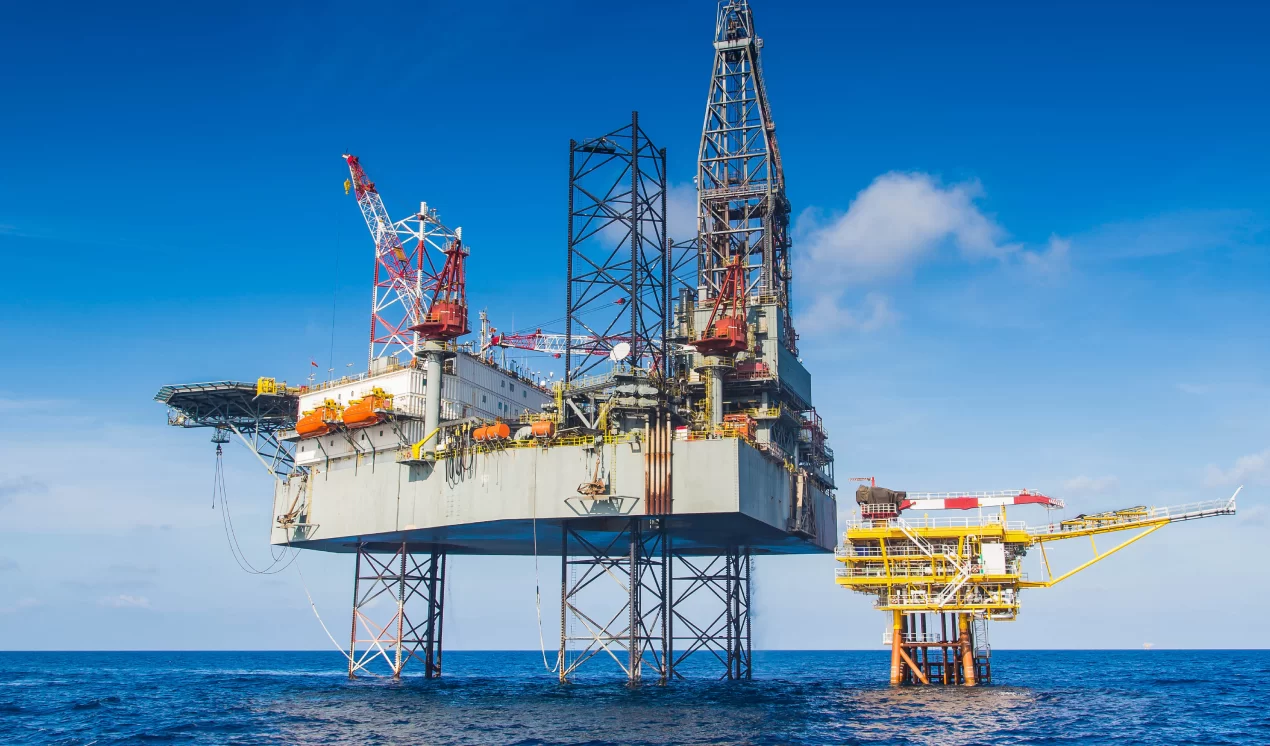
Seamless Pipes – Strength and Reliability in Critical Applications
Seamless pipes are widely used across industries where high pressure, temperature, and mechanical stress demand superior structural integrity. Unlike welded pipes, seamless pipes have no welded joints, providing uniform mechanical properties and excellent resistance to pressure, fatigue, and corrosion. This makes them ideal for applications in oil & gas pipelines, chemical processing lines, high-pressure hydraulic systems, and power generation equipment.
The manufacturing process involves extrusion or rotary piercing, resulting in a smooth, uniform wall thickness that minimizes the risk of leakage and ensures long-term durability. Seamless pipes are commonly selected for critical fluid transport, high-temperature steam lines, and subsea applications, where safety and reliability are paramount.
In practice, seamless pipes can be used for both onshore and offshore projects, including pipelines, boilers, and process equipment. Proper installation requires adherence to engineering specifications, including correct welding for attachments, appropriate heat treatment if necessary, and corrosion protection measures such as coatings or cathodic protection in corrosive environments. Regular inspection and maintenance ensure optimal performance over decades of operation. Their combination of strength, precision, and durability makes seamless pipes a preferred choice for industries demanding reliability under extreme conditions.
Types of Products
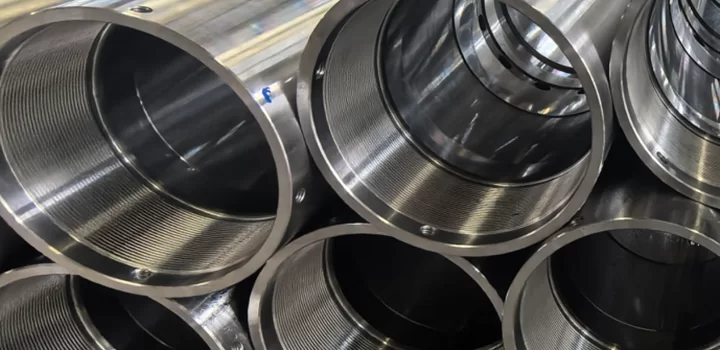
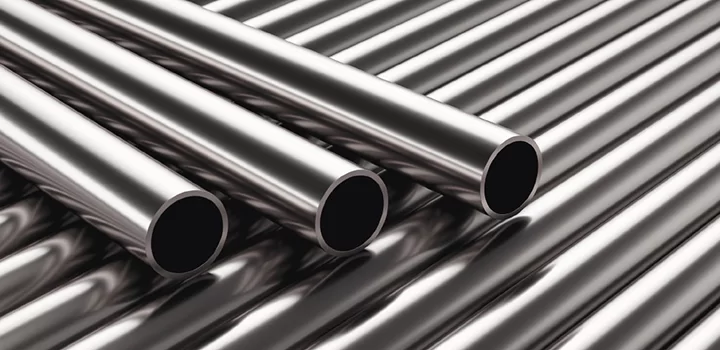
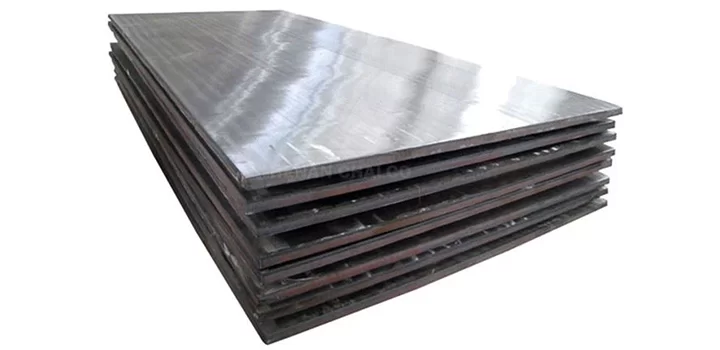
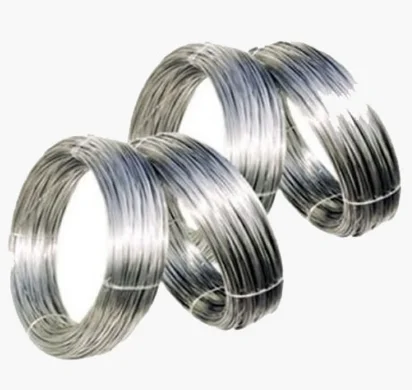
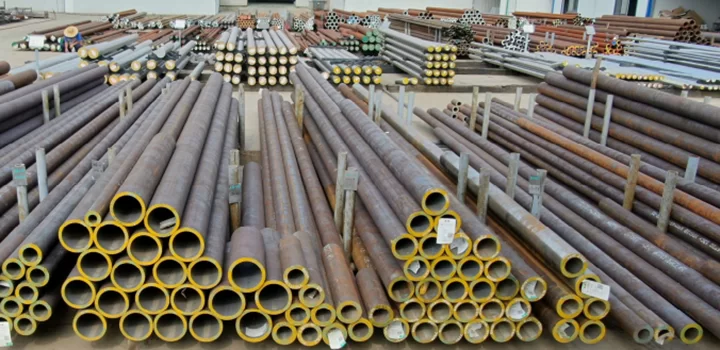
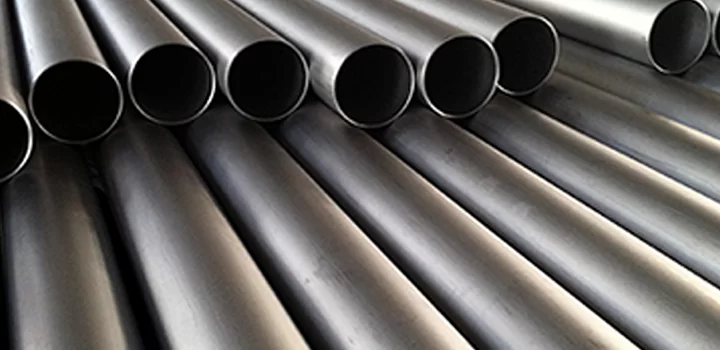
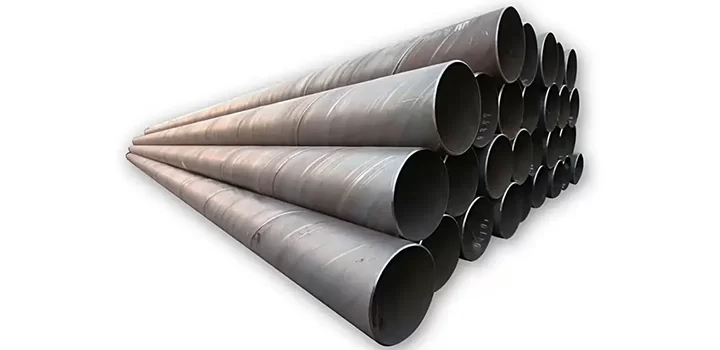
Welded Pipes & Pipes/Bars InventoryFlexibility and Efficiency
Welded Pipes & Pipes/Bars InventoryFlexibility and Efficiency
Welded pipes are a cost-effective alternative for applications where extreme pressure resistance is not critical but large diameters or long lengths are needed. These pipes are manufactured by rolling steel plates or coils and welding the seam under strict quality control. Welded pipes are widely used in water supply, drainage systems, structural frameworks, and utility pipelines.
Having a thousand of pipes and bars in inventory enables fast delivery and flexibility for project requirements. Stock availability ensures that engineers and procurement teams can quickly source materials for both construction and maintenance without delays. Pipes and bars in stock cover various sizes, grades, and specifications, catering to diverse industrial applications, including power generation, petrochemical plants, marine structures, and heavy machinery.
For effective use, welded pipes must be installed according to the design specifications, ensuring correct joint welding, alignment, and support to prevent sagging or stress concentration. Stocked inventory not only reduces lead time but also allows manufacturers and maintenance teams to match material properties precisely to operational demands, enabling consistent performance across different projects. Combined with proper handling, welded pipes and readily available pipes/bars inventory provide both efficiency and reliability for large-scale industrial operations.

Mechanical Parts & Titanium Products – Durability and Advanced Performance
Mechanical Parts & Titanium Products – Durability and Advanced Performance
Mechanical parts, along with titanium products, serve as critical components in equipment where durability, precision, and corrosion resistance are essential. Mechanical parts produced from solid bars, plates, or coils are used in pumps, compressors, turbines, drilling equipment, and structural assemblies. These components must withstand high mechanical loads, vibration, and environmental stress, making material selection crucial for operational safety and longevity.
Titanium products offer unmatched corrosion resistance and high strength-to-weight ratio, making them ideal for marine, offshore, chemical processing, and high-performance fluid systems. Titanium pipes, bars, and plates resist seawater, acids, and caustic solutions, extending the service life of critical systems while reducing maintenance costs. Titanium is especially valued in applications requiring lightweight structures without compromising strength, such as offshore platforms, subsea piping, and specialized chemical equipment.
To maximize performance, mechanical parts and titanium components must be designed according to engineering specifications, load requirements, and environmental conditions. Precision machining, heat treatment, and protective coatings are often applied to ensure optimal durability. Regular inspections, lubrication, and alignment checks are recommended to maintain operational efficiency. Together, mechanical parts and titanium products provide advanced performance, ensuring reliability, long-term durability, and efficiency in demanding industrial applications.


