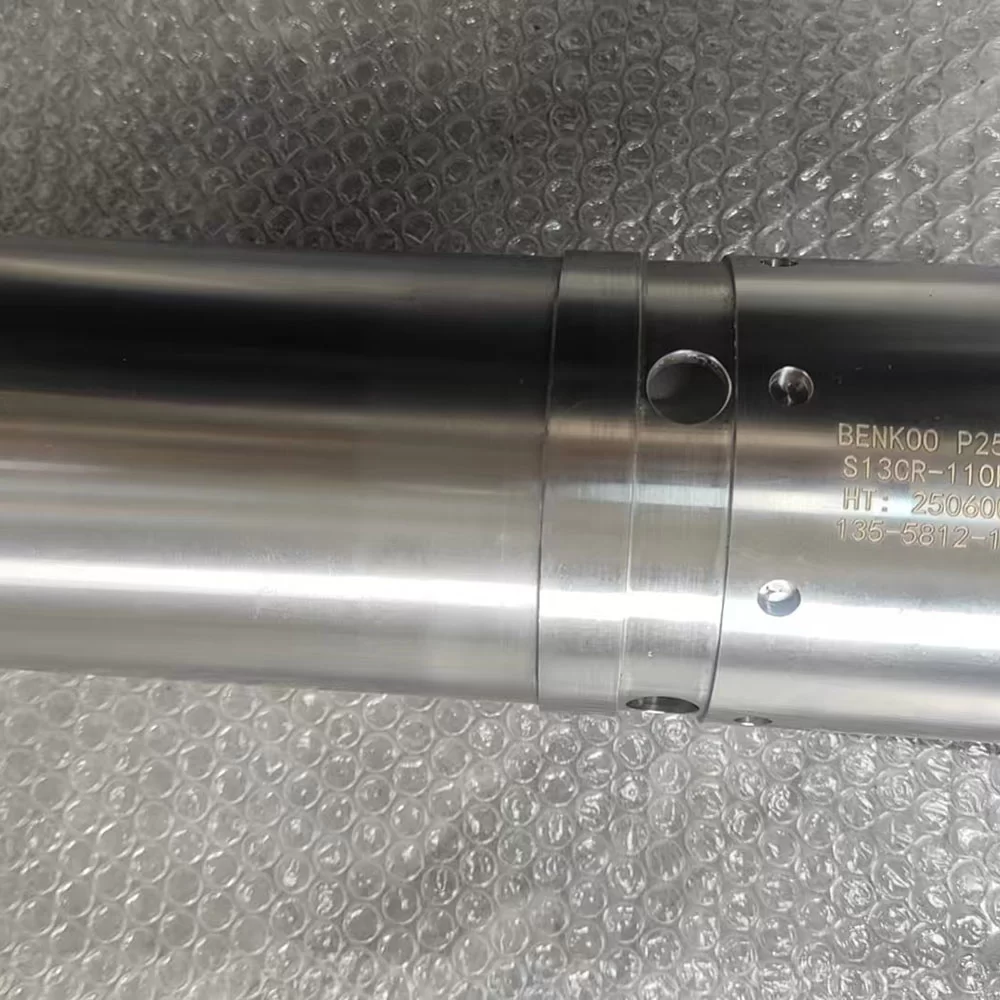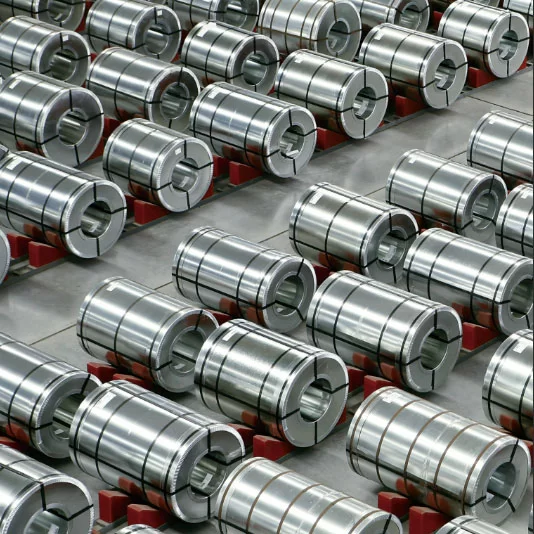
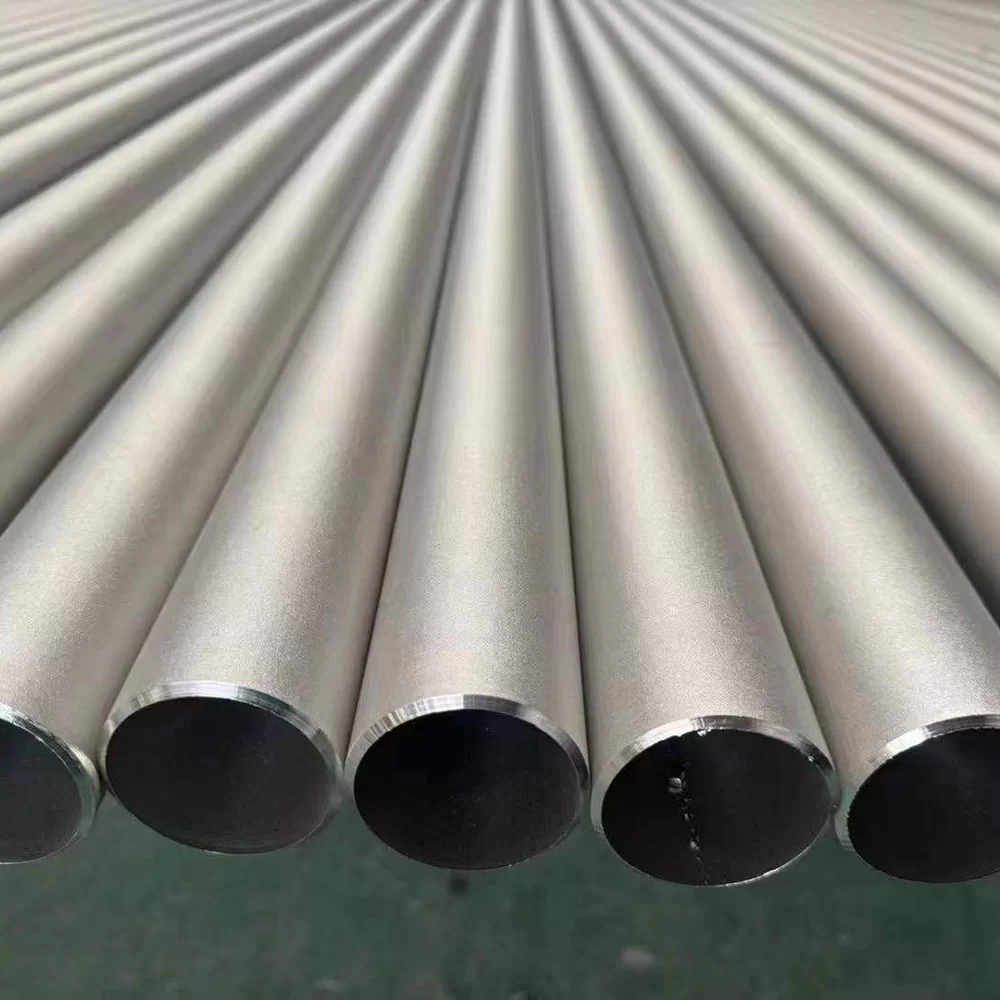
High-Performance structural steel pipe Solutions for Myanmar Infrastructure

Providing precision-engineered steel and alloy piping systems tailored for the humid tropical climate and industrial growth of Myanmar.

High-Performance structural steel pipe Solutions for Myanmar Infrastructure

Our comprehensive range of rolled steel and specialty alloys provides the foundational strength required for Myanmar's expanding industrial zones and urban development projects.

Industrial Steel Landscape in Asia - Myanmar

Analyzing the challenges of metallurgy and rolling processing in Southeast Asia's emerging markets.

Myanmar's industrial sector currently faces a critical transition. Due to the high humidity and saline air along the coastal regions, standard carbon steel suffers from rapid oxidation. There is a growing demand for duplex pipe to combat stress corrosion cracking in chemical processing and offshore applications.

The local market is shifting from basic construction to specialized tube building techniques. Historically, the reliance on imported low-grade steel has led to infrastructure fatigue, prompting a move toward high-precision rolled products that meet international ASTM and DIN standards.

Furthermore, the rise of high-tech manufacturing in Yangon and Mandalay has increased the search for reliable titanium tube suppliers to support the burgeoning electronics and specialized chemical sectors where extreme corrosion resistance is non-negotiable.
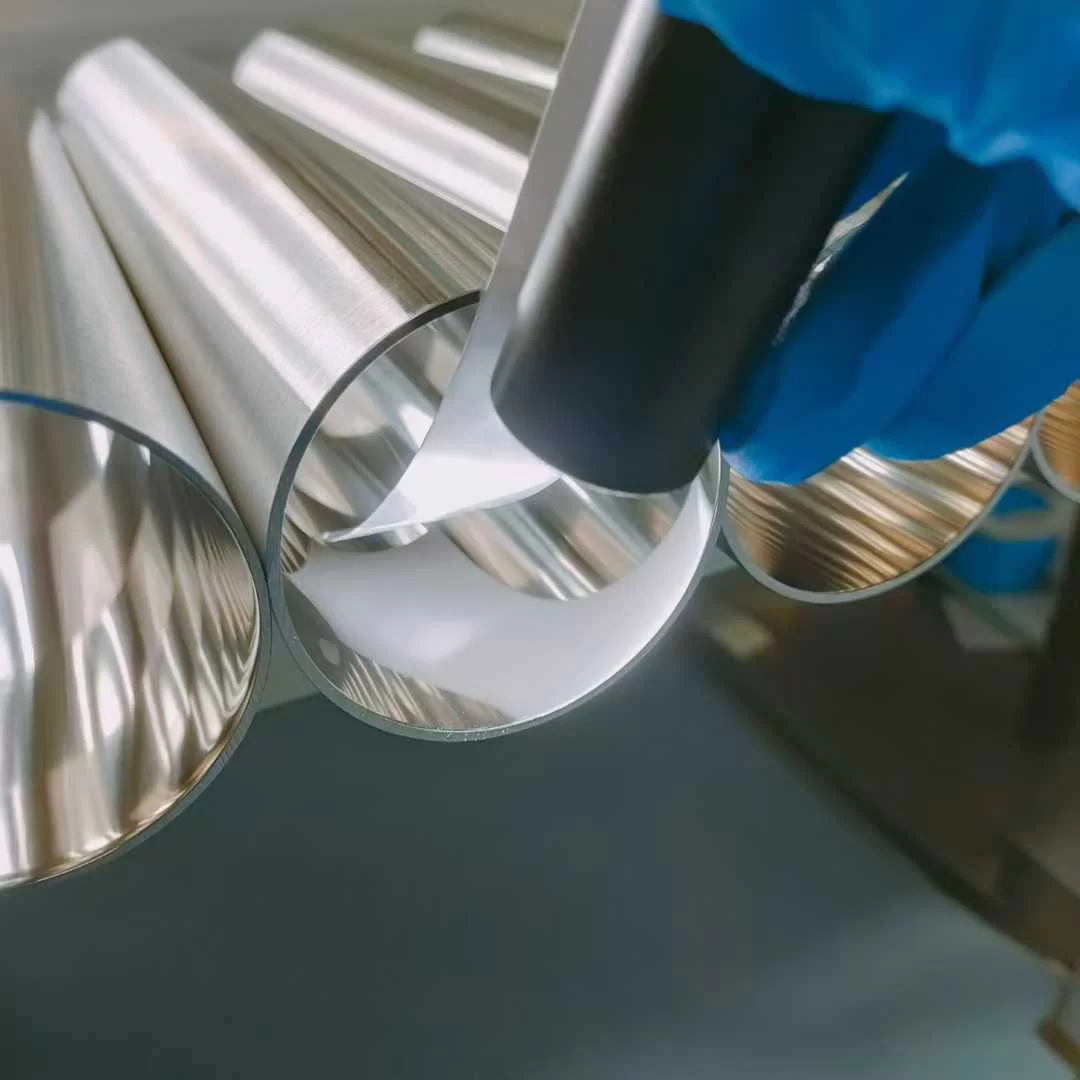
Evolution of Steel Rolling Technology in Myanmar

From manual rolling processes to automated precision engineering.

Market Development History

Between 2000 and 2010, the Myanmar steel market was dominated by basic hot-rolled round tube steel used primarily for simple agricultural fencing and basic scaffolding, with little regard for metallurgical purity.

From 2011 to 2020, the entry of foreign investment introduced cold-rolling technology. This era saw the integration of titanium pipe fittings in specialized industrial plants, marking the shift from general construction to precision engineering.

Since 2021, the focus has pivoted toward "Smart Steel," emphasizing alloy compositions that offer higher strength-to-weight ratios and automated rolling tolerances to support complex urban architectural designs.

Future Development Trends

Transition to Super-Alloys

Increased adoption of duplex and super-duplex steels to replace traditional stainless steel in Myanmar's desalination and water treatment projects.

Digitalization of Rolling Processes

Integration of AI-driven quality control in the rolling mill to reduce material waste and ensure 100% dimensional accuracy for structural components.

Sustainable Metallurgy

A shift toward "Green Steel" and recyclable alloy pipes to meet international ESG standards for infrastructure funding in Asia.

Industry Trends and Future Outlook

Strategic forecasting for the steel rolling and piping sector in the Myanmar region.

Corrosion Resistance Optimization
Increasing demand for high-chrome alloys to survive Myanmar's coastal humidity.
Modular Tube Construction
Shift toward prefabricated structural steel modules to accelerate project timelines.
Precision Alloy Integration
Replacing heavy carbon steel with titanium and duplex alloys in critical nodes.
Smart Logistics Distribution
Implementing JIT (Just-In-Time) delivery for large-scale rolled steel projects.

Industry Outlook

Based on regional search trends, there is a significant spike in requests for corrosion-resistant piping. We anticipate that the next 3-5 years will see a 20% increase in the adoption of specialty alloys as Myanmar upgrades its energy and water infrastructure.

The convergence of automated rolling and metallurgy will allow for customized pipe geometries, reducing the need for excessive welding and increasing the overall structural integrity of industrial builds in Southeast Asia.

Localized Application Scenarios in Myanmar

Real-world deployments of high-performance steel and alloy pipes across various Myanmar sectors.

01. Coastal Energy Terminals

Using duplex pipe systems for saltwater-resistant pipelines in the Ayeyarwady Delta region to prevent chloride-induced corrosion.

02. Urban High-Rise Frameworks

Deploying high-strength structural steel pipe for seismic-resistant building frames in Yangon's expanding business districts.

03. Chemical Processing Plants

Integration of precision titanium pipe fittings for the transport of corrosive reagents in specialized pharmaceutical labs.

04. Industrial Warehouse Shelving

Large-scale application of round tube steel for heavy-duty logistics racking in Mandalay's trade hubs.

05. Advanced Water Treatment

Implementing complex tube building frameworks for municipal water filtration systems using corrosion-resistant alloy piping.

Brand Story

Global Development History of Handan Biaoku Metal Co., Ltd.

Foundational Precision

Established with a mission to eliminate dimensional inaccuracy in steel rolling, focusing on high-tolerance industrial piping.

Alloy Diversification

Expanded our portfolio into titanium and duplex steels to solve the "corrosion crisis" in global chemical industries.

Global Expansion

Strategically entered the Southeast Asian market, providing tailored rolling solutions for Myanmar's emerging infrastructure.

Technology Integration

Adopted AI-driven quality monitoring to ensure every millimeter of our pipes meets stringent international safety codes.

Future Vision

Committed to leading the transition toward sustainable, zero-waste steel rolling processes for the next generation.

Comprehensive Steel Product Portfolio for Myanmar

A one-stop supply chain for all rolled steel and specialty alloy requirements.

Common Questions in Myanmar Steel Market

Expert answers to technical queries regarding steel rolling and pipe selection.

How to choose the right duplex pipe for coastal areas in Myanmar?

For coastal areas, we recommend duplex 2205 which provides a superior balance of strength and corrosion resistance compared to 300-series stainless steels, specifically targeting pitting resistance in saline environments.

Who are the most reliable titanium tube suppliers for industrial plants?

Reliable suppliers should offer ASTM B338 certifications and provide detailed mill test reports (MTRs) to ensure the chemical composition is optimized for high-heat or corrosive environments.

What is the difference between round tube steel and structural steel pipe?

Round tube steel is often used for mechanical or aesthetic purposes, while structural steel pipe is engineered to carry specific load-bearing weights and is tested for weldability and structural stability.

Are titanium pipe fittings compatible with stainless steel systems?

Yes, but they require specialized transition joints or galvanic insulation to prevent bimetallic corrosion, which is especially critical in the humid climate of Asia.

What are the key considerations for tube building in high-humidity zones?

The primary consideration is the coating system. We recommend hot-dip galvanizing or epoxy-phenolic coatings for carbon steel, or switching to alloy pipes for critical infrastructure.

How does the rolling process affect the strength of structural steel pipe?

Precision cold-rolling increases the yield strength through work hardening, while controlled hot-rolling ensures better ductility and uniformity for large-scale structural applications.

Get Expert Steel Consultation

Our engineers are ready to provide tailored metallurgy solutions for your projects in Myanmar.

Contact Us Now

If you are interested in our products, you can choose to leave your information here, and we will be in touch with you shortly.

  • captcha