
-20251219035019.webp "Titanium Round Bar")
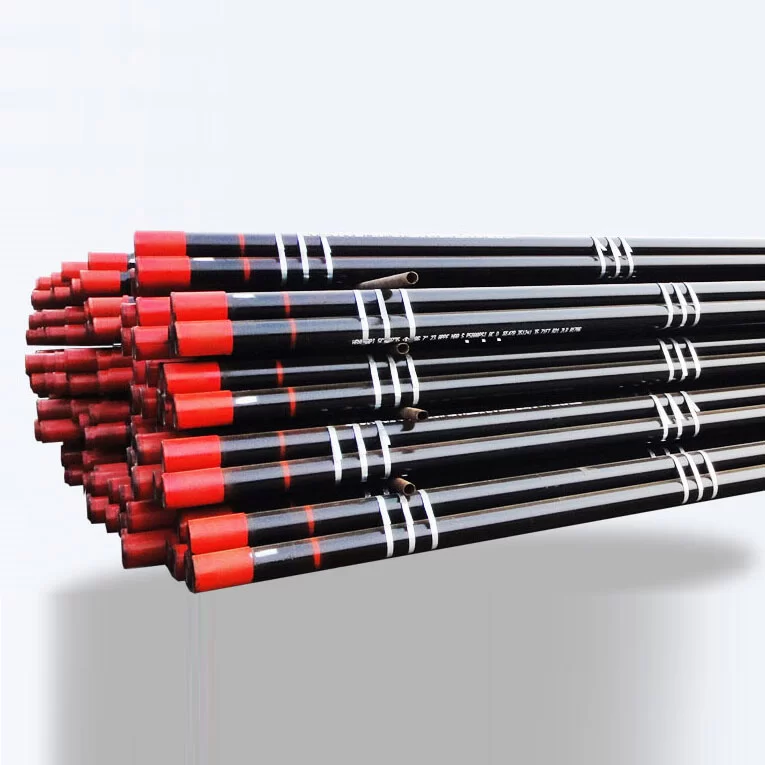
The Russian steel rolling industry is heavily influenced by the nation's vast geography and extreme temperature fluctuations. From the Arctic Circle to the Urals, the demand for structural steel pipe is driven by the need for materials that maintain ductility and strength at sub-zero temperatures, preventing brittle fractures in critical infrastructure.
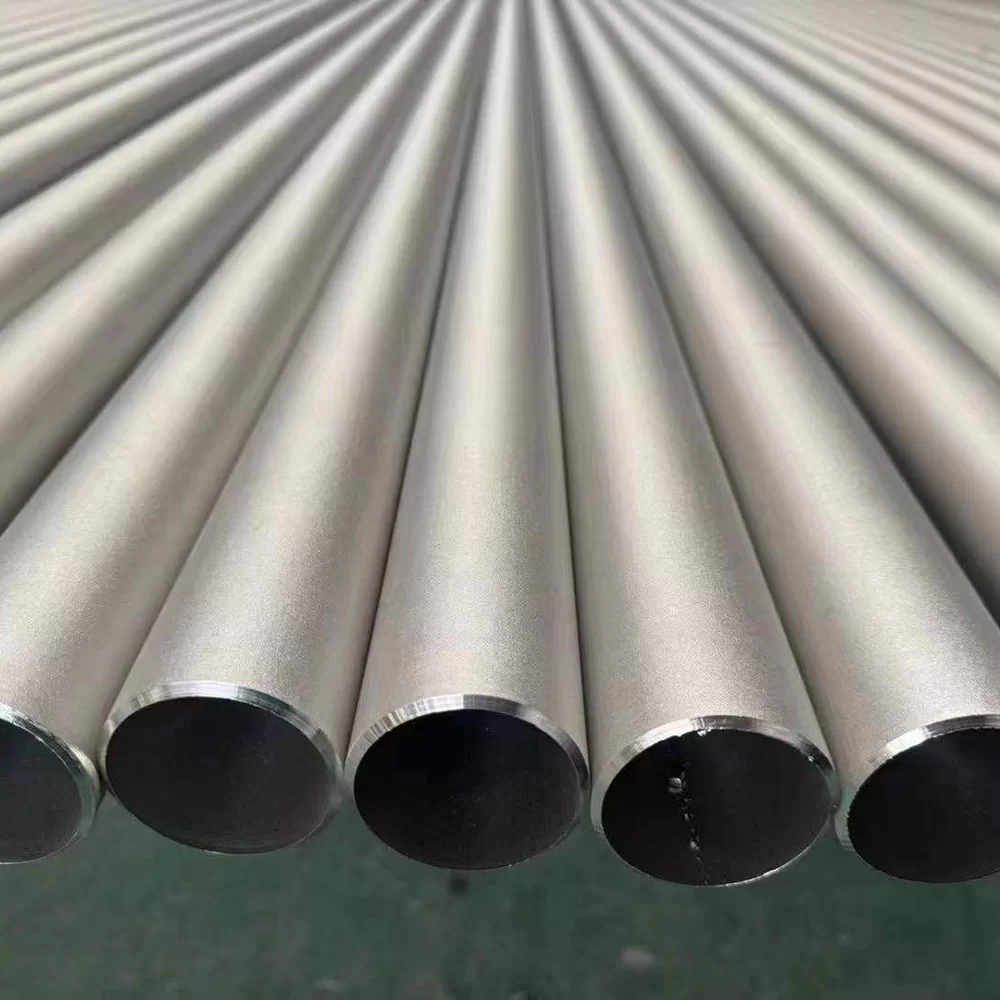
Currently, the market is shifting toward specialized alloys to support the expansion of LNG and oil export terminals. This has led to an increased reliance on titanium tube suppliers who can provide corrosion-resistant materials capable of handling harsh saline environments in the Far East and Northern Sea Route projects.
Economic pivots within Russia have also spurred a domestic resurgence in tube building techniques, integrating automated rolling processes to reduce waste and improve the precision of high-pressure transmission lines across the Eurasian landmass.
-20251219052202.webp "Titanium Seamless Pipes")
-20251219071741.webp "Nickel Alloy Welded Pipes")


