Hollow structural steel (HSS) is a type of steel manufactured with hollow sections, offering a high strength-to-weight ratio. Its versatility and cost-effectiveness have made it a cornerstone of modern construction and engineering projects globally. Understanding HSS is crucial for architects, engineers, and builders striving for efficient and durable structures. hss hollow structural steel offers solutions for a wide range of applications.
The global demand for steel, including HSS, is closely tied to infrastructure development, industrial growth, and urbanization, particularly in emerging economies. According to the World Steel Association, global steel demand reached nearly 1.9 billion tonnes in 2023. HSS addresses challenges associated with material weight, structural integrity, and project timelines.
HSS isn’t simply about steel; it represents a paradigm shift towards building smarter and more sustainably. From bridges and high-rise buildings to industrial facilities and residential construction, HSS is enabling projects that were once considered impossible or prohibitively expensive.

Introduction to hss hollow structural steel
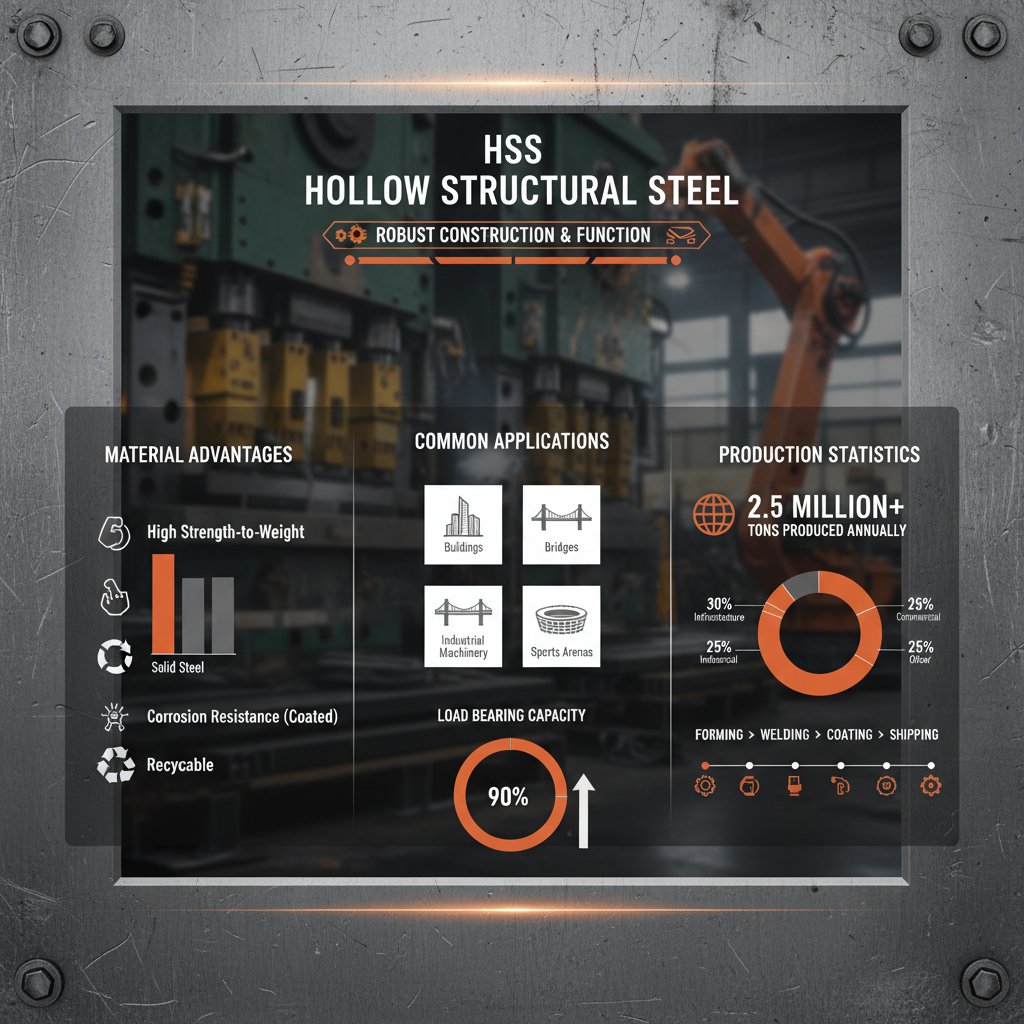
Hollow structural steel sections are characterized by their welded or seamless construction, offering superior dimensional accuracy and consistency compared to open sections. This allows for more efficient design and fabrication, minimizing material waste and construction time. hss hollow structural steel is available in various shapes, including round, square, and rectangular tubes.
The inherent strength and versatility of HSS make it suitable for a diverse range of applications, from architectural features to heavy industrial infrastructure. It’s a material that consistently delivers performance and durability, setting new standards in the construction industry.
FAQS
While the initial material cost of hss hollow structural steel might be slightly higher, the overall project cost is often lower. This is due to its high strength-to-weight ratio, reducing the amount of material needed, speeding up construction (reducing labor costs), and decreasing maintenance requirements over the structure's lifespan. Plus, its prefabrication potential further lowers on-site costs.
HSS demonstrates excellent ductility and energy absorption capabilities, making it a highly effective material in seismic zones. Its closed, box-like sections provide superior torsional strength and resistance to buckling compared to open sections. When properly designed and connected, HSS structures can withstand significant ground motion and reduce damage during earthquakes.
Several corrosion protection options are available, including galvanizing, painting, and applying specialized coatings. Galvanizing provides a zinc coating that acts as a barrier against corrosion, while painting offers both aesthetic and protective benefits. Specialized coatings, such as epoxy or polyurethane, provide enhanced resistance to harsh environments. The optimal choice depends on the specific application and environmental conditions.
Yes, steel is one of the most recycled materials globally, and HSS is no exception. Using recycled steel reduces the environmental impact of production and conserves natural resources. Furthermore, the efficient use of material in HSS construction minimizes waste, and its durability extends the lifespan of structures, reducing the need for frequent replacements.
Common connection methods for HSS include welding, bolting, and screwing. Welding provides a strong and rigid connection, while bolting allows for easier disassembly and maintenance. Screw connections are becoming increasingly popular due to their speed and ease of installation. The choice of connection method depends on the specific application and structural requirements.
While versatile, HSS can be more expensive than open sections in some applications, although this is often offset by reduced labor and material costs. Local corrosion can be a concern in highly corrosive environments if adequate protection isn't applied. Careful design and connection detailing are crucial to maximize its performance. Also, complex geometries might require specialized fabrication techniques.
Conclusion
In conclusion, hss hollow structural steel is more than just a building material; it’s a foundational component of modern infrastructure and a driver of innovation in construction. Its unique combination of strength, durability, versatility, and sustainability makes it an indispensable asset for projects of all scales, from bridges and skyscrapers to disaster relief shelters and industrial facilities. hss hollow structural steel continues to push the boundaries of what's possible in the built environment.
Looking ahead, continued advancements in materials science, fabrication technologies, and digital design will further enhance the performance and efficiency of HSS. Embracing these innovations is crucial for building a more resilient, sustainable, and equitable future. We encourage you to explore the potential of HSS for your next project and experience the benefits firsthand. Visit our website: www.benkoometal.com
Related Posts