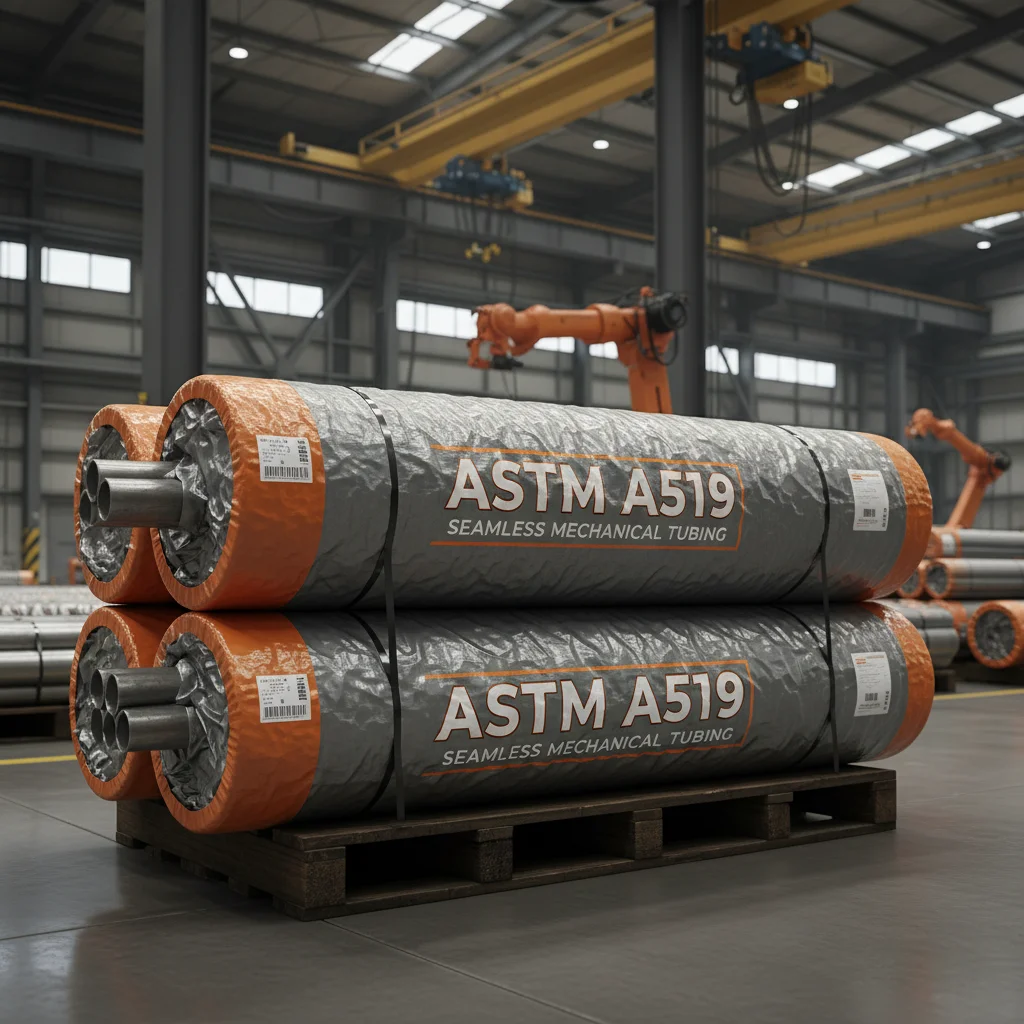
Pipe steel grades are fundamental to modern infrastructure, playing a critical role in the safe and efficient transportation of vital resources like oil, gas, water, and chemicals. Globally, the demand for high-quality, reliable pipe steel is consistently increasing, driven by population growth, industrialization, and the need for sustainable energy solutions. Understanding the nuances of different pipe steel grades is therefore essential for engineers, project managers, and procurement professionals involved in these sectors.
The significance of pipe steel grades extends beyond mere material specification; it directly impacts project safety, longevity, and cost-effectiveness. A thorough understanding allows for informed decisions during pipeline construction, maintenance, and repair. Furthermore, evolving environmental regulations and the push for greener technologies demand more sophisticated pipe steel grades with enhanced corrosion resistance and reduced environmental impact.
Ultimately, selecting the appropriate pipe steel grade is not just a technical decision, but a strategic one that safeguards investments, protects communities, and supports economic growth on a global scale. This in-depth look at pipe steel grades will explore the defining characteristics, common applications, and future trends shaping this critical industry.
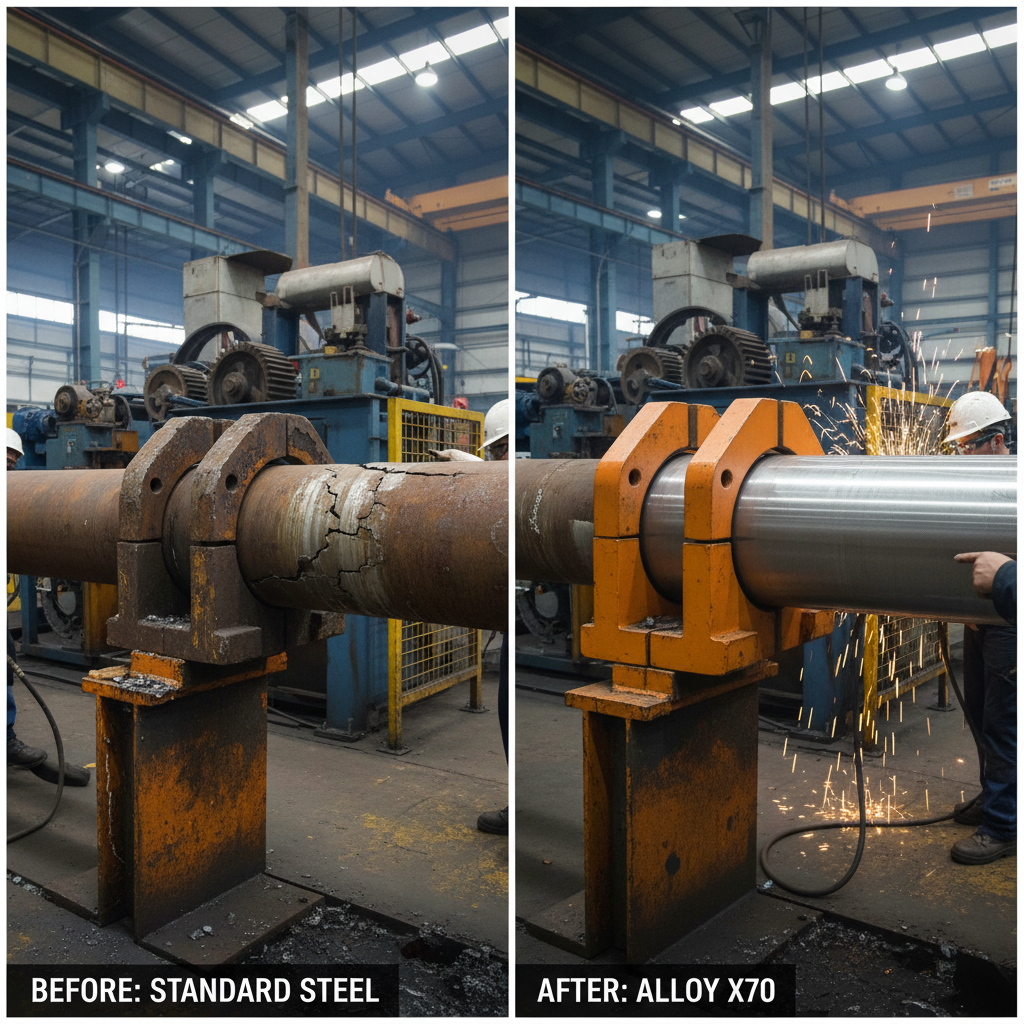
The Importance of Pipe Steel Grades
The selection of appropriate pipe steel grades is crucial for ensuring the structural integrity and operational reliability of pipeline systems. Different grades offer varying levels of strength, ductility, corrosion resistance, and weldability, making it paramount to match the material to the specific application and operating conditions. Failure to do so can lead to catastrophic consequences, including leaks, ruptures, and environmental damage.
Properly specified pipe steel grades contribute significantly to reducing life-cycle costs through minimized maintenance, extended service life, and enhanced safety. Investing in higher-quality materials upfront can prevent costly repairs and downtime in the long run, solidifying the economic benefits alongside the critical safety aspects.
Defining Pipe Steel Grades and Their Relevance
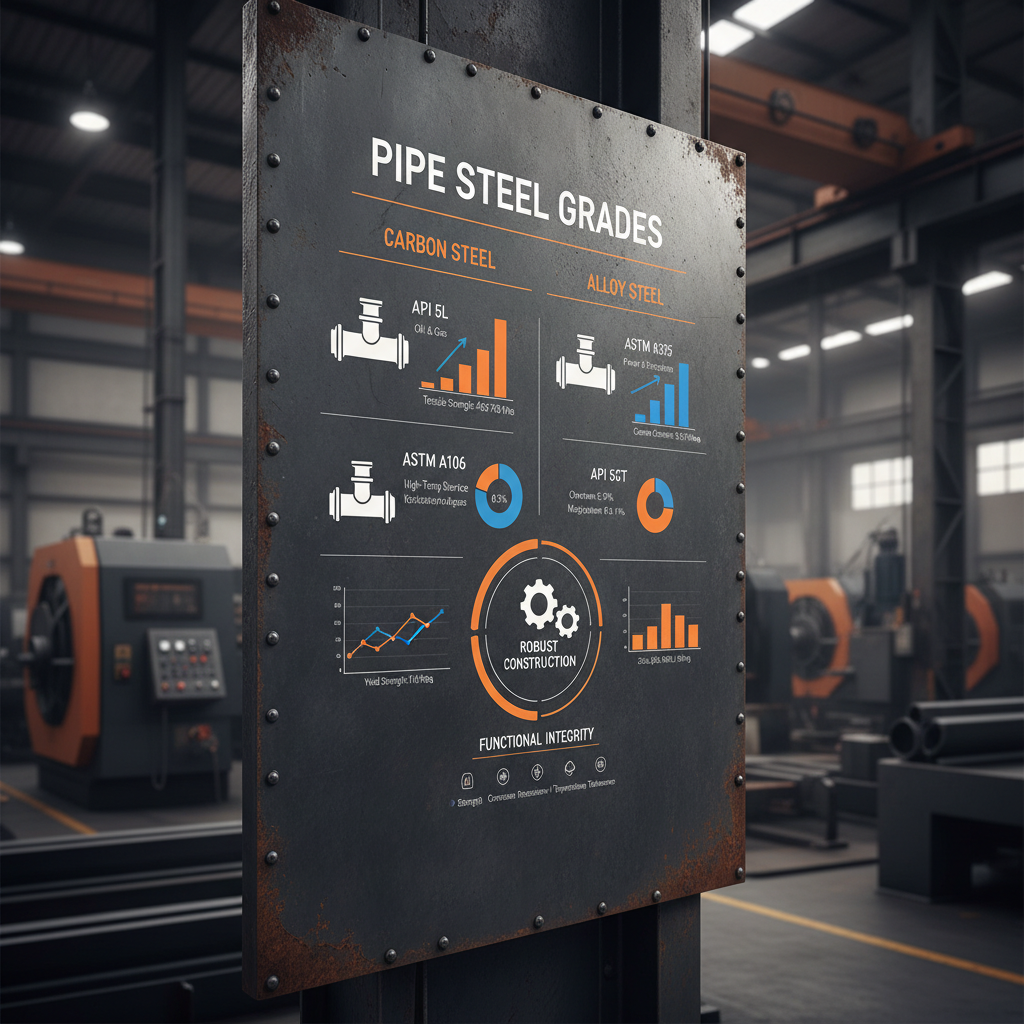
Pipe steel grades are classifications assigned to different types of steel used in the fabrication of pipelines, based on their chemical composition, mechanical properties, and manufacturing processes. These grades are typically defined by standards set by organizations like the American Petroleum Institute (API), ASTM International, and ISO. The most commonly referenced standard is API 5L, which specifies the requirements for line pipe steel.
The relevance of these classifications stems from their ability to guarantee consistent quality and performance. By adhering to established standards, manufacturers ensure that their products meet specific criteria for strength, toughness, and corrosion resistance, enabling engineers to confidently design and operate pipeline systems for diverse applications.
Understanding these definitions is vital not only for technical professionals but also for regulatory bodies responsible for ensuring pipeline safety and environmental protection. Proper grade selection is a cornerstone of responsible pipeline management and resource transportation.
Core Characteristics of Pipe Steel Grades
Several key characteristics differentiate various pipe steel grades. Yield strength, which indicates the amount of stress a material can withstand before permanent deformation, is a critical factor. Higher yield strength allows for thinner pipe walls, reducing material costs and weight. Tensile strength, representing the material's resistance to breaking under tension, is another essential property.
Corrosion resistance is arguably one of the most important characteristics, particularly in harsh environments. Alloying elements like chromium, nickel, and molybdenum are added to enhance corrosion resistance. Ductility, the ability of a material to deform without fracturing, is vital for accommodating stress and preventing brittle failure. Weldability, the ease with which a material can be joined using welding processes, impacts construction costs and the overall integrity of the pipeline.
Finally, impact toughness, measured by Charpy V-notch testing, assesses a material’s ability to withstand sudden shocks at low temperatures. This is particularly crucial for pipelines operating in cold climates or subject to seismic activity. The interplay of these characteristics dictates the suitability of a specific pipe steel grade for a given application.
Key Performance Indicators for pipe steel grades
Evaluating pipe steel grades necessitates a focus on key performance indicators (KPIs) that reflect their suitability for specific operational requirements. These KPIs help to quantify and compare different materials, ensuring optimal selection for long-term reliability and safety.
One crucial KPI is the Hydrogen Induced Cracking (HIC) resistance, which measures a steel’s ability to withstand cracking in environments containing hydrogen sulfide. Another significant indicator is Sour Service Performance, reflecting resistance to corrosion in environments containing hydrogen sulfide and carbon dioxide.
Performance Ratings of Common pipe steel grades
Global Applications of Different Pipe Steel Grades
The application of different pipe steel grades varies significantly depending on the industry and operating conditions. In the oil and gas sector, high-strength grades like API 5L X65 and X70 are commonly used for long-distance transmission pipelines due to their ability to withstand high pressures and minimize material costs. In water infrastructure projects, grades with enhanced corrosion resistance, such as those containing molybdenum, are preferred to ensure long-term durability.
The chemical processing industry often utilizes stainless steel grades like 304 and 316 for pipelines transporting corrosive fluids. In remote industrial zones like those found in Siberia or the Canadian Arctic, the selection of pipe steel grades with exceptional low-temperature toughness is paramount.
Advantages and Long-Term Value Proposition
Investing in high-quality pipe steel grades delivers substantial long-term advantages. Reduced maintenance requirements translate into lower operational costs and minimized downtime. Enhanced corrosion resistance extends the service life of pipelines, delaying the need for costly replacements. Improved safety features, like increased strength and toughness, minimize the risk of leaks and ruptures, protecting both the environment and public safety.
Beyond the quantifiable economic benefits, the use of appropriate pipe steel grades fosters trust and reliability, enhancing a company's reputation and ensuring sustainable operations. These materials are foundational to responsible infrastructure development, contributing to societal well-being and long-term economic stability.
Future Trends and Innovations in Pipe Steel Grades
The future of pipe steel grades is focused on enhanced performance, sustainability, and cost-effectiveness. Research and development are actively exploring the use of high-strength low-alloy (HSLA) steels with improved weldability and corrosion resistance. The integration of digital technologies, such as machine learning and data analytics, is enabling the development of predictive maintenance strategies and optimized material selection.
The demand for "green" pipe steel grades, produced using sustainable manufacturing processes and featuring reduced carbon footprints, is also growing. Furthermore, the integration of advanced coatings and corrosion inhibitors is extending the service life of pipelines and minimizing environmental impact. These innovations will be critical for meeting the evolving needs of the energy, water, and chemical industries.
The exploration of novel materials, such as composites and polymers, as potential alternatives to traditional steel is ongoing, although steel is expected to remain the dominant material for pipeline construction for the foreseeable future.
Key Considerations for Pipe Steel Grade Selection
Choosing the right pipe steel grade involves a comprehensive assessment of several factors, including operating pressure, temperature, fluid composition, external environmental conditions, and regulatory requirements. A thorough understanding of these variables is essential for ensuring long-term reliability and safety.
Considering life-cycle costs, rather than solely focusing on initial material costs, is crucial. Investing in higher-quality grades with enhanced durability can significantly reduce maintenance expenses and extend service life, leading to overall cost savings.
Collaboration between engineers, materials scientists, and regulatory experts is vital for navigating the complexities of pipe steel grade selection and ensuring compliance with industry standards.
Overview of Comparative Analysis of Pipe Steel Grade Characteristics
| Steel Grade |
Yield Strength (MPa) |
Corrosion Resistance (Scale 1-10) |
Typical Applications |
| API 5L X42 |
345 |
6 |
Low-pressure oil and gas pipelines |
| API 5L X52 |
379 |
7 |
Medium-pressure oil and gas pipelines |
| API 5L X60 |
414 |
7.5 |
High-pressure oil and gas transmission |
| API 5L X65 |
448 |
8 |
Long-distance gas pipelines |
| API 5L X70 |
483 |
8.5 |
High-strength, long-distance pipelines |
| 304 Stainless Steel |
205 |
9 |
Chemical processing, potable water systems |
FAQS
When selecting a pipe steel grade for a sour gas pipeline, several factors are paramount. HIC (Hydrogen Induced Cracking) resistance is critical due to the presence of hydrogen sulfide (H2S). Sour service performance, which assesses resistance to sulfide stress cracking, is equally important. The steel must also exhibit sufficient strength and toughness at operating temperatures, alongside appropriate weldability to ensure pipeline integrity.
Corrosion resistance has a significant impact on a pipeline’s life cycle cost. Higher corrosion resistance reduces the frequency of inspections, repairs, and replacements, minimizing downtime and associated costs. While corrosion-resistant steel grades may have a higher initial cost, the long-term savings from reduced maintenance and extended service life often outweigh the upfront investment. Proper corrosion control is essential for overall pipeline economics.
API 5L standards are fundamental to pipeline safety. They define the chemical composition, mechanical properties, and manufacturing processes for line pipe steel, ensuring consistent quality and reliability. Adherence to API 5L standards provides a framework for safe design, construction, and operation of pipelines, minimizing the risk of failures and environmental incidents. These standards are globally recognized and frequently adopted by regulatory bodies.
Temperature significantly influences the selection of pipe steel grades. Lower temperatures can reduce a material's ductility and toughness, increasing the risk of brittle fracture. In cold climates, steels with higher impact toughness are essential. Conversely, high temperatures can reduce yield strength. Engineers must carefully consider the operating temperature range when selecting a grade to ensure it maintains adequate mechanical properties throughout its service life.
Yield strength represents the point at which a material begins to deform permanently, while tensile strength is the maximum stress a material can withstand before fracturing. Yield strength is crucial for resisting deformation under operating loads, while tensile strength is important for preventing catastrophic failure. Higher values for both properties generally indicate a stronger, more durable steel, though the relative importance depends on the application.
Emerging trends in sustainable pipe steel production include utilizing recycled steel scrap, reducing carbon emissions during the manufacturing process, and developing eco-friendly coatings to minimize corrosion. There's a growing focus on Life Cycle Assessments (LCAs) to quantify the environmental impact of different steel grades and production methods. The demand for ‘green steel’ produced using renewable energy sources is also rapidly increasing.
Conclusion
In conclusion, understanding pipe steel grades is not merely a technical exercise but a cornerstone of safe, efficient, and sustainable infrastructure development. From the oil and gas industry to water management and chemical processing, the right selection of materials directly impacts project success, operational longevity, and environmental protection. The characteristics of yield strength, corrosion resistance, and impact toughness, guided by standards like API 5L, are critical considerations in ensuring reliability.
Looking ahead, continuous innovation in materials science, combined with the adoption of sustainable manufacturing practices and digital technologies, will shape the future of pipe steel. By embracing these advancements and prioritizing a holistic life-cycle approach, we can build resilient infrastructure that meets the evolving needs of a global society. For more information on specific pipe steel grades and to discuss your project requirements, visit our website today.