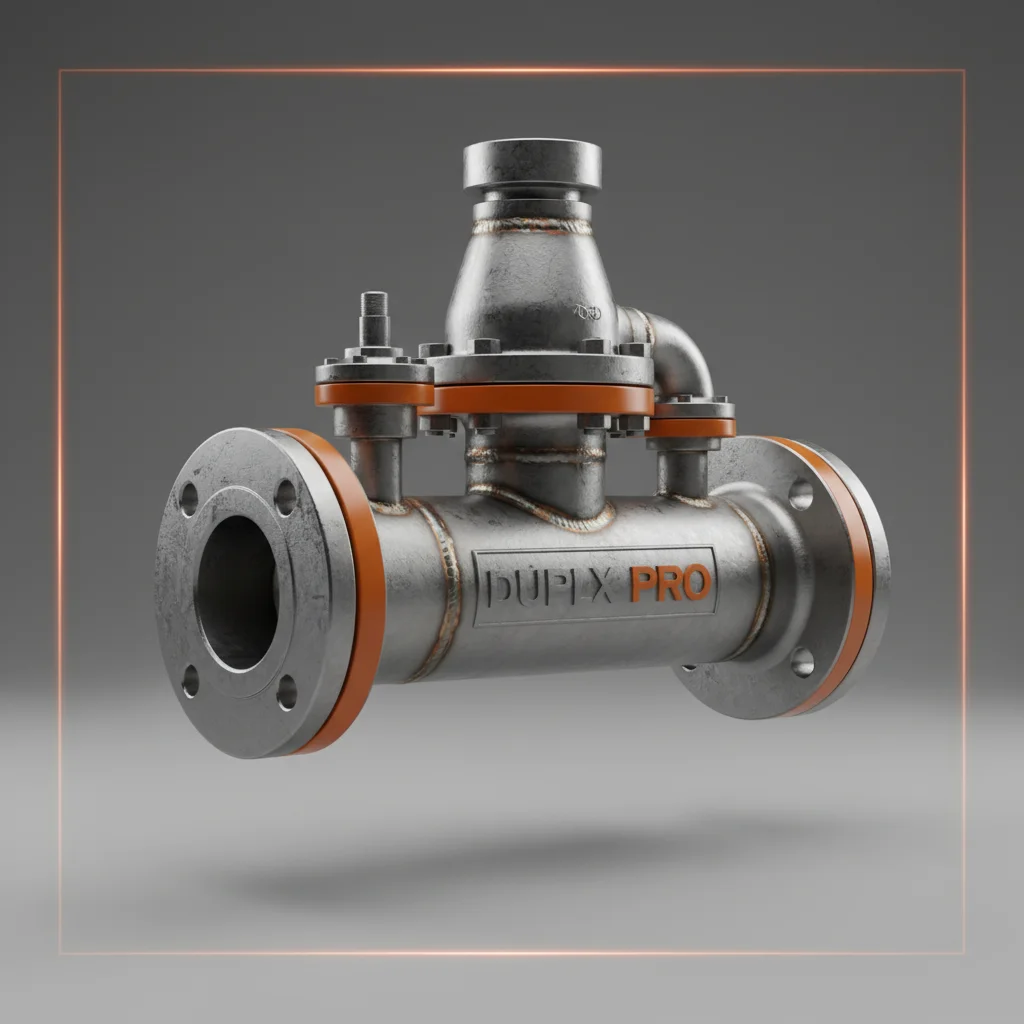
Duplex steel tube represents a significant advancement in materials science, offering a unique combination of properties that make it invaluable across a wide range of industries. Its high strength and resistance to corrosion are particularly critical in demanding environments, contributing to increased safety, longevity, and efficiency in various applications. Understanding its characteristics and applications is paramount for engineers, designers, and procurement specialists seeking robust and reliable material solutions.
The global demand for duplex steel tube is steadily increasing, driven by the expansion of industries such as oil and gas, chemical processing, and marine engineering. According to the World Steel Association, demand for specialty steels, which includes duplex stainless steels, is projected to grow consistently in emerging economies. This growth necessitates a deeper understanding of its manufacturing processes, quality control measures, and potential for innovation.
This understanding of duplex steel tube isn’t simply about material properties; it's about addressing real-world challenges. From mitigating corrosion in offshore platforms to ensuring the structural integrity of chemical processing plants, duplex steel tube plays a vital role in infrastructure resilience and sustainable development. Its adoption allows for lighter construction, reduced maintenance, and extended service life, contributing to cost savings and environmental benefits.
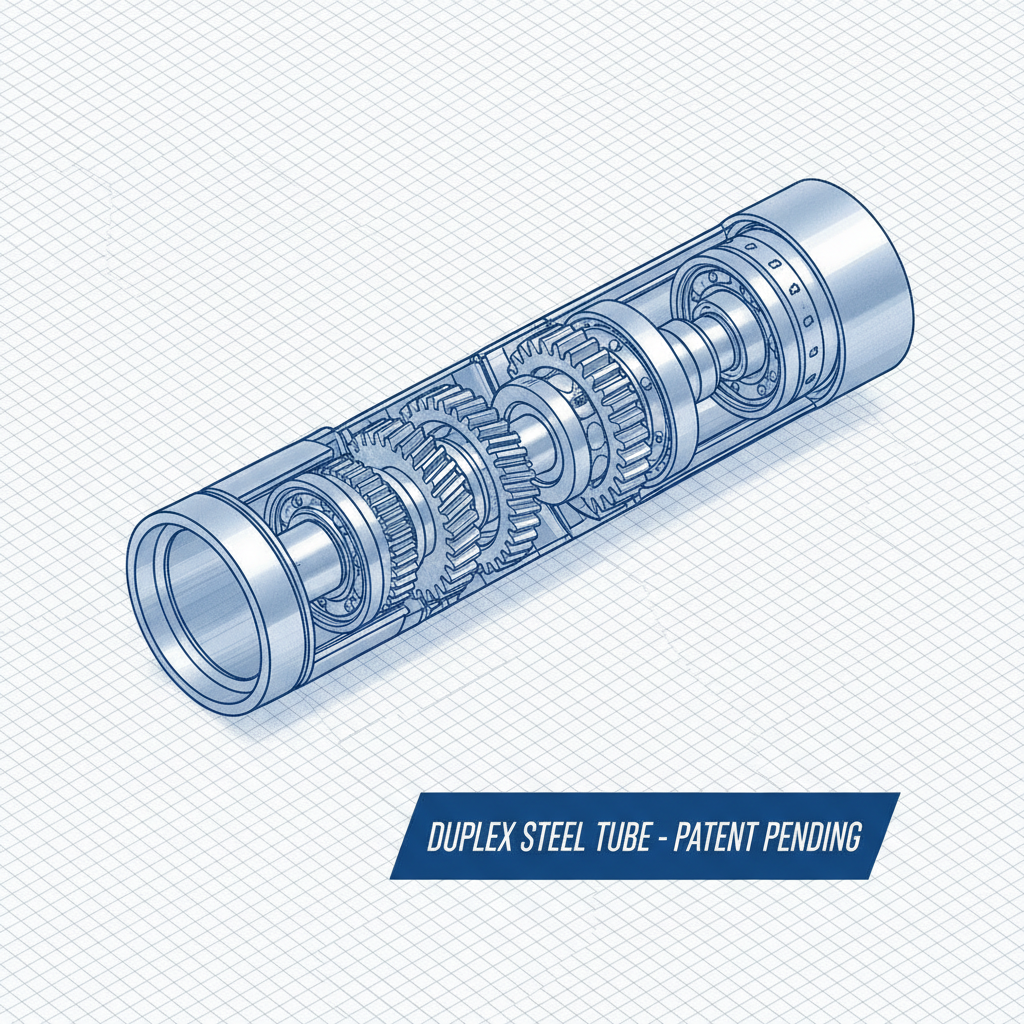
Introduction to Duplex Steel Tube
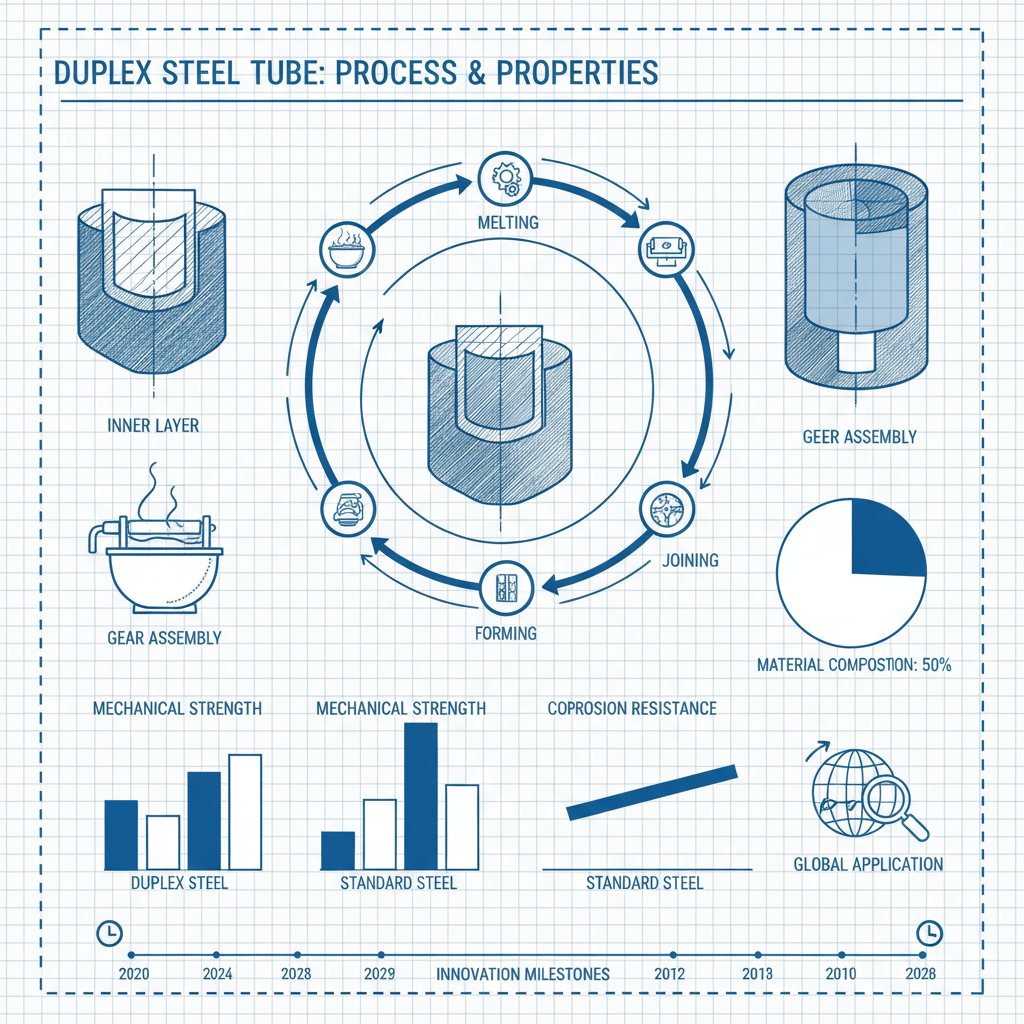
Duplex steel tube is a sophisticated metallic alloy designed for exceptional performance in challenging environments. It achieves this through a microstructural composition of both austenitic and ferritic stainless steels, providing a balance of strength, ductility, and corrosion resistance unmatched by traditional materials. This unique combination allows duplex steel tube to excel where conventional steels fail.
The growing reliance on duplex steel tube is a testament to its reliability and cost-effectiveness. Industries facing harsh conditions, such as the oil and gas sector and wastewater treatment facilities, are increasingly adopting this material for pipelines, structural components, and process equipment. Its ability to withstand chloride stress corrosion cracking and pitting makes it a crucial element in ensuring long-term operational stability.
FAQS
Duplex steel tube boasts a higher chromium, molybdenum, and nitrogen content compared to standard austenitic stainless steels. This composition significantly enhances its resistance to pitting, crevice corrosion, and chloride stress corrosion cracking, particularly in environments containing chlorides. The dual-phase microstructure also contributes to improved corrosion resistance by creating a protective passive layer that is more stable and less susceptible to breakdown.
Welding duplex steel tube requires careful control of heat input to avoid the formation of detrimental phases, such as sigma phase, which can compromise its corrosion resistance. Low heat input welding techniques, such as TIG or shielded metal arc welding (SMAW) with appropriate electrodes, are generally recommended. Post-weld heat treatment may also be necessary to restore the desired microstructure and mechanical properties.
Generally, duplex steel tube is more expensive upfront than austenitic stainless steel due to its more complex manufacturing process and higher alloy content. However, its superior strength and corrosion resistance often lead to lower life-cycle costs. Reduced maintenance, fewer repairs, and extended service life can offset the initial price difference, making it a cost-effective solution in the long run.
Duplex steel tube is extensively used in the marine industry for seawater piping systems, ballast water tanks, hull structures, and offshore platforms. Its exceptional resistance to chloride corrosion and high strength make it ideal for withstanding the harsh marine environment. It’s often employed in applications where prolonged exposure to seawater necessitates a highly reliable and durable material.
While duplex steel tube offers excellent strength at ambient temperatures, its mechanical properties can decrease at elevated temperatures. Certain duplex grades, like super duplex stainless steels, exhibit better high-temperature performance. However, it’s crucial to consider the specific temperature range and application requirements when selecting a duplex steel tube grade for high-temperature service.
Lead times for custom-sized duplex steel tube can vary depending on the quantity, dimensions, and specific grade required. Generally, lead times range from 4 to 12 weeks, depending on the manufacturer’s production schedule and material availability. It’s always best to inquire directly with a supplier for accurate lead time estimates based on your specific needs.
Conclusion
Duplex steel tube represents a crucial advancement in material science, offering a unique combination of strength, corrosion resistance, and durability. Its applications span diverse industries, from oil and gas to chemical processing and marine engineering, making it an indispensable component of modern infrastructure. By understanding its properties and benefits, engineers and designers can optimize performance, reduce life-cycle costs, and ensure the long-term reliability of critical assets.
Looking forward, the continued innovation in duplex steel tube manufacturing and the development of new grades will further expand its applications and contribute to a more sustainable future. We encourage you to explore the potential of duplex steel tube for your specific needs and contact us at Benkoo Metal to learn more about our comprehensive range of products and services.
Related Posts