0%

Table of Contents

sa106 b represents a critical grade of carbon steel pipe widely utilized across various industries, including oil and gas, petrochemicals, and power generation. Its robust characteristics, specifically its weldability and strength, make it ideal for high-pressure and high-temperature applications. Understanding sa106 b is paramount for engineers, procurement specialists, and anyone involved in designing and maintaining pipeline systems and pressure vessels, impacting global infrastructure development and safety.

The demand for sa106 b is intrinsically linked to global industrial expansion and energy infrastructure projects. According to data from the World Steel Association, demand for steel pipes continues to grow, driven largely by infrastructure investments in emerging economies. This growth emphasizes the need for standardized, reliable materials like sa106 b to ensure structural integrity and operational safety.

The availability and consistent quality of sa106 b directly address the challenges of maintaining aging infrastructure and building new, resilient systems. Its relatively low cost compared to more exotic alloys makes it a practical choice for large-scale projects, fostering economic development and supporting critical energy supply chains.
sa106 b

Introduction to sa106 b

sa106 b

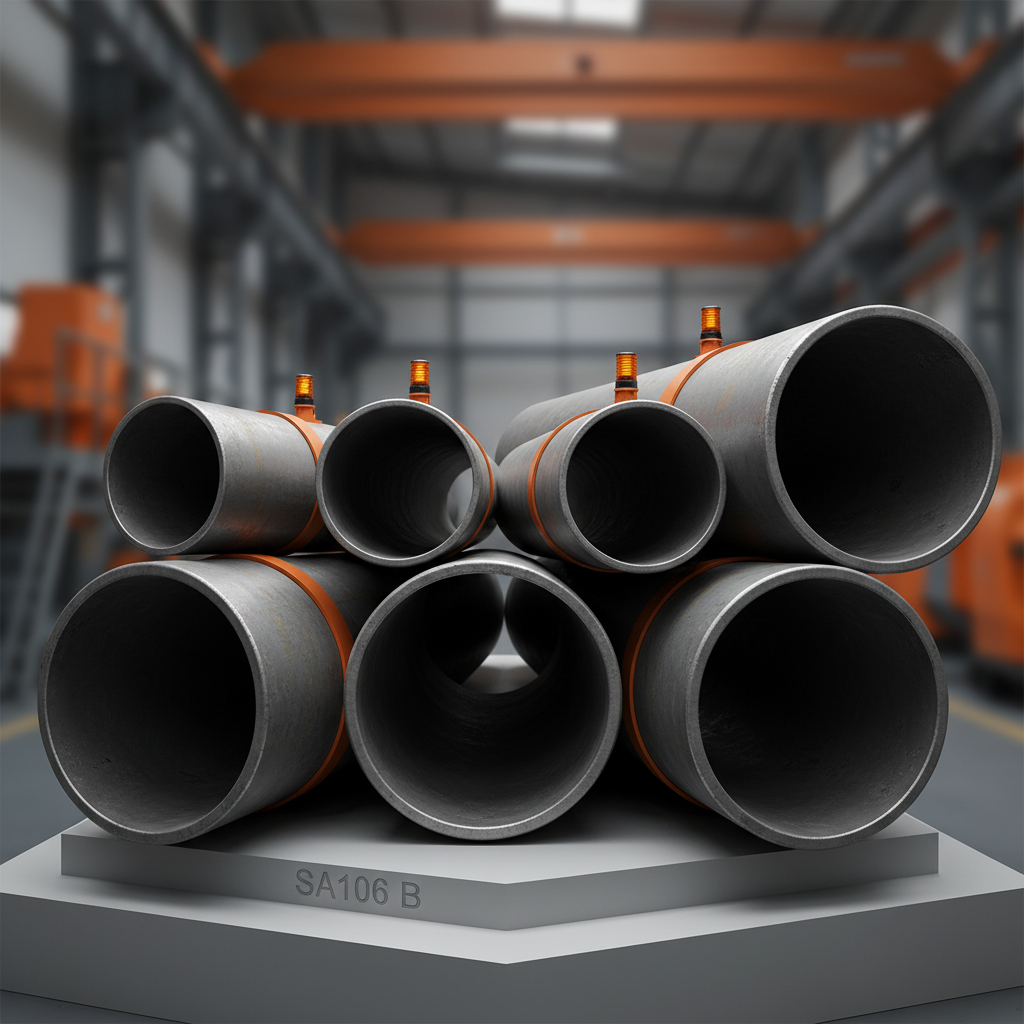
sa106 b is a specification for seamless carbon steel pipe, governed by the American Society of Testing and Materials (ASTM). This specific grade is known for its excellent mechanical properties and suitability for high-temperature and high-pressure services. It’s widely used because it's readily available and relatively inexpensive compared to alloy steels offering similar performance.

The material plays a pivotal role in maintaining the integrity of critical infrastructure. Industries dependent on fluid transport, such as the oil and gas sector, rely heavily on sa106 b pipes to safely and efficiently move resources. Properly understanding its limitations and proper application is essential.

Defining sa106 b Specifications

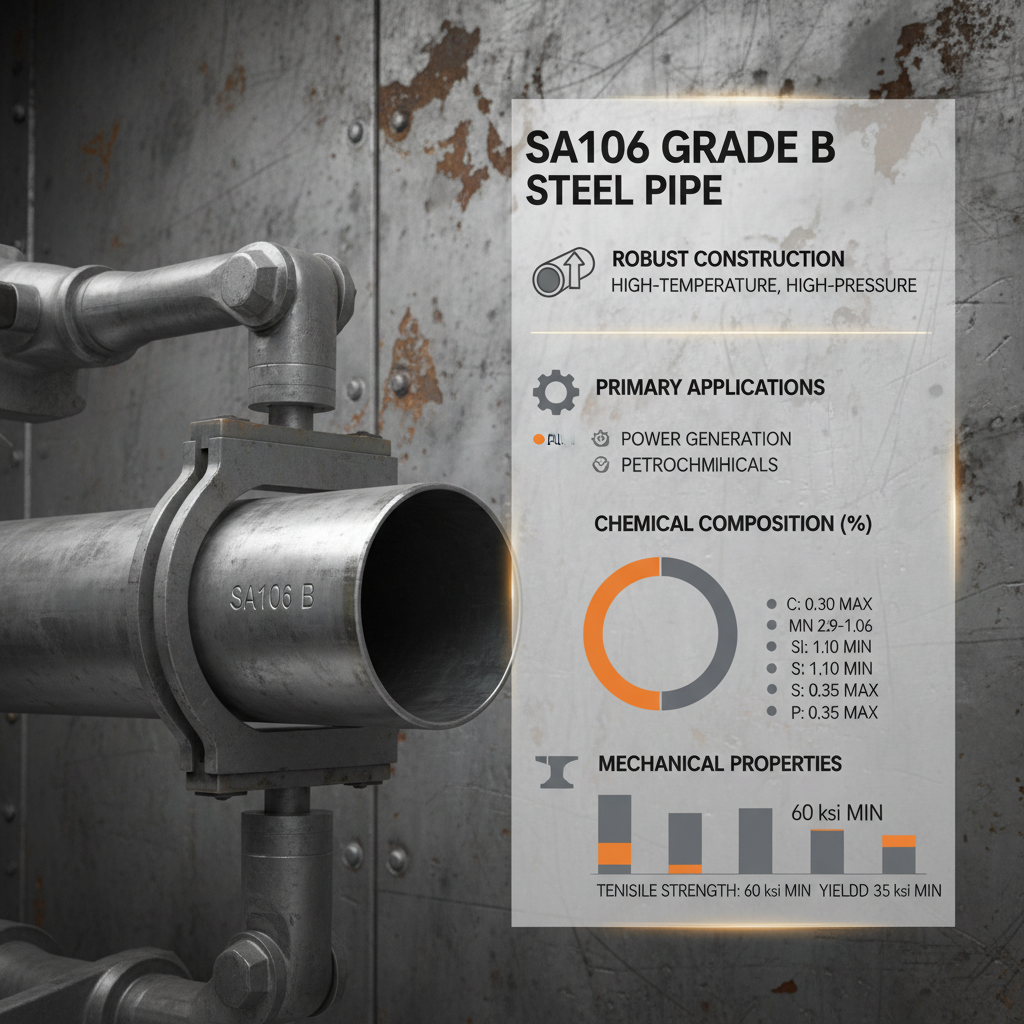
ASTM A106 Grade B outlines specific chemical and mechanical property requirements. Chemically, sa106 b typically consists of carbon, manganese, phosphorus, sulfur, silicon, and trace amounts of other elements. These compositions are carefully controlled to ensure the desired strength, ductility, and weldability of the pipe.

Mechanical properties, including yield strength, tensile strength, and elongation, are rigorously tested to verify compliance with the ASTM standard. The specific values vary slightly depending on the pipe's diameter and wall thickness, but are precisely defined within the specification.

The standard also details requirements for hydrostatic testing and non-destructive examination (NDE), such as ultrasonic testing, to detect any defects that could compromise the pipe’s structural integrity. This stringent quality control process is fundamental to the reliability of sa106 b in critical applications.

Core Properties of sa106 b Steel

The primary advantage of sa106 b lies in its excellent weldability. The chemical composition is designed to minimize the formation of hard and brittle microstructures during welding, making it relatively easy to join using standard welding procedures. This is crucial for fabricating complex pipeline systems and pressure vessels.

Furthermore, sa106 b possesses impressive high-temperature strength. It maintains a substantial portion of its mechanical properties at elevated temperatures, making it suitable for applications involving steam, hot oil, or other high-temperature fluids. This is due to the carefully controlled carbon content and the formation of stable microstructures.

Its good impact toughness contributes to its resistance to fracture, particularly in demanding operating conditions. This resilience is important for applications where the pipe may be subjected to shock loading or cyclic stresses. Coupled with its tensile strength, sa106 b offers a strong and reliable material for many engineering designs.

Application Performance of sa106 b

sa106 b is frequently used in the construction of transmission pipelines for oil and natural gas. Its ability to withstand high pressures and temperatures makes it ideally suited for transporting these vital resources over long distances. It’s commonly specified for larger diameter pipes in these applications.

Beyond pipelines, sa106 b also finds extensive use in power plants for steam piping systems. The material's high-temperature strength and corrosion resistance are critical for ensuring the safe and reliable operation of these facilities.

Performance Characteristics of sa106 b

Global Applications of sa106 b

In post-disaster relief operations, particularly following earthquakes or hurricanes, sa106 b piping is frequently used for temporary water and fuel supply lines. Its ease of welding and availability make it a practical solution for quickly restoring essential services.

Across the Middle East, sa106 b plays a critical role in the extensive oil and gas infrastructure. It is consistently utilized for both onshore and offshore pipeline projects, supporting the region’s vital energy exports.

Advantages and Long-Term Value of sa106 b

The cost-effectiveness of sa106 b is a significant advantage. Compared to specialized alloy steels, it offers a comparable level of performance at a lower price point, making it an attractive option for large-scale projects.

Its durability contributes to long-term cost savings through reduced maintenance and replacement frequency. Properly installed and maintained sa106 b systems can provide decades of reliable service, minimizing downtime and operational disruptions.

Furthermore, the widespread availability of sa106 b ensures a stable supply chain, reducing project delays and minimizing risks associated with material sourcing. This reliability builds trust and fosters confidence among engineers and project managers.

Future Trends in sa106 b Usage

Research is ongoing into improved coatings and surface treatments to enhance the corrosion resistance of sa106 b, particularly in harsh marine environments. These advancements will extend the lifespan of pipelines and reduce the need for costly repairs.

The integration of smart sensors and monitoring systems with sa106 b pipelines is gaining traction. These systems provide real-time data on pipe condition, allowing for proactive maintenance and preventing potential failures.

Sustainable practices, such as utilizing recycled sa106 b materials and reducing carbon emissions during manufacturing, are becoming increasingly important. The industry is actively exploring ways to minimize the environmental impact of steel production and pipeline construction.

Summary of Challenges and Potential Solutions for sa106 b Applications

Challenge Area Specific Issue Potential Solution Implementation Difficulty (1-10)
Corrosion External Corrosion in Marine Environments Application of Advanced Protective Coatings 6
Weld Integrity Weld Defects due to Improper Technique Enhanced Welder Training & Certification 4
Maintenance Difficult Access for Inspection Remote Inspection Technologies (Drones, Robotics) 7
Pressure Capacity Aging Pipe Infrastructure Regular Non-Destructive Testing (NDT) 5
Material Sourcing Supply Chain Disruptions Diversification of Suppliers 3
Environmental Impact Carbon Footprint of Steel Production Use of Recycled sa106 b Steel 8

FAQS

What are the key differences between sa106 b and other grades of carbon steel pipe?

sa106 b stands out due to its specific chemical composition and stringent manufacturing standards. It's designed for higher temperature and pressure applications than some other carbon steel grades like A53. The controlled carbon content provides superior weldability and strength at elevated temperatures, making it ideal for demanding industries like oil & gas and power generation. The testing requirements for sa106 b are also more rigorous, ensuring greater reliability.

Is sa106 b suitable for use in corrosive environments?

While sa106 b offers good general corrosion resistance, it is not inherently resistant to all corrosive substances. In particularly aggressive environments, such as those containing high concentrations of chlorides or sulfides, additional corrosion protection measures are necessary. These measures can include applying protective coatings, utilizing corrosion inhibitors, or selecting alternative materials like stainless steel. Regular inspection is essential.

What welding procedures are recommended for sa106 b?

Welding sa106 b generally utilizes shielded metal arc welding (SMAW), gas metal arc welding (GMAW), or submerged arc welding (SAW) processes. The specific welding procedure should be qualified according to ASME Section IX. Preheating is often recommended, particularly for thicker sections or colder temperatures, to prevent cracking. Proper weld bead control and post-weld heat treatment are also crucial for achieving a sound and reliable weld.

What are the typical applications where sa106 b is preferred?

sa106 b is a common choice for high-pressure, high-temperature applications. These include pipelines for transporting oil, gas, and steam, as well as pressure vessels in power plants and refineries. It's also frequently used in boiler systems and process piping within the chemical and petrochemical industries. Its reliability and proven track record make it a trusted material for critical infrastructure.

How does the diameter and wall thickness affect the properties of sa106 b pipe?

The diameter and wall thickness of sa106 b pipe influence its mechanical properties and pressure-handling capabilities. Thicker walls provide greater strength and resistance to collapse under internal pressure. Larger diameters generally exhibit lower yield strength due to the way the material is formed. The ASTM A106 B specification provides detailed requirements for different diameter and wall thickness combinations, ensuring consistent performance.

What are the common testing requirements for sa106 b?

sa106 b pipes undergo rigorous testing to ensure they meet specified standards. Common tests include hydrostatic testing to verify leak-tightness and pressure resistance, chemical composition analysis, tensile strength testing, yield strength testing, elongation testing, and non-destructive examination (NDE) like ultrasonic testing to detect internal flaws. These tests guarantee the material’s quality and reliability for demanding applications.

Conclusion

sa106 b remains a cornerstone material in industries demanding reliable, high-performance piping solutions. Its blend of weldability, high-temperature strength, and cost-effectiveness ensures its continued relevance in diverse applications, from oil and gas transmission to power generation. Understanding its specifications and limitations is vital for maintaining infrastructure integrity and safety.

Looking ahead, advancements in corrosion protection, coupled with the integration of smart monitoring technologies, will further enhance the long-term value and sustainability of sa106 b systems. Continued investment in research and development, alongside a commitment to responsible sourcing and manufacturing practices, will solidify sa106 b's position as a critical component of global infrastructure. For more information and to discuss your specific needs, visit our website: www.benkoometal.com.

Garrett Lawson

Garrett Lawson

Garrett Lawson is a Project Coordinator at BENKOO METAL, supporting the North American market. He assists in managing complex orders and ensuring seamless communication between clients and the internal teams. With a Bachelor's degree in Engineering and a keen understanding of material specifications, Garrett works closely with major mining companies
Previous Understanding Pipe Steel Grades for Infrastructure and Pipeline Applications
Next Exploring the Versatility and Applications of Titanium Round Stock in Modern Engineering

If you are interested in our products, you can choose to leave your information here, and we will be in touch with you shortly.

  • captcha