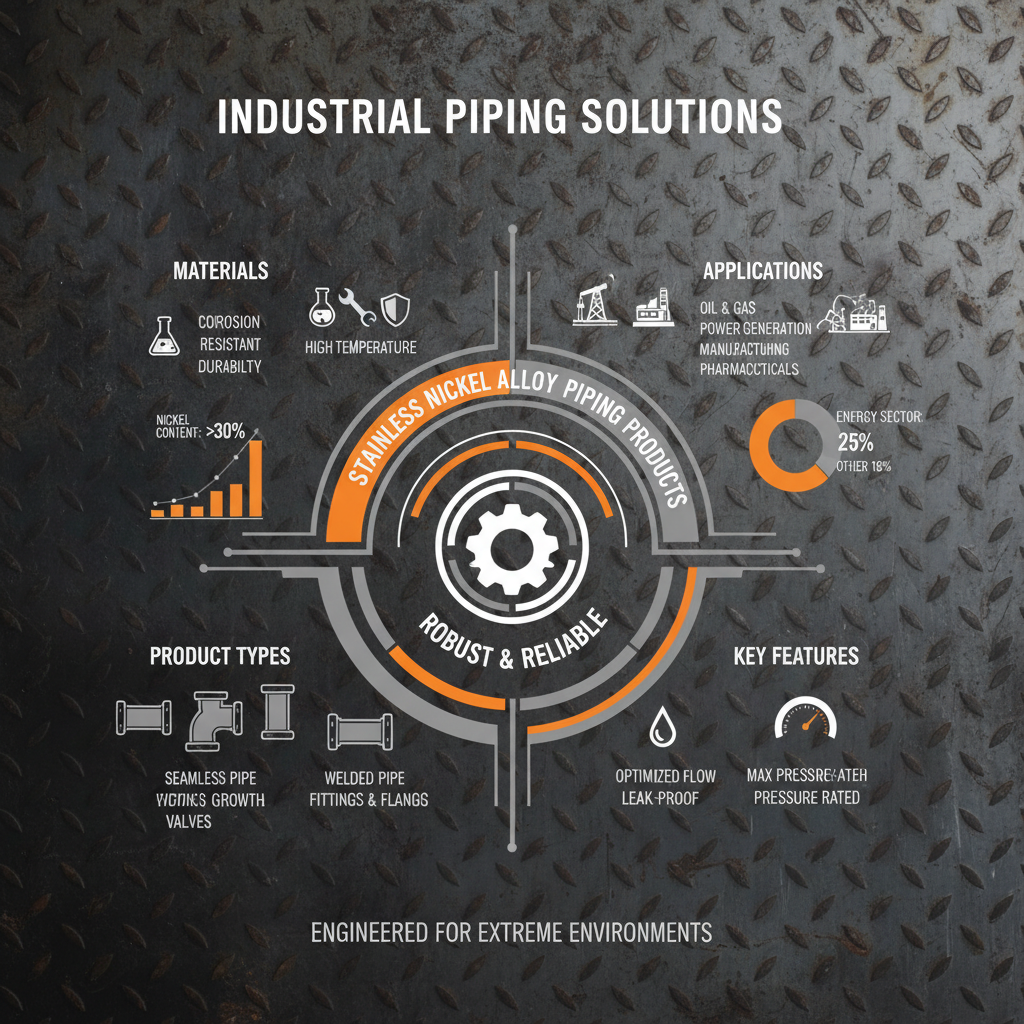
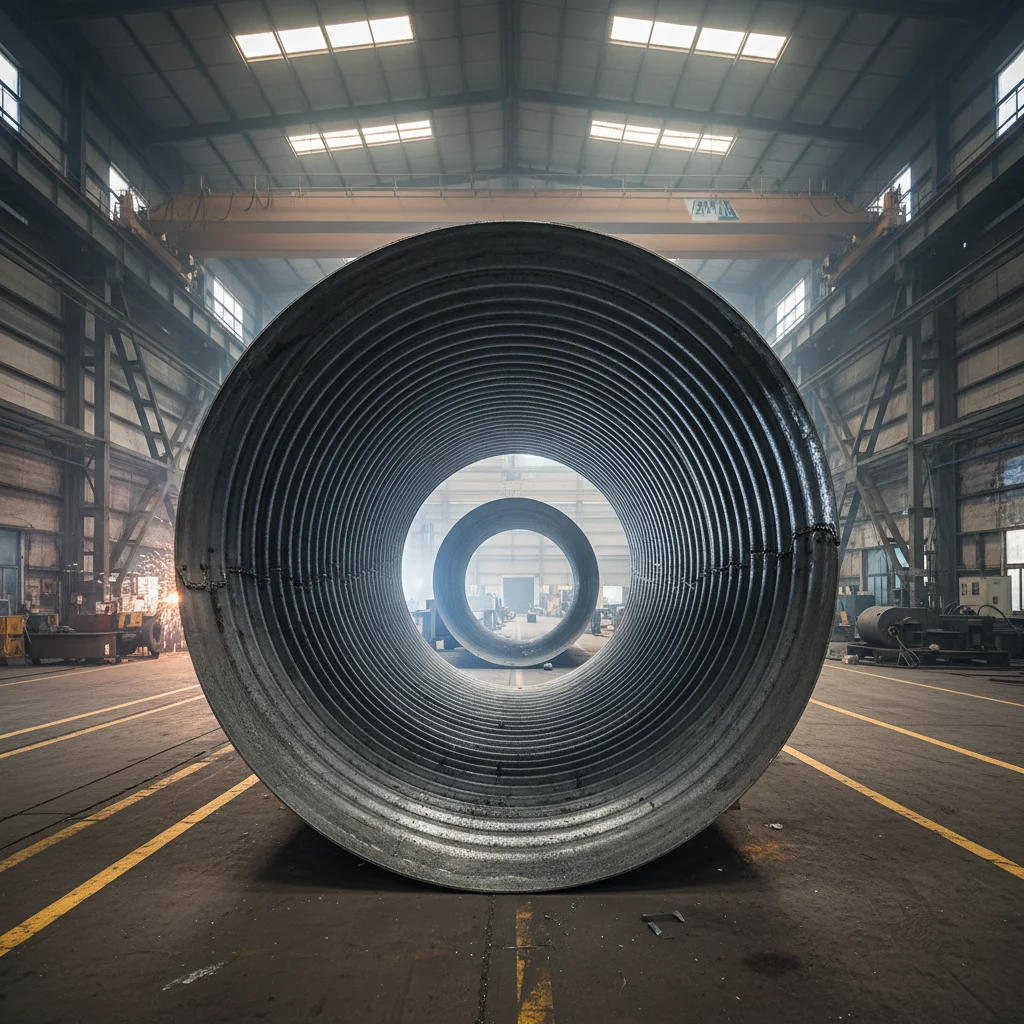
Stainless nickel alloy piping products are the backbone of countless critical systems – from power generation and chemical processing to offshore oil & gas and even food & beverage production. They’re not glamorous, but they’re essential. After years walking construction sites and seeing what actually works, and more importantly, what doesn’t, I can tell you firsthand that choosing the right piping isn't just about meeting specs; it's about long-term reliability, minimizing downtime, and keeping people safe. These alloys offer a performance level that carbon steel simply can’t match in corrosive environments, and that translates to real cost savings over the lifespan of a project.
The demand for these materials is only growing, driven by increasingly stringent environmental regulations and the need for infrastructure that can withstand harsh conditions. We’re seeing a major push toward more efficient and sustainable operations, and stainless nickel alloys play a crucial role in that. Globally, industries are expanding into more challenging environments – think deepwater drilling or processing highly corrosive chemicals – and the need for materials that can perform reliably in these situations is paramount. Reports from organizations like the World Bank highlight the need for resilient infrastructure, and that inevitably means higher-quality piping systems.
Simply put, stainless nickel alloy piping products are engineered tubing and pipes crafted from a blend of stainless steel and nickel. This combination delivers exceptional resistance to corrosion, high temperatures, and extreme pressures. They're the workhorses that keep vital fluids and gases flowing safely and efficiently in applications where failure isn't an option. They aren't just pipes; they're integral components in maintaining the integrity of critical industrial processes and ensuring public safety.
The Importance of Stainless Nickel Alloy Piping
Look, I’ve seen too many projects delayed, and budgets blown, because someone skimped on the piping. The initial cost of stainless nickel alloy piping products is higher, absolutely. But believe me, when you’re facing catastrophic corrosion, unplanned shutdowns, or even safety hazards, that upfront investment pays for itself tenfold. It’s not about being cheap; it’s about lifecycle cost.
These alloys aren't just about resisting corrosion; they’re about maintaining process integrity. In industries where product purity is critical – pharmaceuticals, food processing, semiconductor manufacturing – the materials used for piping directly impact the quality of the final product. Using inferior materials can lead to contamination, production losses, and even regulatory issues. That’s a risk you just can’t afford to take.
Understanding the Alloy Composition
The "stainless nickel alloy" label isn’t just marketing fluff. The specific composition varies depending on the application, but the key is the strategic blending of elements. Typically, you'll find significant amounts of chromium (for corrosion resistance), nickel (for enhanced ductility and strength at high temperatures), and molybdenum (to combat pitting corrosion, especially in chloride-rich environments). Additives like titanium and niobium can further refine properties for specific applications.
Each element plays a critical role. Chromium forms a passive oxide layer on the surface, preventing rust. Nickel stabilizes the austenitic structure, improving toughness and weldability. Molybdenum boosts resistance to chlorides. Knowing the exact alloy designation – 316, Inconel 625, Hastelloy C-276, for example – is vital because each offers a unique combination of properties tailored to different service conditions. Don’t just ask for “stainless nickel alloy;” specify the grade!
Understanding the interplay of these elements is crucial for selecting the right material. For instance, a higher nickel content generally improves resistance to reducing acids, while increased molybdenum enhances pitting resistance in saltwater environments. It’s about matching the alloy’s characteristics to the specific chemical environment it will encounter throughout its service life.
Key Characteristics and Benefits
Durability is the name of the game. These alloys can withstand incredibly harsh conditions – extreme temperatures, high pressures, and highly corrosive fluids – without degrading. This leads to longer service life, reduced maintenance costs, and fewer unexpected failures. I’ve seen carbon steel pipes fail within a couple of years in some environments; properly specified stainless nickel alloys can last decades.
High-temperature strength is another significant benefit. Many industrial processes operate at elevated temperatures, and carbon steel loses its strength rapidly as temperatures rise. Stainless nickel alloys, however, maintain their mechanical properties even at extremely high temperatures, making them ideal for power generation, chemical processing, and aerospace applications.
And let’s not forget weldability and formability. While some alloys are more challenging to work with than others, stainless nickel alloys generally exhibit good weldability and can be formed into a variety of shapes and sizes. This makes them adaptable to complex piping systems and custom fabrication requirements. stainless nickel alloy piping products are versatile in many ways.
Real-World Applications Across Industries
The oil and gas industry relies heavily on these alloys for offshore platforms, pipelines, and processing facilities where saltwater corrosion is a constant threat. Power plants use them in boiler systems and heat exchangers to withstand high temperatures and corrosive combustion products. Chemical processing plants depend on them to handle aggressive chemicals and maintain product purity.
In the pharmaceutical industry, stainless nickel alloy piping products are essential for maintaining sterile environments and preventing contamination. Food and beverage manufacturers use them for processing and transporting food products, ensuring hygiene and preventing corrosion from acidic or sugary substances. Even in the pulp and paper industry, they’re used to handle corrosive chemicals involved in the pulping process.
Stainless Nickel Alloy Piping Performance by Application
Advantages and Long-Term Value Proposition
The initial cost is higher, no denying that. But the long-term benefits – reduced maintenance, fewer repairs, extended service life, and increased process reliability – far outweigh the upfront investment. I've seen projects where the cost of replacing carbon steel piping multiple times over a 10-year period exceeded the cost of installing stainless nickel alloy piping in the first place.
From a sustainability perspective, these alloys contribute to a more responsible and environmentally conscious operation. Reduced downtime means less energy consumption and fewer emissions. The extended lifespan minimizes the need for frequent replacements, reducing waste and resource depletion. It’s a win-win.
Future Trends and Innovation in Piping Technology
We're seeing a move toward smarter piping systems – incorporating sensors and data analytics to monitor corrosion rates, detect leaks, and optimize performance. These “intelligent” pipelines can provide early warning of potential failures, allowing for proactive maintenance and preventing costly shutdowns. Digital twin technology, where a virtual model replicates the physical piping system, is also gaining traction.
Advanced manufacturing techniques, such as additive manufacturing (3D printing), are opening up new possibilities for creating complex piping geometries and customized solutions. This can lead to improved flow rates, reduced pressure drops, and enhanced efficiency. Developments in corrosion-resistant coatings and alloy compositions are also constantly pushing the boundaries of performance.
Challenges and Mitigation Strategies
Cost remains a significant barrier to entry for some projects, especially smaller ones. Careful material selection, focusing on the specific application requirements, can help optimize costs without compromising performance. Sometimes a less expensive alloy grade will suffice if the corrosive environment isn’t that severe.
Fabrication and welding can be more challenging with certain stainless nickel alloys. Proper training and certification of welders are essential to ensure the integrity of the piping system. Selecting experienced fabricators who understand the nuances of working with these materials is also crucial.
Supply chain disruptions, as we’ve seen recently, can impact lead times and availability. Maintaining strong relationships with reliable suppliers – like stainless nickel alloy piping products suppliers– and planning ahead are essential to mitigate these risks.
Key Considerations for Selecting Stainless Nickel Alloy Piping
| Corrosion Environment |
Temperature & Pressure |
Fluid Compatibility |
Lifecycle Cost Analysis |
| Highly corrosive (saltwater, acids) |
High temperature, high pressure |
Compatibility with specific chemicals |
8/10 – Long-term cost savings |
| Moderate corrosion (fresh water, mild chemicals) |
Moderate temperature, moderate pressure |
General compatibility, minimal risk |
7/10 – Competitive with carbon steel |
| Severe pitting corrosion potential |
Extreme temperature fluctuations |
Stringent purity requirements |
9/10 – Essential for critical applications |
| Limited corrosion exposure |
Ambient temperature, low pressure |
Standard fluid types (water, air) |
5/10 – May not justify the cost |
| Aggressive chemical environments |
Cyclic loading and vibration |
Critical process fluid requirements |
9.5/10 - Prevents catastrophic failure |
| Long-term exposure to chlorides |
Consistent high temperature |
Demanding safety regulations |
8.5/10 – Ensures regulatory compliance |
FAQS
The key difference lies in the carbon content. 316L has a lower carbon content, making it more weldable and reducing the risk of carbide precipitation during welding, which can lead to corrosion issues. 316 is generally stronger, but 316L is preferred for applications requiring extensive welding or where corrosion resistance is paramount, especially in harsh environments. Choosing between them often comes down to the specific welding requirements and corrosion environment.
It's not a one-size-fits-all answer. You need to carefully analyze the chemical composition of the fluid being transported, the temperature, pressure, and flow rate. Consulting with a materials engineer or corrosion specialist is highly recommended. They can help you select the alloy that offers the best resistance to the specific corrosive agents present. Also, reviewing industry standards and guidelines can be a helpful starting point.
Improper welding can significantly reduce corrosion resistance. Heat-affected zones can experience carbide precipitation, making them susceptible to corrosion. Using the correct welding procedures, filler metals, and post-weld heat treatment (if required) is crucial to maintain corrosion resistance. Always ensure welders are properly certified for the specific alloy being used.
Generally, yes, they require more care and skill. They can be harder to cut and thread due to their higher strength. Special tools and techniques may be needed. Proper support and alignment are crucial to prevent stress corrosion cracking. However, the long-term benefits of increased reliability and reduced maintenance often outweigh the slightly higher installation costs.
Always purchase from reputable suppliers and request material test reports (MTRs) that confirm the alloy composition and mechanical properties. Check for proper markings and traceability. Consider performing positive material identification (PMI) testing to verify the alloy composition on-site. A reliable supplier will provide full documentation and support quality control efforts.
We are now seeing advanced coatings that act as sacrificial layers to prevent corrosion. Self-healing alloys are in development which use microcapsules to release corrosion inhibitors. Furthermore, enhanced welding techniques and the use of digital twins to monitor system integrity in real-time are also driving increased lifespan.
Conclusion
Stainless nickel alloy piping products aren't just a material; they’re a long-term investment in reliability, safety, and sustainability. From reducing maintenance costs and extending service life to protecting against catastrophic failures and ensuring process integrity, the benefits are substantial. Choosing the right alloy, proper installation, and ongoing monitoring are crucial for maximizing value.
As industries continue to push the boundaries of operational efficiency and environmental responsibility, the demand for these high-performance materials will only increase. Staying informed about the latest innovations and best practices, and partnering with reputable suppliers like stainless nickel alloy piping products is key to navigating the challenges and unlocking the full potential of this essential technology.