Corrugated steel culvert pipe represents a vital component of modern infrastructure, playing a crucial role in water management, transportation, and environmental protection worldwide. These pipes facilitate the safe passage of water under roads, railways, and embankments, preventing erosion, flooding, and maintaining ecological balance. Understanding their design, applications, and advancements is paramount for civil engineers, environmental consultants, and policymakers aiming to build resilient and sustainable infrastructure. The increasing demand for reliable drainage solutions globally highlights the importance of this often-overlooked, yet essential, element of our built environment.
The widespread adoption of corrugated steel culvert pipe stems from its unique combination of durability, cost-effectiveness, and ease of installation. As populations grow and climate change intensifies, the need for robust and adaptable drainage systems becomes even more pressing. This technology directly addresses these challenges, offering a scalable solution for managing increased stormwater runoff and protecting critical infrastructure from damage. Innovations in coating materials and manufacturing processes are continually enhancing the performance and longevity of these pipes, making them a sustainable choice for long-term infrastructure investments.
Furthermore, the versatility of corrugated steel culvert pipe allows for a wide range of applications, from small-scale drainage projects to large-scale highway construction. Its adaptability to diverse site conditions and design requirements makes it an ideal solution for both new construction and rehabilitation projects. The inherent strength and corrosion resistance of steel, coupled with the corrugated design, ensure a long service life, minimizing maintenance costs and maximizing return on investment.
Introduction to Corrugated Steel Culvert Pipe
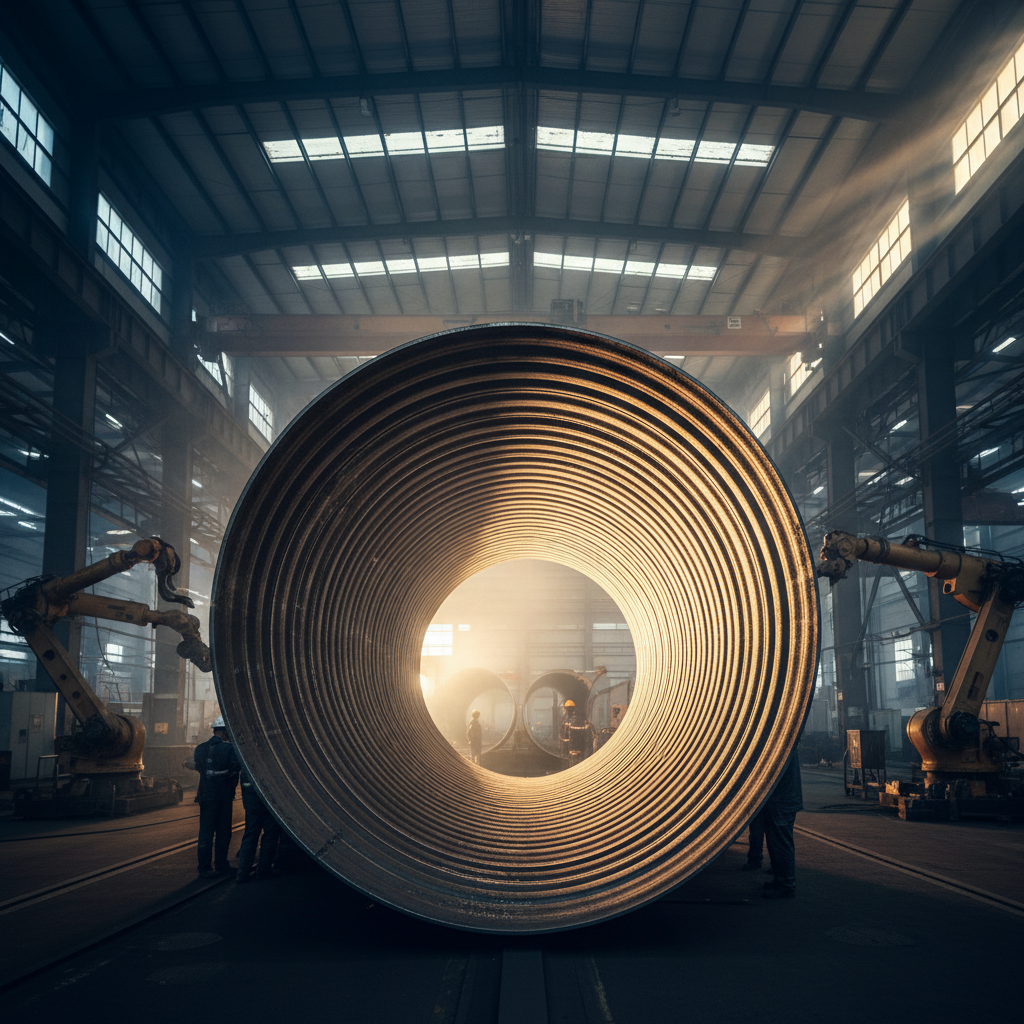
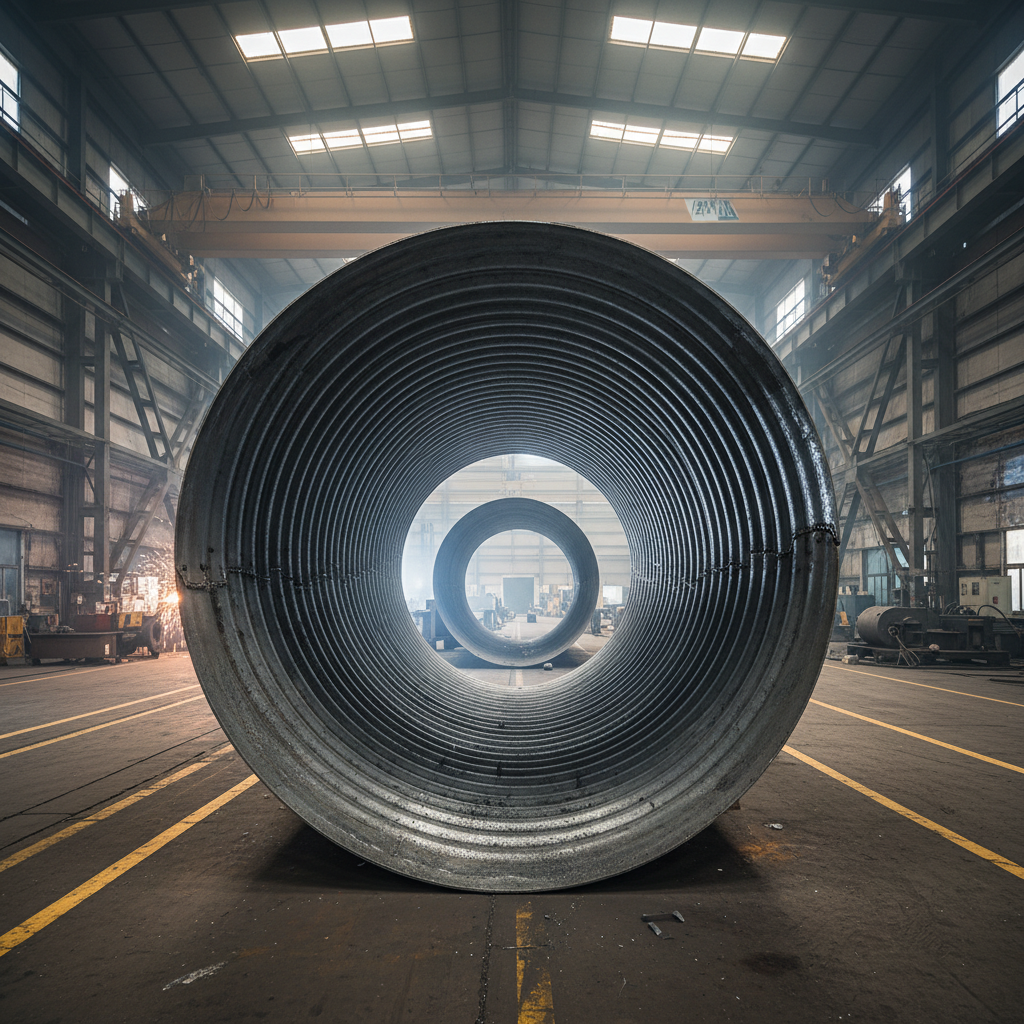
Corrugated steel culvert pipe is a fundamentally important element of modern infrastructure development. Its primary function is to efficiently channel water flow beneath various obstructions, such as roadways, railway lines, and embankments. The corrugated design provides exceptional structural strength, allowing the pipe to withstand significant external loads and resist deformation, a key factor in ensuring long-term performance.
Beyond its structural integrity, corrugated steel culvert pipe offers environmental benefits. By preventing erosion and directing water flow, it protects waterways and surrounding habitats. The steel itself is a highly recyclable material, aligning with sustainable construction practices. This makes it a responsible choice for projects seeking to minimize their environmental footprint.
FAQS
The lifespan of a corrugated steel culvert pipe can vary significantly depending on several factors, including coating type, soil conditions, and hydraulic loading. However, with proper installation and appropriate protective measures, a well-maintained installation can readily last 75 to 100 years, and in some cases, even longer. Regular inspections and timely maintenance are key to maximizing its longevity, ensuring continued reliable performance throughout its service life.
While initial material costs may sometimes be comparable, corrugated steel culvert pipe often proves to be more cost-effective over the long term. Installation is typically faster and requires less specialized equipment, reducing labor costs. Furthermore, the lighter weight of steel pipes minimizes transportation expenses, and their durability translates to lower maintenance and replacement costs compared to concrete structures, which can be susceptible to cracking and deterioration.
Several coating systems are commonly used to protect corrugated steel culvert pipe from corrosion. These include galvanized coatings, which provide a sacrificial layer of zinc, and polymer coatings, such as epoxy or polyethylene, which create a barrier between the steel and the surrounding environment. The selection of the appropriate coating depends on factors like soil pH, water quality, and exposure to de-icing salts. Dual coating systems, combining galvanization and a polymer coating, offer superior protection in highly corrosive environments.
Yes, corrugated steel culvert pipe is often an excellent choice for environmentally sensitive areas. Its installation typically requires minimal site disturbance compared to concrete structures. The steel itself is a recyclable material, promoting sustainability. Furthermore, the pipes can be designed to maintain natural stream flow and minimize impacts on aquatic ecosystems. Appropriate erosion control measures should always be implemented during and after installation.
Corrugated steel culvert pipe is available in a remarkably wide range of sizes to accommodate diverse project requirements. Circular pipes typically range from a few inches in diameter to over 120 inches. Elliptical, arch, and pipe arch configurations offer even greater flexibility in size and shape. Manufacturers can often customize pipe dimensions to meet specific site conditions and hydraulic demands, ensuring an optimal fit for any application.
Installation of corrugated steel culvert pipe typically involves trenching, bedding preparation, and proper alignment. A well-compacted bedding layer is crucial for providing support and preventing differential settlement. Connections between pipe sections are made using couplers or bandings. Installation considerations include ensuring adequate slope for drainage, preventing erosion around the pipe inlet and outlet, and adhering to manufacturer's recommendations for handling and assembly. Proper compaction is critical throughout the installation process.
Conclusion
In conclusion, corrugated steel culvert pipe remains an indispensable element of modern infrastructure, offering a potent combination of durability, cost-effectiveness, and environmental responsibility. From its fundamental role in managing water flow to its adaptability across diverse applications, this technology consistently delivers reliable and sustainable solutions. Its inherent strength, coupled with ongoing innovations in materials and installation techniques, ensures its continued relevance in addressing the challenges of a changing world.
Looking ahead, the integration of smart technologies and a heightened focus on sustainability will further enhance the value of corrugated steel culvert pipe. Continued research and development, coupled with a commitment to responsible manufacturing practices, will ensure that this essential component of our infrastructure remains at the forefront of innovation, safeguarding communities and protecting our environment for generations to come. To learn more about how corrugated steel culvert pipe can benefit your project, visit our website: www.benkoometal.com.