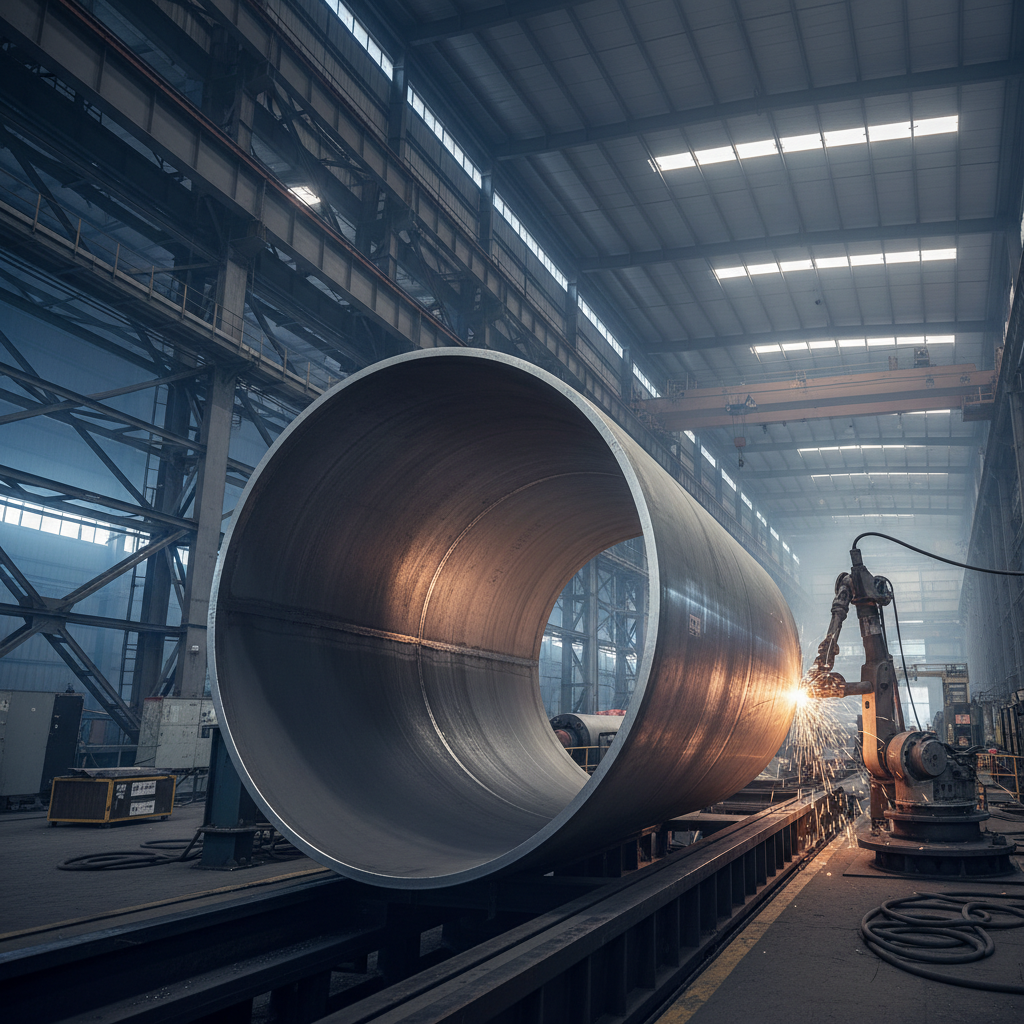
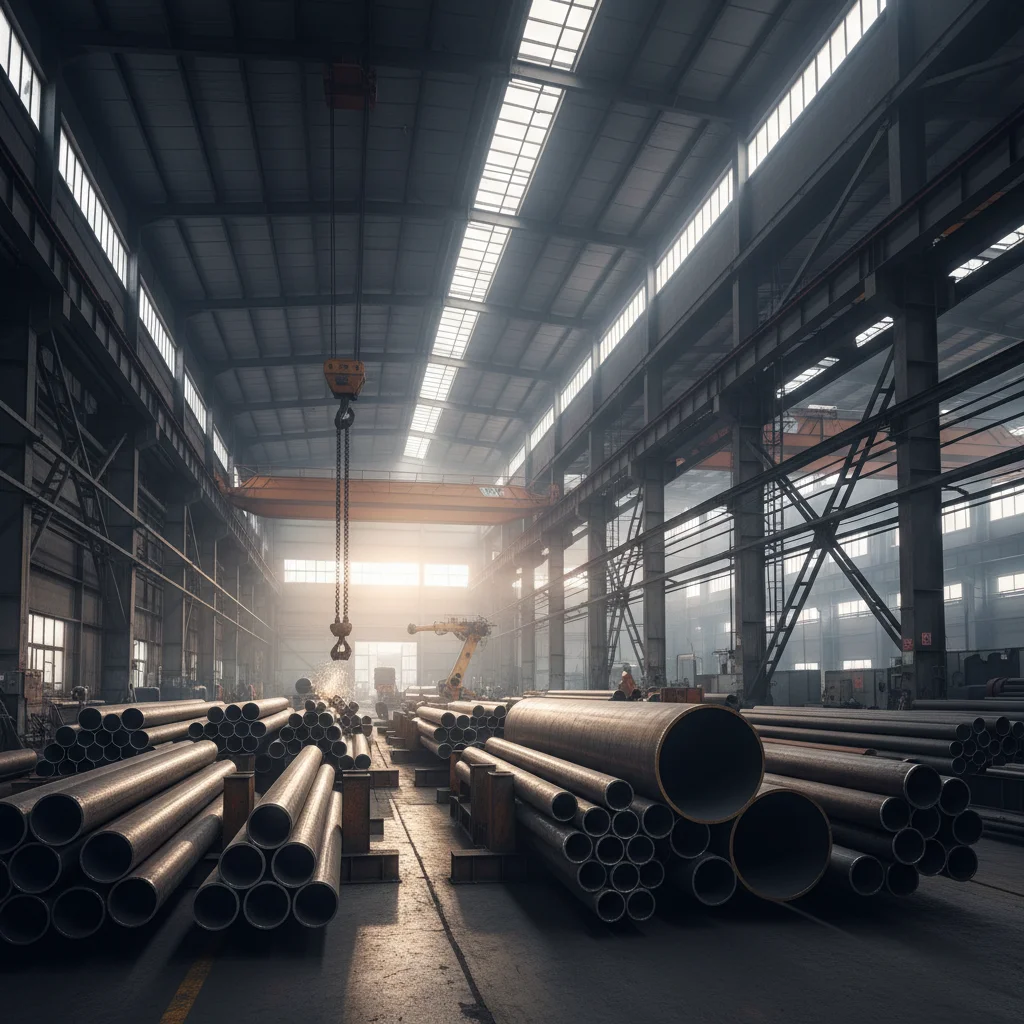
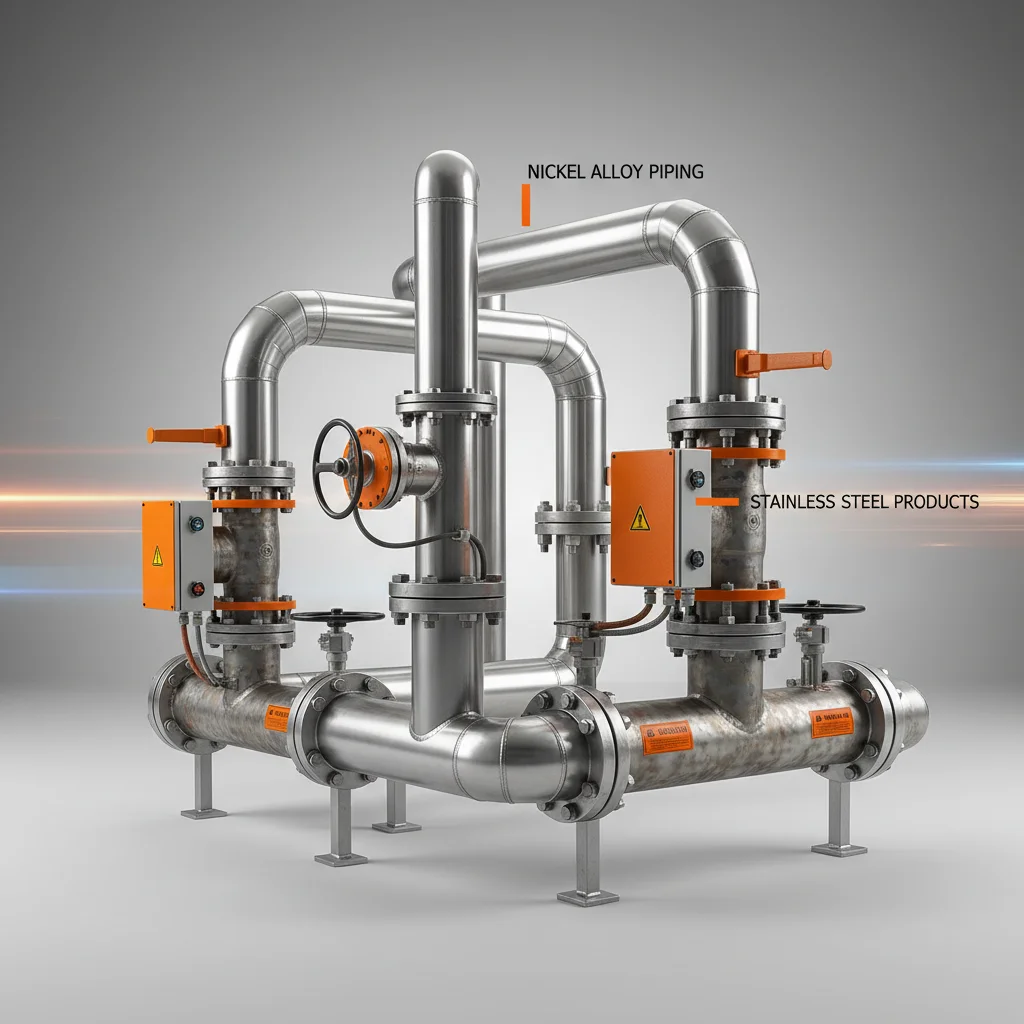
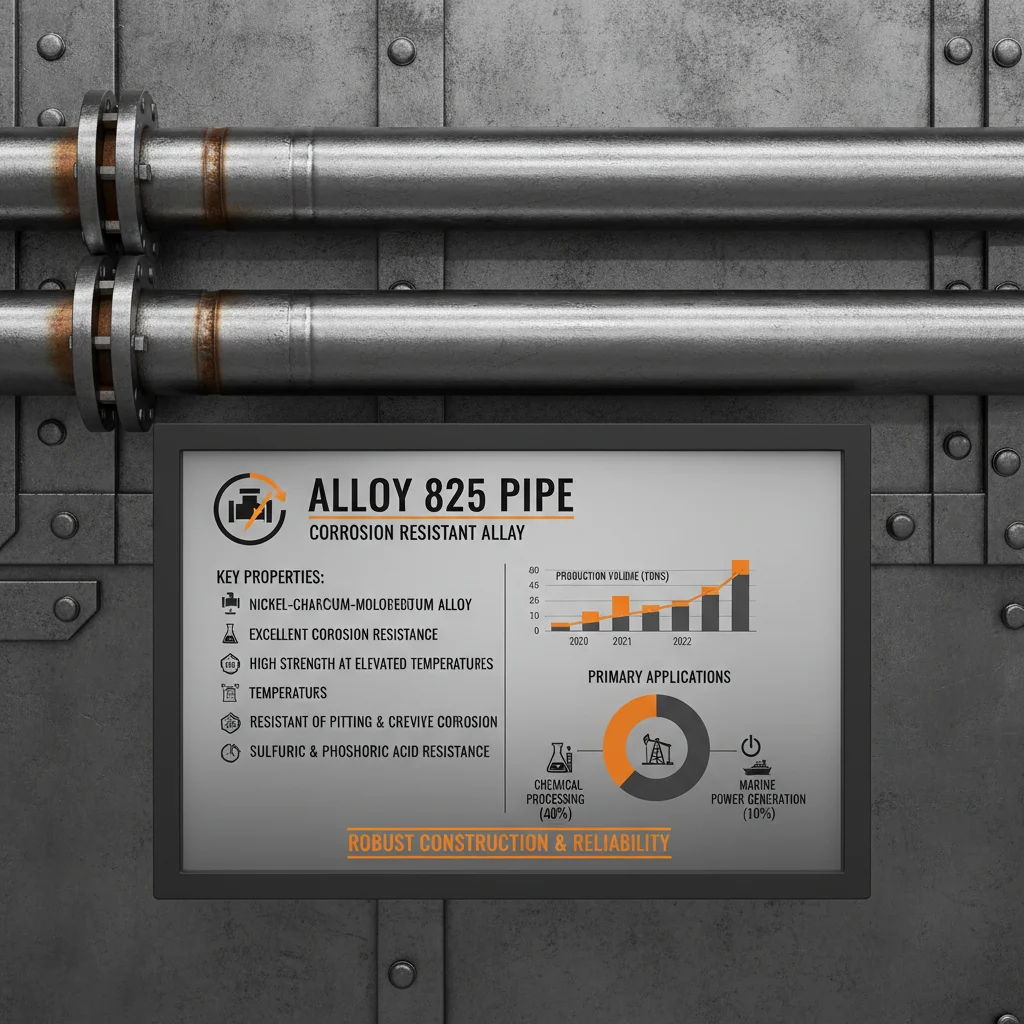
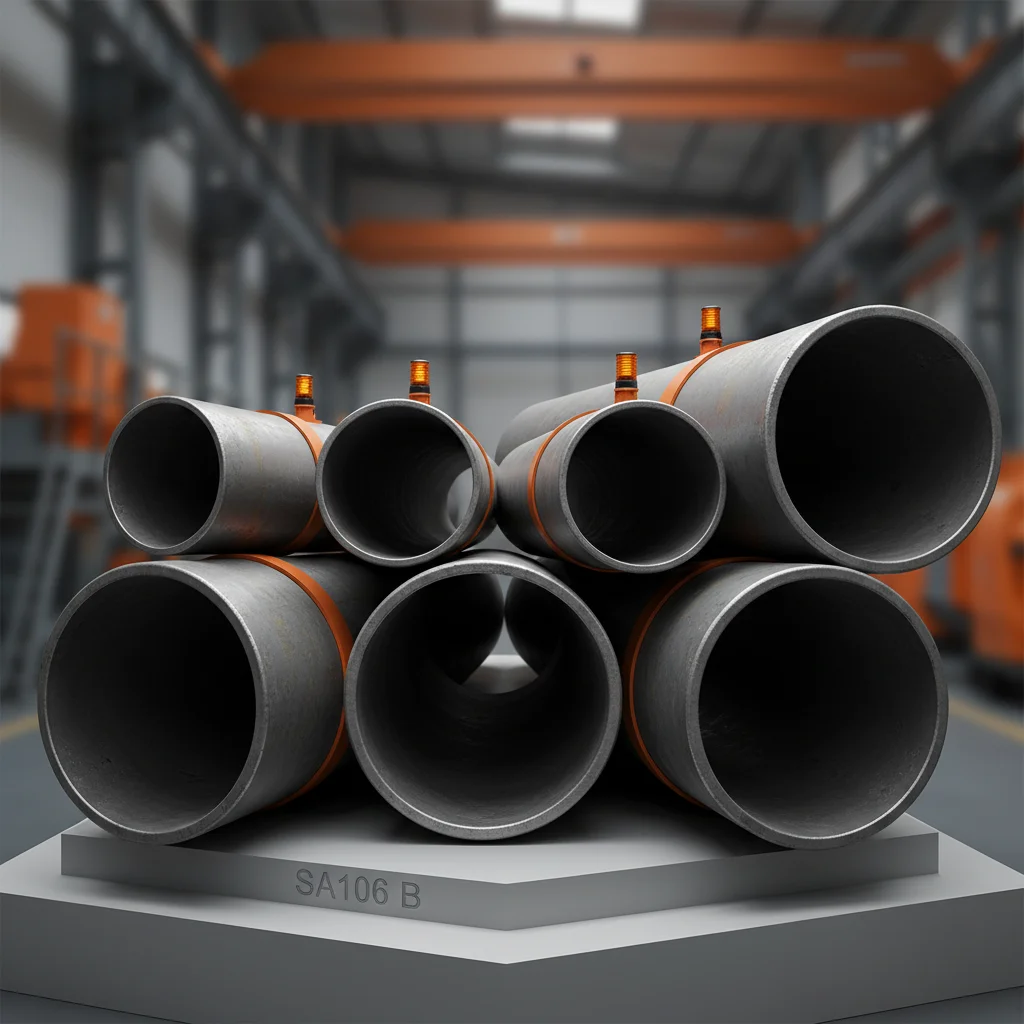
Duplex steel pipe represents a significant advancement in materials science, offering a unique combination of strength, corrosion resistance, and weldability. Its growing importance stems from increasingly demanding applications across various industries, from oil and gas to chemical processing and marine engineering. Understanding the intricacies of duplex steel pipe is crucial for engineers, designers, and professionals seeking durable and reliable solutions for challenging environments.
Globally, the demand for duplex steel pipe is rising due to the need for infrastructure that can withstand harsh conditions and minimize maintenance costs. The World Bank estimates that global infrastructure spending will reach $94 trillion by 2040, with a significant portion requiring corrosion-resistant materials. Duplex stainless steels provide a cost-effective alternative to high-alloy austenitic stainless steels and other specialty alloys, becoming increasingly vital for sustainable development.
The increasing prevalence of offshore projects, coupled with stringent environmental regulations, drives the adoption of duplex steel pipe. Its superior performance characteristics, particularly in chloride-containing environments, make it an ideal choice for applications where failure could lead to catastrophic consequences or substantial economic losses.
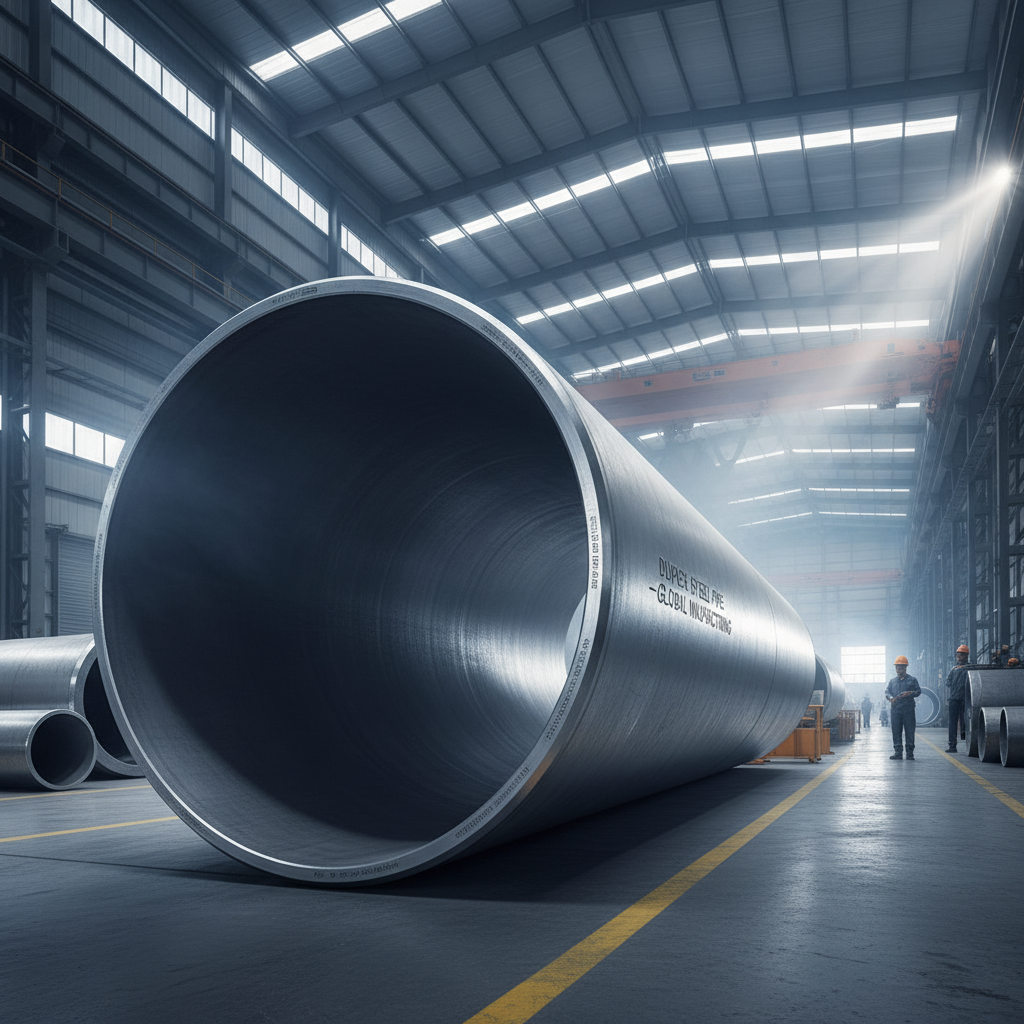
Introduction to Duplex Steel Pipe
Duplex steel pipe, as the name suggests, possesses a microstructure comprised of both austenite and ferrite phases in roughly equal proportions. This unique composition is key to its exceptional properties, notably its high strength and resistance to various forms of corrosion, including pitting, crevice, and stress corrosion cracking. The balance between these phases provides a synergy that surpasses the capabilities of either phase acting alone.
The development of duplex steel pipe was driven by the need for materials that could perform reliably in increasingly aggressive environments. Traditional austenitic stainless steels, while possessing excellent corrosion resistance, can be susceptible to chloride stress corrosion cracking and have lower mechanical strength. Duplex steels address these limitations, making them invaluable in industries where safety and longevity are paramount.
Defining Duplex Steel Pipe
Duplex steel pipe refers to a family of stainless steels characterized by a two-phase microstructure of austenite and ferrite. Unlike conventional austenitic stainless steels that are primarily composed of austenite, or ferritic stainless steels dominated by ferrite, duplex steels maintain a balance of both. This is achieved through careful control of chemical composition, specifically the addition of elements like chromium, nickel, and molybdenum, along with precise thermal processing.
The proportion of austenite and ferrite typically falls within the range of 30-80% for each phase. The specific composition dictates the final properties of the pipe, with variations tailored to specific applications. Different grades, such as 2205 (UNS S31803), 2507 (UNS S32750), and others, offer varying levels of strength, corrosion resistance, and weldability.
Duplex steel pipe plays a crucial role in modern industry, particularly in sectors demanding high reliability and long service life. From transporting corrosive fluids in the chemical industry to providing structural support in offshore platforms, this material is essential for maintaining operational efficiency and minimizing environmental risks.
Core Characteristics of Duplex Steel Pipe
The defining characteristic of duplex steel pipe is its superior strength, often exceeding that of comparable austenitic stainless steels. This higher strength allows for thinner pipe walls, reducing material costs and overall weight, particularly advantageous in applications like offshore pipelines. The combination of austenite and ferrite contributes to improved toughness and resistance to brittle fracture.
Corrosion resistance is another hallmark of duplex steel pipe. The high chromium content, coupled with the presence of molybdenum, forms a passive layer that protects the steel from a wide range of corrosive agents. Crucially, it exhibits exceptional resistance to pitting and crevice corrosion in chloride-rich environments, making it ideal for marine applications and chemical processing.
Duplex steel pipe also offers good weldability, although proper welding procedures are essential to maintain the desired microstructure and avoid the formation of detrimental phases. The lower thermal expansion coefficient compared to austenitic stainless steels reduces residual stresses during welding, minimizing the risk of cracking.
Key Performance Indicators of Duplex Steel Pipe
Assessing the performance of duplex steel pipe requires evaluating several key indicators. Yield strength, for instance, is typically significantly higher than that of austenitic stainless steels, often exceeding 300 MPa. Tensile strength, reflecting the material’s resistance to breaking under tension, commonly reaches 500 MPa or higher.
Corrosion rates, measured through tests like salt spray testing and immersion tests, demonstrate the superior resistance of duplex steel pipe in various corrosive environments. A critical parameter is the Pitting Resistance Equivalent Number (PREN), a calculated value that predicts the material’s susceptibility to pitting corrosion; higher PREN values indicate greater resistance.
Duplex Steel Pipe Performance Comparison
Global Applications of Duplex Steel Pipe
Duplex steel pipe finds widespread application in the oil and gas industry, particularly in subsea pipelines, manifolds, and wellhead equipment. Its resistance to chloride-induced stress corrosion cracking is critical in these harsh marine environments. Significant projects utilizing duplex steel pipe include pipelines in the North Sea, the Gulf of Mexico, and offshore Brazil.
The chemical processing industry relies heavily on duplex steel pipe for transporting corrosive fluids, such as acids, alkalis, and brines. Its resistance to a broad range of chemicals ensures the integrity of the process and minimizes the risk of leaks or failures. Power generation plants, desalination facilities, and pulp and paper mills also benefit from its corrosion resistance.
Advantages and Long-Term Value of Duplex Steel Pipe
Investing in duplex steel pipe offers significant long-term advantages, beginning with reduced lifecycle costs. While the initial cost may be higher than that of conventional carbon steel or austenitic stainless steel, the extended service life and reduced maintenance requirements translate into substantial savings over time. The minimized risk of corrosion-related failures eliminates costly downtime and repairs.
Furthermore, duplex steel pipe contributes to enhanced safety and environmental sustainability. By preventing leaks and failures, it reduces the potential for hazardous material releases and minimizes environmental impact. The durability and longevity of the material also align with principles of sustainable infrastructure development.
Future Trends in Duplex Steel Pipe Technology
Ongoing research and development efforts are focused on enhancing the properties of duplex steel pipe further. This includes exploring new alloying compositions to improve corrosion resistance, particularly in extremely aggressive environments. The development of super-duplex stainless steels with even higher PREN values is a key area of investigation.
Advanced manufacturing techniques, such as additive manufacturing (3D printing), are being explored to create complex pipe geometries and reduce material waste. Digitalization and sensor technologies are also playing a role, enabling real-time monitoring of pipe condition and predictive maintenance.
The growing emphasis on sustainable materials and circular economy principles will drive the development of duplex steel pipe with higher recycled content and improved recyclability. This aligns with the broader industry trend towards reducing environmental impact and promoting responsible resource management.
A Comparative Analysis of Duplex Steel Pipe Grades
| Grade |
PREN Value |
Typical Application |
Weldability Rating (1-10) |
| 2205 (UNS S31803) |
32-33 |
Chemical Processing, Oil & Gas |
8 |
| 2507 (UNS S32750) |
39-40 |
Offshore Pipelines, Desalination |
7 |
| 2304 (UNS S32304) |
28-29 |
Pulp & Paper, Water Treatment |
9 |
| 2101 (UNS S32101) |
25-26 |
Tank Construction, Structural Components |
8 |
| 2704 (UNS S32704) |
42-43 |
Extreme Corrosion Environments |
6 |
| 2906 (UNS S32906) |
45-46 |
Highly Corrosive Oil & Gas Applications |
5 |
FAQS
Duplex steel pipe significantly outperforms carbon steel in offshore environments due to its superior corrosion resistance, particularly to chloride-induced stress corrosion cracking. This reduces the risk of leaks and failures, extending pipeline lifespan and minimizing maintenance costs. Additionally, its higher strength allows for thinner wall thicknesses, reducing weight and material expenses, making it a cost-effective long-term solution.
Welding duplex steel pipe requires careful control of parameters to maintain its microstructure and prevent the formation of detrimental phases, such as sigma phase. Proper preheating, interpass temperature control, and post-weld heat treatment are crucial. Selecting appropriate welding consumables and employing qualified welders are also essential to ensure the integrity and performance of the welded joint.
PREN is a calculated value used to predict the resistance of stainless steels, including duplex steels, to pitting corrosion in chloride-containing environments. A higher PREN indicates greater resistance. For duplex steel pipe, particularly in marine applications or chemical processing, a higher PREN is crucial to prevent localized corrosion and ensure long-term reliability.
While incredibly versatile, duplex steel pipe can be more expensive upfront than carbon steel. Welding requires specialized expertise, and the material can be susceptible to hydrogen embrittlement under certain conditions. Furthermore, it’s crucial to select the appropriate grade of duplex steel pipe based on the specific corrosive environment to ensure optimal performance.
Duplex steel pipe promotes sustainability through its extended service life, reducing the need for frequent replacements and minimizing material consumption. Its corrosion resistance minimizes the risk of leaks and environmental contamination. Furthermore, its durability contributes to infrastructure resilience, reducing lifecycle costs and environmental impact.
Super duplex stainless steel (like 2507) offers significantly higher PREN values and strength, making it ideal for extremely corrosive environments where standard duplex steel (like 2205) may fall short. Typical applications include oil and gas production in highly saline conditions, chemical processing involving strong acids, and desalination plants where high chloride concentrations are present.
Conclusion
Duplex steel pipe represents a pivotal advancement in materials engineering, offering an unparalleled blend of strength, corrosion resistance, and weldability. Its adaptability to challenging environments across diverse sectors – from oil and gas to chemical processing – underscores its importance in modern infrastructure. By understanding its unique properties and advantages, engineers and professionals can build more durable, reliable, and sustainable systems.
As technological advancements continue, the future of duplex steel pipe looks promising. Continued research into new alloys, manufacturing techniques, and predictive maintenance strategies will further enhance its performance and expand its application scope. Investing in duplex steel pipe isn't just a material choice; it’s a commitment to long-term reliability, safety, and environmental responsibility. For more information or to discuss your specific needs, visit our website: www.benkoometal.com