
Honestly, these days everyone's talking about going lighter, stronger, more corrosion resistant. It’s all about pushing the boundaries, right? Especially in the pipeline world. We’re seeing a huge push for duplex pipe – you can’t swing a wrench on a site without hearing about it. And it’s not just hype, it actually does deliver. I’ve been running around job sites all year, and it's becoming the default for a lot of applications.
But don't get me wrong, it's not a magic bullet. People think they can just swap out their old carbon steel with duplex and everything will be sunshine and roses. There are pitfalls. Plenty of them. Have you noticed how many guys don’t understand the proper welding procedures? It’s a nightmare. You get cracking, corrosion… the whole thing falls apart. It’s not just ‘weld it and forget it’ like some of the older materials. It requires skill, and frankly, a lot of people are cutting corners.
And the material itself… It’s different. It feels colder, more metallic. I encountered this at a factory in Shandong province last time – they were having trouble with machinability. It gums up the tools faster. The smell during cutting is also…distinctive. Not unpleasant, just…different. Like metal shavings mixed with something almost sweet. You get used to it, I guess.
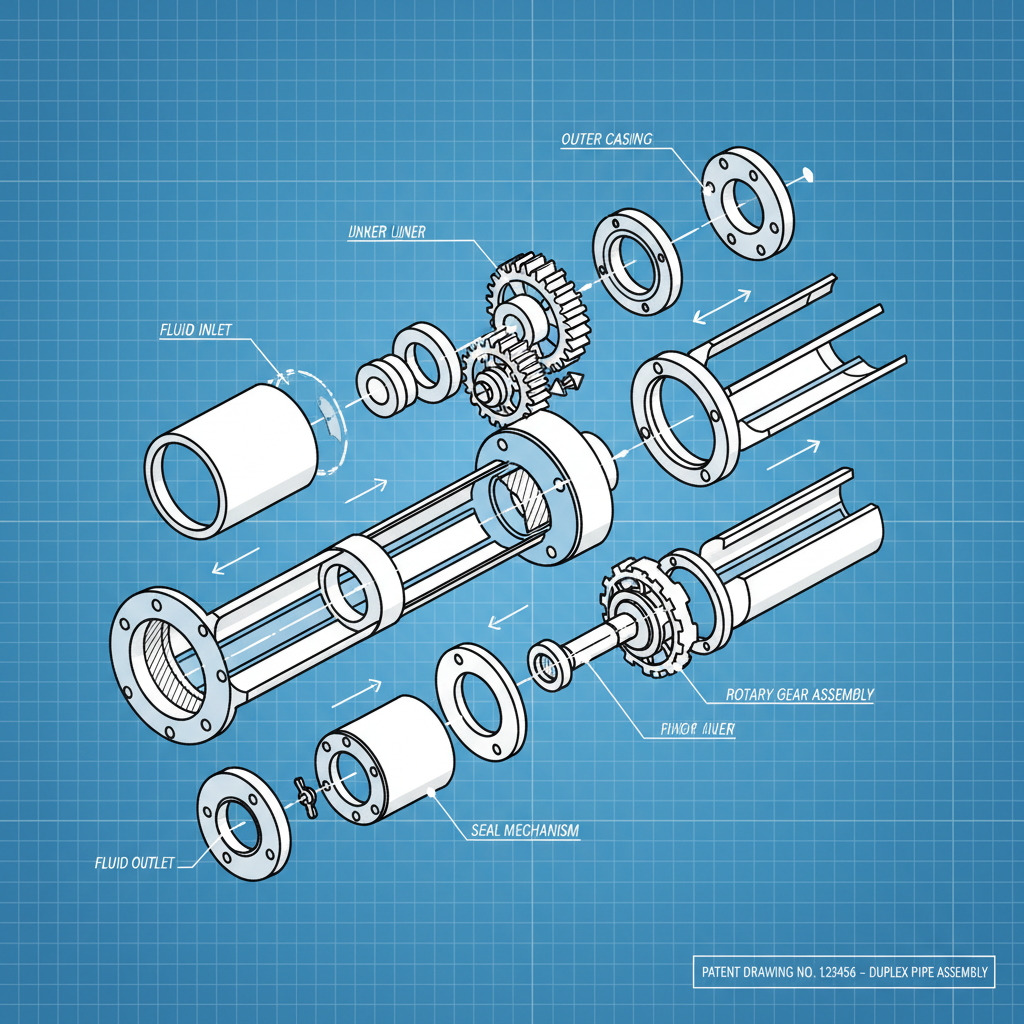
The Current Landscape of Duplex Pipe
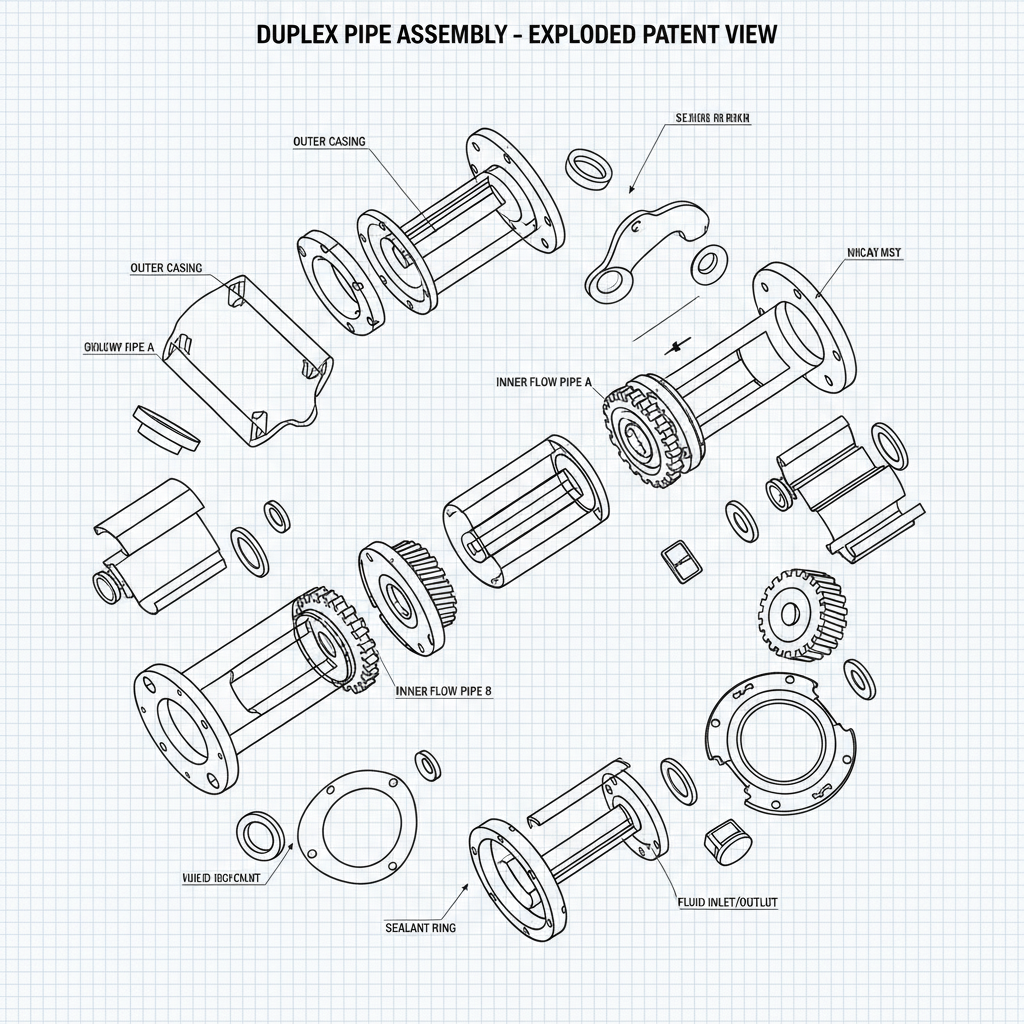
The biggest trend right now is, without a doubt, offshore oil and gas. Everything’s going deeper, harsher environments, and carbon steel just can’t cut it anymore. Duplex and super duplex are becoming mandatory. But it's not just offshore. We're seeing it creep into chemical processing, desalination plants, even power generation. Anything where corrosion is a major issue, really. It's a response to increasingly stringent regulations and the cost of downtime.
Strangely enough, a lot of the drive is coming from sustainability concerns. Less maintenance, longer lifespan… it all adds up to a smaller environmental footprint. Companies are realizing that investing in better materials upfront is cheaper than constantly repairing or replacing corroded pipes. And that's a message that resonates with everyone.
FAQS
Honestly, it boils down to corrosion resistance and strength. Carbon steel rusts, plain and simple. Duplex holds up in harsh environments, especially those with chlorides. Plus, it’s stronger for the same weight, meaning less material and lower support costs. It’s usually worth the extra upfront cost in the long run, especially for offshore or chemical processing applications. You avoid constant repairs and downtime.
Welding is the tricky part. You need highly skilled welders who are certified for duplex alloys. The interpass temperature needs to be controlled carefully to avoid sensitization and cracking. And you absolutely need to use the correct filler metal. Using the wrong rod will ruin the weld, guaranteed. It's just more finicky than welding carbon steel.
Not always. While duplex has good strength, its corrosion resistance can decrease at elevated temperatures. You need to consider the specific alloy and the temperature range. Super duplex alloys are better suited for higher temperatures than standard 2205 duplex. Always check the material specifications to ensure it's appropriate for your application.
Galvanic corrosion is a real concern. You need to electrically isolate the duplex pipe from the dissimilar metal using insulating flanges or sleeves. You can also use a sacrificial anode to protect the duplex pipe. Careful material selection and proper design are key to preventing this issue.
That’s a tough one. It depends on the application and the environment. But generally, you can expect a duplex pipe system to last significantly longer than a carbon steel system – often 20-30 years or more. Proper maintenance and regular inspections are crucial to maximizing its lifespan.
Absolutely. You can apply coatings like epoxy or polyethylene to enhance corrosion resistance or improve flow characteristics. Linings, like PTFE, can be used for highly corrosive fluids. However, make sure the coating or lining is compatible with the duplex alloy and the operating conditions.
Conclusion
Ultimately, duplex pipe is a powerful material, offering a compelling combination of strength, corrosion resistance, and durability. It's not a magic solution, and it requires careful design, proper installation, and regular maintenance. But when used correctly, it can save you a lot of headaches and money in the long run. It’s become the workhorse for many demanding applications.
Look, at the end of the day, all the charts and specifications in the world don't matter if the pipe doesn't hold up in the field. Whether this thing works or not, the worker will know the moment he tightens the screw. And that's the only test that truly counts.
Related Posts
-
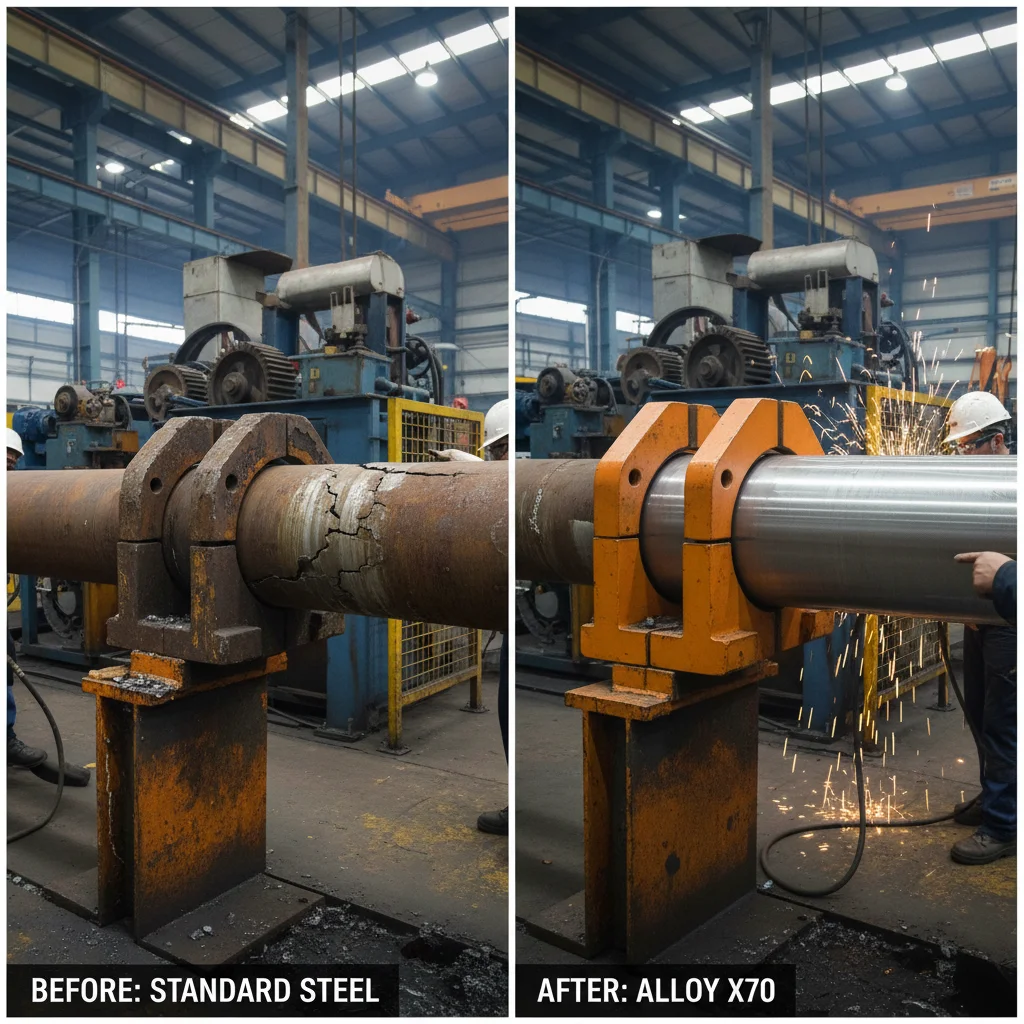
Understanding Pipe Steel Grades for Infrastructure and Pipeline Applications
-
Exploring the Advantages and Applications of Duplex Steel Tube
-
Navigating the Nuances of Specialized Titanium Pipe Fittings and Applications
-
What Makes China Leading ASTM A106 GR.B Pipe Exporter a Key Exhibitor at Tube & Wire Düsseldorf 2026?