0%

Table of Contents

To be honest, these days everyone’s talking about moving to more specialized titanium pipe fittings. It’s not just about the material itself, it’s about the specific alloys and how they’re manufactured. Everyone wants higher corrosion resistance, better strength-to-weight ratios… but, have you noticed, a lot of designers get caught up in the specs and forget about the actual installation? I was at a factory in Ningbo last month, and they designed a fitting with these incredibly tight tolerances. Looked beautiful on paper, but the guys on the line couldn’t even get the wrenches on properly. A complete nightmare.

It's funny, you spend years dealing with standard stainless steel, you get a feel for the material – the weight, the way it reacts to heat, even the smell when you’re welding. Then you switch to titanium, and it’s… different. Lighter, of course, but it gums up the cutting tools something fierce if you’re not careful. And the dust – that’s a whole other story. You’ve gotta have proper ventilation, seriously. It’s not something you want to be breathing in all day.

Anyway, I think the biggest shift is the demand for traceability. Clients aren’t just asking for certifications anymore, they want to know exactly where every bit of the titanium came from, how it was processed, who handled it. It's a pain, but it’s the direction things are going.
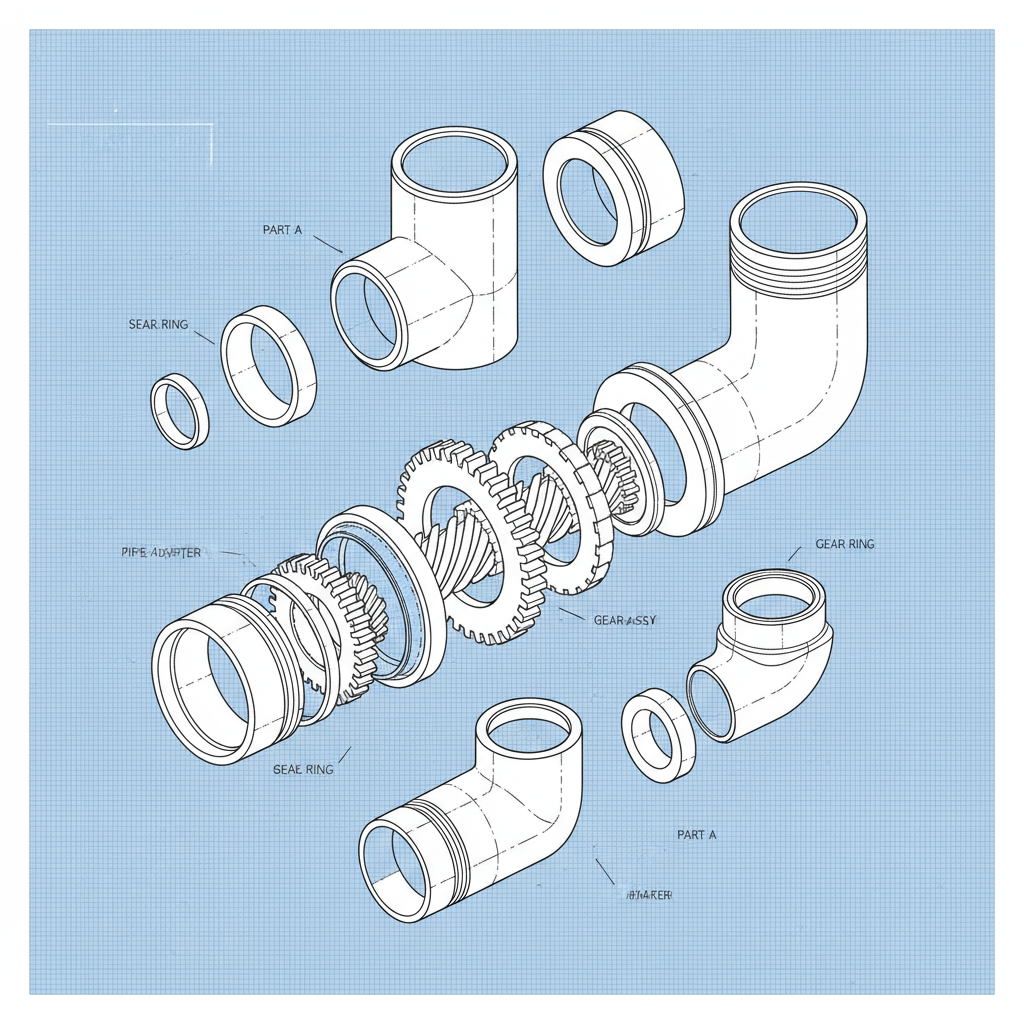
titanium pipe fittings

The Rising Tide of Specialized Titanium Pipe Fittings
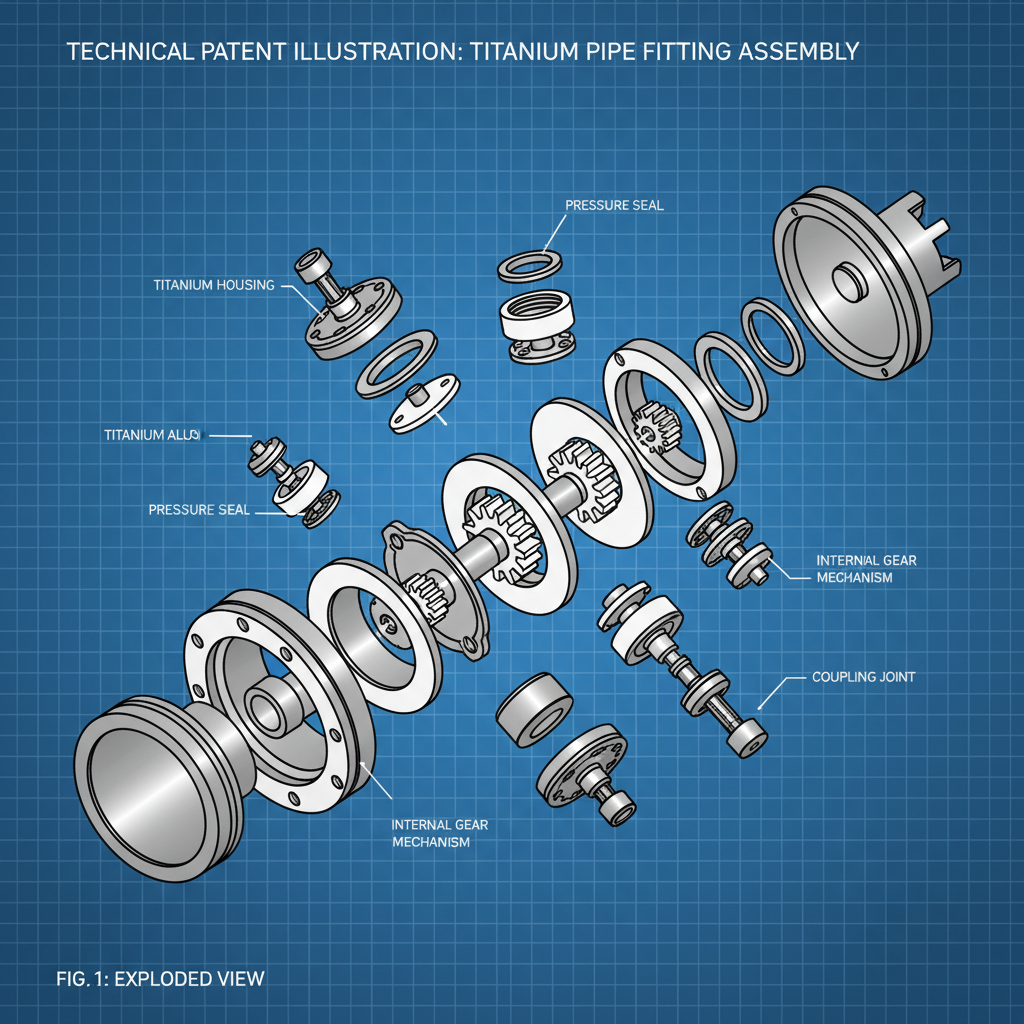
titanium pipe fittings

Strangely enough, it used to be all about cost. Get the cheapest fitting that’d hold up. Now, everyone’s chasing specific properties. High-purity titanium for medical applications, different alloy blends for offshore oil rigs… even down to the surface finish. They're trying to reduce biofouling on marine fittings. It’s not just about strength anymore, it’s about long-term performance in incredibly harsh environments. And that drives the demand for these more specialized fittings, which, naturally, drives up the price.

But here's the thing, a lot of these specialized fittings aren't really that much better in practice. They’re better on paper, sure, but if the installation is sloppy, or the surrounding system isn't properly maintained, you’re wasting your money.

Design Pitfalls & On-Site Realities

I encountered this at a petrochemical plant in Texas last time. The engineers designed a titanium fitting with a complex internal geometry, thinking it’d improve flow. It looked fantastic in the simulation, but it created a dead zone where sediment could build up. Result? Frequent clogging, and a lot of downtime. They had to redesign the whole thing. It’s a classic example of over-engineering, I think. You've got to keep it simple, especially when you’re dealing with something that’s going to be exposed to real-world conditions.

And another thing – thread design. A lot of designers don’t understand the nuances of threading titanium. It’s softer than steel, so you need wider threads and a different sealant. If you use the wrong stuff, you’ll strip the threads in no time.

It's all well and good to have CAD drawings and stress analyses, but at the end of the day, it has to be something that a guy with a wrench can actually work with.

The Feel of the Material: Handling Titanium

The biggest difference, honestly, is the weight. It's so much lighter than steel, which is great, but it also feels less substantial. It takes some getting used to. You can't rely on the weight of the fitting to hold things in place. You need to be more careful with your torque settings.

And the surface. It's reactive, so it can pick up contaminants easily. You need to handle it with clean gloves, and store it properly. Leaving it exposed to the air can cause oxidation, which can affect the weldability. It’s not a big deal in the short term, but if it’s been sitting around for months, you’re going to have problems. I remember one time, we had a batch of fittings that had been stored in a damp warehouse… the welds were brittle as anything.

You also have to be careful with abrasion. Titanium is tough, but it’s not immune to scratching. A seemingly minor scratch can create a stress concentration point, which can lead to cracking. It's a detail a lot of people overlook.

Real-World Testing: Beyond the Lab

Look, lab tests are fine, but they don’t tell you everything. I’ve seen fittings pass every lab test imaginable, and then fail miserably on the job site. You need to test things in realistic conditions. Pressure cycling, temperature fluctuations, exposure to corrosive chemicals… all that stuff.

Titanium Pipe Fitting Performance Metrics

How Users Actually Employ Titanium Fittings

It's not always what the engineers intend, you know? I've seen guys use titanium fittings as makeshift adapters, or even as spacers. They’re resourceful, these guys. And sometimes, they’ll repurpose old fittings for new applications, even if it’s not ideal.

And the maintenance… well, let's just say it's often neglected. They’ll install the fittings, and then forget about them until something goes wrong. Which is why you see so many failures.

The Good, The Bad, and the Customizable

The biggest advantage, obviously, is corrosion resistance. You can throw titanium fittings into almost any environment, and they’ll hold up. That's why they’re so popular in marine applications and chemical processing plants. They're also lightweight, which is a plus in aerospace and automotive applications.

But they're expensive. And they’re difficult to machine. And they can be prone to galling if they’re not properly lubricated. And, honestly, a lot of the performance gains are only noticeable in very specific applications. For a simple plumbing system, you’re probably better off with stainless steel.

As for customization, yeah, you can get pretty much anything you want, if you’re willing to pay for it. Last year, we had a client who needed a titanium fitting with a custom thread pattern for a research project. It cost a fortune, but they got exactly what they needed.

A Shenzhen Story & Material Comparisons

Last month, that small boss in Shenzhen who makes smart home devices insisted on changing the interface to for a titanium fitting, and the result was a complete mess. He thought it'd make his product "more modern," but the tolerances were all off, and the fitting wouldn't mate properly. He ended up scrapping a whole batch of parts. Lesson learned, I guess.

Now, when you’re comparing materials, you've got to look at the whole picture.

Titanium Fitting Material Comparison: Key Performance Indicators

Material Type Corrosion Resistance (1-10) Strength-to-Weight Ratio Manufacturing Cost (Relative)
Commercial Grade Titanium (Grade 2) 9 7 Medium
Titanium Alloy (Grade 5) 8 8 High
Titanium Alloy (Grade 7) 7 6 Medium-High
Stainless Steel (316) 6 5 Low
Nickel Alloy (Inconel 625) 9 6 Very High
Aluminum Alloy (7075) 4 9 Low

FAQs

What’s the biggest misconception about titanium pipe fittings?

People think they’re indestructible. They’re incredibly corrosion resistant, sure, but they’re still susceptible to mechanical damage, like scratches and dents. And, depending on the alloy, they can be vulnerable to certain types of corrosion. Proper installation and maintenance are key, just like with any other material.

How do you prevent galling when installing titanium fittings?

Galling happens when two metal surfaces slide against each other under pressure. With titanium, it's a real concern. The best way to prevent it is to use a proper anti-galling compound, like a molybdenum disulfide-based paste, on the threads. And don’t overtighten! You’ll just make things worse.

What grade of titanium is best for seawater applications?

Grade 2 titanium is generally the go-to for seawater. It has excellent corrosion resistance to chlorides, which is the main culprit in seawater corrosion. Grade 5 is also good, but it’s more expensive and doesn’t offer a significant performance advantage in most seawater applications.

Are titanium fittings compatible with all welding processes?

Not necessarily. You need to be careful about shielding gas contamination. Argon is the preferred shielding gas for titanium welding, but it needs to be ultra-high purity. Contamination with oxygen or nitrogen can lead to brittle welds. TIG welding is generally the most reliable process for titanium.

How do you inspect a titanium fitting for defects?

Visual inspection is a good start, but you really need to use non-destructive testing methods, like dye penetrant inspection or ultrasonic testing, to detect subsurface flaws. A seemingly perfect fitting can have hidden cracks that will eventually lead to failure.

Can titanium fittings be customized with special coatings?

Absolutely. You can apply coatings to enhance their corrosion resistance, reduce friction, or even improve their aesthetic appearance. PVD coatings, like titanium nitride, are popular choices. But be careful – the coating process can affect the mechanical properties of the titanium, so it needs to be done correctly.

Conclusion

So, yeah, titanium pipe fittings are a specialized tool. They’re not a silver bullet, and they’re not always the best choice. But when you need something that can withstand harsh environments and deliver reliable performance, they’re hard to beat. It all comes down to understanding the material, knowing its limitations, and paying attention to the details.

Ultimately, whether this thing works or not, the worker will know the moment he tightens the screw. He’ll feel it – too much resistance, a stripped thread, something just isn’t right. And that’s the most important test of all. Check out Benkoo Metal for a wide range of titanium pipe fittings and expert advice.

Owen Sterling

Owen Sterling

Owen Sterling is a Technical Sales Engineer at BENKOO METAL, dedicated to the Marine & Offshore market. Owen boasts a strong understanding of corrosion-resistant alloys and their applications in harsh marine environments. With a background in Naval Architecture and 5 years of industry experience, he provides technical support and material
Previous Navigating the Challenges and Innovations in Structural Steel Pipe Applications
Next Reliable Duplex Pipe Suppliers for Corrosion Resistant Piping Solutions

If you are interested in our products, you can choose to leave your information here, and we will be in touch with you shortly.

  • captcha