
To be honest, this year’s been… something. Everyone's talking about prefabrication, modular builds. It's not new, mind you, we’ve been nudging towards it for ages, but now? Now it’s like everyone's jumped on the bandwagon. It’s good, it’s really good, streamlines a lot. But have you noticed, half the time the designs are just… impractical? Architects drawing up things that look fantastic on paper, but completely ignore how a bloke with a wrench is actually going to assemble it on a muddy building site. It's frustrating.
I spent three weeks last month at that steel fabrication plant in Jiangsu province, overseeing a particularly large order of structural steel components. The smell of cutting oil and hot metal gets in your clothes, stays with you for days. That steel, specifically Q345, is workhorse stuff. Strong, weldable… but it needs proper corrosion protection, or it'll start weeping rust before you can blink. We've been pushing for more galvanized steel lately. It adds to the upfront cost, naturally, but it saves headaches later on. Seriously, dealing with rust repair is the bane of my existence.
And it's not just the materials themselves. It's the connections. That's where things get tricky. Everything’s got to be aligned, tolerances have to be precise. I encountered this at a factory in Zhejiang last time, they were using these new self-tapping screws for joining the paneling, looked great in the showroom. But on site, they stripped the threads in the aluminum framing half the time. Back to rivets, I tell ya. Old reliable.
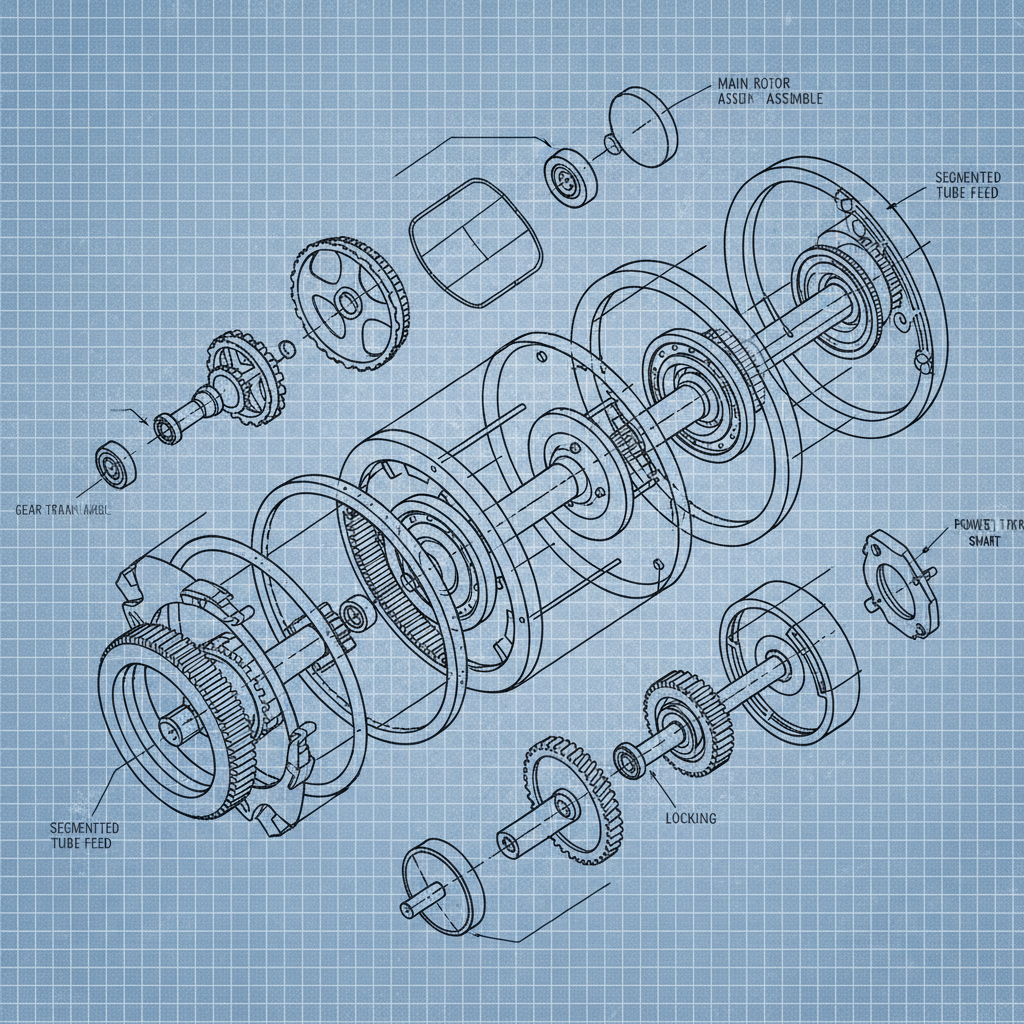
The Rise of Prefabrication and Design Challenges
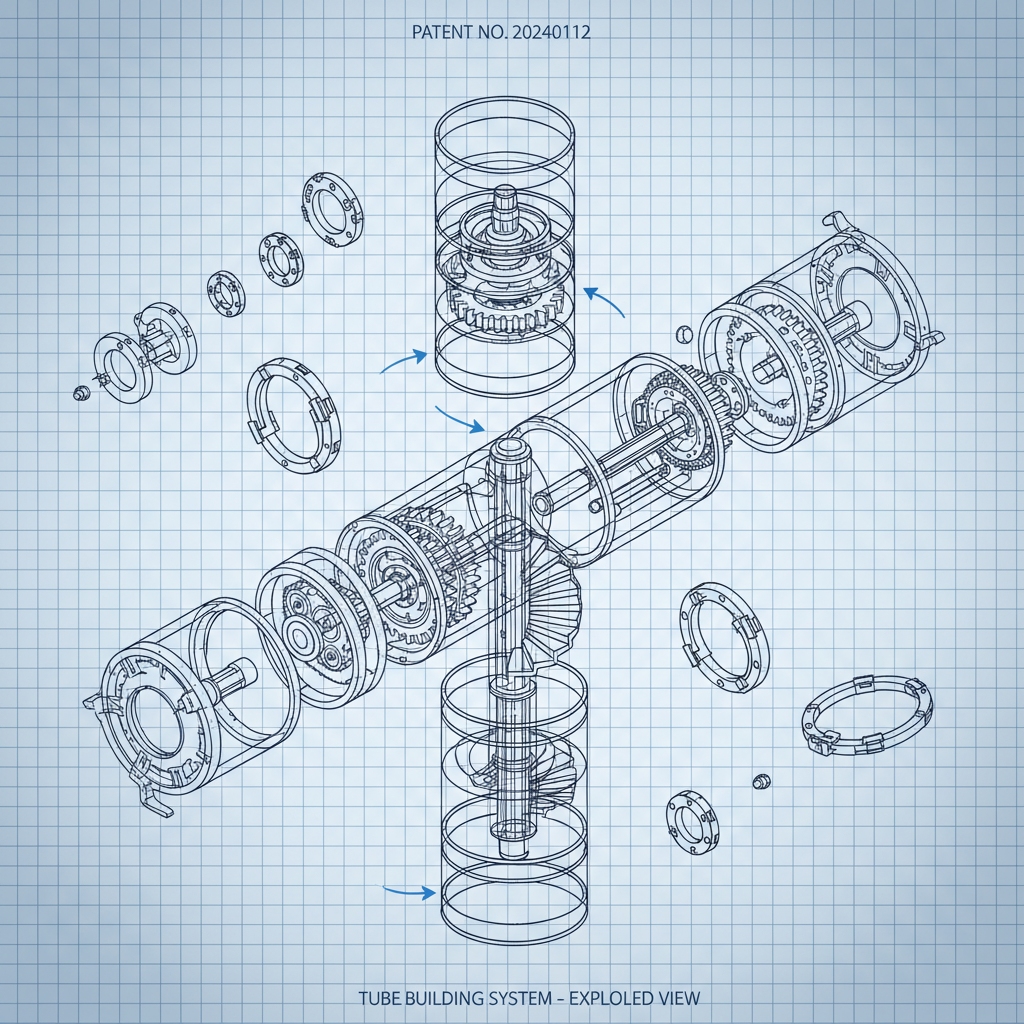
Prefabrication is huge now, seriously. Everybody wants it. Faster build times, less on-site labor… sounds great, right? But I’ve seen so many designs that are theoretically beautiful but utterly impractical for assembly. It’s like they forget about bolt holes needing to actually line up, or access for tightening things. Strangely, the more 'innovative' the design, the more likely it is to have these basic flaws.
Then there’s the transport issue. You design these massive panels, thinking you’ve optimized material use, but then you realize getting it to site is a logistical nightmare. Over-width loads, specialized transport, permits… it adds up. It’s a balancing act, you know? Optimizing for manufacturing and for the realities of construction.
FAQS
That depends entirely on the environment and maintenance. With proper corrosion protection and regular inspections, you can easily get 50-75 years out of a well-built steel structure. We’ve seen some that are over a century old! But neglect it, and you’ll be chasing rust and dealing with structural issues much sooner. It’s a commitment, really.
Upfront costs can be higher for steel, especially with current material prices. But you have to factor in the speed of construction. Less on-site labor, less time on the project, less disruption… those savings can often offset the initial higher cost. Plus, steel is highly recyclable, which adds to its long-term value.
It varies, but generally, you’ll need a solid foundation system. Concrete footings, piles, or a slab-on-grade foundation are common choices. The specific design depends on the soil conditions, the building's load, and local building codes. It's something you need a qualified geotechnical engineer to assess.
There used to be more limitations, but technology is constantly improving. We’re now building quite large and complex structures using prefabrication techniques. Transport is still the biggest constraint. You can build it, but can you get it to the site? That’s the question.
Compatibility is the biggest issue. You need to carefully consider the connection details and ensure that the new steel components integrate seamlessly with the existing structure. You also need to address potential corrosion issues if you’re connecting dissimilar metals. It requires careful planning and execution.
Look for suppliers with ISO 9001 certification, demonstrating a commitment to quality management. Also, check if they have certifications related to welding and fabrication. And make sure they comply with all relevant local building codes and standards. Don't be afraid to ask for references and visit their fabrication facility.
Conclusion
So, yeah, prefabrication is changing the game. It's faster, more efficient, and can be incredibly versatile. But it’s not a silver bullet. You need good design, quality materials, skilled labor, and a healthy dose of common sense. It's a complex process, and there's a lot that can go wrong if you don't pay attention to the details.
Ultimately, whether this thing works or not, the worker will know the moment he tightens the screw. If it feels right, if it lines up perfectly, if it’s solid and secure… then you know you’ve got something good. And that's all that really matters, isn't it?
Related Posts
-
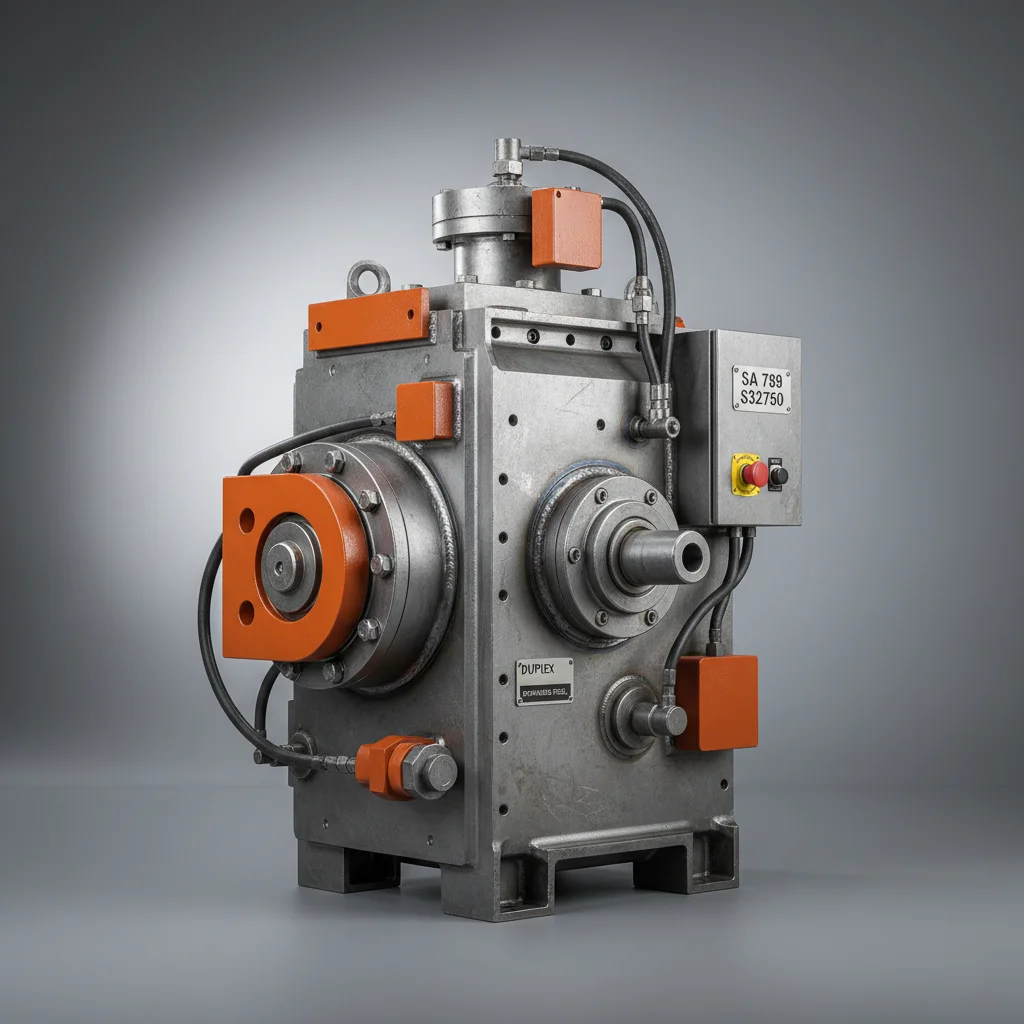
Advancements in Material Science sa 789 s32750 for High Performance Applications
-
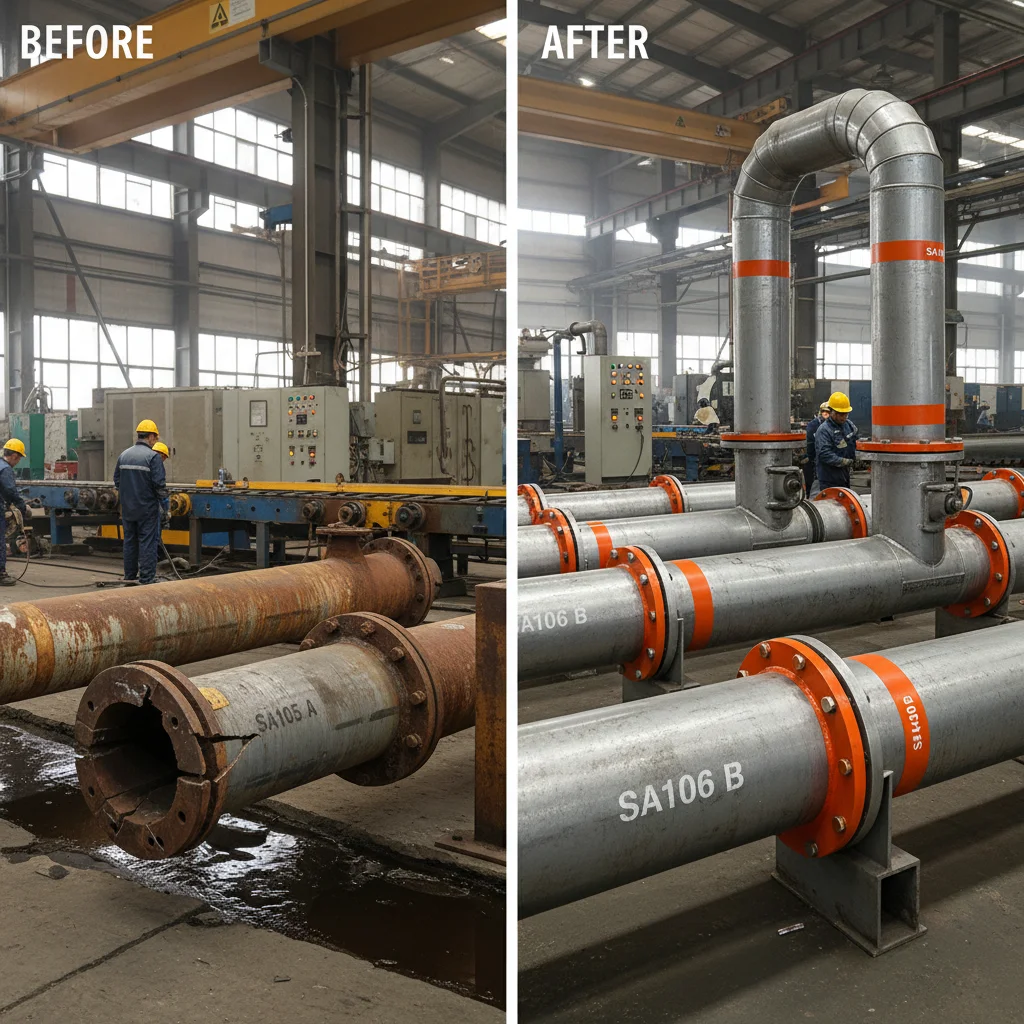
Why Is China Best STAINLESS STEEL Manufacturer Attracting Oil & Gas Buyers at OTC Houston USA?
-
Why Is China Leading Nickel Alloy Pipe Manufacturer Gaining Global Attention at ADIPEC UAE?
-
ASME A106 Gr B Seamless Pipe for High Pressure Applications