0%

Table of Contents

The industrial landscape of modern metallurgy has been fundamentally reshaped by the adoption of high-performance alloys, with the 316l pipe emerging as a gold standard for fluid transport and structural integrity. In sectors where corrosion is not just a maintenance issue but a critical safety hazard, this low-carbon variant of stainless steel provides an indispensable shield against aggressive chemical environments. Understanding the nuances of its composition and application is essential for engineers seeking to maximize the lifecycle of their infrastructure.

Across the globe, the demand for specialized piping solutions has surged as pharmaceutical, food processing, and marine industries scale their operations. The 316l pipe is uniquely positioned to meet these needs due to its superior resistance to pitting and crevice corrosion compared to standard 304 grades. By integrating molybdenum into the alloy matrix, it ensures that critical systems remain operational even when exposed to high chloride concentrations.

Investing in the right materials is more than a procurement decision; it is a strategic move toward sustainability and operational excellence. By choosing a 316l pipe, organizations significantly reduce the frequency of costly replacements and unplanned downtime. This guide explores the technical superiority, global applications, and future trajectory of this vital industrial component to help you make an informed engineering choice.
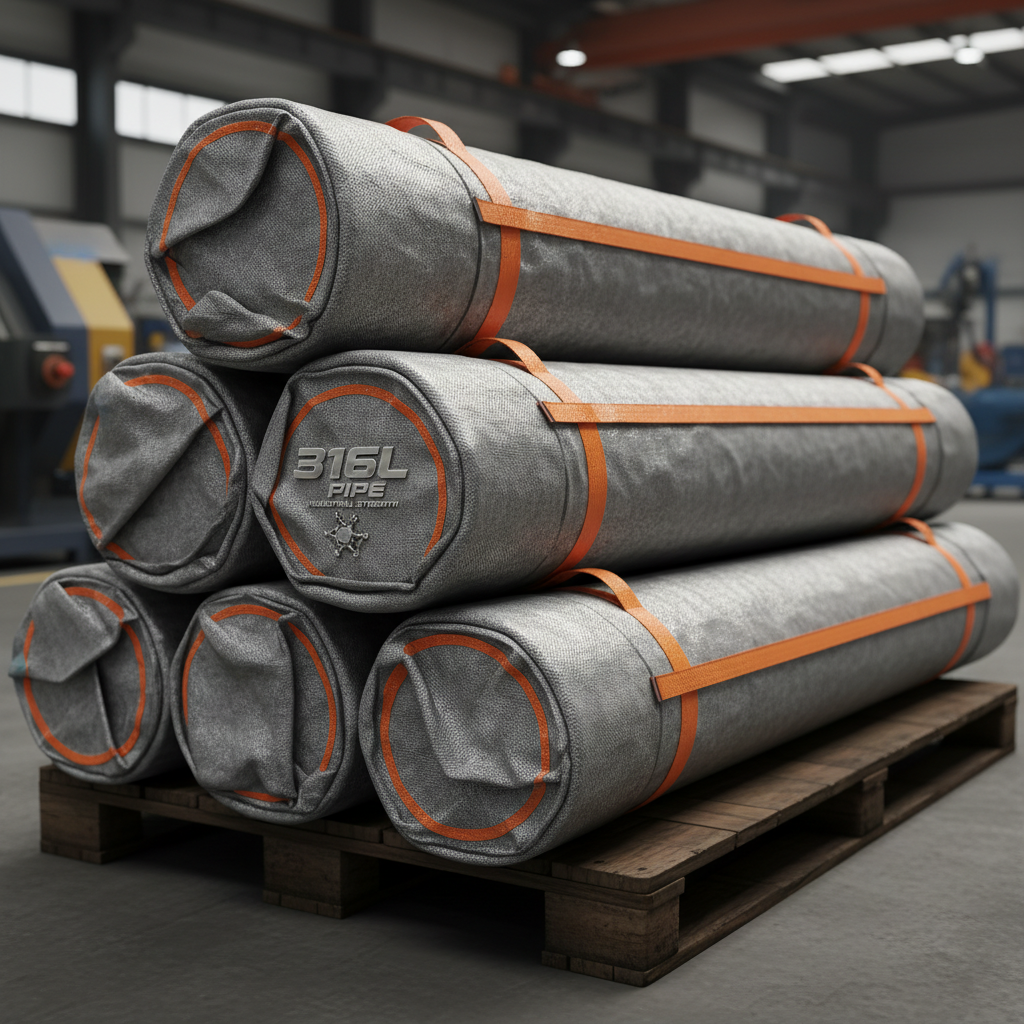
316l pipe

Global Relevance of 316l Pipe in Modern Industry
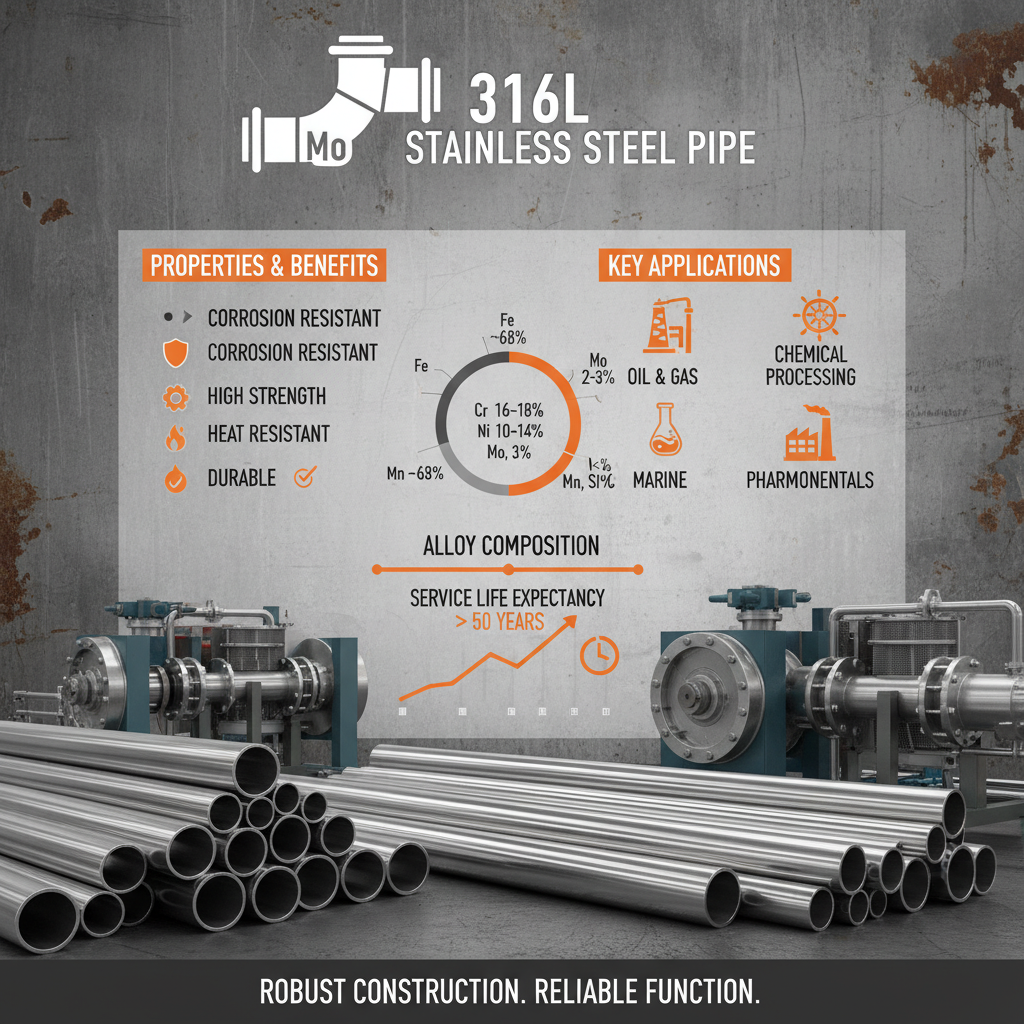
316l pipe

The global reliance on 316l pipe is underscored by the rapid expansion of the global chemical and petrochemical sectors. According to ISO standards and industry benchmarks, the transition toward "low carbon" (the 'L' in 316L) has become mandatory for projects involving heavy welding. Standard stainless steels often suffer from carbide precipitation during welding, which leads to intergranular corrosion; the 316L variant solves this by limiting carbon content, ensuring the weld zone remains as corrosion-resistant as the base metal.

In the context of global infrastructure, the 316l pipe serves as a critical artery for desalination plants and offshore oil rigs, particularly in regions like the Middle East and Southeast Asia. The challenge of saltwater corrosion is a multi-billion dollar problem annually, and the adoption of molybdenum-bearing pipes has proven to be the most cost-effective defense against the destructive power of chloride-induced pitting.

Defining the Technical essence of 316l Pipe

At its most basic level, a 316l pipe is a high-grade austenitic stainless steel tube characterized by its low carbon content and the addition of molybdenum. While typical stainless steels rely on chromium to create a protective oxide layer, 316L enhances this chemistry to withstand more aggressive environments. This makes it the preferred choice for applications where hygiene and purity are paramount, such as in medical device manufacturing and high-end food production.

The connection between this material and modern humanitarian needs is often overlooked. In the development of clean water infrastructure for remote industrial zones or post-disaster relief operations, the durability of 316l pipe ensures that water transport systems do not leach toxins or succumb to rapid oxidation. It provides a reliable, long-term solution for delivering potable water in harsh soil conditions where carbon steel would fail within years.

From a manufacturing perspective, the "L" grade is a game-changer for scalability. Because it requires less post-weld heat treatment to avoid sensitization, fabrication times are reduced, and the risk of structural failure at the joints is minimized. This technical efficiency allows for the rapid deployment of complex piping networks in massive industrial complexes without sacrificing the integrity of the system.

Core Performance Factors of 316l Pipe

One of the primary drivers for selecting 316l pipe is its exceptional Corrosion Resistance. The inclusion of 2-3% molybdenum significantly boosts its ability to fight pitting and crevice corrosion in chloride-rich environments. This factor is non-negotiable for marine applications or chemical processing plants where acidic fluids are common.

Weldability and Structural Integrity represent another core pillar. Because the 316l pipe has a lowered carbon threshold, it avoids the "chrome depletion" that typically occurs during the cooling phase of a weld. This ensures that the joints—often the weakest point in any piping system—maintain the same protective properties as the rest of the pipe.

Finally, Thermal Stability and Hygiene make this material indispensable. It maintains its mechanical properties across a wide temperature range and possesses a smooth surface finish that prevents bacterial adhesion. For the pharmaceutical industry, using 316l pipe is a regulatory necessity to ensure that products remain uncontaminated by metallic leachates.

Global Applications and Strategic Use Cases

In real-world contexts, the 316l pipe is the backbone of the global pharmaceutical supply chain. In high-purity water (HPW) systems and Clean-in-Place (CIP) loops, these pipes transport sensitive ingredients without reacting to the aggressive cleaning agents used to sterilize the lines. From biotech hubs in Boston to pharmaceutical clusters in Switzerland, the reliability of this material ensures patient safety and product efficacy.

Beyond the lab, we see critical deployment in remote industrial zones, such as deep-sea mining operations and offshore wind farm foundations. In these environments, the 316l pipe is used for hydraulic lines and structural supports that must withstand constant salt spray and high pressure. Its ability to resist the corrosive "splash zone" makes it a superior choice over cheaper alternatives that would require constant coating and maintenance.

Comparative Performance Analysis of Piping Materials

Long-Term Value and Sustainability Benefits

The tangible benefits of utilizing a 316l pipe extend far beyond initial procurement. While the upfront cost is higher than 304 stainless or carbon steel, the Total Cost of Ownership (TCO) is significantly lower. By eliminating the need for frequent painting, coating, or full-system replacements, companies realize massive operational savings over a 20-year lifecycle.

From a sustainability perspective, the 316l pipe is a champion of the circular economy. Stainless steel is 100% recyclable without any loss in quality. Furthermore, its extreme longevity means fewer raw materials are extracted and processed over time. This alignment with ESG (Environmental, Social, and Governance) goals makes it a logical choice for forward-thinking corporations aiming for carbon neutrality and waste reduction.

Future Innovations in Piping Technology

The future of 316l pipe is being shaped by the digital transformation of the manufacturing process. We are seeing the rise of "Smart Piping," where sensors are embedded within or around the pipe structure to monitor wall thickness and corrosion rates in real-time. This move toward predictive maintenance allows operators to identify potential leaks before they happen, drastically increasing safety in volatile chemical environments.

Moreover, the advent of Additive Manufacturing (3D Printing) is allowing for the creation of complex 316l pipe geometries that were previously impossible to machine. This enables the design of optimized heat exchangers and fluid manifolds that reduce turbulence and energy loss, contributing to the overall efficiency of green energy projects, such as hydrogen transport systems.

Sustainability-driven policies are also pushing the industry toward "Green Steel." The development of hydrogen-based reduction processes in steelmaking means that the 316l pipe of tomorrow will not only be corrosion-resistant but will also be produced with a fraction of the carbon footprint currently associated with blast furnaces.

Overcoming Challenges in 316l Pipe Implementation

Despite its advantages, implementing 316l pipe systems is not without challenges. The most common limitation is the higher initial capital expenditure, which can be a deterrent for smaller projects. However, expert insights suggest a shift in perspective: viewing the material as an "insurance policy" against catastrophic failure. A single leak in a chemical line can cost more in fines and cleanup than the entire cost of a 316L system.

Another technical hurdle is the susceptibility to stress corrosion cracking (SCC) in extremely high-temperature chloride environments. To overcome this, engineers are increasingly pairing 316l pipe with advanced insulation materials or opting for duplex stainless steels in the most extreme zones. Proper annealing and surface passivation are also critical steps that, if skipped, can lead to premature failure.

Lastly, the complexity of welding low-carbon alloys requires a skilled workforce. The solution lies in the adoption of automated orbital welding, which provides consistent, high-quality beads and eliminates human error. By combining 316l pipe with automated fabrication, industries can achieve a level of precision and reliability that was previously unattainable.

Comparative Analysis of 316L Pipe Technical Specifications

Material Variant Corrosion Resistance Weldability Score Lifecycle Value
316L Seamless Excellent 9/10 Maximum
316L Welded Very High 10/10 High
304 Standard Moderate 7/10 Medium
316 Standard High 6/10 Medium-High
Carbon Steel Low 8/10 Low
Duplex 2205 Extreme 5/10 Very High

FAQS

What is the main difference between 316 and 316L pipe?

The primary difference is the carbon content. The 'L' in 316L stands for "Low Carbon." While standard 316 contains up to 0.08% carbon, 316L is limited to 0.03%. This reduction prevents carbide precipitation during welding, which significantly reduces the risk of intergranular corrosion in the heat-affected zone, making 316L the superior choice for any application involving welding.

Is 316l pipe suitable for seawater applications?

Yes, 316L is highly recommended for seawater environments because of its molybdenum content, which provides resistance to chloride-induced pitting. However, for extremely high-velocity seawater or highly concentrated brine, engineers may consider Duplex stainless steel. For most marine hardware and piping, 316L offers the best balance of cost and corrosion resistance.

Can I use 316l pipe in food and beverage processing?

Absolutely. In fact, 316L is the industry standard for food and beverage processing. Its non-reactive surface prevents metallic contamination of food products, and its resistance to caustic cleaning agents ensures that the equipment can be sterilized repeatedly without degrading. It is essential for maintaining FDA and ISO hygiene standards.

How do I prevent stress corrosion cracking in 316l pipe?

To prevent SCC, it is important to control the temperature of the system and minimize the concentration of chlorides on the pipe surface. Using proper insulation to prevent moisture buildup (CUI - Corrosion Under Insulation) and ensuring the pipe is properly passivated after installation are the most effective ways to mitigate the risk of cracking.

Which is better: Seamless or Welded 316l pipe?

Seamless 316L pipe is generally better for high-pressure applications as it has no weld seam, eliminating a potential point of failure. Welded 316L pipe is more cost-effective and is typically used for low-to-medium pressure applications where the cost of seamless production isn't justified. The choice depends entirely on your system's pressure rating and budget.

How long does a 316l pipe system typically last?

In a well-maintained system, a 316L pipe can last 20 to 50 years, depending on the medium being transported. Because it does not rust in the traditional sense, its lifespan is determined by the aggressiveness of the chemicals it carries and the quality of the initial installation. With periodic inspection, it is often a "lifetime" installation.

Conclusion

The 316l pipe stands as a pinnacle of metallurgical engineering, blending corrosion resistance, weldability, and longevity into a single product. From safeguarding the purity of life-saving medicines to enabling the extraction of energy from the ocean floor, its impact on global industry is profound. By understanding the critical role of low carbon and molybdenum, engineers can build systems that are not only efficient but are fundamentally safer and more sustainable.

As we move toward a future of green energy and smart infrastructure, the importance of high-performance materials will only grow. We suggest that procurement managers and engineers prioritize Total Cost of Ownership over initial price points when selecting piping solutions. Investing in premium 316l pipe is a commitment to quality and a strategic safeguard against the uncertainties of industrial wear and tear. Visit our website for more professional solutions: www.benkoometal.com

Garrett Lawson

Garrett Lawson

Garrett Lawson is a Project Coordinator at BENKOO METAL, supporting the North American market. He assists in managing complex orders and ensuring seamless communication between clients and the internal teams. With a Bachelor's degree in Engineering and a keen understanding of material specifications, Garrett works closely with major mining companies
Previous Premium Grade 316 Stainless Steel Tubing
Next Precision Engineered 316 Stainless Steel Fittings

If you are interested in our products, you can choose to leave your information here, and we will be in touch with you shortly.

  • captcha