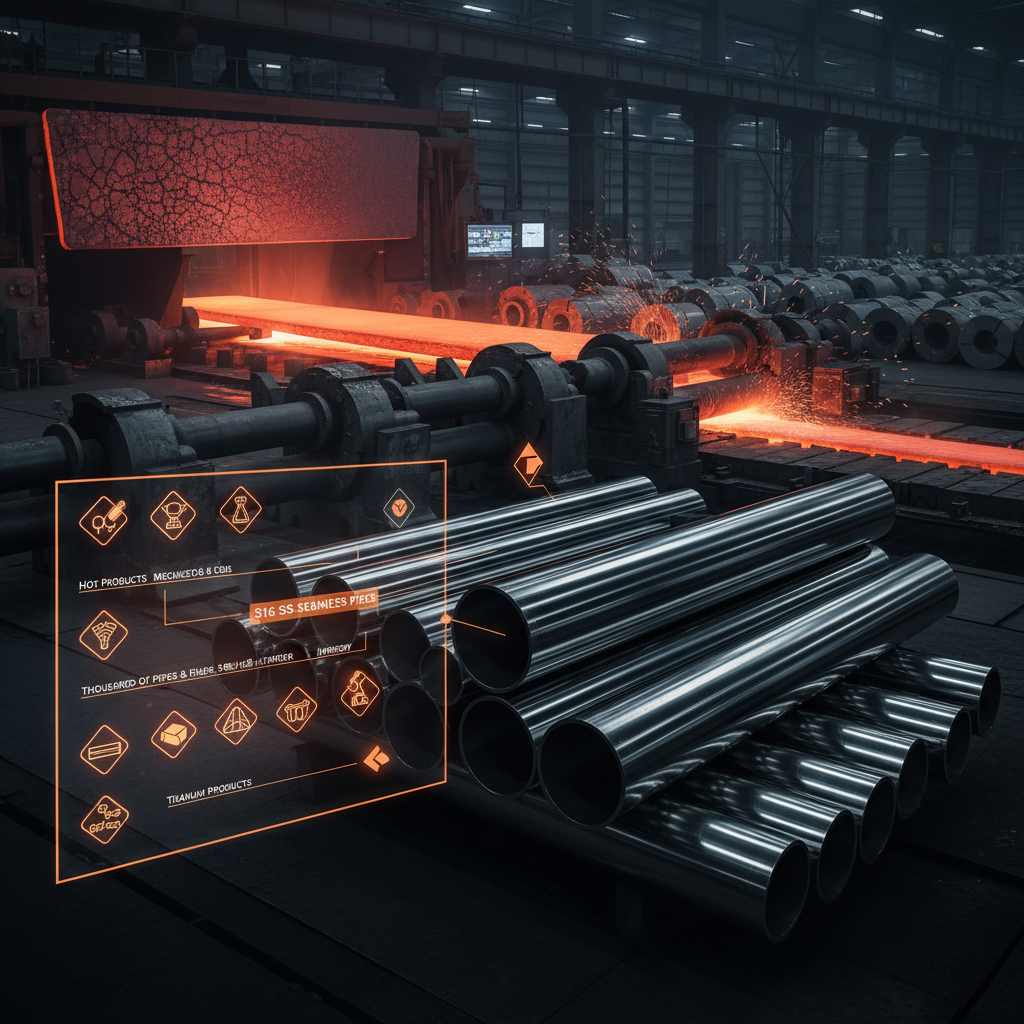
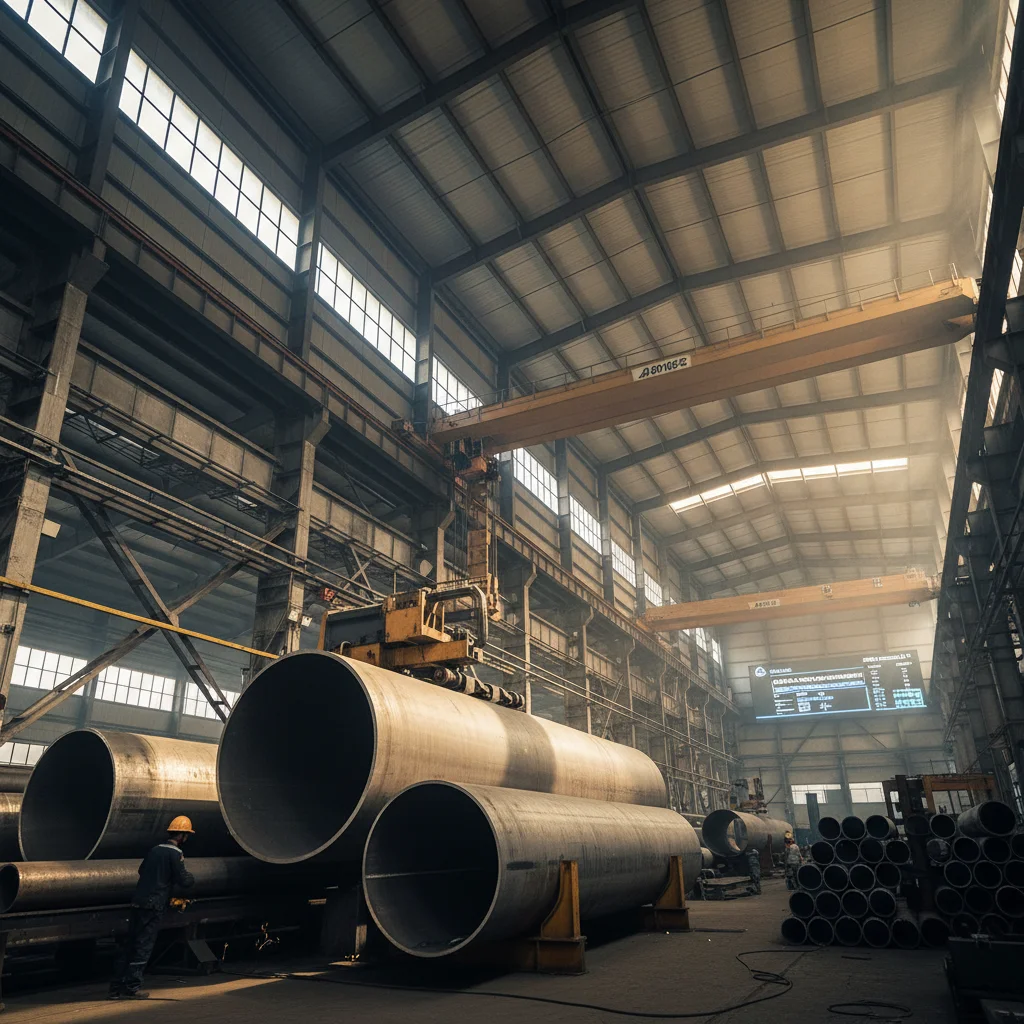
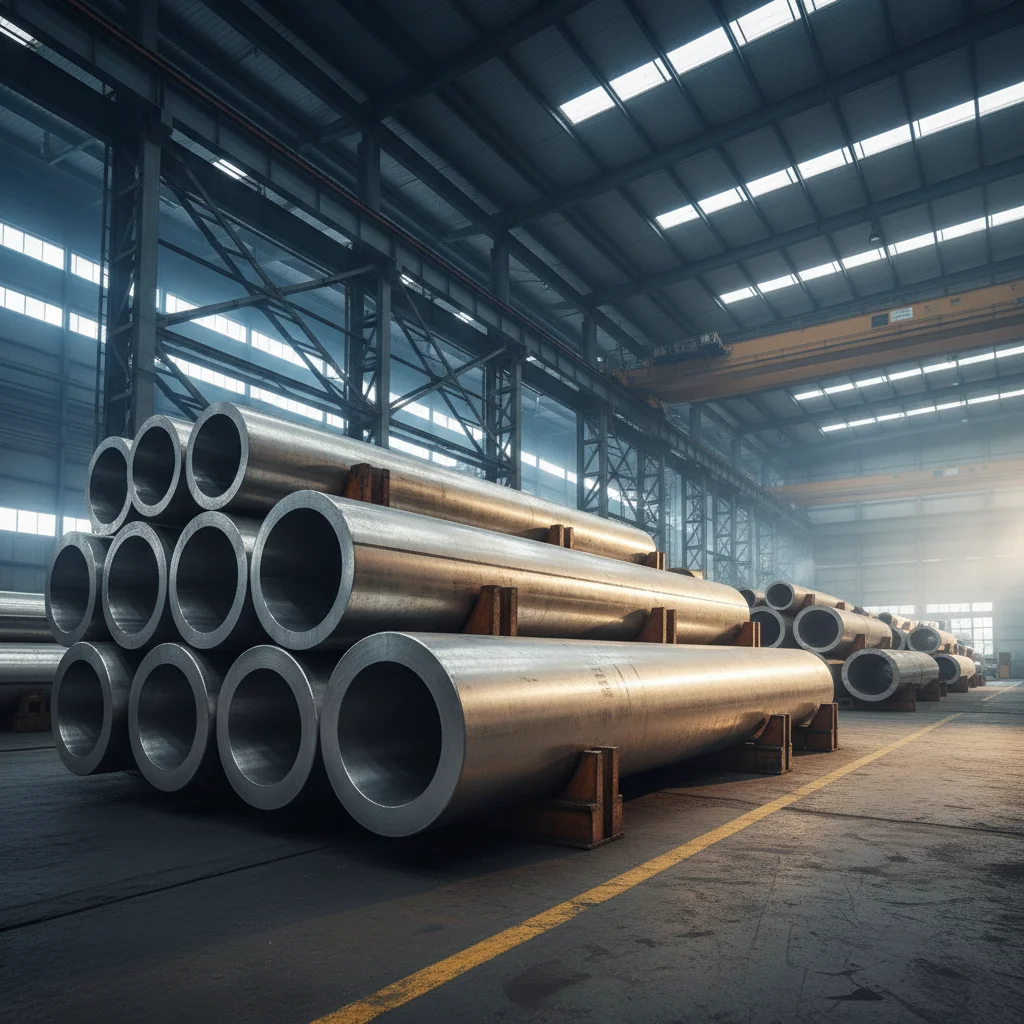
In the demanding world of industrial metallurgy, selecting the right material can mean the difference between a system that lasts decades and one that fails prematurely due to corrosion. The 316 ss tube stands as a gold standard in the steel rolling and processing industry, offering an unparalleled balance of strength and chemical resistance. By integrating molybdenum into its composition, this specific grade of stainless steel provides a critical defense against pitting and crevice corrosion, making it indispensable for high-stakes environments.
Globally, the demand for high-performance piping is surging as industries transition toward more sustainable and durable infrastructure. From pharmaceutical labs to offshore oil rigs, the 316 ss tube is prized for its ability to maintain structural integrity under extreme thermal and chemical stress. Understanding the nuances of its fabrication—from seamless extrusion to precise cold rolling—allows engineers to optimize flow rates and safety margins in complex piping networks.
For procurement managers and technical engineers, the value of a 316 ss tube extends beyond simple specifications; it is about mitigating risk. Investing in high-grade materials reduces downtime and maintenance costs, aligning with global ISO standards for quality and safety. This guide explores the technical depths, practical applications, and future innovations of 316 stainless steel tubing to provide a comprehensive roadmap for industrial selection.
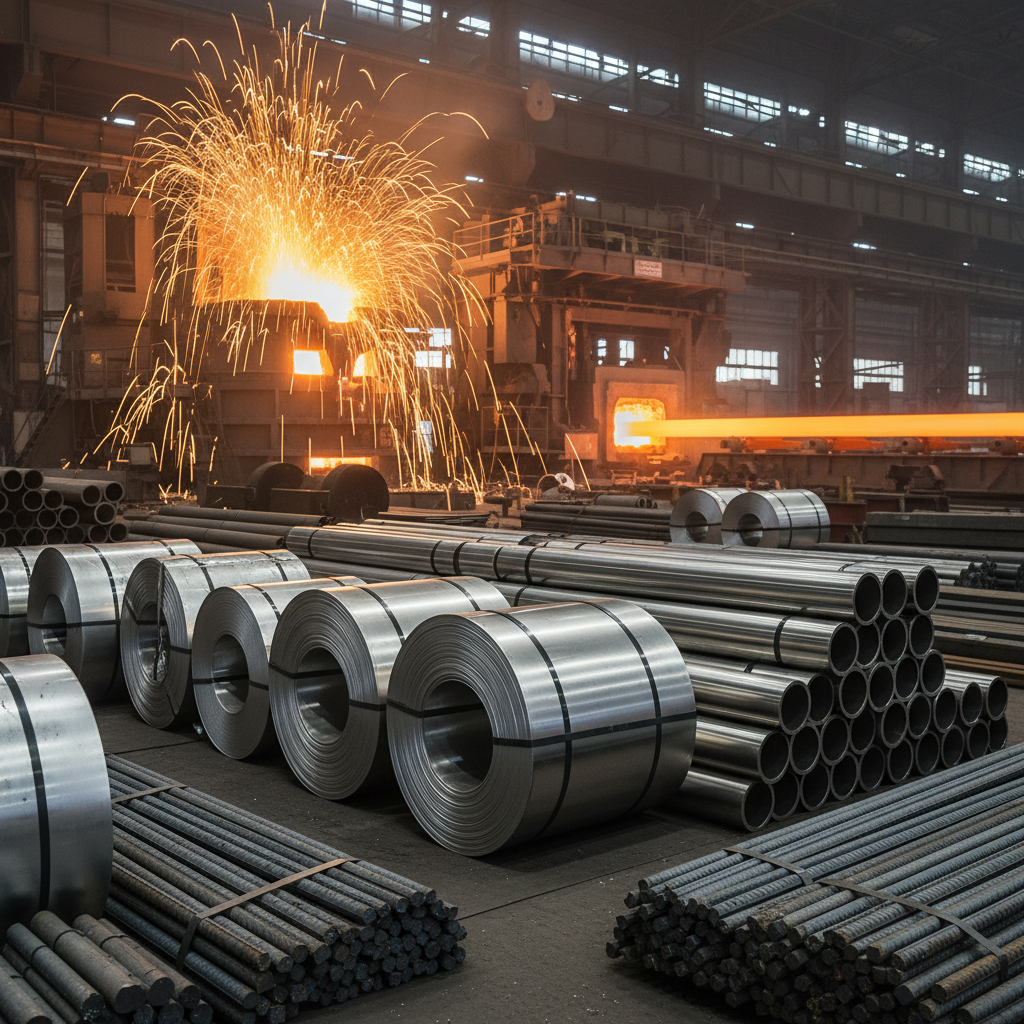
Global Relevance of 316 SS Tube in Modern Industry
The global industrial landscape is currently facing a crisis of corrosion, with billions of dollars lost annually to material degradation in chemical and marine sectors. The 316 ss tube serves as a primary solution to this challenge, providing a robust barrier against chloride-induced corrosion. As emerging economies expand their chemical processing and desalination plants, the reliance on high-molybdenum stainless steels has become a strategic necessity for infrastructure longevity.
Statistically, industries adhering to ISO and ASTM standards have seen a marked decrease in leak-related failures when transitioning from 304 to 316 grade tubing. This shift is particularly evident in the pharmaceutical and food processing sectors, where sterility and the prevention of metallic contamination are non-negotiable. The global supply chain for 316 ss tube has thus evolved to prioritize precision rolling and strict chemical certification.
Technical Definition and Composition of 316 SS Tube
At its core, a 316 ss tube is a high-performance austenitic stainless steel pipe characterized by its chromium-nickel-molybdenum composition. Unlike standard stainless steels, the addition of 2-3% molybdenum significantly enhances its resistance to pitting in chloride-rich environments, such as seawater or saline industrial brines. This chemical makeup ensures that the tube maintains a passive oxide layer that self-heals even after superficial scratches.
From a manufacturing perspective, these tubes are produced via two primary methods: seamless and welded. Seamless 316 ss tube options are extruded from a solid billet, making them ideal for high-pressure applications where any weld seam could represent a potential point of failure. Welded variants, on the other hand, offer cost-efficiencies for lower-pressure systems while maintaining the essential corrosion resistance of the alloy.
The connection between this material and modern humanitarian needs is often overlooked, yet it is vital. In the construction of water purification systems for remote regions, the use of 316 ss tube prevents the leaching of toxins into drinking water and ensures that the piping does not degrade when exposed to harsh soil conditions, thereby securing long-term access to clean water.
Core Factors Influencing Tube Performance
One of the most critical factors for a 316 ss tube is its Corrosion Resistance. The synergy between chromium and molybdenum prevents the breakdown of the surface film in aggressive acidic environments. This makes the material the preferred choice for heat exchangers and condensers where cooling water is often contaminated with salts.
Thermal Stability and Scalability are equally important. The 316 ss tube maintains its mechanical properties across a wide temperature spectrum, from cryogenic applications to high-heat industrial furnaces. This versatility allows engineers to scale their systems without needing to switch materials as the process temperature fluctuates.
Finally, Mechanical Durability and weldability ensure that the 316 ss tube can be integrated into complex assemblies without losing its strength. The low carbon version (316L) specifically addresses the risk of sensitization during welding, ensuring that the heat-affected zone remains as corrosion-resistant as the base metal.
Global Applications and Real-World Use Cases
The practical application of 316 ss tube is visible in almost every advanced industrial zone worldwide. In the oil and gas sector, specifically in offshore drilling platforms in the North Sea or the Gulf of Mexico, these tubes are used for instrument lines and hydraulic systems that are constantly exposed to salt spray. Their ability to resist chloride stress corrosion cracking is vital for preventing catastrophic environmental leaks.
In the realm of biotechnology and pharmaceuticals, the 316 ss tube is the industry standard for bioreactors and fluid transport. Because the surface is non-reactive and easy to sterilize via CIP (Clean-in-Place) processes, it ensures that life-saving medications are produced without impurities. In remote industrial zones, where maintenance crews are scarce, the "install and forget" reliability of 316 stainless steel reduces the operational burden significantly.
Performance Metrics of Various 316 SS Tube Specifications
Long-Term Value and Sustainability Benefits
When evaluating the cost of a 316 ss tube, one must look beyond the initial purchase price and consider the Total Cost of Ownership (TCO). While more expensive than carbon steel or 304 stainless, the extended lifespan of 316 reduces the frequency of replacements and the associated labor costs. In an era of sustainable engineering, the longevity of the material directly translates to a lower carbon footprint over the project's lifecycle.
Furthermore, the 100% recyclability of the 316 ss tube aligns with circular economy principles. Once a system reaches the end of its operational life, the high nickel and molybdenum content makes the scrap highly valuable, ensuring that the material is reclaimed rather than landfilled. This creates a logical loop of innovation and trust, where safety and environmental responsibility coexist.
Future Trends and Material Innovations
The future of the 316 ss tube is being shaped by the digital transformation of metallurgy. "Smart Tubing" is an emerging concept where sensors are embedded within or around the tube walls to monitor corrosion rates and pressure spikes in real-time. This shift toward predictive maintenance allows operators to intervene before a failure occurs, drastically increasing the safety of hazardous chemical transport.
Additionally, the push toward green energy is driving new demands for specialized 316 alloys. In the hydrogen economy, 316 ss tube is being tested for its resistance to hydrogen embrittlement, ensuring that the infrastructure for hydrogen fuel cells and transport remains secure. Automation in the rolling process is also allowing for tighter tolerances, reducing material waste during fabrication.
We are also seeing the integration of additive manufacturing (3D printing) for complex 316 ss tube junctions. This reduces the number of welds required in a system, which in turn eliminates potential corrosion sites. As these technologies mature, the efficiency and reliability of stainless steel piping will reach unprecedented levels.
Challenges and Expert Solutions in Implementation
Despite its strengths, the implementation of 316 ss tube is not without challenges. One common issue is "sensitization," where chromium carbides precipitate at the grain boundaries during slow cooling after welding. This creates localized areas depleted of chromium, leaving the tube vulnerable to intergranular corrosion. To solve this, experts recommend using 316L (low carbon) or performing a full solution anneal after welding.
Another significant hurdle is the risk of surface contamination during installation. If carbon steel tools are used on a 316 ss tube, microscopic particles of iron can embed themselves in the surface, leading to "tea staining" or localized pitting. The professional solution is the strict enforcement of "stainless-only" tool zones and the use of dedicated pickling and passivation pastes to restore the protective oxide layer.
Finally, managing the cost of high-molybdenum alloys requires strategic sourcing. To optimize budgets without sacrificing quality, engineers often utilize a "hybrid zoning" approach. In this model, 316 ss tube is used only in the high-corrosion zones of a plant, while more economical materials are used in non-critical areas, ensuring a balanced investment in durability.
Comparative Analysis of 316 SS Tube Implementation Strategies
| Implementation Method |
Corrosion Resistance Score |
Initial Cost Impact |
Maintenance Frequency |
| Full 316 Seamless Setup |
10/10 |
Very High |
Very Low |
| 316L Welded Integration |
9/10 |
Moderate |
Low |
| Hybrid 304/316 System |
7/10 |
Low |
Moderate |
| Passivated 316 Cold-Drawn |
9/10 |
High |
Low |
| Unpassivated 316 Standard |
6/10 |
Moderate |
High |
| 316 Titanium-Coated Tube |
10/10 |
Extreme |
Minimal |
FAQS
The primary difference is the addition of molybdenum in the 316 grade. While 304 is excellent for general purpose use, the 316 ss tube provides significantly higher resistance to chlorides and acids, making it the superior choice for marine environments or chemical processing where pitting corrosion is a high risk.
To prevent corrosion at welds, it is highly recommended to use 316L (low carbon) grade to avoid sensitization. Additionally, performing a post-weld pickling and passivation process removes iron contamination and restores the chromium oxide layer, ensuring the weld is as resistant as the rest of the tube.
Yes, especially if you choose the seamless variant. Seamless 316 ss tubes are manufactured without a weld seam, which eliminates the weakest point of the pipe, allowing them to withstand much higher internal pressures compared to welded tubes, making them ideal for hydraulic and high-pressure steam systems.
Absolutely. Because of its high corrosion resistance and non-reactive surface, the 316 ss tube is widely used in the food and beverage industry. It prevents contamination and withstands the harsh caustic cleaning agents used in industrial kitchens and breweries, meeting strict FDA and EHEDG standards.
The most reliable way is to request a Mill Test Report (MTR), which provides the exact chemical composition and mechanical properties of the heat. For immediate on-site verification, a PMIs (Positive Material Identification) gun can be used to scan the alloy and confirm the presence of molybdenum.
Yes, professional installation usually requires degreasing and passivation. This removes manufacturing oils and surface iron particles that could cause premature corrosion. Using a dedicated passivation paste or acid bath ensures the protective chromium oxide layer is fully intact before the system goes online.
Conclusion
In summary, the 316 ss tube represents a critical intersection of material science and industrial pragmatism. By offering superior resistance to pitting and crevice corrosion through its molybdenum-enriched composition, it solves the most pressing durability challenges in the chemical, marine, and pharmaceutical sectors. From the strategic choice between seamless and welded constructions to the implementation of post-weld passivation, the correct application of this material ensures operational safety, reduces long-term maintenance costs, and promotes environmental sustainability.
Looking ahead, the integration of smart monitoring and additive manufacturing will further enhance the utility of 316 stainless steel, allowing for even more complex and resilient infrastructure. For industries striving for zero-leakage targets and extended asset lifecycles, investing in high-quality 316 ss tube is not just a technical decision, but a strategic investment in reliability. To explore our full range of high-precision stainless steel products and inventory, visit our website: www.benkoometal.com