0%

Table of Contents

In the demanding landscape of modern industrial engineering, the selection of materials can determine the longevity and safety of an entire infrastructure. The 316 ss pipe stands out as a cornerstone of high-performance fluid transport, offering a sophisticated balance of mechanical strength and chemical resilience. Understanding the nuances of this molybdenum-bearing austenitic stainless steel is essential for engineers and procurement specialists who operate in corrosive environments.

Globally, the demand for specialized piping has surged as industries push toward more extreme operating conditions, from deep-sea oil exploration to high-precision pharmaceutical synthesis. The 316 ss pipe addresses these challenges by providing a robust defense against pitting and crevice corrosion, which frequently plague standard 304-grade steels. This reliability reduces unplanned downtime and mitigates the risk of catastrophic leaks in hazardous settings.

By integrating advanced metallurgical properties with versatile manufacturing processes, the 316 ss pipe ensures that critical systems remain operational even when exposed to chlorides and industrial acids. This guide explores the technical dimensions, global applications, and future innovations of this essential material, providing a comprehensive resource for optimizing industrial piping systems.
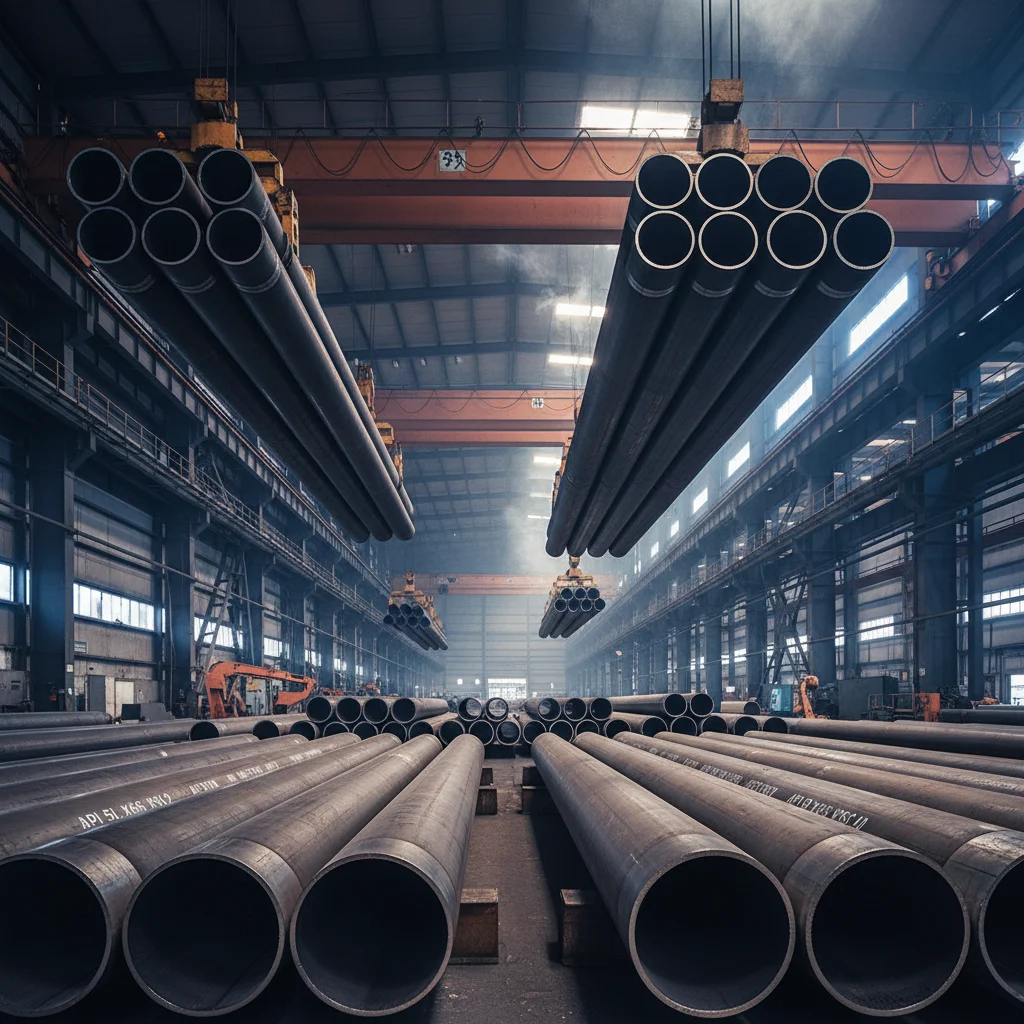
316 ss pipe

Global Relevance of 316 ss pipe

316 ss pipe

The global industrial landscape relies heavily on materials that can withstand the test of time and chemistry. The 316 ss pipe is not merely a conduit for liquids; it is a critical safety component in sectors governed by strict ISO standards. From the massive desalination plants in the Middle East to the sterile laboratories of Europe, this material ensures that fluid transport is efficient and contamination-free.

Statistically, the shift toward sustainable infrastructure has increased the adoption of high-grade stainless steels. By extending the lifecycle of piping systems, industries reduce the carbon footprint associated with frequent replacement and raw material extraction. The strategic importance of the 316 ss pipe lies in its ability to bridge the gap between extreme durability and cost-effective scalability.

Technical Definition and Material Composition

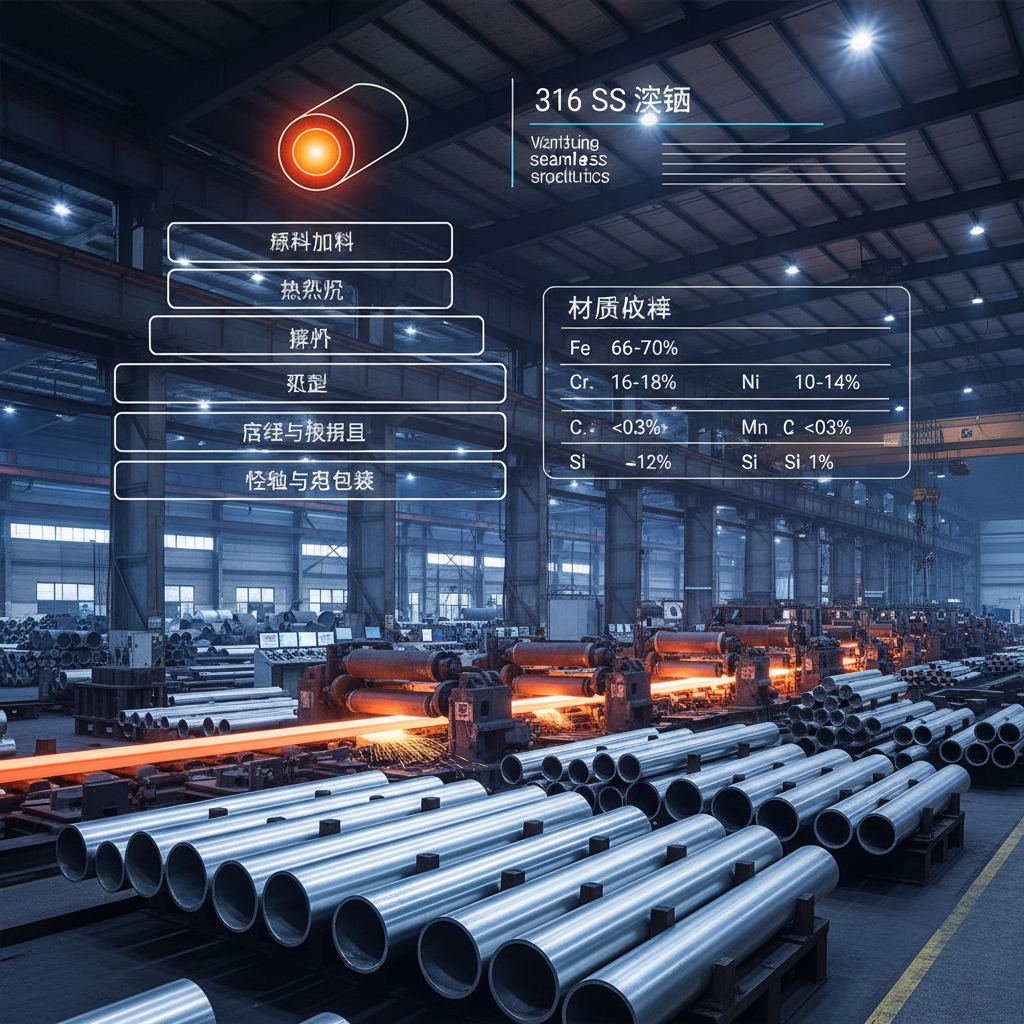
At its core, a 316 ss pipe is a high-performance tube manufactured from austenitic stainless steel. The primary distinction between 316 and the more common 304 grade is the addition of molybdenum (typically 2-3%). This alloying element significantly enhances the material's resistance to chloride-induced corrosion, making it the gold standard for marine and chemical applications.

Beyond molybdenum, the composition includes a high percentage of chromium and nickel. Chromium provides the essential passive oxide layer that prevents oxidation, while nickel stabilizes the austenitic structure, ensuring the pipe remains ductile and weldable even at low temperatures. This chemical synergy allows the 316 ss pipe to maintain its integrity under intense thermal stress and chemical attack.

In practical terms, this means the piping can be used in environments where water containing salts or acids would quickly degrade other metals. Whether it is a seamless construction for high-pressure gases or a welded configuration for fluid transport, the material properties of the 316 ss pipe provide a reliable barrier against the elements.

Core Factors Driving Performance

Durability is the primary driver when selecting a 316 ss pipe. Its ability to resist pitting—small, localized holes that can lead to sudden pipe failure—is unmatched in the mid-range stainless steel category. This durability ensures that infrastructure in coastal regions remains safe and leak-free for decades.

Chemical versatility is another critical factor. The 316 ss pipe is compatible with a wide array of aggressive chemicals, including phosphoric acid and various organic solvents. This makes it indispensable for the pharmaceutical and food processing industries, where purity and non-reactivity are non-negotiable requirements.

Finally, the thermal stability and weldability of the 316 ss pipe allow for complex installations. It can be formed into intricate bends and joined with high-strength welds without losing its corrosion-resistant properties, provided that proper heat treatment is applied to avoid sensitization.

Global Industrial Use Cases

The real-world application of the 316 ss pipe spans across multiple continents and high-stakes industries. In the offshore oil and gas sector, these pipes are used for seawater cooling systems and chemical injection lines where salt spray and high humidity would destroy carbon steel in a matter of months.

In the medical and biotechnology fields, the 316 ss pipe is used for the transport of sterile reagents and gases. Its smooth internal surface prevents the buildup of biofilms and ensures that the piping can be cleaned via CIP (Clean-in-Place) protocols without scratching or eroding the metal surface.

Performance Comparison of 316 ss pipe Variants

Tangible Advantages and Long-Term Value

Investing in a 316 ss pipe provides a significant return on investment through the reduction of maintenance cycles. While the initial procurement cost may be higher than 304 or galvanized steel, the total cost of ownership (TCO) is lower because the pipes do not require frequent painting, coating, or premature replacement due to rust.

Beyond the economics, there is a powerful emotional angle: safety and trust. In high-pressure environments, such as nuclear power plants or chemical refineries, the reliability of a 316 ss pipe ensures the dignity and safety of the workforce, preventing hazardous spills and ensuring that critical infrastructure serves the community without failure.

Future Trends in Stainless Piping

The future of the 316 ss pipe is closely tied to the green energy transition. As the world moves toward hydrogen fuel cells and carbon capture and storage (CCS), the need for materials that can handle high-pressure hydrogen and corrosive CO2 streams is growing. Advanced 316 variants are being developed to further minimize hydrogen embrittlement.

Digital transformation is also playing a role, with the integration of "smart piping." We are seeing the development of 316 ss pipe systems embedded with IoT sensors that monitor wall thickness and corrosion rates in real-time. This allows for predictive maintenance, moving away from scheduled shutdowns to data-driven interventions.

Furthermore, the industry is focusing on "circular metallurgy." The recycling of 316 ss pipe is becoming more efficient, allowing high-grade scrap to be re-melted into new pipes without losing the critical molybdenum and nickel content, aligning industrial growth with global sustainability goals.

Challenges and Engineering Solutions

Despite its strengths, the 316 ss pipe is not invincible. One common challenge is "sensitization," where chromium carbides precipitate at the grain boundaries during welding, leaving the metal vulnerable to intergranular corrosion. Engineers solve this by utilizing 316L (Low carbon), which limits the carbon content and prevents this reaction.

Another limitation is the susceptibility to stress corrosion cracking (SCC) in extremely high-temperature chloride environments. To overcome this, specialists often recommend the use of duplex stainless steels or specific heat treatments to relieve internal stresses within the 316 ss pipe after fabrication.

Cost fluctuations of nickel and molybdenum also present a challenge for project budgeting. By optimizing pipe wall thickness through precision engineering and selecting the exact grade needed for the specific fluid chemistry, companies can maintain the performance of a 316 ss pipe while controlling project expenditures.

Comparative Analysis of 316 ss pipe Grades and Applications

Pipe Variant Key Modification Primary Benefit Ideal Environment
316 Standard Molybdenum Addition General Pitting Resistance Chemical Processing
316L Ultra-Low Carbon Welding Stability Pharmaceutical Plants
316Ti Titanium Stabilized High-Temp Stability Exhaust Systems
316 Seamless No Weld Seam High Pressure Rating Oil & Gas Pipelines
316 Welded Precision Jointing Cost Efficiency Water Treatment
316 Polished Mirror Finish Hygienic Surface Food & Beverage

FAQS

What is the difference between 304 and 316 ss pipe?

The primary difference is the addition of molybdenum in the 316 ss pipe. While 304 is excellent for general use, 316 offers far superior resistance to chlorides (salts) and industrial chemicals. This makes 316 the preferred choice for marine environments and chemical processing plants where 304 would likely suffer from pitting corrosion.

Can 316 ss pipe be used for drinking water systems?

Yes, 316 ss pipe is highly suitable for potable water systems. It is non-toxic, does not leach chemicals into the water, and resists corrosion from water additives. Because of its hygienic properties, it is often used in high-end residential projects and municipal water treatment facilities to ensure water purity.

What does the "L" in 316L ss pipe signify?

The "L" stands for "Low Carbon." 316L has a maximum carbon content of 0.03%, compared to 0.08% in standard 316. This reduction prevents chromium carbide precipitation during welding, which eliminates the risk of intergranular corrosion in the heat-affected zone, making it ideal for welded constructions.

How do I clean a 316 ss pipe to maintain its corrosion resistance?

To maintain the passive layer of a 316 ss pipe, it is recommended to use a process called passivation. This involves treating the surface with a mild nitric acid solution to remove free iron and enhance the chromium-oxide layer. For routine cleaning, avoid using carbon steel brushes or chlorine-based cleaners, which can trigger pitting.

Is 316 ss pipe suitable for high-pressure applications?

Absolutely, especially when opting for seamless 316 ss pipe. Seamless pipes are manufactured without a welded seam, eliminating the weakest point of the tube and allowing them to withstand significantly higher internal pressures. These are standard in hydraulic systems and high-pressure gas transport.

How can I verify the authenticity of a 316 ss pipe?

The most reliable way is to request a Mill Test Report (MTR) from the supplier, which lists the actual chemical composition and mechanical properties. For on-site verification, Positive Material Identification (PMI) using X-ray fluorescence (XRF) scanners can instantly confirm the presence of molybdenum and chromium.

Conclusion

The 316 ss pipe represents an essential fusion of chemistry and engineering, providing a reliable solution for the world's most challenging fluid transport needs. By balancing molybdenum-enhanced corrosion resistance with structural versatility and long-term durability, it reduces operational risks and lowers the total cost of ownership across the pharmaceutical, marine, and energy sectors.

As we move toward a future defined by sustainable energy and smart infrastructure, the role of high-grade stainless steel will only grow. We encourage engineers and procurement managers to prioritize material integrity over initial cost to ensure safety and efficiency. For premium quality piping solutions and expert guidance, visit our website: www.benkoometal.com.

Ethan Bellwether

Ethan Bellwether

Ethan Bellwether serves as a Senior Materials Specialist at BENKOO METAL, focusing on the Oil & Gas sector. With a background in metallurgical engineering and over 8 years of experience, Ethan is adept at sourcing and supplying high-performance alloys for critical pipeline and drilling applications. He works closely with clients
Previous High Quality 316 Stainless Steel Fittings for Industrial Use
Next High Performance 316 ss tube for Industrial Corrosion Resistance

If you are interested in our products, you can choose to leave your information here, and we will be in touch with you shortly.

  • captcha