0%

Table of Contents

The api 5l x60 psl2 specification serves as a cornerstone in the global energy infrastructure, defining the rigorous mechanical and chemical requirements for high-strength pipeline steel. In an era where energy security depends on the efficient transport of oil and natural gas across vast distances, adhering to these precise standards ensures that pipelines can withstand extreme internal pressures and diverse environmental stressors without compromising safety.

Understanding the nuances of the API 5L X60 PSL2 grade is critical for engineers and procurement specialists because it represents a balance between weldability, toughness, and yield strength. Unlike standard grades, the Product Specification Level 2 (PSL2) introduces mandatory requirements for chemical composition and impact testing, which significantly reduces the risk of catastrophic brittle fractures in critical transit lines.

By integrating the api 5l x60 psl2 specification into project planning, companies can optimize their material costs while maximizing the operational lifespan of their assets. This guide provides a comprehensive technical deep-dive into why this specific specification is the preferred choice for modern midstream infrastructure globally.
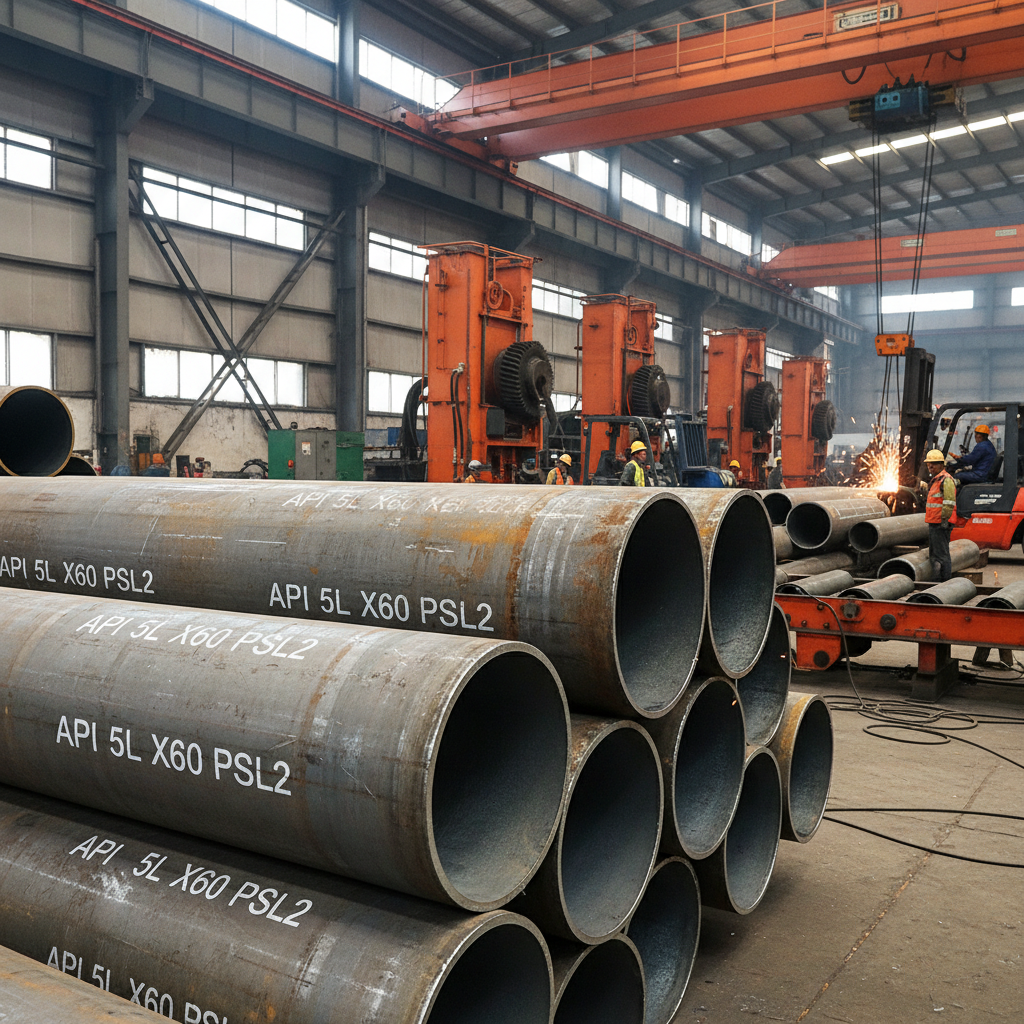
api 5l x60 psl2 specification

Global Relevance of api 5l x60 psl2 specification
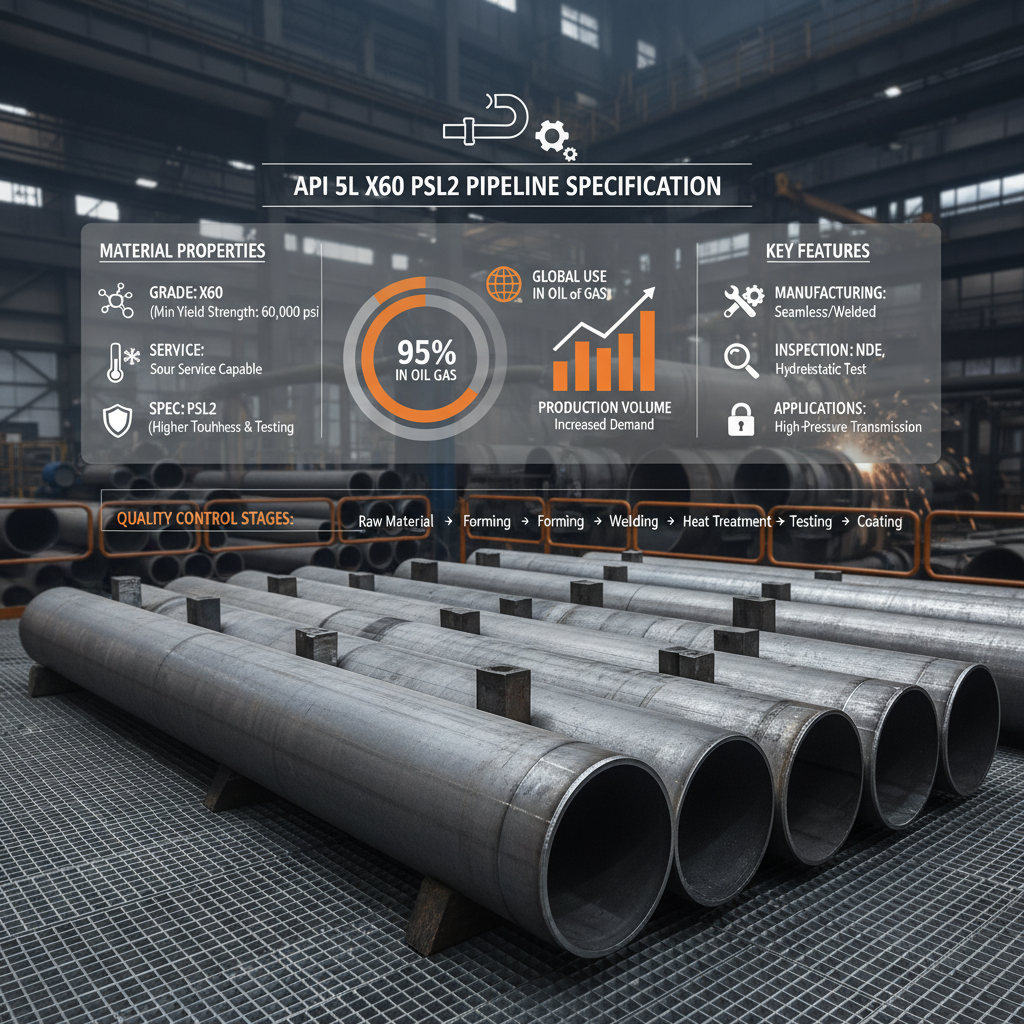
api 5l x60 psl2 specification

On a global scale, the api 5l x60 psl2 specification is more than just a technical manual; it is a safety protocol that governs the movement of billions of cubic feet of gas and barrels of oil. From the sprawling pipelines of North America to the strategic energy corridors of Central Asia, this specification ensures that materials are uniform regardless of the country of origin. According to industry trends aligned with ISO standards, the demand for high-yield, low-alloy steels has surged as projects move into more challenging terrains.

The primary challenge addressed by this specification is the prevention of pipeline failure in volatile environments. Without the strict adherence to PSL2 requirements—which demand tighter control over carbon equivalents and mandatory toughness testing—the industry would face significantly higher rates of leakage and rupture. This global standardization allows for seamless international trade in seamless pipes and welded pipes, ensuring that a pipe manufactured in one continent meets the safety expectations of another.

Technical Definition and Meaning

In simple terms, the api 5l x60 psl2 specification defines a specific grade of carbon steel designed for transportation pipelines. The "X60" denotes the minimum yield strength of 60,000 psi (approximately 414 MPa), while "PSL2" (Product Specification Level 2) indicates a higher quality tier than PSL1. While PSL1 is suitable for basic applications, PSL2 is mandatory for pipelines operating under high pressure or in environments where fracture toughness is a critical safety factor.

From a metallurgical perspective, this specification governs the precise chemistry of the steel, limiting elements like sulfur and phosphorus to enhance purity. This is closely linked to the modern humanitarian need for environmental protection; by ensuring the structural integrity of the pipe, the specification prevents oil spills and gas leaks that could devastate local ecosystems and communities.

Ultimately, the api 5l x60 psl2 specification bridges the gap between raw material production and engineering reliability. It transforms a simple cylinder of steel into a precision-engineered component capable of transporting energy securely across thousands of miles of unpredictable terrain.

Core Components of Performance

One of the most critical factors within the api 5l x60 psl2 specification is Fracture Toughness. Unlike lower grades, PSL2 requires Charpy V-notch impact testing to ensure the steel does not become brittle at low temperatures. This is essential for pipelines crossing arctic regions or deep-sea beds where thermal shock could otherwise lead to sudden, catastrophic failure.

Chemical Composition and Weldability are equally vital. The api 5l x60 psl2 specification mandates a strict Carbon Equivalent (CE) limit. By controlling the chemistry, the steel remains "weldable" in the field, meaning it can be joined without creating brittle heat-affected zones (HAZ), which are common points of failure in inferior pipe grades.

Finally, Dimensional Precision and Pressure Resistance ensure that the pipes fit perfectly during installation. The specification sets tight tolerances for wall thickness and ovality, which are critical for maintaining a consistent pressure rating throughout the entire pipeline network, reducing the risk of localized stress concentrations.

Industrial Applications and Use Cases

The real-world application of the api 5l x60 psl2 specification is most evident in high-pressure natural gas transmission lines. In regions like the Middle East or North America, where gas is transported over vast distances at high velocities, the X60 grade provides the necessary strength-to-weight ratio to keep costs down while maintaining a massive safety margin.

Beyond standard transmission, these pipes are frequently used in offshore oil platforms and subsea pipelines. In these remote industrial zones, maintenance is incredibly expensive and difficult; therefore, the enhanced reliability offered by the PSL2 specification is not just a preference but a financial necessity to avoid the astronomical costs of underwater repair.

Comparative Performance of api 5l x60 psl2 specification Variants

Long-Term Value and Safety Advantages

The long-term value of implementing the api 5l x60 psl2 specification lies in the drastic reduction of Lifecycle Cost (LCC). While the initial procurement cost of PSL2 material may be slightly higher than PSL1, the reduction in maintenance intervals and the prevention of leak-related fines provide a massive return on investment over a 20-to-30-year operational window.

From a psychological and social perspective, utilizing this specification builds trust with regulators and the public. In an age of heightened environmental scrutiny, being able to certify that a pipeline meets the api 5l x60 psl2 specification demonstrates a commitment to safety and dignity for the communities living along the pipeline route.

Future Trends in Pipeline Metallurgy

As the world shifts toward a hydrogen economy, the api 5l x60 psl2 specification is evolving. One of the primary future trends is "hydrogen embrittlement" resistance. Engineers are looking at how to modify the X60 microstructure to prevent hydrogen atoms from infiltrating the steel lattice, which could lead to cracking in future hydrogen-blended natural gas lines.

Digital transformation is also playing a role. We are seeing the rise of "Smart Pipes," where the physical properties defined by the api 5l x60 psl2 specification are paired with embedded fiber-optic sensors. This allows operators to monitor stress and strain in real-time, effectively creating a digital twin of the physical asset.

Furthermore, sustainability is driving the development of "Green Steel" for pipelines. Future iterations of the specification may incorporate requirements for steel produced via electric arc furnaces (EAF) using renewable energy, ensuring that the energy transport infrastructure is as sustainable as the energy it carries.

Overcoming Challenges in Specification Compliance

Despite the clarity of the api 5l x60 psl2 specification, achieving consistent compliance across different batches can be challenging. The most common issue is "chemical drift," where slight variations in the smelting process can push the carbon equivalent outside the allowed PSL2 range, leading to rejected shipments and project delays.

To overcome this, leading manufacturers are implementing automated ladle metallurgy and real-time spectral analysis. By monitoring the melt in real-time, they can ensure that every single heat of steel perfectly aligns with the api 5l x60 psl2 specification before the casting process even begins.

Another challenge is the rigorous testing required for PSL2. Many smaller suppliers struggle with the impact testing requirements. The solution lies in strategic partnerships with certified third-party laboratories that specialize in API standards, ensuring that every pipe length is verified through a transparent, audited chain of custody.

Comparison of Compliance Dimensions for API 5L X60 PSL2

Compliance Dimension PSL1 Requirement PSL2 Requirement Impact on Reliability
Chemical Limits Basic Strict/Mandatory High (Prevents Brittleness)
Impact Testing Optional Mandatory Critical (Low Temp Safety)
Fracture Toughness Not Specified Defined Minima High (Stops Crack Prop)
Weldability (CE) General Strictly Capped High (Field Joint Integrity)
Dimensional Tolerance Standard Tightened Medium (Easier Fitting)
Certification Mill Cert Full Traceability Very High (Audit Proof)

FAQS

What is the main difference between PSL1 and PSL2 in the api 5l x60 psl2 specification?

The primary difference lies in the rigor of the requirements. PSL2 (Product Specification Level 2) mandates strict chemical composition limits, compulsory impact testing for toughness, and tighter dimensional tolerances. While PSL1 is acceptable for low-risk applications, PSL2 is required for critical infrastructure where the risk of brittle fracture must be minimized and higher reliability is non-negotiable.

Can api 5l x60 psl2 specification pipes be used for hydrogen transport?

Currently, X60 PSL2 is widely used for natural gas. However, for pure hydrogen transport, additional considerations regarding hydrogen embrittlement are required. While the high quality of PSL2 provides a better starting point than PSL1, specific metallurgical modifications or internal coatings may be necessary to ensure long-term safety when transporting high-pressure hydrogen.

How does the X60 grade affect the wall thickness of the pipeline?

The "X60" indicates a yield strength of 60,000 psi. Because X60 steel is stronger than X42 or X52, engineers can often use a thinner wall thickness to achieve the same internal pressure rating. This reduces the overall weight of the pipeline, lowering shipping costs and simplifying the installation process without sacrificing safety.

Is impact testing mandatory for all X60 pipes?

No, it is not mandatory for all X60 pipes, but it IS mandatory if the pipe is ordered under the api 5l x60 psl2 specification. If the pipe is ordered as PSL1, impact testing is optional unless specifically requested by the purchaser. This is why PSL2 is the standard for high-risk or cold-weather environments.

What is the Carbon Equivalent (CE) and why does it matter in PSL2?

The Carbon Equivalent is a formula used to determine the weldability of the steel. In the api 5l x60 psl2 specification, the CE is strictly capped. A lower CE means the steel is less likely to form hard, brittle zones during welding, which prevents cracks from forming at the joints of the pipeline.

How do I verify if my shipment meets the api 5l x60 psl2 specification?

Verification is done through the Mill Test Report (MTR). You should check the MTR for the specific chemical analysis, the yield and tensile strength results, and the Charpy V-notch impact test values. For PSL2, ensure the certification explicitly states "PSL2" and provides full heat traceability for every pipe segment delivered.

Conclusion

The api 5l x60 psl2 specification represents the industry's commitment to balancing high-performance strength with uncompromising safety. By defining strict parameters for chemical composition, weldability, and fracture toughness, this specification ensures that energy infrastructure can withstand the most demanding operational environments. From reducing the risk of catastrophic leaks to optimizing material costs through superior yield strength, the X60 PSL2 grade remains a gold standard for seamless and welded pipes in the midstream sector.

Looking forward, as the energy landscape evolves toward greener alternatives and smarter monitoring, the principles of the api 5l x60 psl2 specification will continue to adapt. Whether it is integrating hydrogen-ready alloys or leveraging digital twins for predictive maintenance, the focus will remain on reliability and environmental stewardship. For companies seeking high-quality piping solutions that meet these rigorous global standards, visiting our expertise center is the first step toward a secure infrastructure. Visit our website: www.benkoometal.com

Garrett Lawson

Garrett Lawson

Garrett Lawson is a Project Coordinator at BENKOO METAL, supporting the North American market. He assists in managing complex orders and ensuring seamless communication between clients and the internal teams. With a Bachelor's degree in Engineering and a keen understanding of material specifications, Garrett works closely with major mining companies
Previous Understanding the API 5L Specification for Line Pipe Safety
Next Understanding the api 5l x65 psl2 specification for Pipeline Steel

If you are interested in our products, you can choose to leave your information here, and we will be in touch with you shortly.

  • captcha