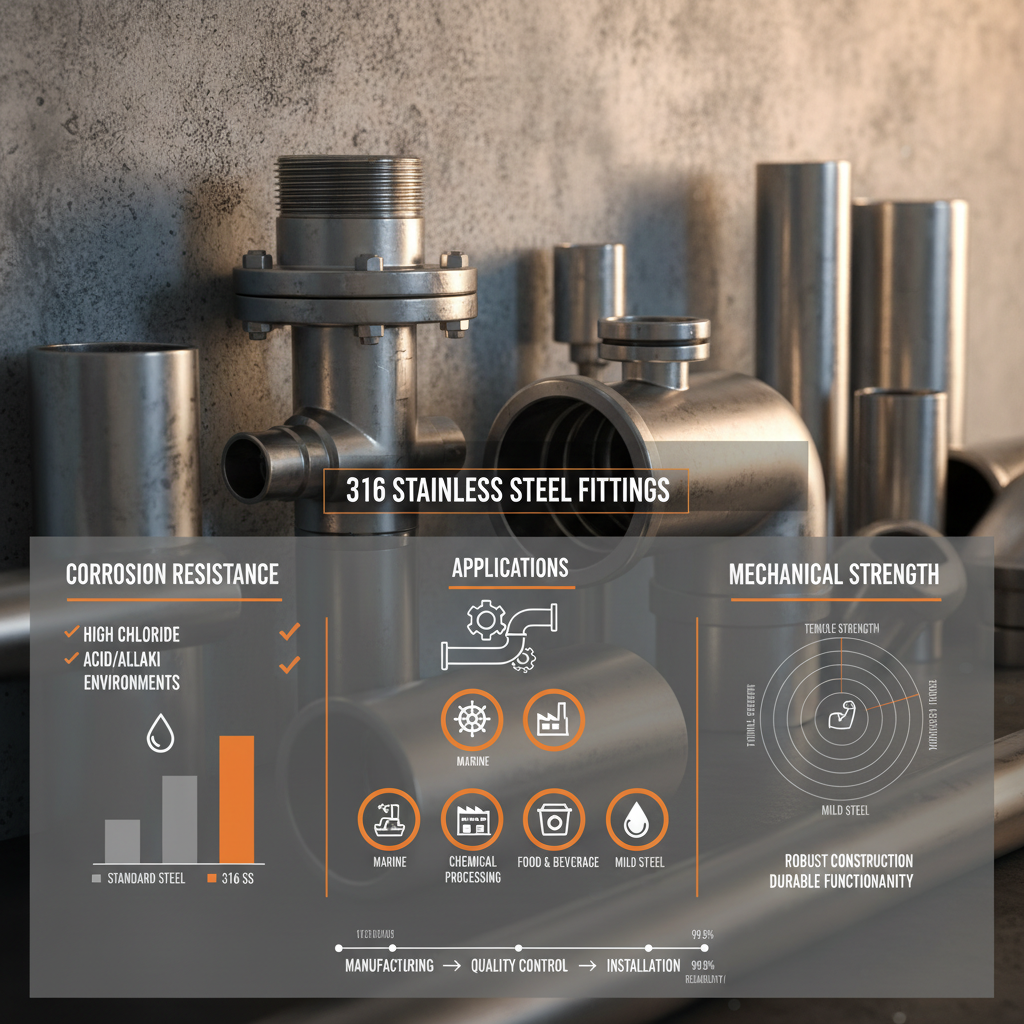
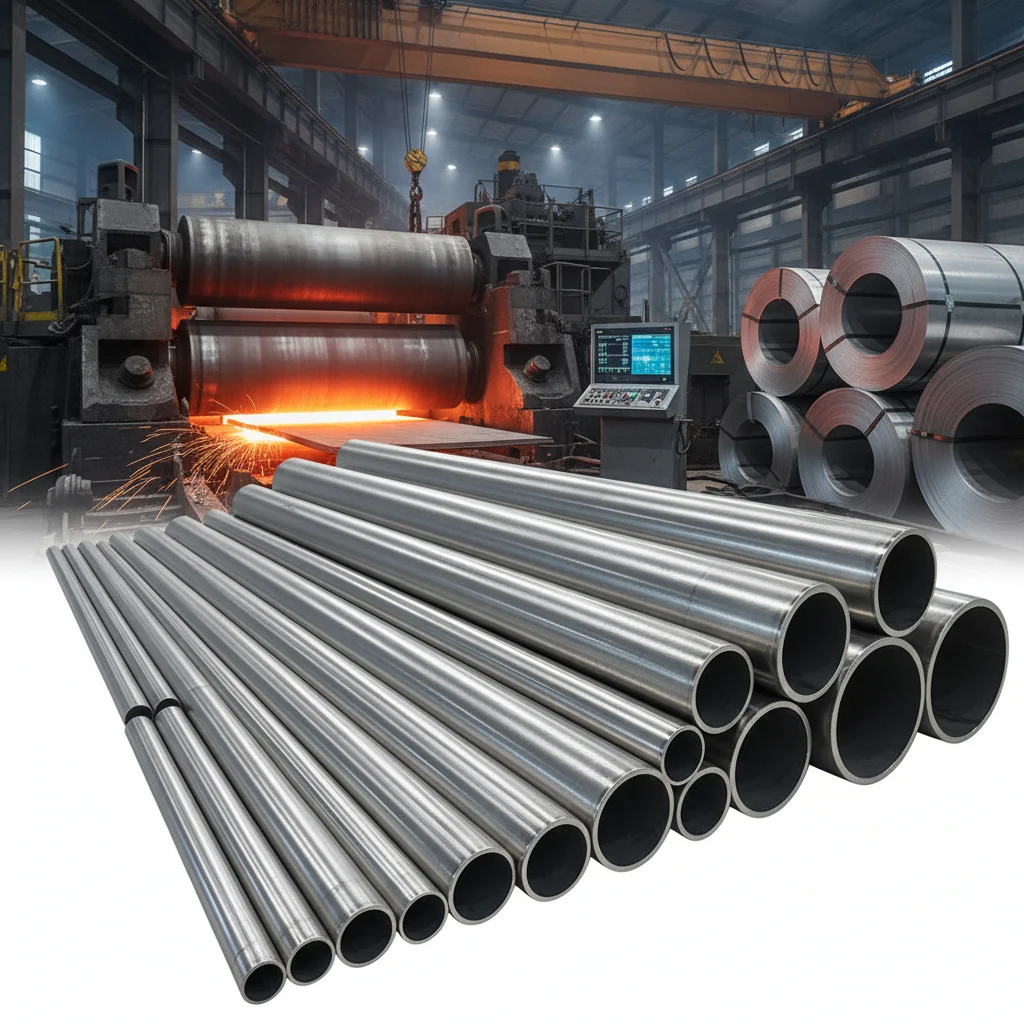
In the complex landscape of industrial fluid handling and structural engineering, 316 stainless steel fittings stand as the gold standard for reliability and corrosion resistance. These precision-engineered components are essential for maintaining the integrity of piping systems that transport aggressive chemicals, saltwater, or high-purity pharmaceuticals, ensuring that leakages are prevented and system longevity is maximized.
The global demand for high-grade alloys has surged as industries push toward more extreme environments, from deep-sea oil extraction to advanced biotechnology labs. By incorporating molybdenum into its composition, 316 stainless steel offers a significant advantage over standard grades, making these fittings indispensable for operations where safety and hygiene are non-negotiable priorities.
Understanding the technical nuances of 316 stainless steel fittings is not just about material selection; it is about optimizing the total cost of ownership. By reducing maintenance intervals and preventing catastrophic failures, these components provide a sustainable foundation for modern infrastructure across the globe.
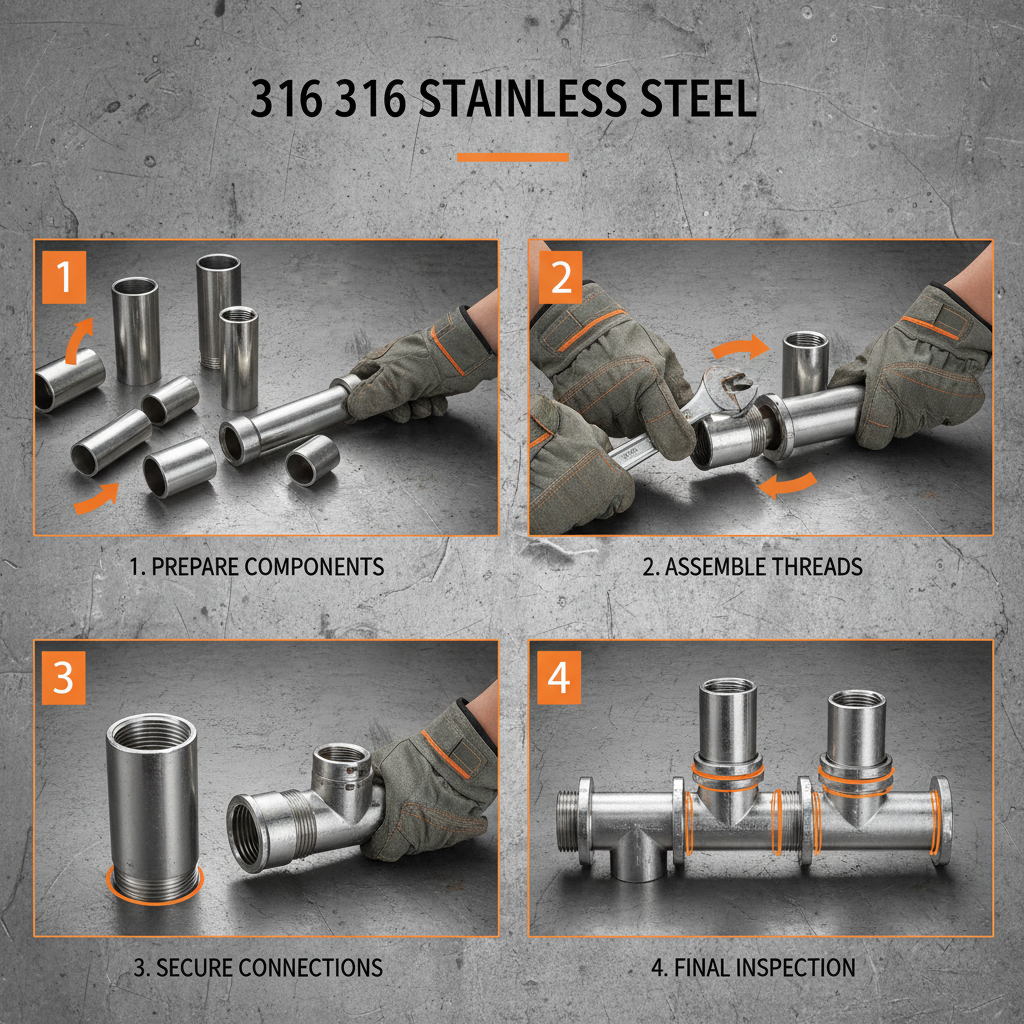
Global Relevance of 316 Stainless Steel Fittings
On a global scale, the reliance on 316 stainless steel fittings is driven by the rigorous standards set by ISO and ASTM. As emerging economies expand their chemical processing and desalination plants, the need for materials that can withstand chloride-induced pitting has become a critical engineering hurdle. Data from industrial surveys indicate that switching to 316-grade components can reduce unplanned downtime by up to 30% in marine environments.
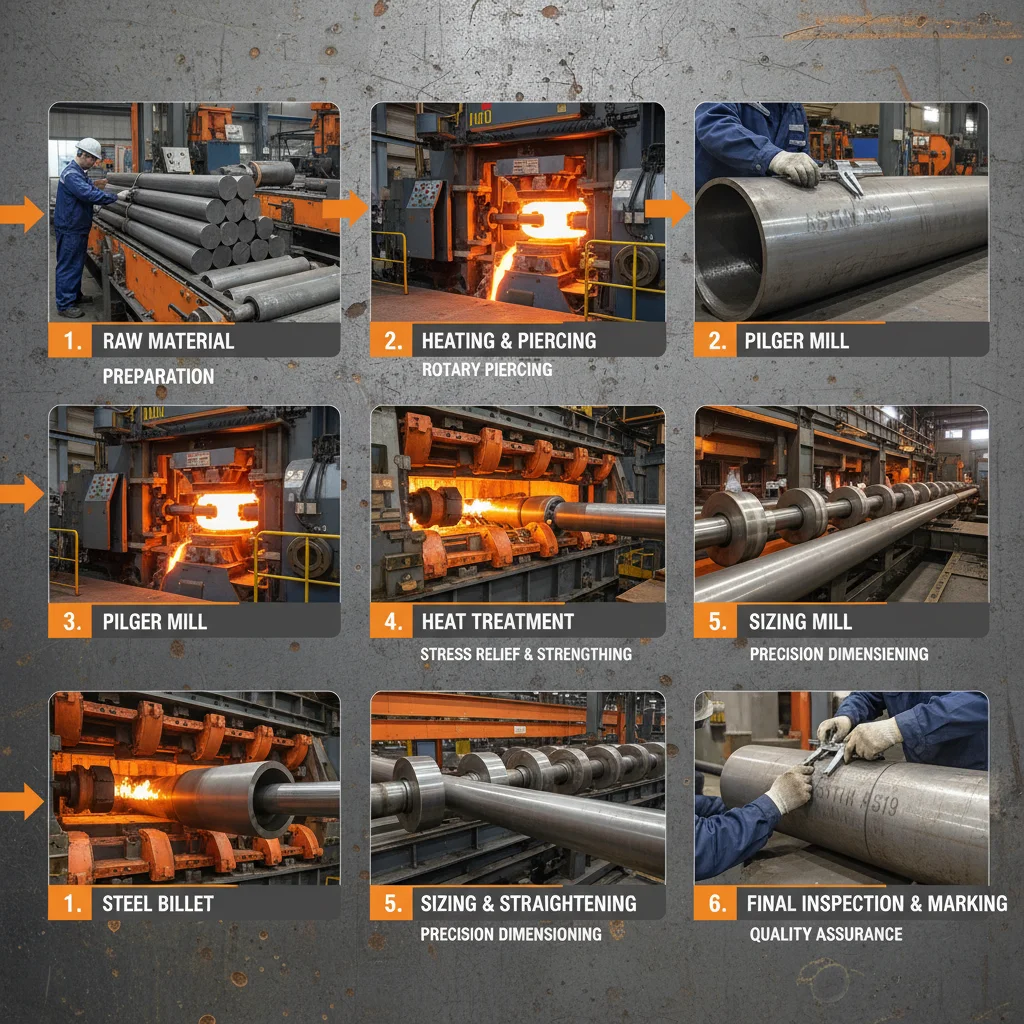
The challenge lies in the volatility of raw material costs and the precision required during the rolling and pressing process. However, the global shift toward "green" chemistry and carbon capture technologies requires piping systems that can handle corrosive solvents without degrading, placing 316 stainless steel at the heart of the energy transition.
Defining 316 Stainless Steel Fittings and Their Role
In simple terms, 316 stainless steel fittings are the connectors, elbows, tees, and reducers used to join pipes and control the flow of liquids and gases. Unlike 304 stainless steel, the 316 variety contains molybdenum, which significantly enhances its resistance to corrosion, particularly in saline or acidic environments. This makes it a "marine grade" material essential for any system exposed to the elements or harsh chemicals.
Beyond the technical definition, these fittings serve a humanitarian and industrial purpose by ensuring the safety of drinking water systems and the sterility of pharmaceutical production. When a fitting fails in a medical plant, the result isn't just a leak; it is a risk of contamination. Therefore, the role of 316 stainless steel is fundamentally about risk mitigation and the preservation of purity.
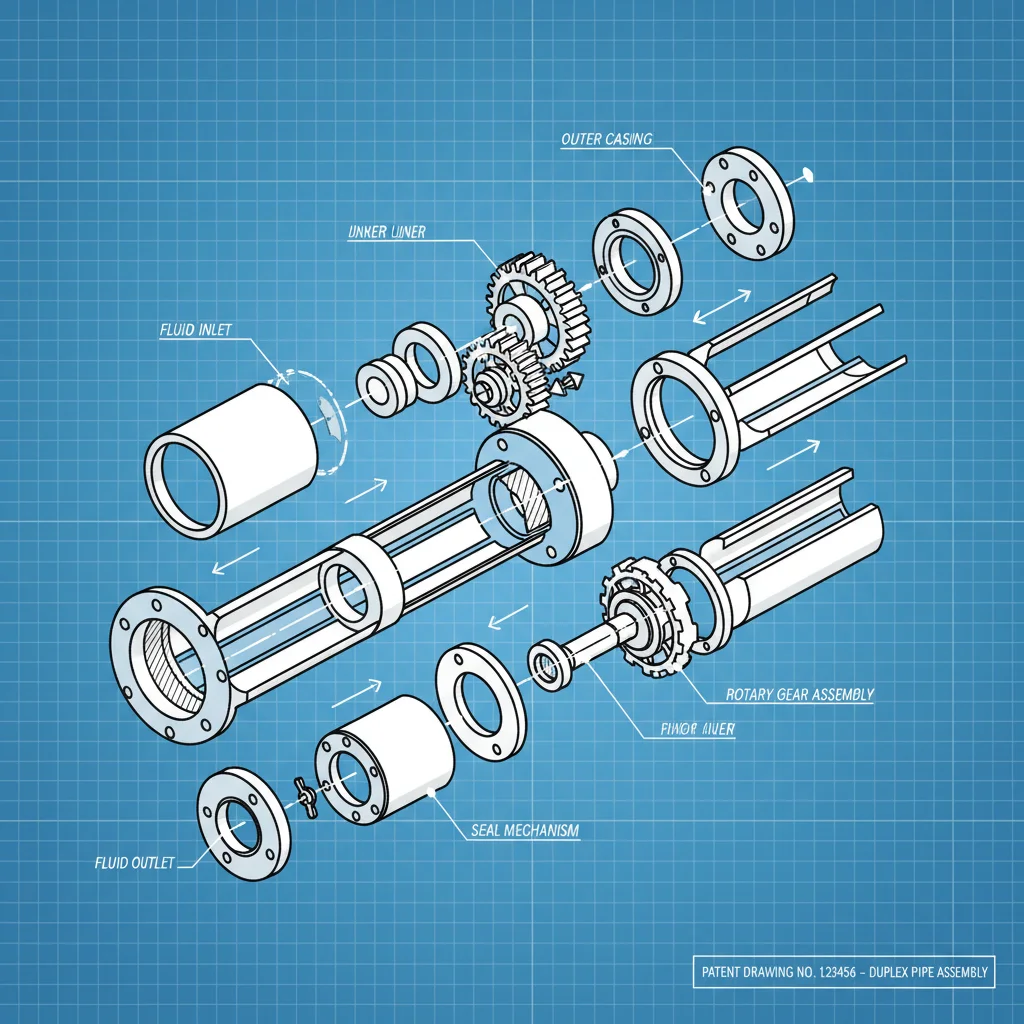
From a manufacturing perspective, these components are produced through seamless extrusion or precision welding, ensuring that there are no weak points where corrosion can begin. This seamless nature, combined with the alloy's inherent strength, allows for high-pressure operations that would be impossible with plastic or lower-grade metal alternatives.
Core Components of Fitting Performance
The durability of 316 stainless steel fittings is primarily derived from their chemical composition. The addition of 2-3% molybdenum creates a protective oxide layer that resists pitting and crevice corrosion, which is a common failure point in standard steel pipes exposed to saltwater.
Scalability is another core factor. These fittings are manufactured in a vast array of sizes and schedules to accommodate everything from micro-fluidic laboratory setups to massive industrial pipelines. This versatility ensures that engineers can maintain material consistency across an entire project, regardless of the pipe diameter.
Cost efficiency is realized not at the point of purchase, but over the lifecycle of the installation. While 316 alloys are more expensive upfront than 304 or carbon steel, the drastic reduction in replacement costs and the elimination of expensive anti-corrosion coatings make them the most economical choice for long-term infrastructure.
Industrial Applications and Global Use Cases
The real-world application of 316 stainless steel fittings spans across the most demanding sectors. In the oil and gas industry, specifically in offshore rigs in the North Sea or the Gulf of Mexico, these fittings are used to transport crude oil and brine, where the salt-heavy air would disintegrate lesser metals in a matter of months.
In the food and beverage industry, the non-reactive nature of 316 stainless steel is critical for maintaining flavor profiles and meeting FDA hygiene standards. Whether it is in a dairy processing plant in New Zealand or a brewery in Germany, these fittings prevent metallic leaching and allow for aggressive "Clean-in-Place" (CIP) sterilization cycles.
Performance Rating of 316 Stainless Steel Fitting Types
Long-Term Value and Sustainability Benefits
Investing in 316 stainless steel fittings is a decision that favors ecological sustainability. Because these materials do not corrode and leak, they prevent hazardous chemicals from seeping into the groundwater, thereby protecting local ecosystems and reducing the environmental footprint of industrial zones.
Furthermore, stainless steel is 100% recyclable. At the end of a plant's operational life, the fittings can be melted down and repurposed without loss of quality. This creates a circular economy within the metallurgical industry, reducing the need for destructive mining of new chrome and nickel ores.
Future Innovations in Alloy Engineering
The evolution of 316 stainless steel fittings is now moving toward "smart" metallurgy. Researchers are exploring the integration of nano-coatings that provide an additional barrier against extreme acids, potentially extending the service life of fittings in chemical reactors by another decade.
Digital transformation is also playing a role through additive manufacturing (3D printing). We are seeing the emergence of complex fitting geometries that were previously impossible to cast or machine, allowing for optimized flow dynamics that reduce turbulence and pressure drops in high-efficiency systems.
As we move toward a hydrogen economy, the industry is adapting 316-grade alloys to resist hydrogen embrittlement. This ensures that the next generation of clean energy pipelines will be as safe and durable as the oil pipelines of the past.
Overcoming Implementation Challenges
One of the primary challenges when deploying 316 stainless steel fittings is the risk of "galvanic corrosion" when they are connected to dissimilar metals. If a 316 fitting is paired directly with carbon steel in a wet environment, the less noble metal will corrode rapidly. The solution is the use of dielectric isolators or specialized gaskets to break the electrical path.
Another common issue is "sensitization" during welding, where chromium carbides precipitate at the grain boundaries, leaving the area vulnerable to intergranular corrosion. Expert welders now utilize "low carbon" versions (such as 316L) to prevent this phenomenon, ensuring the weld remains as corrosion-resistant as the base metal.
Lastly, the higher initial cost can be a barrier for smaller operations. However, we recommend a "criticality analysis" approach: using 316 fittings only in the most corrosive zones and 304 elsewhere. This hybrid strategy balances the budget while maintaining total system reliability.
Analysis of 316 Stainless Steel Fittings vs. Alternative Materials
| Material Grade |
Corrosion Resistance |
Initial Cost |
Service Life (Years) |
| 316 Stainless Steel |
Excellent (High Chloride) |
High |
25+ |
| 304 Stainless Steel |
Good (General Use) |
Medium |
15-20 |
| Carbon Steel |
Low (Needs Coating) |
Low |
5-10 |
| CPVC Plastic |
High (Chemical) |
Low |
10-15 |
| Titanium |
Extreme |
Very High |
50+ |
| Duplex Steel |
Very High |
High |
30+ |
FAQS
The primary difference is the addition of molybdenum in 316 stainless steel. While 304 is excellent for general purpose use, the molybdenum in 316 provides superior resistance to pitting and crevice corrosion in chloride-rich environments, such as seawater or chemical processing plants, making it the preferred choice for marine and pharmaceutical applications.
Yes, 316 stainless steel maintains good mechanical properties at elevated temperatures. It is widely used in heat exchangers and steam lines. However, for extremely high-temperature applications (above 800°C), specialized alloys or 310-grade stainless steel may be required to prevent oxidation and scaling.
Visually, they are identical. The most reliable methods are using a Material Test Report (MTR) provided by the manufacturer or using a handheld XRF (X-ray fluorescence) analyzer, which can instantly detect the presence of molybdenum. Chemical spot tests are also available but are less precise than XRF.
Absolutely. In fact, they are highly recommended. Because 316 is non-reactive and does not leach metallic tastes or toxins into the water, it is ideal for high-purity water systems. Its resistance to corrosion also prevents the buildup of biofilm and rust, ensuring a cleaner water supply over time.
The "L" stands for "Low Carbon." 316L has a lower carbon content than standard 316. This is crucial during welding, as it prevents the formation of chromium carbides (sensitization), which would otherwise make the weld area susceptible to corrosion. 316L is the industry standard for any fitting that requires welding.
Depending on the medium, inspections are typically recommended every 2 to 5 years. In highly aggressive acidic environments, annual ultrasonic thickness testing is advised. Because 316 fails through pitting rather than general thinning, focusing on weld joints and crevices during inspection is critical.
Conclusion
In summary, 316 stainless steel fittings represent the optimal balance of durability, safety, and long-term value for modern industrial piping. From their superior resistance to chloride corrosion thanks to molybdenum, to their role in sustainable, recyclable infrastructure, these components are essential for any operation where failure is not an option. By choosing the correct grade and installation method, companies can significantly reduce operational risk and maintenance overhead.
Looking forward, as we embrace the challenges of green energy and advanced biotech, the demand for high-precision, corrosion-resistant alloys will only increase. We suggest that engineers and procurement managers prioritize Material Test Reports and a lifecycle-cost analysis when selecting their fittings to ensure maximum system integrity. For premium quality components and expert technical guidance, visit our website: www.benkoometal.com.