Advanced duplex pipe Solutions for Japan's Industrial Infrastructure

High-precision steel rolling and fabrication services tailored for the rigorous seismic and corrosive standards of the Japanese manufacturing sector.

Advanced duplex pipe Solutions for Japan's Industrial Infrastructure

Providing the Japanese market with world-class steel rolling and precision pipe fabrication, ensuring structural integrity and corrosion resistance for extreme environments.

Current Landscape of Steel Rolling in Japan

Analyzing the synergy between high-tech metallurgy and Japan's unique geographical demands.

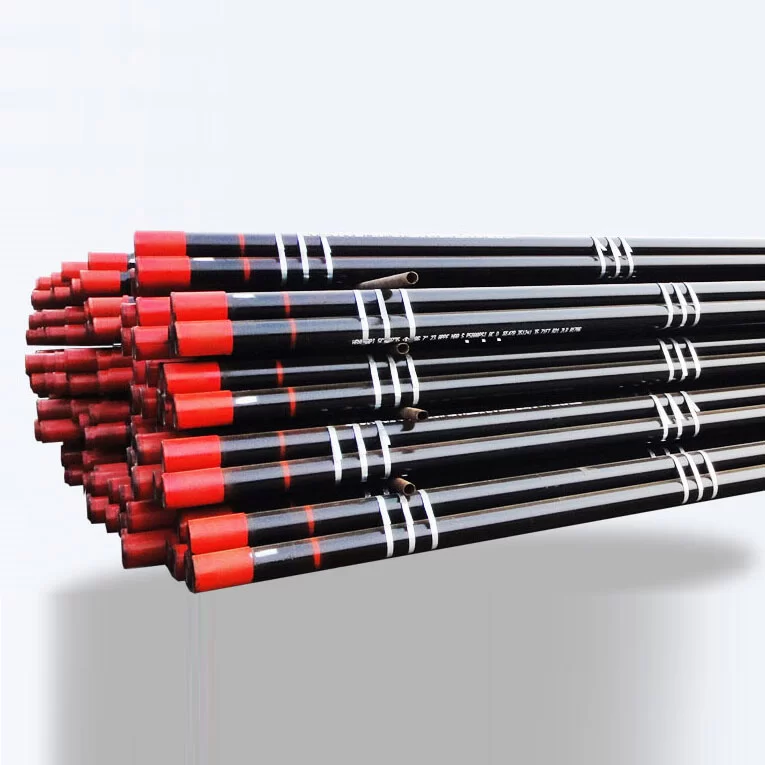
Japan's steel rolling industry operates under some of the world's strictest quality controls, driven by the necessity for seismic resilience. The demand for structural steel pipe is heavily influenced by the need for lightweight yet ultra-strong materials that can withstand tectonic activity and high urban density.

Due to its extensive coastline and heavy reliance on maritime trade, there is a critical demand for materials that resist salt-spray corrosion. This has led to a surge in the adoption of titanium pipe fittings in chemical plants and desalination facilities across the Kanto and Kansai regions.

Economically, the industry is shifting toward "Green Steel" and energy-efficient rolling processes. Japanese firms are prioritizing suppliers who can provide certified, low-carbon round tube steel that aligns with Japan's 2050 carbon neutrality goals.

Evolution of Precision Tube Fabrication

From traditional heavy rolling to AI-driven metallurgical precision.

Market Development History

In the post-war era (1950s-1980s), the focus was on mass production of carbon steel for rapid urban reconstruction, primarily utilizing basic rolling mills for standard structural steel pipe used in skyscrapers.

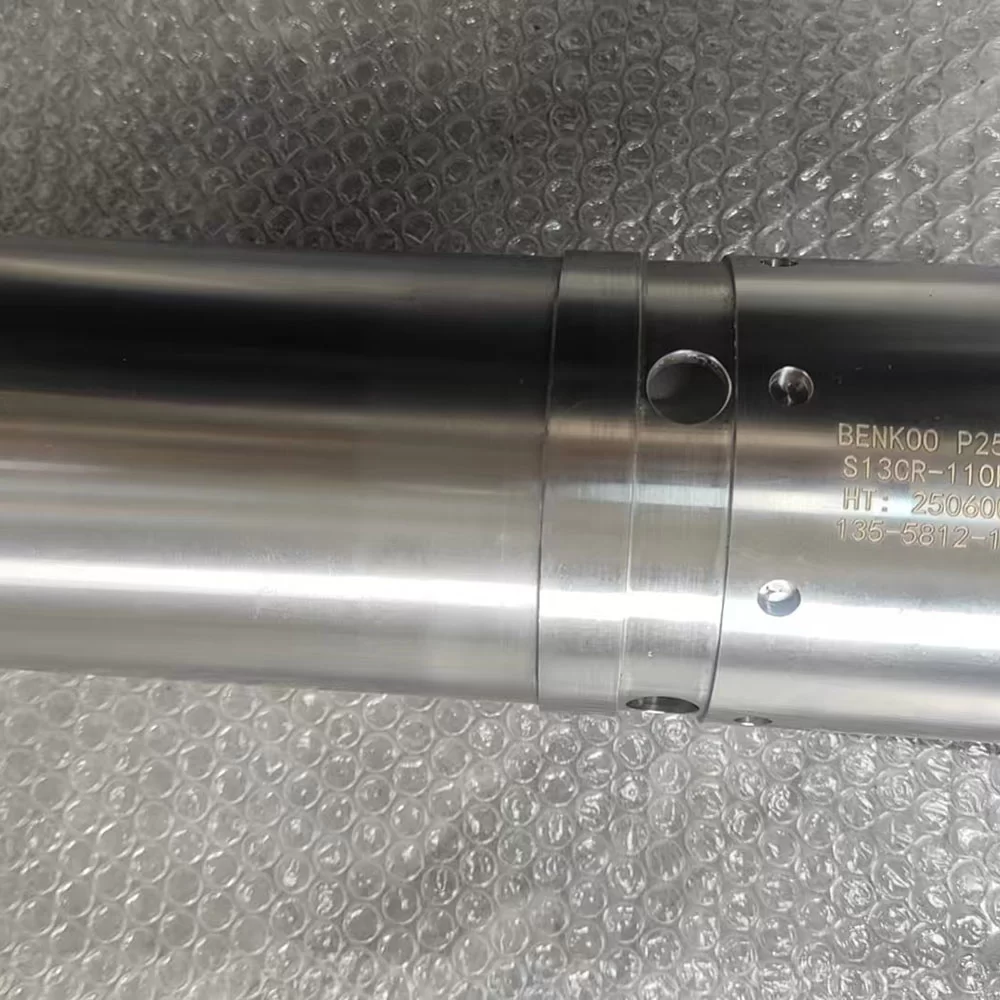
Between 1990 and 2010, the transition toward specialized alloys began. The introduction of advanced duplex stainless steels allowed for thinner walls without sacrificing strength, revolutionizing tube building techniques for the petrochemical industry.

From 2010 to the present, the era of "Specialty Metallurgy" has arrived. Japan has become a global hub for titanium applications, shifting the search for reliable titanium tube suppliers to prioritize purity and vacuum-arc remelting (VAR) technologies.

Future Development Trends

Smart Manufacturing 4.0

Integration of IoT in rolling mills to monitor wall thickness in real-time, reducing scrap rates for high-cost duplex and titanium alloys.

Hydrogen-Ready Infrastructure

Development of specialized steel pipes capable of transporting liquid hydrogen without hydrogen embrittlement, a key pillar of Japan's energy strategy.

Additive Manufacturing Hybridization

Combining traditional rolling with 3D metal printing to create complex titanium pipe fittings with optimized internal flow dynamics.

Industry Outlook and Strategic Trends

Predicting the trajectory of the black metal processing industry in the Asia-Pacific region.

Decarbonized Rolling
Transitioning to electric arc furnaces (EAF) to reduce the carbon footprint of steel production.
Alloy Optimization
Increased use of super-duplex grades to replace heavier alloys in offshore platforms.
Precision Tolerance
Moving toward micron-level precision for aerospace-grade titanium tubes.
Digital Twin Integration
Simulating the rolling process digitally to ensure structural uniformity before production.

Industry Outlook

Google search trends indicate a growing interest in "sustainable metallurgy" and "high-performance alloys" within the Japanese industrial sector. We expect a shift from generic steel procurement to highly customized, performance-based sourcing.

The future will be defined by the ability to integrate rare metals with carbon steel, creating hybrid components that offer both the cost-effectiveness of round tube steel and the resilience of titanium.

Localized Application Scenarios in Japan

Real-world implementations of high-performance rolling steel across Japanese industries.

1. Tokyo Bay Chemical Plant Infrastructure

Utilization of duplex pipe systems to handle highly corrosive chemical waste in saline environments, reducing maintenance cycles by 40%.

2. Osaka Urban High-Rise Frameworks

Implementing high-tensile structural steel pipe in seismic-damping systems to ensure building stability during earthquakes.

3. Nagoya Automotive Exhaust Systems

Precision-rolled round tube steel for next-generation hybrid vehicle exhaust manifolds, focusing on thermal expansion control.

4. Hokkaido Desalination Facilities

Integration of components from premium titanium tube suppliers to prevent pitting corrosion in cold-water intake systems.

5. Fukuoka Semi-conductor Cleanrooms

Installation of high-purity titanium pipe fittings for ultra-pure gas delivery lines, ensuring zero contamination in chip fabrication.

Brand Story

Global Development History of Handan Benkoo Metal Co., Ltd.

Foundational Excellence

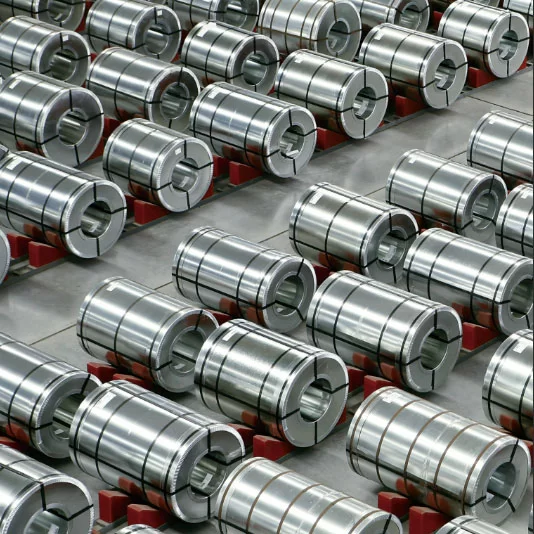
Established as a specialized rolling mill, focusing on mastering the core physics of black metal deformation to provide stable structural components.

Technological Pivot

Invested in vacuum rolling technology to enter the high-end alloy market, solving the pain point of surface impurities in precision tubing.

Global Standardization

Achieved international certifications (ASTM, DIN, JIS), enabling the seamless export of specialized pipes to the rigorous Japanese market.

Sustainable Innovation

Launched a series of eco-friendly rolling processes, significantly reducing energy consumption per ton of finished steel.

Vision 2030

Expanding into intelligent metallurgical services, providing end-to-end tube building solutions for the global energy transition.

Complete Product Portfolio for the Japanese Market

A comprehensive range of rolled steel and alloy products meeting JIS and international standards.

Frequently Asked Questions for Japan Operations

Expert answers to common technical and logistical queries in the steel rolling industry.

How do you ensure duplex pipe meets JIS standards for seismic zones?

We utilize precise cold-rolling techniques and rigorous ultrasonic testing to ensure that the microstructure of the duplex steel provides the optimal balance of yield strength and ductility required for seismic resilience.

Who are the most reliable titanium tube suppliers for semiconductor use?

Suppliers who utilize VAR (Vacuum Arc Remelting) and provide full traceability and surface roughness certifications (Ra values) are considered the most reliable for high-purity applications.

What is the lead time for customized structural steel pipe orders in Japan?

Depending on the alloy grade and rolling complexity, lead times typically range from 4 to 8 weeks, including strict quality inspection and JIS certification processing.

Can titanium pipe fittings be welded using standard methods?

Titanium requires an inert gas environment (TIG welding with argon shielding) to prevent oxidation and embrittlement, ensuring the joint maintains the alloy's inherent strength.

What are the benefits of round tube steel over square profiles in fluid dynamics?

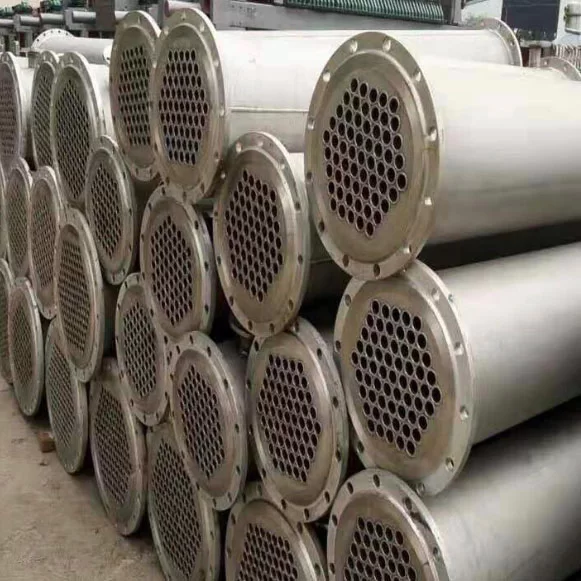
Round profiles minimize turbulence and pressure drops in fluid transport, making them essential for high-efficiency heat exchangers and chemical transport lines.

How does modern tube building handle extreme temperature fluctuations?

By utilizing thermal expansion loops and choosing materials with low coefficients of thermal expansion, such as specific titanium alloys or duplex grades, we prevent structural fatigue.

Request a Technical Consultation

Our engineers are ready to support your next industrial project in Japan with precision rolled steel and advanced alloy solutions.

Contact Us Now

If you are interested in our products, you can choose to leave your information here, and we will be in touch with you shortly.

  • captcha