Advanced Structural Steel Pipe Solutions for Canada's Infrastructure

Providing high-performance metallurgical engineering and precision rolled steel products tailored for the rigorous demands of the Canadian industrial landscape.

Advanced Structural Steel Pipe Solutions for Canada's Infrastructure

Engineering the backbone of Canadian industry with premium structural steel pipe and high-alloy tube solutions designed for extreme thermal stability and corrosion resistance.

The State of Steel Rolling and Pipe Fabrication in Canada

Analyzing the intersection of extreme climate challenges and industrial metallurgical requirements.

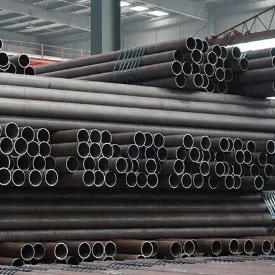
In Canada, the steel rolling industry is heavily influenced by the geographical demand for materials that can withstand extreme temperature fluctuations. From the oil sands of Alberta to the hydroelectric projects in Quebec, the reliance on high-strength round tube steel is paramount for maintaining structural integrity during deep-freeze winters.

The Canadian market is currently shifting towards specialized alloys to combat the aggressive corrosive environments found in coastal provinces and mining sites. This has led to an increased adoption of duplex pipe, which offers a superior balance of strength and chloride stress corrosion cracking resistance compared to standard austenitic steels.

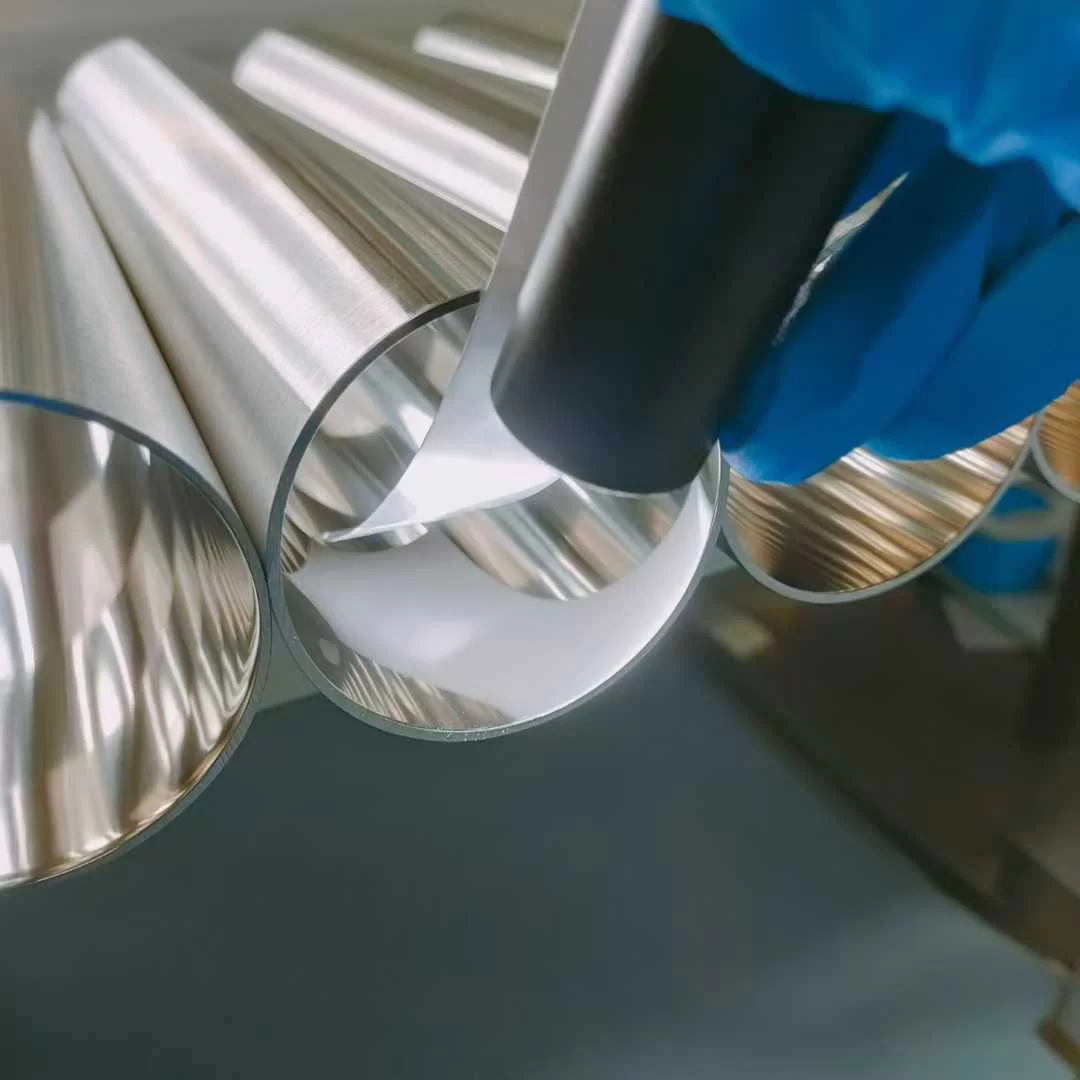
Furthermore, the stringent regulatory standards across North America necessitate a supply chain that prioritizes traceability and certification. Canadian firms are increasingly seeking titanium tube suppliers who can provide aerospace-grade and medical-grade precision to support the growing high-tech manufacturing hubs in Ontario and British Columbia.
Evolution of Steel Rolling Technology in North America

From traditional hot-rolling to AI-driven precision metallurgical processing.

Market Development History

During the early 20th century, Canadian steel rolling focused primarily on heavy rail and basic structural components. The process was dominated by traditional hot-rolling mills that prioritized volume over tight tolerances, serving the expansion of the national railway system.

By the 1980s and 90s, the industry saw a technical iteration toward Cold Rolled Precision (CRP) and the introduction of seamless tube technology. This era marked the rise of specialized tube building techniques, allowing for thinner walls with higher pressure ratings for the burgeoning petrochemical sector.

Entering the 2010s, the focus shifted to "Super Alloys." The integration of automated laser welding and advanced heat treatment enabled the production of complex titanium pipe fittings, reducing material waste and increasing the fatigue life of components used in extreme environments.

Future Development Trends

Green Hydrogen Compatibility

The shift toward a hydrogen economy in Canada will drive demand for pipes that prevent hydrogen embrittlement, favoring high-nickel alloys and specialized coatings.

Additive Manufacturing Integration

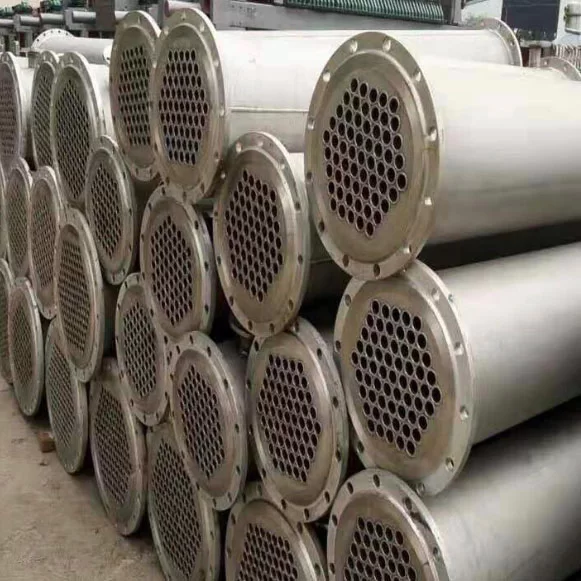
Hybrid manufacturing, combining traditional rolling with 3D metal printing, will allow for customized internal geometries in heat exchangers and chemical reactors.

Smart Metallurgy (Industry 4.0)

Real-time sensor integration during the rolling process will allow for "Dynamic Grade Adjustment," ensuring every millimeter of the tube meets exact regional stress specifications.

Industry Trends and Future Outlook

Strategic projections for the Canadian metallurgical and pipe processing sector.

Decarbonized Production
Transitioning to Electric Arc Furnaces (EAF) to reduce the carbon footprint of primary steel production in line with Canada's 2050 net-zero goals.
High-Alloy Specialization
Increasing demand for Duplex and Super Duplex grades to serve the expanding LNG export terminals on the West Coast.
Precision Logistics
Implementation of blockchain-based material certification to ensure 100% compliance with CSA (Canadian Standards Association) guidelines.
Advanced Coating Tech
Development of nano-ceramic linings for tubes to extend service life in the aggressive acid-leaching processes of Canadian mining.

Industry Outlook

Based on Google Search trends for "sustainable metallurgy" and "high-strength alloys," we anticipate a significant surge in the demand for lightweight yet ultra-strong materials. The Canadian market will likely move away from generic carbon steel toward tailor-made alloys that offer a lower lifecycle cost despite higher initial investment.

The integration of AI in the rolling process is expected to reduce scrap rates by 15% over the next 3-5 years, allowing for more competitive pricing on specialized products like titanium pipe fittings for the aerospace sector in Montreal.

Localized Application Scenarios in Canada

Real-world implementations of precision steel rolling products across diverse Canadian industries.

01. Oil Sands Extraction in Alberta

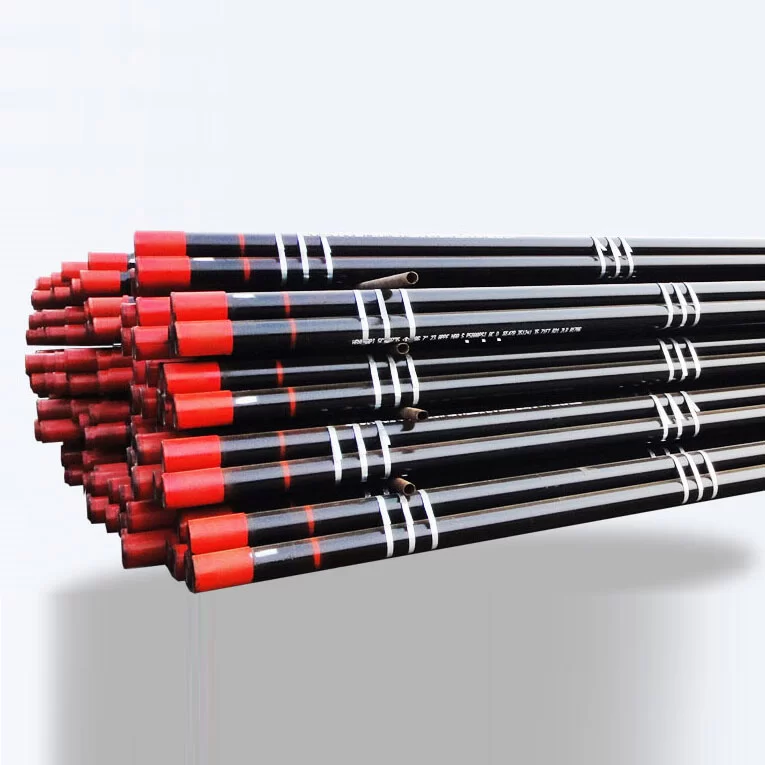
Utilizing high-wall structural steel pipe for the construction of heavy-duty transport frames and modular piping systems that withstand extreme abrasive sands and sub-zero temperatures.

02. Arctic Offshore Exploration

Deployment of duplex pipe for saltwater-resistant pipelines and heat exchangers, ensuring zero leakage and high corrosion resistance in the harsh North Atlantic and Arctic waters.

03. Aerospace Manufacturing in Quebec

Strategic sourcing from titanium tube suppliers for the production of lightweight hydraulic lines and engine components for next-generation aircraft.

04. Mining Infrastructure in Ontario

Implementing specialized round tube steel for deep-shaft support structures and ventilation systems in nickel and gold mining operations.

05. Hydroelectric Power Plants in BC

Using precision-engineered tube building components for high-pressure penstocks and turbine cooling systems that require absolute dimensional accuracy.

Brand Story

Global Development Journey of Handan Biaoku Metal Co., Ltd.

Foundational Excellence

Established with a focus on precision rolling, we began by solving the core pain point of dimensional instability in heavy-duty steel tubes.

Technological Diversification

Expanded our capabilities into high-alloy metallurgy, mastering the complex rolling processes required for duplex and titanium alloys.

Global Quality Standardization

Achieved international certifications (ASTM, ASME, DIN), allowing our products to seamlessly integrate into the North American industrial grid.

Canadian Market Penetration

Tailored our production lines to meet the specific cold-weather toughness requirements of the Canadian energy and mining sectors.

Vision for Sustainable Steel

Now leading the transition toward eco-friendly rolling processes, reducing emissions while increasing the performance of our specialized alloy tubes.

Comprehensive Steel Solutions for the Canadian Market

A complete portfolio of rolled steel and alloy piping designed for North American industrial standards.

Canadian Industrial Steel FAQ

Expert answers to the most common technical queries regarding steel rolling and pipe selection.

What are the best specifications for round tube steel in sub-zero temperatures?

For Canadian winters, we recommend low-temperature carbon steels or impact-tested alloys that maintain ductility at -40°C to prevent brittle fracture.

How does duplex pipe compare to stainless steel for coastal Alberta installations?

Duplex pipe provides higher yield strength and significantly better resistance to pitting and stress corrosion cracking in salty, moist environments.

Where can I find certified titanium tube suppliers for aerospace projects in Montreal?

We serve as a primary supplier, offering AS9100 compliant titanium tubing with full material traceability and precision rolling tolerances.

What structural steel pipe grades are approved for CSA standards in Canada?

We provide grades such as ASTM A500 and A1011, which are widely accepted under CSA G40.21 standards for structural applications.

Are custom titanium pipe fittings available for high-pressure chemical processing?

Yes, we specialize in CNC-machined and rolled titanium fittings that handle extreme pressures and highly corrosive acids.

What is the typical lead time for a custom tube building project in North America?

Depending on the alloy and complexity, lead times typically range from 4 to 8 weeks, including quality testing and shipping to Canada.

Request a Technical Consultation

Our engineering team is ready to assist with your high-precision steel requirements across Canada. Let's optimize your infrastructure together.

Contact Us Now

If you are interested in our products, you can choose to leave your information here, and we will be in touch with you shortly.

  • captcha