Advanced Structural Steel Pipe Solutions for US Infrastructure

Precision-engineered steel rolling and processing tailored for the rigorous demands of the North American industrial landscape.

Advanced Structural Steel Pipe Solutions for US Infrastructure

Providing high-performance structural steel pipe and specialized alloy tubes designed to meet ASTM and AWS standards for the United States construction and energy sectors.

Steel Processing Landscape in the United States

Analyzing the intersection of material science and regional economic demand in North America.

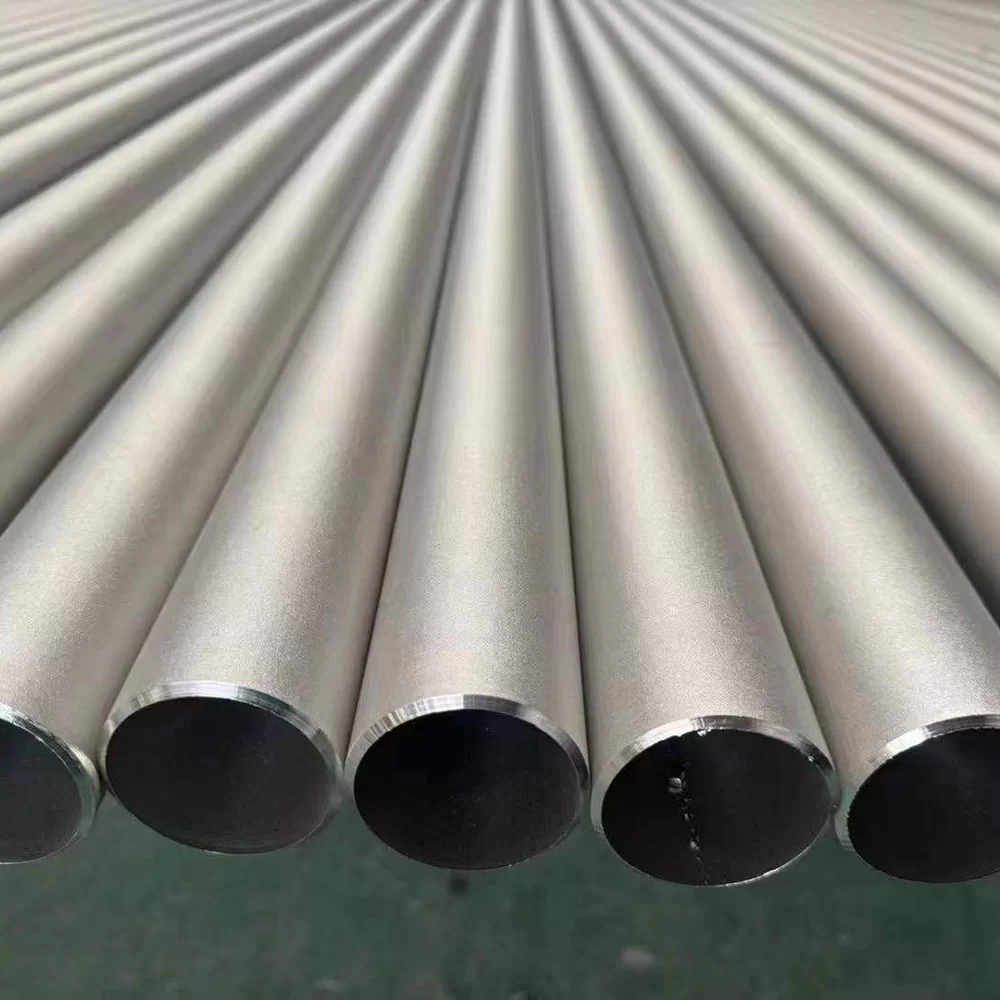
The United States market for steel rolling is currently characterized by a shift toward high-strength, low-alloy materials to support aging infrastructure. The demand for round tube steel remains consistent across the Midwest industrial belt, where automotive and machinery manufacturing require precise tolerances and high fatigue resistance.

In coastal regions and the Gulf Coast, the atmospheric salinity necessitates advanced corrosion resistance. This has led to an increased adoption of duplex pipe, which combines the benefits of ferritic and austenitic steels to withstand severe chloride-induced stress corrosion cracking common in US offshore platforms.

Furthermore, the aerospace and chemical processing hubs in states like Texas and California are driving the search for specialized titanium tube suppliers. The focus is no longer just on raw material availability, but on the precision of the rolling process to ensure wall thickness uniformity in high-pressure environments.

Evolution of Steel Rolling Technology

From traditional hot-rolling to precision digital metallurgy.

Market Development History

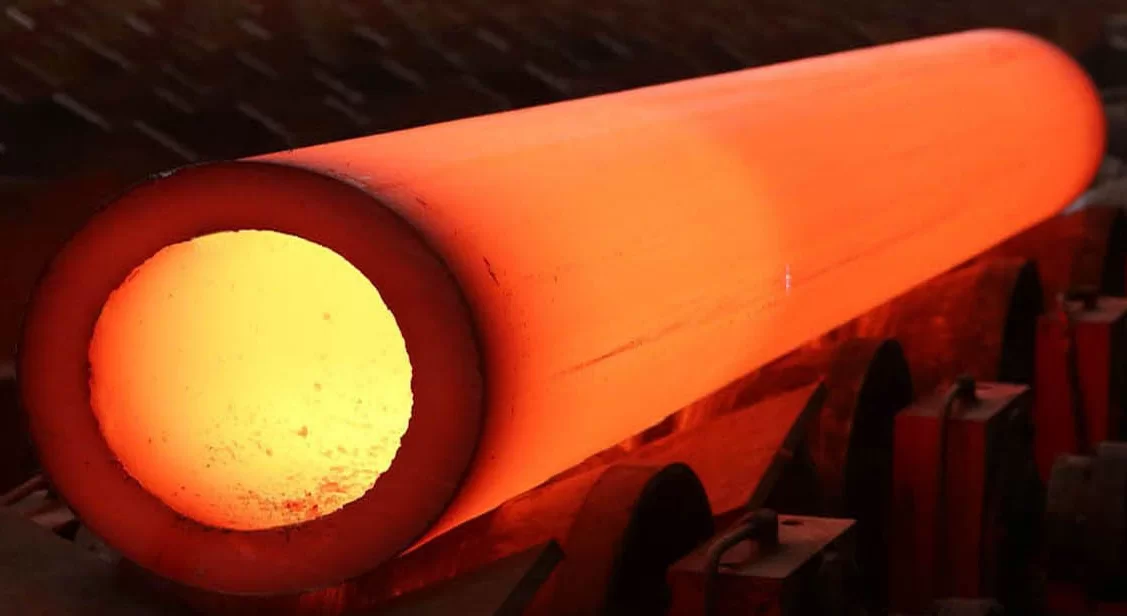
During the mid-20th century, the US steel industry relied heavily on massive hot-rolled mills producing standardized structural steel pipe for the booming post-war urban expansion, focusing on volume over metallurgical precision.

By the 1990s, the transition toward "mini-mills" and Electric Arc Furnace (EAF) technology allowed for more flexible production. This era saw the rise of specialized tube building techniques, integrating computer-aided design (CAD) to optimize weight-to-strength ratios.

In the last decade, the industry has pivoted toward "Smart Rolling." The integration of IoT sensors and real-time thermal monitoring has enabled the production of complex alloys and high-grade titanium pipe fittings with near-zero defect rates.

Future Development Trends

Green Steel Transition

The move toward hydrogen-based direct reduction is expected to reduce the carbon footprint of steel rolling, meeting strict US EPA regulations.

Additive Manufacturing Hybridization

Integrating 3D metal printing with traditional rolling to create complex internal geometries in high-pressure piping.

Advanced Nano-Coatings

Development of graphene-enhanced coatings for duplex and titanium pipes to further extend service life in arctic or deep-sea US territories.

Industry Trends and Future Outlook

Predicting the next 3-5 years of metallurgical advancements in North America.

Digital Twin Integration
Using virtual models to simulate the rolling process of complex alloys before physical production to eliminate waste.
High-Entropy Alloys
Development of multi-element alloys that outperform traditional duplex pipes in extreme temperature environments.
Precision Cold-Drawing
Enhancing the tolerances of titanium tubes to meet the micron-level requirements of next-gen medical devices.
Automated Quality Sorting
Implementation of AI-driven ultrasonic testing to ensure 100% integrity of structural piping.

Industry Outlook

Google search trends indicate a surging interest in "sustainable metallurgy" and "low-carbon steel" within the US market. This suggests that the rolling industry must pivot toward energy-efficient processes to remain competitive.

The future will be defined by the synergy between material strength and environmental compliance, where the ability to produce high-performance titanium pipe fittings with minimal energy expenditure becomes the primary competitive advantage.

Localized Applications in the US Market

Real-world implementation of precision steel rolling across North American sectors.

01. Gulf Coast Oil & Gas Pipelines

Deployment of high-grade duplex pipe to handle corrosive saltwater environments and high-pressure hydrocarbon transport in Louisiana and Texas.

02. New York City Sky-Rise Frameworks

Utilization of heavy-duty structural steel pipe for the architectural skeleton of skyscrapers, ensuring seismic stability and load-bearing efficiency.

03. California Aerospace Heat Exchangers

Integration of lightweight, high-strength tubing from top titanium tube suppliers for thermal management systems in next-generation aircraft.

04. Midwest Automotive Chassis Systems

Application of precision-rolled round tube steel for structural frames and safety cages in heavy-duty truck manufacturing.

05. East Coast Chemical Processing Plants

Installation of specialized titanium pipe fittings to prevent leakage and corrosion in aggressive acidic environments of pharmaceutical labs.

Brand Story

Global Development Journey of Handan Biaoku Metal Co., Ltd.

Industrial Foundations

Established with a vision to revolutionize steel rolling, focusing on the core precision of the pressing process to solve initial material warping issues.

Technological Breakthrough

Invested in advanced cold-rolling mills to achieve tighter tolerances, solving the industry pain point of inconsistent wall thickness in alloy tubes.

Global Standards Alignment

Achieved full compliance with ASTM and ISO standards, allowing our products to enter the highly regulated North American industrial market.

Diversification into Exotics

Expanded capabilities into titanium and duplex alloys, addressing the need for extreme corrosion resistance in the energy sector.

Sustainable Future

Implementing green manufacturing protocols to ensure that high-performance steel processing is balanced with environmental stewardship.

Comprehensive Steel Product Portfolio for North America

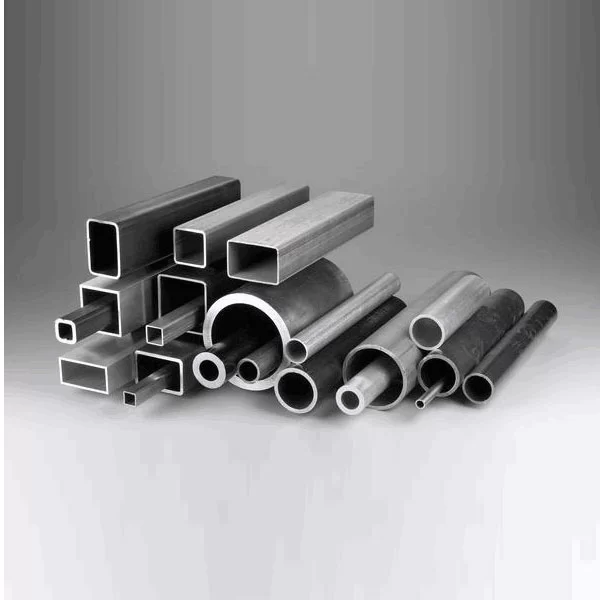
A complete range of rolled and processed steel products engineered for US industrial standards.

US Market Technical FAQ

Addressing common engineering and procurement queries for the steel rolling industry.

What are the ASTM standards for structural steel pipe in US construction?

Most US construction projects follow ASTM A500 or A53 standards, ensuring the material has the required yield strength and weldability for structural applications.

How does duplex pipe compare to stainless steel in offshore environments?

Duplex pipe offers superior strength and significantly higher resistance to pitting and stress corrosion cracking compared to standard 300-series stainless steels.

Can you recommend reliable titanium tube suppliers for aerospace grades?

Suppliers must provide full material traceability and certifications (such as AS9100) to ensure the titanium meets the strict fatigue and weight requirements of aviation.

What is the typical lead time for custom tube building projects in North America?

Lead times vary by alloy, but typical custom rolled solutions range from 4 to 12 weeks depending on the complexity of the specifications and volume.

What are the advantages of using titanium pipe fittings in chemical plants?

They provide an exceptional strength-to-weight ratio and almost total immunity to corrosion from most chlorides and oxidizing acids used in chemical processing.

Is round tube steel suitable for low-temperature environments like Alaska?

Yes, provided that the steel is processed for low-temperature impact toughness (Charpy V-notch tested) to prevent brittle fracture in arctic conditions.

Request a Technical Consultation

Our engineering team is ready to support your next project in North America - United States with precision-rolled steel solutions.

Contact Us Now

If you are interested in our products, you can choose to leave your information here, and we will be in touch with you shortly.

  • captcha