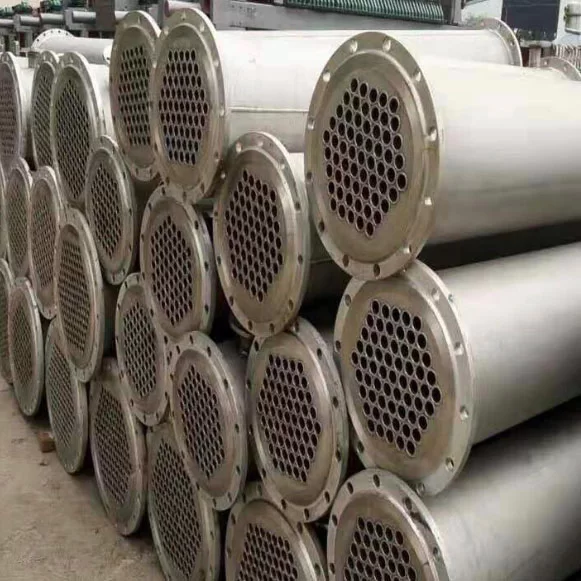
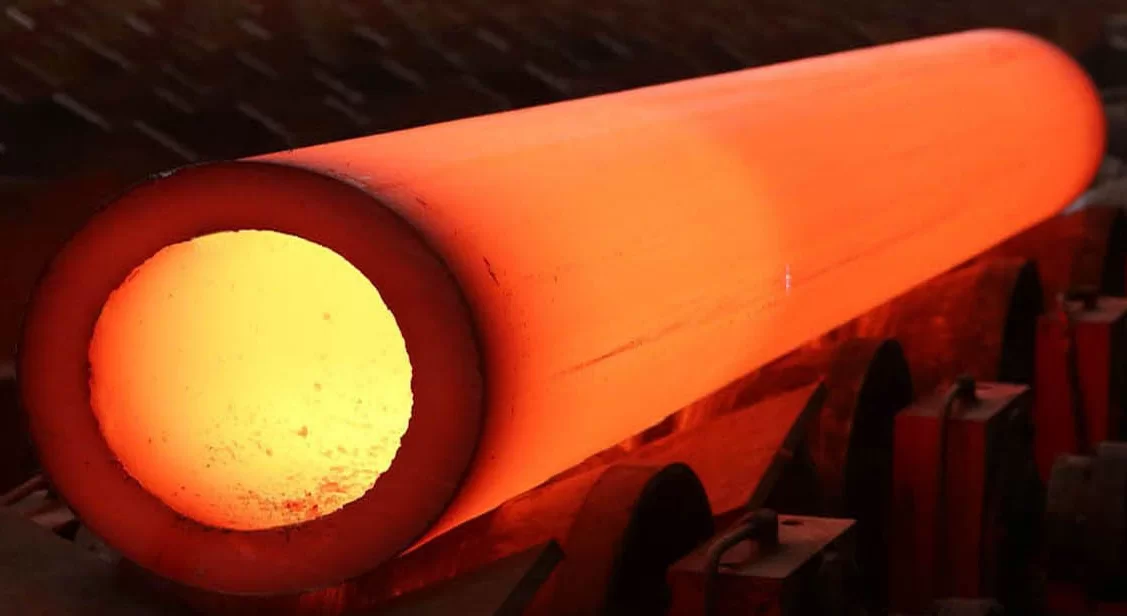
Premium Duplex Pipe Solutions for Poland's Industrial Infrastructure

High-performance steel rolling and processing services tailored for the demanding metallurgical standards of the Polish manufacturing sector.

Premium Duplex Pipe Solutions for Poland's Industrial Infrastructure

Specializing in advanced steel rolling and precision fabrication to meet the rigorous technical requirements of Poland's heavy industry and chemical processing plants.

Current Landscape of Steel Processing in Poland

Analyzing the synergy between regional industrial demands and high-grade alloy availability.

Poland's metallurgical sector is currently undergoing a significant transition, driven by the modernization of its chemical clusters in Silesia and the expansion of Baltic coast logistics. The demand for structural steel pipe has surged as the nation invests heavily in energy transition projects and industrial warehousing to support its role as a European logistics hub.

Given the harsh climatic variations and the presence of corrosive industrial environments in Polish urban centers, there is an increasing shift toward corrosion-resistant materials. This has led to a strategic increase in the adoption of specialized titanium pipe fittings for high-end chemical processing, where traditional carbon steel fails to meet longevity standards.

Furthermore, the local market is experiencing a tightening of supply chains for high-precision components. Polish engineers are now prioritizing suppliers who can integrate rolling and processing within a single workflow to reduce lead times for critical round tube steel applications in the automotive and machinery sectors.

Evolution of Steel Rolling Technology in Central Europe

From traditional smelting to precision alloy engineering.

Market Development History

Historically, the Polish steel industry relied on heavy carbon steel production during the mid-20th century, focusing on bulk outputs for shipbuilding and railway infrastructure. The early stages of tube building were characterized by basic seamless extrusion with limited tolerance controls.

Between 2000 and 2015, the entry into the EU market forced a technical pivot toward ISO standardization. This era saw the introduction of cold-rolling precision and the integration of duplex stainless steels to combat the corrosive environments of the Baltic sea coast, marking a shift from quantity to quality.

From 2016 to the present, the focus has shifted toward "Smart Steel." The integration of CNC-controlled rolling mills and advanced heat treatment has enabled the production of complex geometries, allowing Polish manufacturers to compete in the aerospace and medical sectors.

Future Development Trends

Hydrogen-Ready Infrastructure

The shift toward green hydrogen in Poland will require materials capable of resisting hydrogen embrittlement, driving the demand for advanced duplex and titanium alloys.

Additive Rolling Hybridization

We anticipate a merger of 3D metal printing with traditional rolling processes to create optimized internal geometries for heat exchangers.

Sustainability-Driven Metallurgy

Google search trends indicate a 40% increase in "Green Steel" queries in Europe, pushing the industry toward electric arc furnaces and recycled scrap rolling.

Industry Trends and Future Outlook 2025-2030

Navigating the next frontier of black metal smelting and rolling processing.

Digital Twin Integration
Implementing virtual simulations of the rolling process to predict material deformation and reduce scrap rates in Polish plants.
Nano-Coating Evolution
Applying atomic-layer deposition to rolled steel to enhance the surface hardness and corrosion resistance for extreme Polish winters.
AI-Driven Quality Control
Using machine learning algorithms to analyze surface defects in real-time during the high-speed rolling process.
Low-Carbon Rolling
Transitioning to induction heating and plasma-assisted rolling to reduce CO2 emissions per ton of steel.

Industry Outlook

The trajectory of the Polish steel rolling industry is moving toward a "Hyper-Specialization" model. Instead of mass-producing basic sections, the focus is shifting toward high-margin alloys that serve as the backbone for the European green energy transition, particularly in offshore wind and hydrogen storage.

As the EU implements stricter Carbon Border Adjustment Mechanisms (CBAM), Polish processors who adopt sustainable smelting and rolling techniques will gain a significant competitive edge in the regional market, effectively decoupling industrial growth from environmental impact.

Localized Application Scenarios in Poland

Real-world implementation of high-performance steel rolling solutions across Polish sectors.

01. Baltic Coast Offshore Wind Farms

Utilizing structural steel pipe with advanced anti-corrosive rolling treatments to ensure the stability of wind turbine foundations in the saline environment of the Baltic Sea.

02. Silesian Chemical Processing Plants

Deployment of duplex pipe networks to transport aggressive acids and alkalis, ensuring zero leakage and extended life-cycles in high-pressure environments.

03. Warsaw Urban Infrastructure Projects

Integration of precision round tube steel for architectural supports and modern transit system frameworks, combining structural strength with aesthetic finish.

04. Aerospace Component Manufacturing in Poznań

Sourcing from elite titanium tube suppliers to produce lightweight, high-strength fuel lines and hydraulic conduits for the expanding Polish aviation sector.

05. Industrial Heat Exchangers for Energy Plants

Application of high-precision titanium pipe fittings to optimize thermal conductivity and resist oxidation in high-temperature energy recovery systems.

Brand Story

Global Development History of Handan Biaoku Metal Co., Ltd.

Foundation & Metallurgical Roots

Established with a vision to redefine steel rolling, we began by mastering the fundamentals of black metal smelting, ensuring every billet met rigorous purity standards.

Technological Breakthroughs

We invested in high-precision cold-rolling mills, enabling us to move from standard sections to complex alloy tubes and high-tolerance precision pipes.

European Market Expansion

Recognizing the need for high-grade materials in Europe, we aligned our production with EU norms, becoming a trusted partner for Polish and German industrial hubs.

Diversification into Titanium

To solve the pain points of extreme corrosion in chemical plants, we expanded our capabilities into titanium rolling, bridging the gap between strength and reactivity.

The Era of Green Steel

Today, we focus on sustainable rolling processes, ensuring that our global footprint is minimized while our structural integrity is maximized.

Comprehensive Steel Rolling Portfolio for Poland

A full spectrum of industrial tubes and fittings engineered for durability and precision.

Frequently Asked Questions - Poland Market

Expert answers to technical queries regarding steel rolling and alloy selection.

How does duplex pipe perform in the coastal climate of Northern Poland?

Duplex steel combines the best properties of austenitic and ferritic steels, providing superior resistance to chloride stress corrosion cracking, making it ideal for the humid, salt-laden air of the Baltic coast.

What are the key criteria for choosing titanium tube suppliers for medical use?

For medical applications, focus on biocompatibility certifications, precise wall thickness tolerances, and the ability to provide full material traceability from the melting stage to the final roll.

Can structural steel pipe be customized for specific seismic requirements in Poland?

Yes, we can adjust the rolling temperature and cooling rates to enhance the ductility and toughness of the steel, ensuring it meets the specific safety codes for structural integrity.

What is the advantage of round tube steel over square sections in machinery?

Round tubes offer better torsional strength and more uniform stress distribution, which is critical for the high-speed rotating machinery common in Polish automotive plants.

How are titanium pipe fittings welded to ensure no contamination?

We utilize TIG welding under an inert gas shield (Argon) to prevent oxygen and nitrogen contamination, which would otherwise embrittle the titanium and compromise the joint.

What is the typical lead time for custom tube building projects in the EU?

Lead times vary by alloy, but by optimizing our rolling pipeline, we typically deliver custom-engineered tube solutions to Poland within 4 to 8 weeks.

Partner with the Steel Experts

Ready to elevate your industrial infrastructure with precision-rolled alloys? Our engineers are ready to support your projects in Poland.

Contact Us Now

If you are interested in our products, you can choose to leave your information here, and we will be in touch with you shortly.

  • captcha