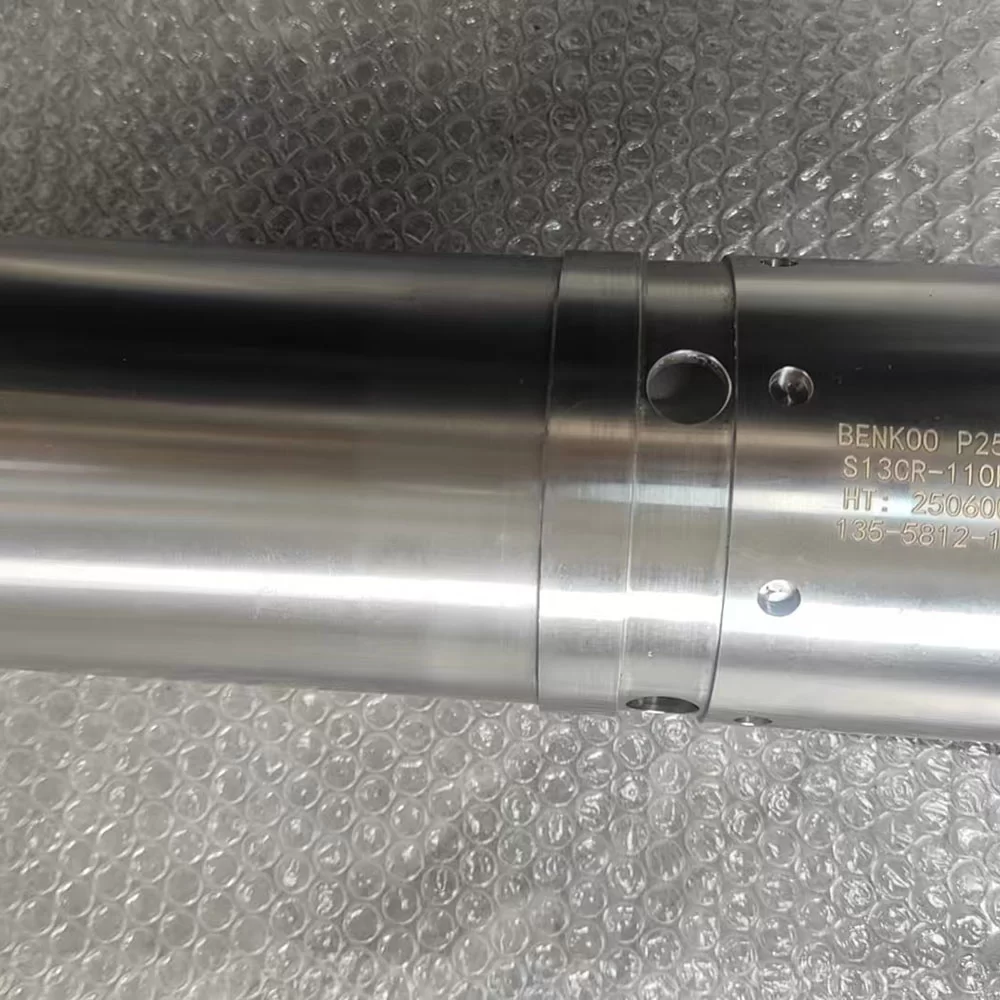
BENKOO METAL specializes in high-performance Duplex and Super Duplex stainless steel pipes, engineered with a precise mixed microstructure of approximately 50% austenite and 50% ferrite. This unique metallurgical composition synergizes the exceptional toughness and corrosion resistance of austenite with the high yield strength and stress corrosion cracking (SCC) resistance of ferrite, providing a superior solution for the most demanding industrial environments.
Our Super Duplex range elevates these properties further through increased alloying of Chromium, Molybdenum, and Nitrogen. With a Pitting Resistance Equivalent Number (PREN) typically exceeding 40, these pipes are specifically designed to withstand aggressive chloride-induced pitting and crevice corrosion, ensuring structural integrity in offshore, chemical, and desalination applications where standard alloys fail.
Detailed Parameters
| Standard Compliance | ASTM A790/A789, ASME SA789/SA790, EN 10216-5, NORSOK M-630 | Core Grades | S31803, S32205, S32507, S32750, S32760, S33207 |
|---|---|---|---|
| Phase Balance | Strictly controlled 40% – 60% Ferrite/Austenite ratio | PREN Range | 25 to ≥49 (Depending on alloy grade) |
| Mechanical Strength | Yield strength approx. double that of 304/316 austenitic grades | Certification | Full traceability with EN 10204 3.1/3.2 Mill Test Reports |
| Testing Methods | ASTM G48 (Pitting), ASTM E562 (Phase Balance), ISO 17781 | Surface Finish | Pickled, Annealed, or customized based on project specs |
| Application Focus | Oil & Gas, Desalination, Chemical Processing, Marine Engineering | Traceability | Full heat number traceability and material certification |
Key Advantages
Extreme Corrosion Resistance
Superior defense against chloride-induced stress corrosion cracking (SCC), pitting, and crevice corrosion in saline environments.
Extended Service Life
High PREN values ensure long-term durability in aggressive chemical streams, reducing replacement frequency and downtime.
Ultra-High Strength
Double the yield strength of standard 300-series stainless steels, allowing for reduced wall thickness and overall weight savings.
Cost-Effective Design
The high strength-to-weight ratio enables lighter structures and lower material consumption compared to highly alloyed austenitics.
Metallurgical Precision
Strict control over chemical composition and heat treatment to guarantee optimal phase balance and mechanical properties.
Global Standard Mastery
Certified compliance with ASTM, EN, NORSOK, and JIS standards for seamless global project integration.
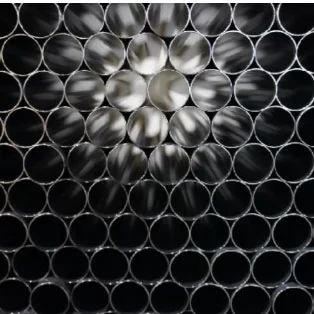
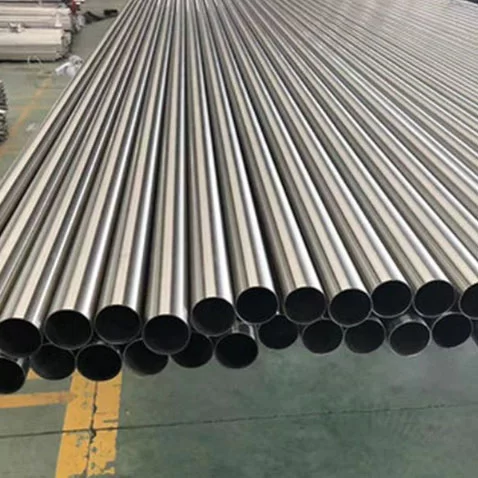
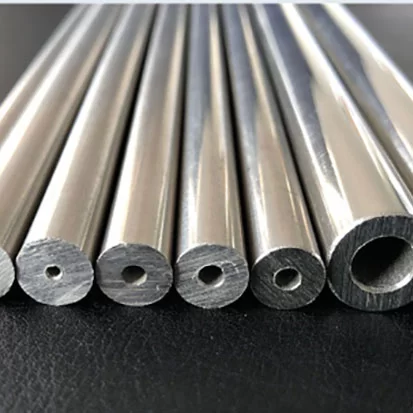
Product Gallery
Management Platforms
Material Traceability
Full heat-number tracking from raw melt to finished pipe for absolute quality assurance.
Phase Balance Control
Advanced microstructure analysis to maintain the 40-60% ferrite/austenite ratio.
Corrosion Testing
Rigorous CPT testing per ASTM G48 to verify pitting resistance before shipment.
Weld Procedure Support
Technical guidance on WPQ to ensure joint integrity for Duplex alloy fabrication.
Inventory Management
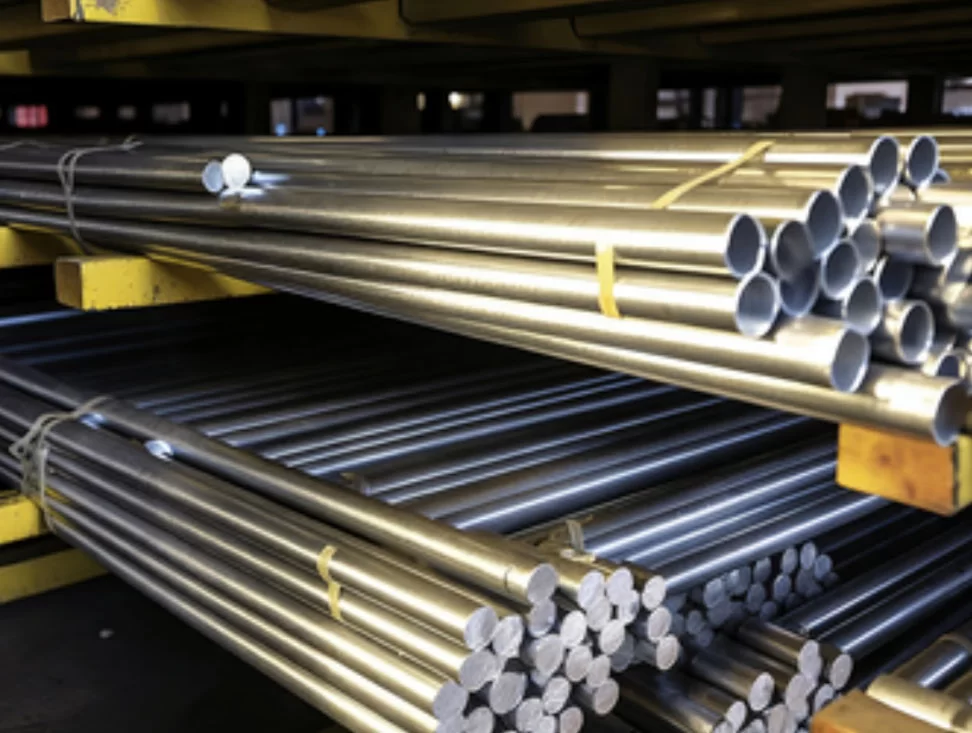
Robust stock of seamless pipes and bars to ensure rapid delivery for critical projects.
Compliance Auditing
Strict adherence to NORSOK, ASME, and EN standards via third-party certifications.
Investment Return Comparison
| Feature | Standard Austenitic (316L) | Duplex/Super Duplex |
|---|---|---|
| Yield Strength | Standard | Approx. 2x Higher |
| Corrosion Resistance | Moderate (Pitting prone) | Exceptional (High PREN) |
| Wall Thickness | Thicker required | Reduced (Weight savings) |
| Life Cycle Cost | Higher (Frequent maintenance) | Lower (Long-term durability) |
| SCC Resistance | Low/Vulnerable | High/Resistant |
Frequently Asked Questions
The primary difference lies in the alloy content. Super Duplex grades contain higher levels of Chromium, Molybdenum, and Nitrogen, resulting in a higher PREN (typically >40) and superior resistance to pitting and crevice corrosion compared to standard Duplex.
Duplex pipes offer significantly higher strength and superior resistance to chloride-induced stress corrosion cracking (SCC), which is a common failure mode for 316L in marine and offshore environments.
PREN (Pitting Resistance Equivalent Number) is calculated as %Cr + 3.3x%Mo + 16x%N. A higher value indicates better resistance to localized pitting corrosion in chloride-rich environments.
Yes, they are weldable using common techniques. However, proper procedures and filler metals are required to maintain the correct ferrite/austenite phase balance in the weld zone.
For desalination plants, Super Duplex grades like S32750 (2507) or S32760 are highly recommended due to their unmatched resistance to hot, concentrated brine and chloride solutions.
Yes, we provide full material traceability and certification compliant with NORSOK M-630, which is essential for North Sea and other stringent offshore oil and gas projects.
Need a Technical Consultation for Your Piping Project?
Contact UsIf you have any camping barbeque equipment inquiry, please feel free to contact us.


-20251219053336.webp "Welded Titanium Pipe & Tube")
-20251218091502.webp "Steel Solid Bars")
-20251219035019.webp "Titanium Round Bar")