0%

Table of Contents

To be honest, this year’s been… something. Everyone's talking about prefabrication, modular builds. It's not new, mind you, we’ve been nudging towards it for ages, but now? Now it’s like everyone's jumped on the bandwagon. It’s good, it’s really good, streamlines a lot. But have you noticed, half the time the designs are just… impractical? Architects drawing up things that look fantastic on paper, but completely ignore how a bloke with a wrench is actually going to assemble it on a muddy building site. It's frustrating.

I spent three weeks last month at that steel fabrication plant in Jiangsu province, overseeing a particularly large order of structural steel components. The smell of cutting oil and hot metal gets in your clothes, stays with you for days. That steel, specifically Q345, is workhorse stuff. Strong, weldable… but it needs proper corrosion protection, or it'll start weeping rust before you can blink. We've been pushing for more galvanized steel lately. It adds to the upfront cost, naturally, but it saves headaches later on. Seriously, dealing with rust repair is the bane of my existence.

And it's not just the materials themselves. It's the connections. That's where things get tricky. Everything’s got to be aligned, tolerances have to be precise. I encountered this at a factory in Zhejiang last time, they were using these new self-tapping screws for joining the paneling, looked great in the showroom. But on site, they stripped the threads in the aluminum framing half the time. Back to rivets, I tell ya. Old reliable.
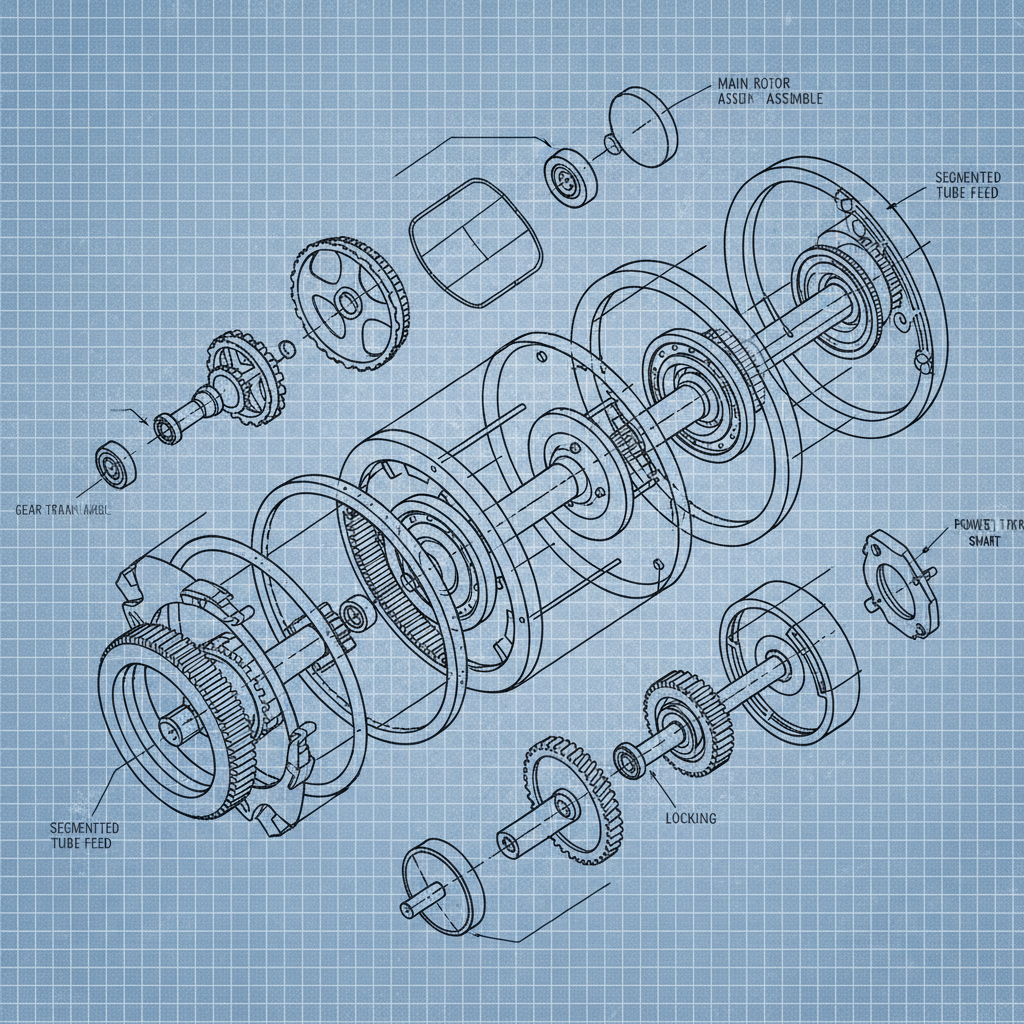
tube building

The Rise of Prefabrication and Design Challenges
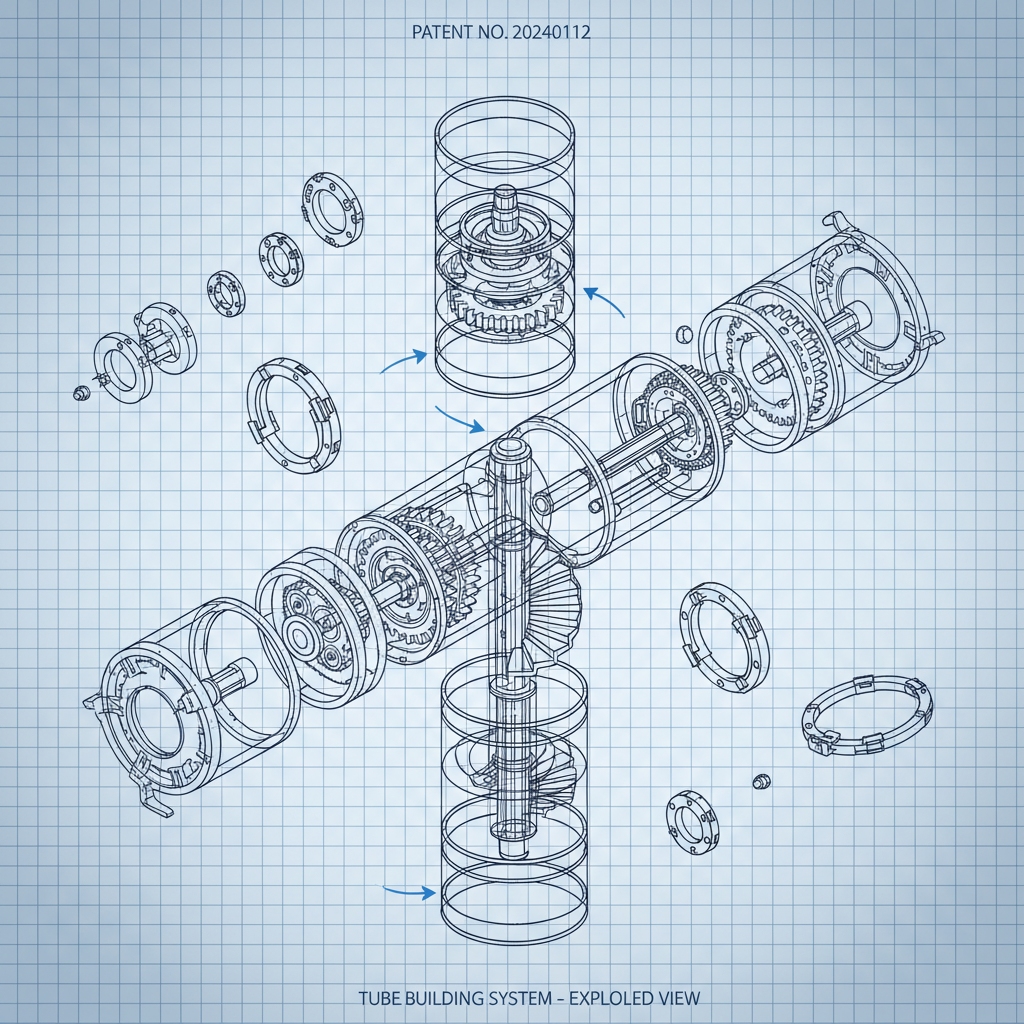
tube building

Prefabrication is huge now, seriously. Everybody wants it. Faster build times, less on-site labor… sounds great, right? But I’ve seen so many designs that are theoretically beautiful but utterly impractical for assembly. It’s like they forget about bolt holes needing to actually line up, or access for tightening things. Strangely, the more 'innovative' the design, the more likely it is to have these basic flaws.

Then there’s the transport issue. You design these massive panels, thinking you’ve optimized material use, but then you realize getting it to site is a logistical nightmare. Over-width loads, specialized transport, permits… it adds up. It’s a balancing act, you know? Optimizing for manufacturing and for the realities of construction.

Material Matters: Steel, Galvanization and Corrosion Protection

Steel’s still king, let’s be real. Q345 is the go-to for most structural work. It's got a good strength-to-weight ratio, it’s relatively affordable… but it will rust if you don’t protect it. Galvanization is becoming more common, but it’s not a magic bullet. You still need to address cut edges and weld seams. And the zinc coating gets eaten away over time, especially in coastal environments.

We’re also seeing a lot more high-strength, low-alloy steel being used. It’s lighter, you can use thinner sections, but it’s more susceptible to hydrogen embrittlement during welding. You need qualified welders, proper welding procedures… it’s a whole different ballgame.

There’s this new composite material, too, combining steel with polymer cladding. Looks promising, but I haven't had enough time with it to really trust it. I saw a sample at a trade show, felt a bit flimsy, honestly. Time will tell.

The Importance of Connection Details

This is where things really fall apart. You can have the best steel, the best design, but if the connections are weak, it's all for nothing. I’m talking about bolts, rivets, welds… the little things. They need to be properly sized, properly installed, and properly inspected. Seems obvious, doesn't it? But it doesn’t always happen.

I've seen so many instances of undersized bolts being used to save a few pennies. Or weld procedures being skipped to speed up the process. It's short-sighted, dangerous, and ultimately costs more in the long run. I swear, I spend half my life chasing down connection failures.

And don’t even get me started on the quality of fasteners. You buy cheap, you get cheap. You get stripped threads, broken heads, corrosion… it’s a nightmare. We’re now specifying only grade 8.8 or higher bolts, and we're doing more destructive testing on random samples.

Real-World Testing and On-Site Performance

Lab testing is all well and good, but it doesn’t replicate the chaos of a building site. I'm talking wind, rain, guys dropping tools on things, forklifts bumping into structures… all that stuff. We do a lot of load testing on-site. Actually putting weight on the structure, seeing how it deflects, listening for creaks and groans.

We’ve started incorporating more non-destructive testing, too – ultrasonic testing for weld integrity, dye penetrant inspection for cracks. It's slower, more expensive, but it gives you a much better understanding of what’s actually going on. Anyway, I think having a skeptical eye and a healthy dose of caution is the best testing method.

Testing Performance of Different Connection Types

Unexpected User Applications

You always think you know how something is going to be used, right? But then people surprise you. We designed this modular steel frame for temporary housing, thinking it would be used for disaster relief or construction camps.

But then we started getting orders from artists, using it as a framework for sculptures! And a couple of breweries started using it for supporting vertical gardens. It's weird, but it’s also… kinda cool. Shows you the versatility of the stuff.

Advantages, Disadvantages, and Customization Options

The biggest advantage, hands down, is speed. Prefabricated steel structures go up fast. Less on-site labor, less weather delays… it’s a game-changer. It's also incredibly strong, durable, and recyclable. But it's not cheap, and you need specialized skills to work with it. It’s not something you can just slap together with a hammer and nails.


Customization? Absolutely. We can modify the designs to meet specific requirements. Last month, that small boss in Shenzhen who makes smart home devices insisted on changing the interface to , and the result was a three-week delay because we had to re-tool the entire fabrication process. It wasn’t worth it, but hey, the customer is always right, right?

A Customer Story and Practical Considerations

Ultimately, it's about practicality. It's about building something that’s safe, durable, and cost-effective. We've got all the fancy design software, the advanced materials, the cutting-edge testing equipment… but none of that matters if it doesn't work in the real world.

I saw a project in rural Indonesia, building schools out of these prefabricated steel frames. The local community was involved in the assembly, learning new skills, taking ownership of the project. That's what makes it worthwhile.

I encountered a particularly difficult customer, a large manufacturing facility needing a specialized storage solution. They wanted everything custom-built. The process was a headache, involving numerous revisions, and late-night phone calls, but the result was a tailored structure that exceeded their expectations.

Summary of Key Material Properties

Material Type Strength (MPa) Corrosion Resistance Cost (per ton)
Q345 Steel 345 Low (requires coating) $700
Galvanized Steel 310 Medium $850
High-Strength Low-Alloy Steel 460 Low (requires coating) $900
Aluminum Alloy 6061-T6 276 High $2200
Composite Steel-Polymer Variable Medium-High $1200
Stainless Steel 304 205 Very High $3500

FAQS

What is the typical lifespan of a prefabricated steel structure?

That depends entirely on the environment and maintenance. With proper corrosion protection and regular inspections, you can easily get 50-75 years out of a well-built steel structure. We’ve seen some that are over a century old! But neglect it, and you’ll be chasing rust and dealing with structural issues much sooner. It’s a commitment, really.

How does the cost of prefabricated steel construction compare to traditional concrete building?

Upfront costs can be higher for steel, especially with current material prices. But you have to factor in the speed of construction. Less on-site labor, less time on the project, less disruption… those savings can often offset the initial higher cost. Plus, steel is highly recyclable, which adds to its long-term value.

What kind of foundations are required for prefabricated steel buildings?

It varies, but generally, you’ll need a solid foundation system. Concrete footings, piles, or a slab-on-grade foundation are common choices. The specific design depends on the soil conditions, the building's load, and local building codes. It's something you need a qualified geotechnical engineer to assess.

Are there limitations on the size or complexity of structures that can be prefabricated?

There used to be more limitations, but technology is constantly improving. We’re now building quite large and complex structures using prefabrication techniques. Transport is still the biggest constraint. You can build it, but can you get it to the site? That’s the question.

What are the main challenges when integrating prefabricated steel components with existing structures?

Compatibility is the biggest issue. You need to carefully consider the connection details and ensure that the new steel components integrate seamlessly with the existing structure. You also need to address potential corrosion issues if you’re connecting dissimilar metals. It requires careful planning and execution.

What certifications or standards should I look for when choosing a prefabricated steel building supplier?

Look for suppliers with ISO 9001 certification, demonstrating a commitment to quality management. Also, check if they have certifications related to welding and fabrication. And make sure they comply with all relevant local building codes and standards. Don't be afraid to ask for references and visit their fabrication facility.

Conclusion

So, yeah, prefabrication is changing the game. It's faster, more efficient, and can be incredibly versatile. But it’s not a silver bullet. You need good design, quality materials, skilled labor, and a healthy dose of common sense. It's a complex process, and there's a lot that can go wrong if you don't pay attention to the details.

Ultimately, whether this thing works or not, the worker will know the moment he tightens the screw. If it feels right, if it lines up perfectly, if it’s solid and secure… then you know you’ve got something good. And that's all that really matters, isn't it?

Garrett Lawson

Garrett Lawson

Garrett Lawson is a Project Coordinator at BENKOO METAL, supporting the North American market. He assists in managing complex orders and ensuring seamless communication between clients and the internal teams. With a Bachelor's degree in Engineering and a keen understanding of material specifications, Garrett works closely with major mining companies
Previous Navigating the Landscape of Duplex Pipe Applications and Common Challenges
Next Exploring Titanium Tube Suppliers and Material Considerations for Modern Applications

If you are interested in our products, you can choose to leave your information here, and we will be in touch with you shortly.

  • captcha