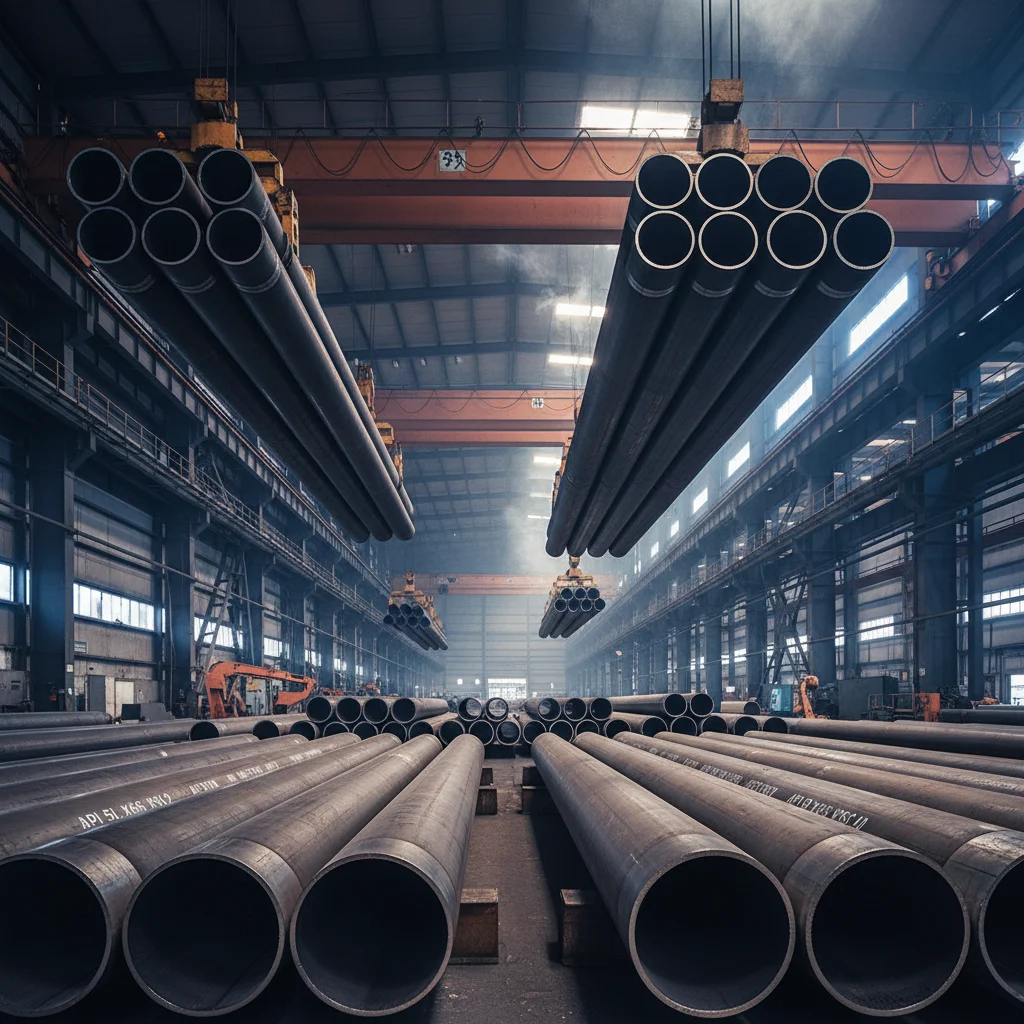
Honestly, things are moving fast. Everyone’s talking about prefabrication now, right? It's not new, we’ve been dabbling for years, but the pressure to build faster and cheaper… it's really pushing it. And with steel prices fluctuating like crazy, everyone’s looking for efficiency. It's interesting to see how many companies are jumping on the modular building bandwagon. Makes you wonder if they've actually been on a construction site though.
You know what’s been bugging me? The obsession with sleek designs. Engineers love a clean line, a perfect angle… but have you noticed how those fancy connections sometimes fail first? It’s always the little things. And the spec sheets… don’t even get me started. They look great on paper, but they don’t tell you how it feels when you’re wrestling with it in the rain.
We mostly work with A36 steel for general structural applications, but we’ve been doing more with A572 Grade 50 for heavier loads. It’s stronger, obviously, but it's also… colder to the touch. Different feel. And the smell when you’re cutting it? A572 has a sharper, almost metallic scent. Takes some getting used to. We get most of our pipe from structural steel pipe suppliers in the Midwest – they seem to have the best consistency. That’s key, you know? Consistency.
The Current Landscape of structural steel pipe
The biggest trend I’m seeing is a push for lighter-gauge steel, especially in seismic zones. Everyone wants to reduce weight, lower costs… but it's a balancing act. You can't sacrifice strength. I encountered this at a factory in Tianjin last time – they were trying to use thinner walls to save money, and the pipe was buckling during hydrostatic testing. It was a mess.
There's also a growing demand for pre-galvanized pipe. Saves a ton of time on-site, no need for individual coating. Although, strangely, some of the guys still prefer to do it themselves. “Better control,” they say. Old habits, I guess.
Common Design Pitfalls in structural steel pipe
Here’s a big one: people underestimate the importance of weld prep. You can have the best welder in the world, but if the edges aren’t properly beveled, you’re going to have problems. I’ve seen it time and time again. And the drawings... sometimes they're just… optimistic. They show these perfect, seamless connections, and then you get to the site and realize it's going to take three adapters and a whole lot of cursing to make it work.
Another thing: assuming all steel is created equal. Different mills have different tolerances, different chemistries. It might look the same, but it can behave differently under stress. It’s subtle, but it matters.
And don't even get me started on the misuse of calculations. I once saw a design that used a safety factor of 1.5 for a critical load-bearing pipe. 1.5! That’s just asking for trouble.
Material Properties and On-Site Handling of structural steel pipe
Okay, so you’ve got your steel. Now what? Handling is key. You need to store it properly – off the ground, protected from the elements. Rust is the enemy, obviously. And don't just throw it around! Dents and scratches can compromise the integrity of the pipe. It sounds basic, but you wouldn’t believe how often it happens.
When you're cutting, use the right blade. A dull blade will create excessive heat, which can weaken the steel. And always deburr the edges. Those little burrs can cause stress concentrations and lead to cracks. It’s a pain, but it’s worth it. I always tell the guys, “Take the extra minute, it’ll save you hours later.”
Oh, and if you’re working with galvanized pipe, be careful not to breathe in the fumes when you’re welding. Seriously. Ventilation is crucial. I've seen guys get sick from that. It's not fun.
Real-World Testing and Quality Control for structural steel pipe
Lab tests are great, but nothing beats a real-world stress test. We often do our own hydrostatic testing on-site, especially for critical applications. Basically, you pressurize the pipe and look for leaks. Simple, but effective. And you learn a lot just by listening to the pipe. A creak or groan can tell you a lot.
We also do a lot of visual inspection. Look for cracks, dents, corrosion. It's tedious, but it’s essential. And we keep detailed records of everything – material certifications, test results, inspection reports. It’s a pain in the neck, but it’s what the client expects, and frankly, it protects us.
Hydrostatic Testing Success Rates for Different structural steel pipe Methods
Practical Applications and User Behavior with structural steel pipe
You know, what the engineers think people will do with this stuff and what they actually do are often two different things. I’ve seen guys use structural steel pipe as scaffolding when it wasn’t designed for it. I’ve seen them try to weld it underwater. I’ve seen it all. It’s… creative.
We’ve done a lot of work on pipeline projects, obviously, but also a surprising amount of agricultural structures. Irrigation systems, greenhouses… farmers are resourceful, you gotta give them that.
Advantages, Disadvantages, and Customization Options for structural steel pipe
The big advantage is strength-to-weight ratio. You get a lot of bang for your buck. It’s also relatively easy to work with – cut, weld, bend. But it rusts. Let’s be honest, it rusts. That’s a major drawback. And depending on the grade, it can be brittle, especially in cold weather.
Customization? Absolutely. We had a client last year who wanted a specific wall thickness and a custom coating for a project in a marine environment. It was a pain to source, but we managed it. They needed the extra corrosion resistance, and they were willing to pay for it.
A Customer Story and Key Considerations for structural steel pipe
Last month, that small boss in Shenzhen who makes smart home devices insisted on changing the interface to for the mounting brackets of his sensors. Said it was “more modern.” We warned him the wall thickness wasn’t sufficient to support the connector reliably, but he wouldn’t listen. The brackets started failing within a week. Had to scrap the whole batch. Cost him a fortune.
Anyway, I think the biggest takeaway is this: understand your application. Don’t just pick a pipe size based on the drawing. Think about the loads, the environment, the potential for corrosion. And listen to the guys who are actually going to be working with it.
You know, it's a commodity, but it's a really critical one.
Key Performance Indicators for structural steel pipe
| Material Grade |
Corrosion Resistance |
Weldability |
Cost (per foot) |
| A36 |
Low |
Excellent |
$1.50 |
| A572 Grade 50 |
Medium |
Very Good |
$2.00 |
| X42 |
High |
Good |
$2.50 |
| Galvanized A36 |
Very High |
Excellent |
$2.25 |
| 304 Stainless Steel |
Excellent |
Good |
$4.00 |
| A53 Grade B |
Low-Medium |
Good |
$1.75 |
FAQS
In coastal areas, corrosion is a major concern. The best approach is a multi-pronged one: use galvanized pipe, apply a protective coating (epoxy is good), and implement a regular inspection and maintenance program. And don't forget to consider sacrificial anodes in really harsh environments. It’s extra work upfront, but saves headaches later.
Wall thickness depends on the pressure, load, and the diameter of the pipe. You need to do a proper stress analysis, taking into account all the relevant factors. There are online calculators, but I always recommend consulting with a qualified engineer. It's not worth risking a failure to save a few bucks.
Undercutting, porosity, and incomplete fusion are the usual suspects. Proper weld prep is crucial, as is using the correct welding parameters and a skilled welder. Regular inspection of the welds is also essential. A visual inspection can catch a lot of problems before they become serious.
Generally, yes, but it depends on the coating. You need to use pipe that is specifically certified for potable water, like epoxy-coated or galvanized pipe. Carbon steel pipe alone is not recommended because of the risk of corrosion and leaching of contaminants.
Seamless pipe is stronger and more uniform in its properties because there's no weld seam to weaken it. It's generally used for more critical applications, like high-pressure pipelines. But it's also more expensive. Welded pipe is often perfectly adequate for many applications.
Extreme temperatures can significantly impact the strength and ductility of steel. Cold temperatures can make it brittle, while high temperatures can reduce its yield strength. It’s important to consider the operating temperature range when selecting and designing with structural steel pipe. This includes using appropriate steel grades for the specific application.
Conclusion
So, that’s where we’re at with structural steel pipe. It’s a workhorse material – reliable, versatile, and relatively affordable. But it’s not foolproof. There are a lot of things that can go wrong, and it’s important to pay attention to the details. From material selection to fabrication to installation, every step matters.
Ultimately, whether this thing works or not, the worker will know the moment he tightens the screw. And that’s what keeps me coming back to the site. I mean, there’s always another problem to solve, another challenge to overcome. And honestly? I wouldn't have it any other way. If you have any needs, feel free to visit our website: structural steel pipe