0%

Table of Contents

Structural square tubing is a versatile construction material finding increasing application across diverse sectors globally. Its inherent strength, combined with relatively lightweight properties, makes it ideal for everything from scaffolding and industrial frameworks to architectural designs and even recreational equipment. Understanding its characteristics and potential is crucial for engineers, architects, and construction professionals seeking efficient and cost-effective building solutions.

The global demand for structural square tubing is driven by rapid urbanization, infrastructure development in emerging economies, and a growing emphasis on prefabricated construction methods. According to industry reports, the steel tube market is projected to experience significant growth in the coming years, with structural square tubing representing a key segment. This increasing reliance underscores the importance of innovative manufacturing techniques and sustainable sourcing practices.

Ultimately, mastering the nuances of structural square tubing – its strengths, limitations, and optimal applications – empowers professionals to build safer, more durable, and more sustainable structures, contributing to economic growth and societal wellbeing.
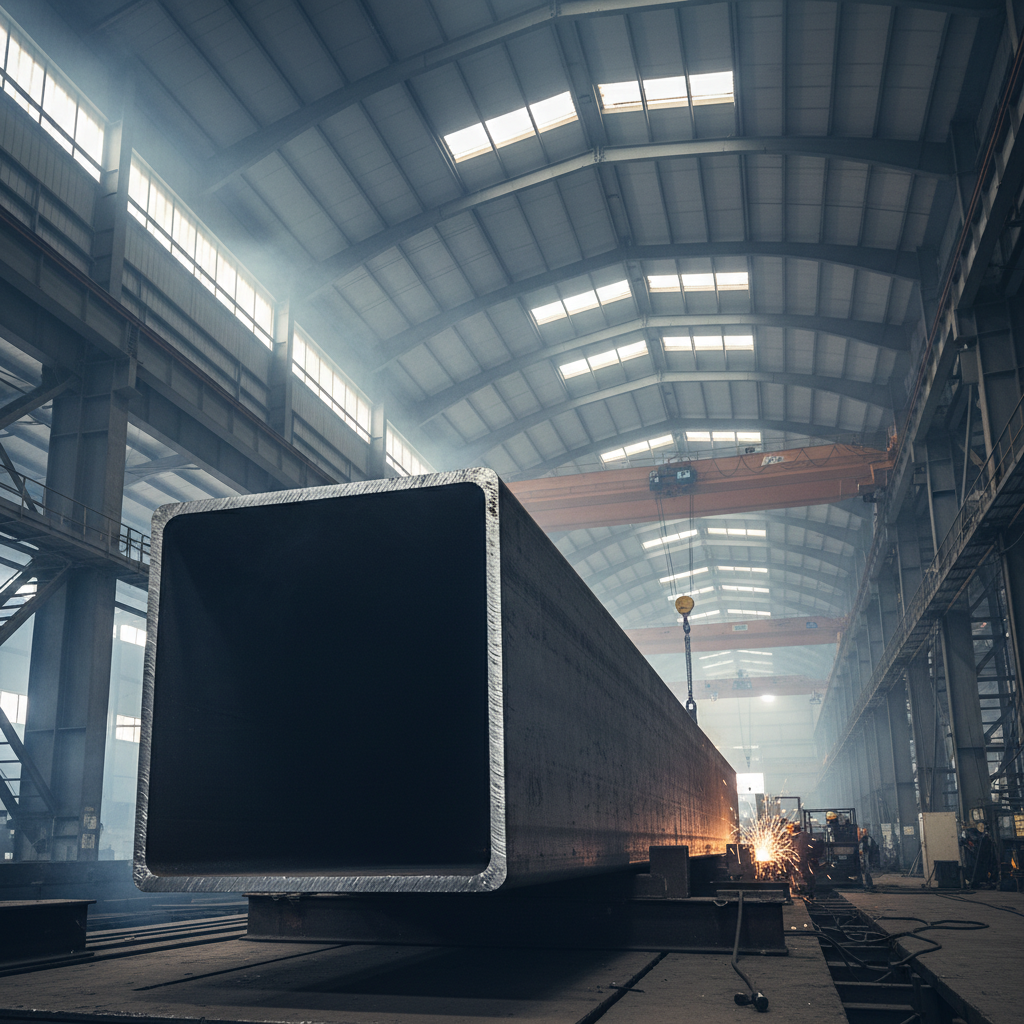
structural square tubing

Introduction to Structural Square Tubing
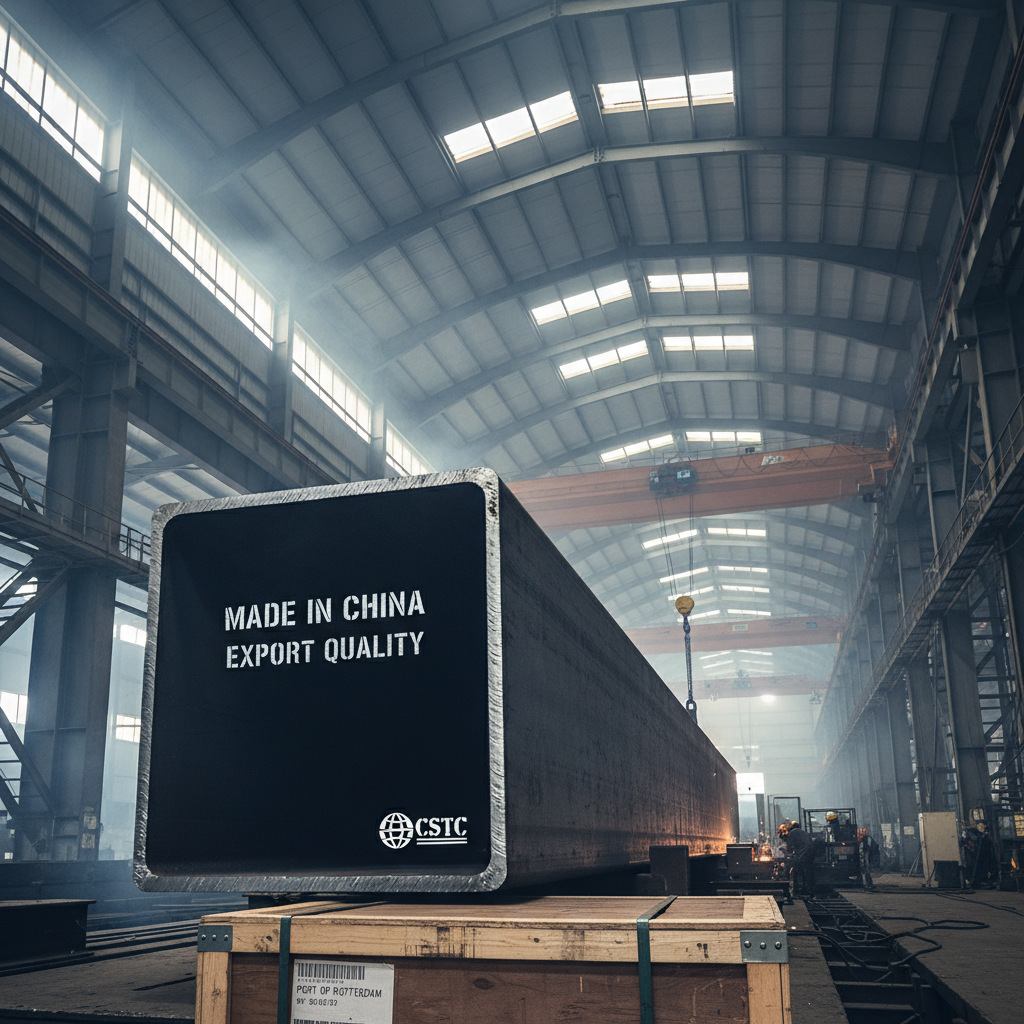
structural square tubing

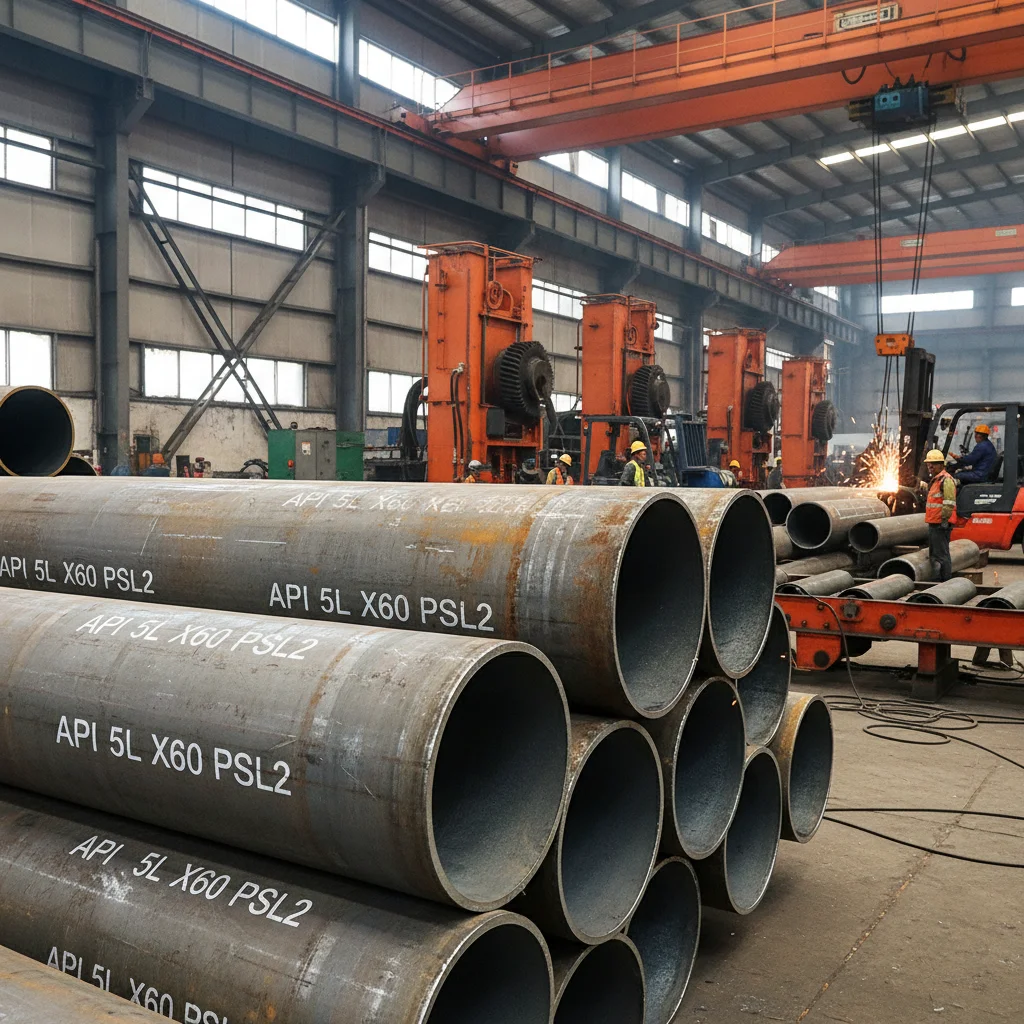
Structural square tubing, often referred to as hollow structural sections (HSS), represents a fundamental building block in modern construction and manufacturing. Its closed-box profile provides exceptional resistance to bending and torsion compared to open sections like I-beams or channels, making it a preferred choice for load-bearing applications. structural square tubing is easily weldable, machinable, and adaptable to diverse design requirements.

The versatility of structural square tubing extends beyond its mechanical properties. It readily lends itself to aesthetic integration, often featuring in exposed architectural elements where its clean lines and uniform appearance contribute to modern design sensibilities. This blend of functionality and aesthetic appeal has cemented its position as a cornerstone material in numerous industries.

Defining Structural Square Tubing

Structural square tubing is a type of metal profile formed by welding or extrusion into a square cross-section with hollow interiors. Typically manufactured from carbon steel, it's designed to withstand significant loads while maintaining a relatively lightweight construction. The “structural” designation emphasizes its primary application – supporting structural weight and resisting deformation.

Its connection to modern industry is undeniable. From the skyscrapers that define urban skylines to the intricate frameworks of industrial machinery, structural square tubing plays a critical role. It embodies the principles of efficient material usage and robust engineering, enabling the creation of durable and safe structures.

In humanitarian contexts, structural square tubing is invaluable in the rapid construction of temporary shelters, emergency infrastructure, and field hospitals, providing safe and stable environments in challenging conditions. Its ease of assembly and transport makes it ideally suited for disaster relief efforts.

Core Characteristics of Structural Square Tubing

One of the defining traits of structural square tubing is its high strength-to-weight ratio. This characteristic allows for the creation of robust structures with minimal material usage, translating to cost savings and reduced transportation expenses. The closed box section distributes stress evenly, enhancing its load-bearing capacity.

Another crucial aspect is its weldability. Structural square tubing is readily joined using standard welding techniques, simplifying fabrication and allowing for complex structural designs. This ease of joining makes it adaptable to diverse manufacturing processes and on-site construction requirements.

Furthermore, structural square tubing exhibits excellent dimensional accuracy. Precise manufacturing processes ensure consistent size and shape, contributing to the overall accuracy and quality of constructed structures. This consistency is vital for prefabricated construction and modular building systems.

Key Factors Influencing Structural Square Tubing Performance

The material grade significantly influences the performance of structural square tubing. Higher-grade steels offer superior strength and corrosion resistance, crucial for demanding applications. Careful selection of the appropriate steel grade is paramount to ensuring structural integrity.

The thickness of the tube wall directly correlates to its load-bearing capacity. Thicker walls provide greater strength but also increase weight and cost. Finding the optimal wall thickness requires a careful balance between performance requirements and budget constraints.

Structural Square Tubing Performance Comparison

Applications of Structural Square Tubing Globally

Structural square tubing finds widespread use in the construction of commercial buildings, providing the framework for walls, roofs, and support structures. Its ability to span large distances and withstand heavy loads makes it invaluable in modern architectural designs. structural square tubing is a key component of many skyscrapers and large-scale industrial facilities.

In the agricultural sector, it's employed in the construction of greenhouses, livestock shelters, and irrigation systems. Its corrosion resistance, particularly when galvanized, ensures longevity in harsh outdoor environments. In post-disaster relief operations, it facilitates the quick erection of temporary housing and medical facilities.

Advantages and Long-Term Value

The cost-effectiveness of structural square tubing is a significant advantage. Compared to other structural materials like reinforced concrete, it often requires less labor and offers faster construction times, resulting in reduced project costs. Its lightweight nature also reduces transportation expenses.

From a sustainability perspective, steel is highly recyclable, making structural square tubing an environmentally responsible choice. Utilizing recycled steel reduces the demand for virgin materials, minimizing environmental impact. The durability of steel structures also contributes to long-term sustainability by reducing the need for frequent repairs or replacements.

Future Trends and Innovations in Structural Square Tubing

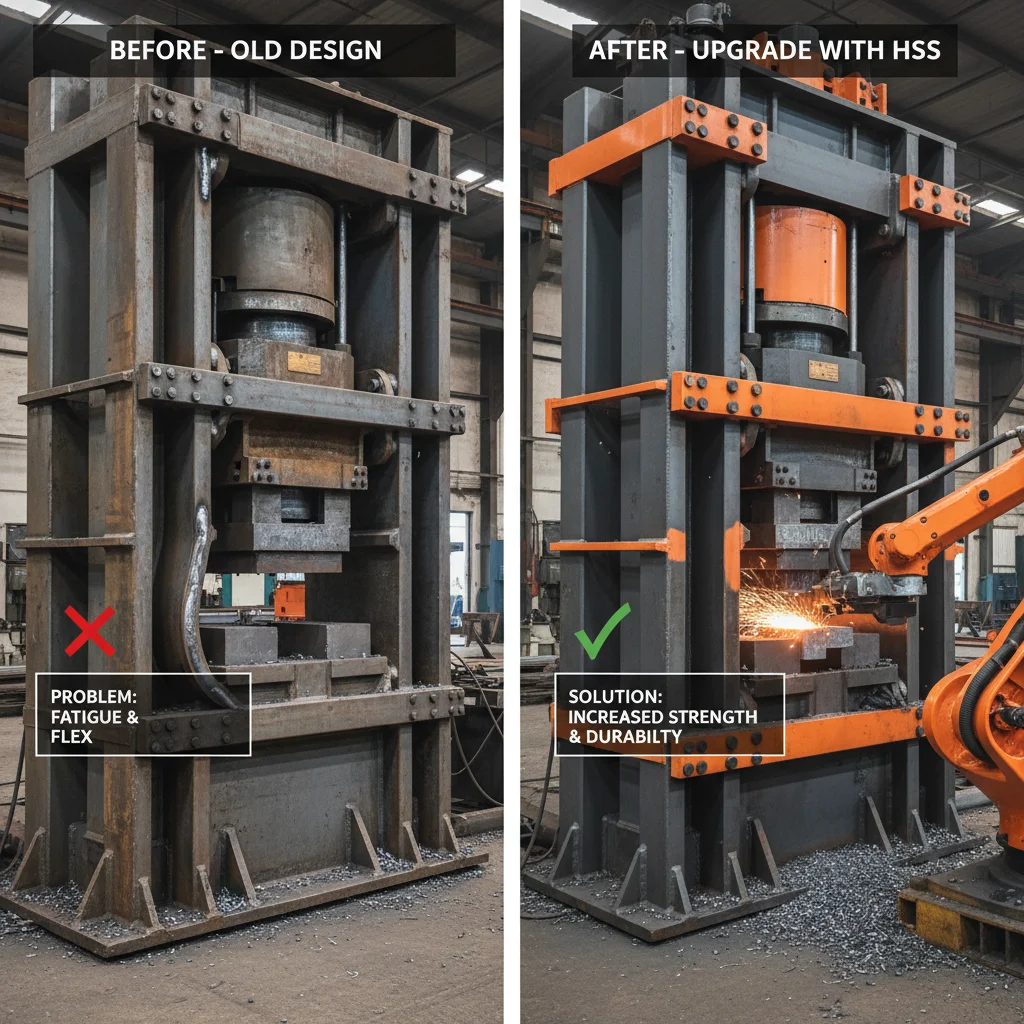
Advanced high-strength steels are being developed, offering increased load-bearing capacity with reduced material usage. These materials will enable the construction of lighter and more efficient structures. Furthermore, research into new coating technologies is enhancing corrosion resistance and extending the lifespan of structural square tubing.

The integration of digital technologies, such as Building Information Modeling (BIM), is streamlining the design and fabrication processes. BIM allows for precise modeling and simulation, optimizing material usage and minimizing waste. Automation in manufacturing is also improving the consistency and quality of structural square tubing production.

Growing demand for sustainable building practices is also driving innovation in the production of 'green' structural square tubing, utilizing recycled materials and minimizing carbon footprint. This aligns with global efforts to mitigate climate change and promote environmentally responsible construction.

FAQS

What is the typical lifespan of a structure built with structural square tubing?

The lifespan of a structure utilizing structural square tubing is heavily dependent on environmental conditions and maintenance practices. However, with proper corrosion protection (galvanization, painting, etc.) and regular inspections, structures can realistically last for 50-100 years, or even longer. The inherent durability of steel, combined with preventative measures, ensures long-term structural integrity.

Is structural square tubing susceptible to corrosion, and how can it be mitigated?

Yes, steel is susceptible to corrosion, particularly in humid or saltwater environments. However, several mitigation strategies exist. Galvanization (coating with zinc) provides excellent corrosion resistance. Painting with appropriate protective coatings, regular inspections, and the use of corrosion-resistant steel alloys are also effective methods for extending the lifespan of structures.

What are the common welding techniques used with structural square tubing?

Shielded Metal Arc Welding (SMAW), Gas Metal Arc Welding (GMAW), and Flux-Cored Arc Welding (FCAW) are the most commonly employed welding techniques. The choice of technique depends on factors such as material thickness, welding position, and desired weld quality. Proper weld preparation and qualified welders are crucial for ensuring strong and reliable connections.

How does the wall thickness of structural square tubing impact its load-bearing capacity?

Wall thickness is directly proportional to load-bearing capacity. A thicker wall provides greater resistance to bending and buckling, allowing the tubing to support heavier loads. However, increasing wall thickness also increases weight and cost. Engineers must carefully calculate the optimal wall thickness based on the specific application and anticipated loads.

What is the difference between carbon steel and galvanized structural square tubing?

Carbon steel structural square tubing is the standard material, offering excellent strength. Galvanized structural square tubing is coated with a layer of zinc, providing superior corrosion resistance. Galvanization is particularly important for outdoor applications or environments exposed to moisture or chemicals. While galvanized tubing is more expensive, its extended lifespan often justifies the additional cost.

Can structural square tubing be used for architectural features, beyond just structural support?

Absolutely! Structural square tubing's clean lines and uniform appearance make it a popular choice for exposed architectural elements such as railings, canopies, and decorative facades. It can be finished with a variety of coatings and colors, allowing architects to integrate it seamlessly into their designs. Its strength and durability also ensure long-lasting architectural features.

Conclusion

In conclusion, structural square tubing remains an indispensable material in construction, manufacturing, and numerous other industries. Its unique combination of strength, lightweight properties, weldability, and cost-effectiveness makes it a versatile and reliable solution for a wide range of applications. From building resilient infrastructure to creating aesthetically pleasing designs, structural square tubing continues to shape the world around us.

Looking ahead, ongoing innovations in materials science, fabrication techniques, and digital technologies will further enhance the capabilities of structural square tubing. Embracing these advancements will unlock new possibilities for sustainable construction, efficient manufacturing, and resilient infrastructure, ultimately contributing to a more secure and prosperous future. For high-quality structural square tubing and expert advice, visit our website today.

Owen Sterling

Owen Sterling

Owen Sterling is a Technical Sales Engineer at BENKOO METAL, dedicated to the Marine & Offshore market. Owen boasts a strong understanding of corrosion-resistant alloys and their applications in harsh marine environments. With a background in Naval Architecture and 5 years of industry experience, he provides technical support and material
Previous Reliable Duplex Pipe Suppliers for Corrosion Resistant Piping Solutions
Next Exploring the Advantages and Applications of Duplex Steel Pipe

If you are interested in our products, you can choose to leave your information here, and we will be in touch with you shortly.

  • captcha