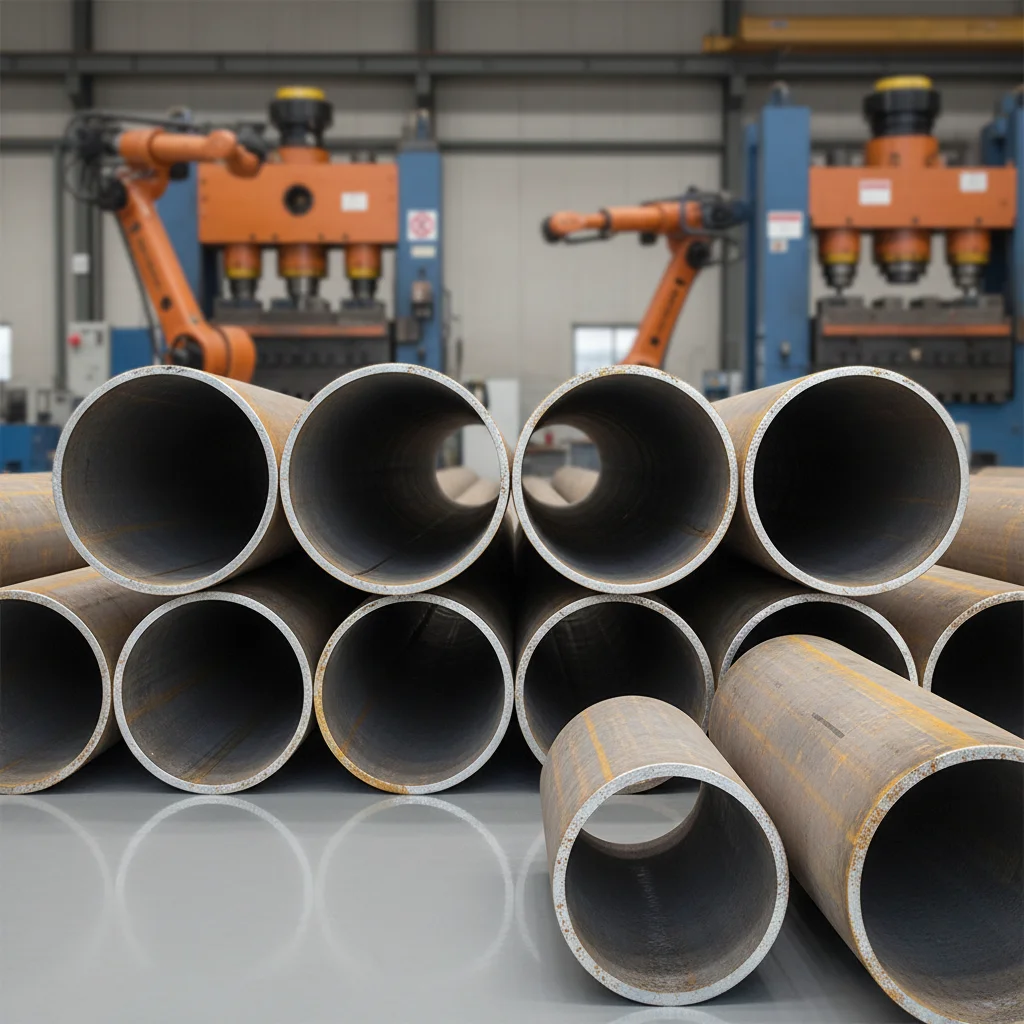
Understanding Structural Square Tubing: A Comprehensive Guide
Structural square tubing is a versatile material widely used in a diverse range of industries, from construction and manufacturing to automotive and aerospace. Its high strength-to-weight ratio, ease of fabrication, and consistent dimensions make it an ideal choice for countless applications. This article will explore the properties, applications, different types, and benefits of structural square tubing, providing a comprehensive understanding for professionals and anyone interested in learning more. Choosing the right tubing is vital for ensuring project integrity and longevity.
What is Structural Square Tubing?
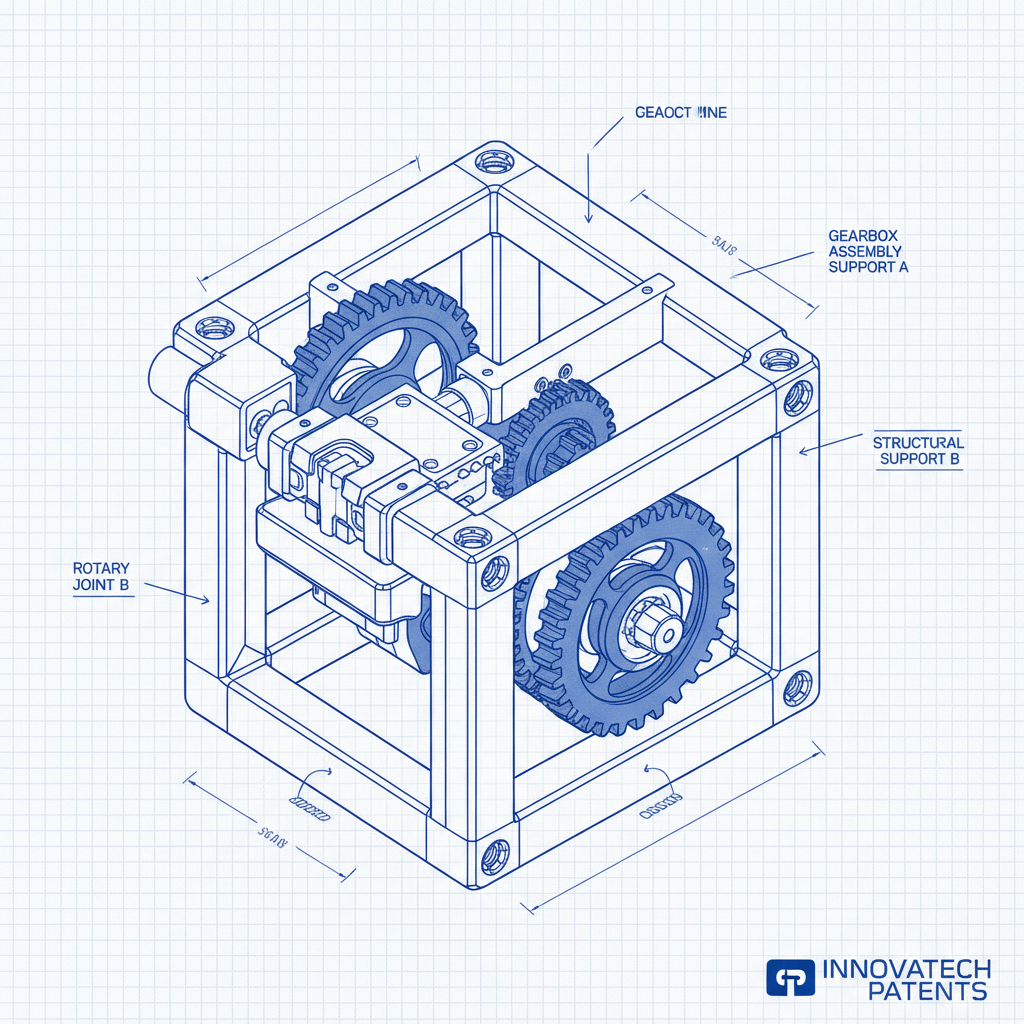
Structural square tubing, also known as hollow structural section (HSS), is a fabricated product created by welding or forming steel into a square profile. Unlike pipe, which is measured by inside diameter, tubing is defined by its outside dimensions. It's primarily used for building frameworks, supports, and other load-bearing components. The square shape provides excellent stability and resistance to bending and twisting. Benkoo Metal provides a wide range of high-quality square tubing solutions to meet your project requirements.
Key Characteristics: High strength-to-weight ratio, consistent dimensions, ease of welding and fabrication, and excellent load-bearing capabilities.
Common Materials Used in Structural Square Tubing
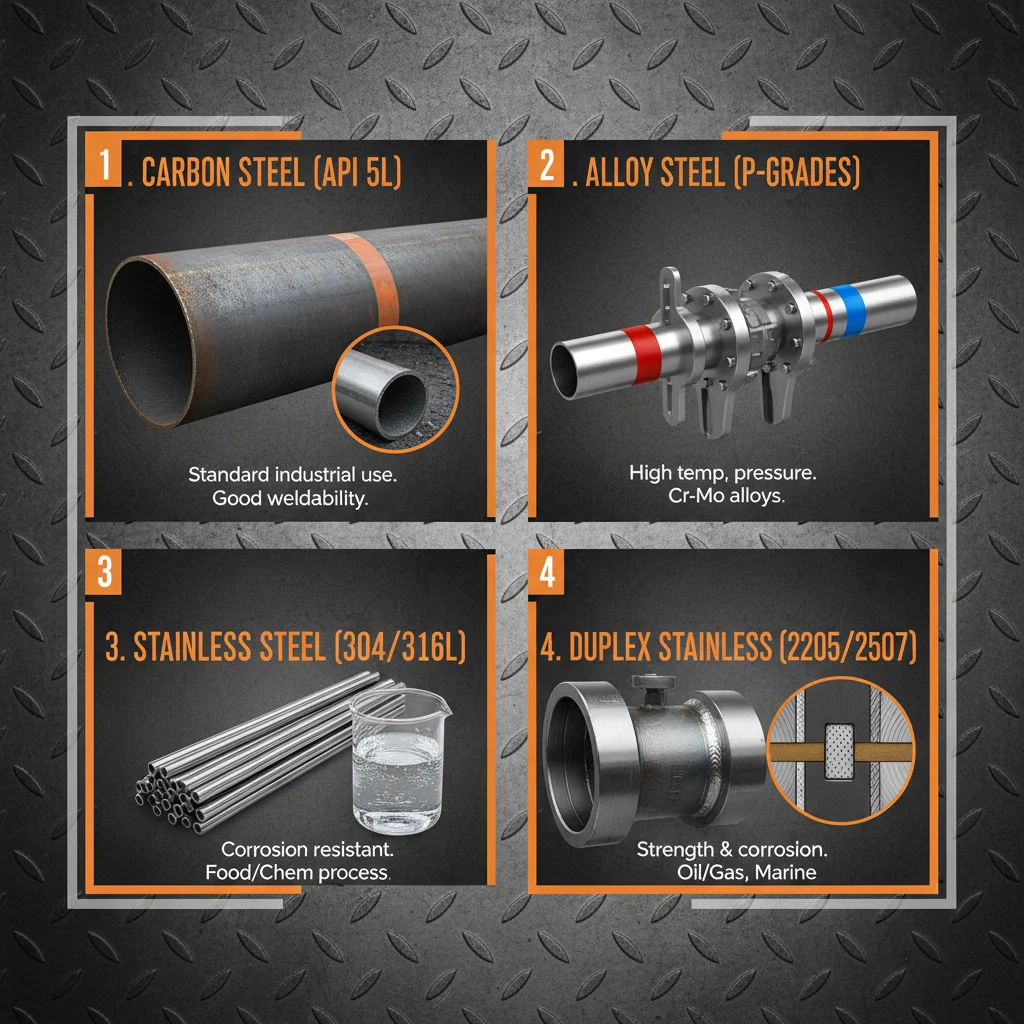
While steel is the most common material, structural square tubing can also be manufactured from other metals. The choice of material depends on the specific application and required properties. Common materials include:
- Carbon Steel: The most frequently used material due to its cost-effectiveness and strength.
- Stainless Steel: Offers superior corrosion resistance, ideal for outdoor or harsh environments.
- Aluminum: Lightweight and corrosion-resistant, suitable for applications where weight is a critical factor.
Applications of Structural Square Tubing
The versatility of structural square tubing makes it invaluable across numerous industries. Some common applications include:
- Construction: Building frameworks, scaffolding, handrails, and structural supports.
- Automotive: Chassis components, roll cages, and exhaust systems.
- Manufacturing: Machine frames, workstations, and conveyor systems.
- Aerospace: Aircraft frames and structural components (typically using high-strength alloys).
- Signage: Support structures for billboards and signs.
- Furniture: Metal furniture frames and bases.
Comparing Different Grades of Structural Square Tubing
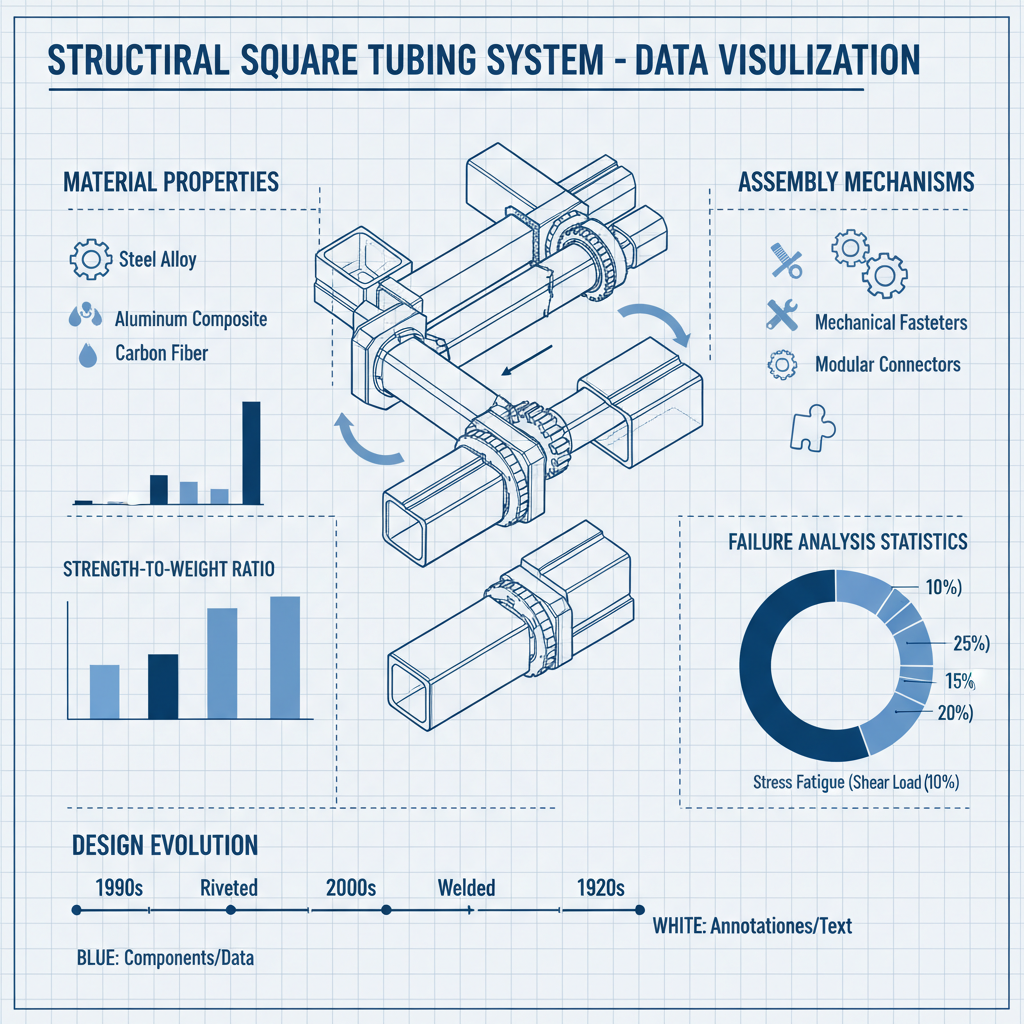
Different grades of steel are used to manufacture structural square tubing, each with varying levels of strength and weldability. Here’s a comparison of some common grades:
Benefits of Using Structural Square Tubing
Choosing structural square tubing offers several advantages:
- Strength and Durability: Provides excellent load-bearing capacity and resistance to deformation.
- Dimensional Accuracy: Consistent dimensions simplify fabrication and assembly.
- Ease of Fabrication: Easily welded, cut, and formed into various shapes.
- Cost-Effectiveness: Relatively inexpensive compared to other structural materials.
- Versatility: Suitable for a wide range of applications across many industries.
Conclusion: A Reliable Foundation for Your Projects
Structural square tubing is a foundational material for countless projects. Its strength, versatility, and cost-effectiveness make it a preferred choice for engineers, builders, and manufacturers alike. Benkoo Metal is your trusted source for high-quality structural square tubing, offering a wide range of sizes and materials to meet your specific needs.
Frequently Asked Questions (FAQs)
What is the difference between square tubing and rectangular tubing?
The primary difference lies in their cross-sectional shape. Square tubing has equal sides, providing uniform strength in all directions. Rectangular tubing, with unequal sides, offers greater strength in one direction compared to the other. The choice between the two depends on the specific load requirements and design considerations of your project. If you need equal strength in both directions, square tubing is ideal. If you need greater strength in one direction, rectangular tubing is the better choice.
How is structural square tubing typically joined?
Structural square tubing is most commonly joined using welding. The square profile allows for clean and strong welds. Other joining methods include bolting, riveting, and using specialized adhesives. The best method depends on the application, material, and required strength. Welding generally provides the strongest and most permanent connection, while bolting and riveting offer easier disassembly if needed.
What are the benefits of using stainless steel square tubing?
Stainless steel square tubing offers exceptional corrosion resistance, making it suitable for outdoor applications and harsh environments. It also has a higher strength-to-weight ratio than carbon steel and a more aesthetically pleasing appearance. While more expensive than carbon steel, its long-term durability and low maintenance costs often make it a worthwhile investment.


-20251219054209.webp "Titanium Plate & Sheet")
-20251218091502.webp "Steel Solid Bars")
-20251219055937.webp "General Application Of Welded Pipes")