0%

Table of Contents

Titanium seamless tube represents a crucial advancement in material science, offering unparalleled strength, corrosion resistance, and versatility across a multitude of industries. Its unique properties make it indispensable in applications ranging from aerospace and chemical processing to medical implants and energy production. Understanding the nuances of titanium seamless tube is paramount for engineers, researchers, and professionals seeking high-performance solutions in demanding environments.

The global demand for titanium seamless tube is steadily increasing, driven by the expanding aerospace sector, the need for robust infrastructure, and the growing adoption of advanced medical technologies. According to market analysis, the titanium industry is projected to reach significant growth in the coming years, with seamless tube production playing a key role. This growth is particularly pronounced in regions undergoing rapid industrialization and infrastructure development.

Investing in and understanding the capabilities of titanium seamless tube is no longer simply a material choice, it’s a strategic advantage. Its long-term reliability and performance offer cost savings and enhanced safety, making it a critical component in building a more durable and sustainable future.
titanium seamless tube

The Core Principles of titanium seamless tube
titanium seamless tube

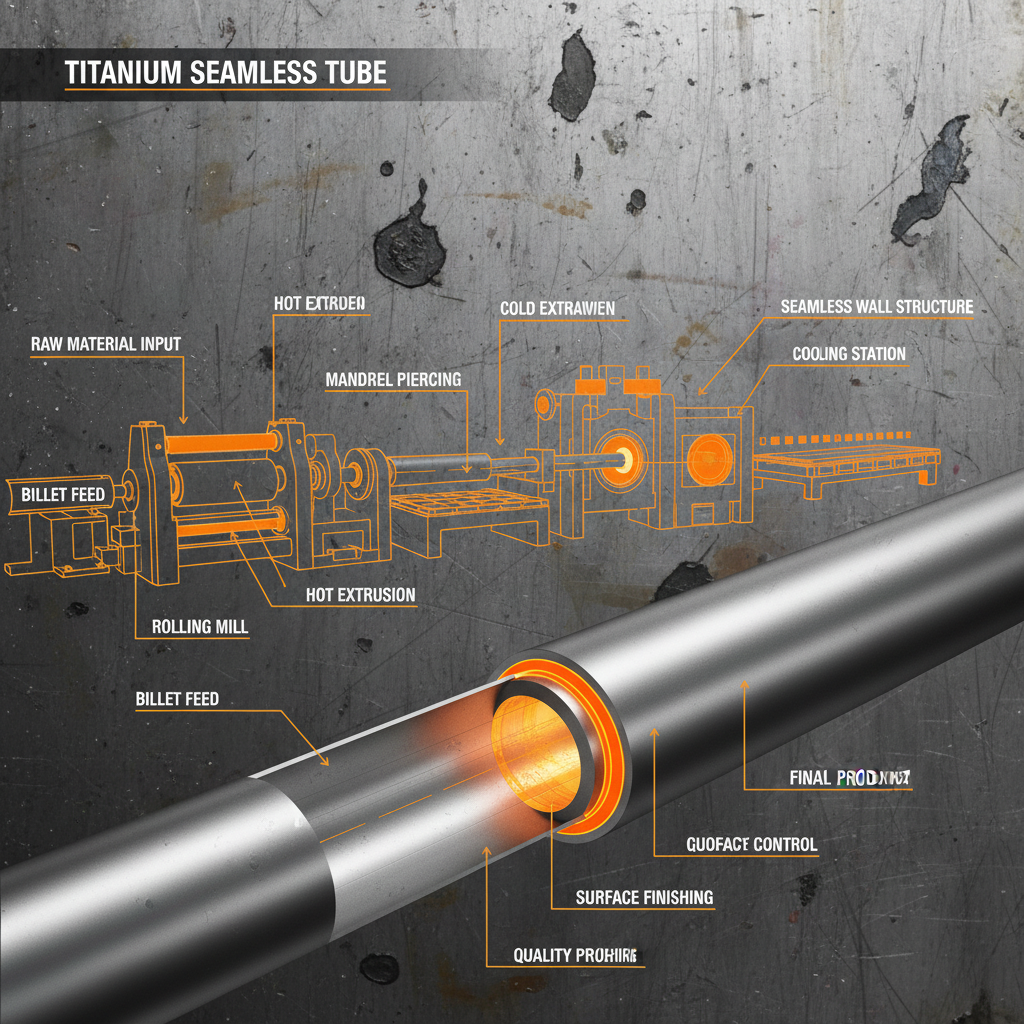
The manufacturing process of titanium seamless tube relies on advanced techniques such as extrusion and pilgering, ensuring a uniform structure and eliminating weld seams that could compromise integrity. This seamless construction is fundamental to the tube’s ability to withstand high pressures and temperatures without failure.

Understanding the metallurgical properties of titanium alloys – specifically, their high strength-to-weight ratio and exceptional corrosion resistance – is crucial for optimizing the design and application of these tubes. The specific alloy chosen impacts performance characteristics in diverse operating environments.

The Global Significance of titanium seamless tube

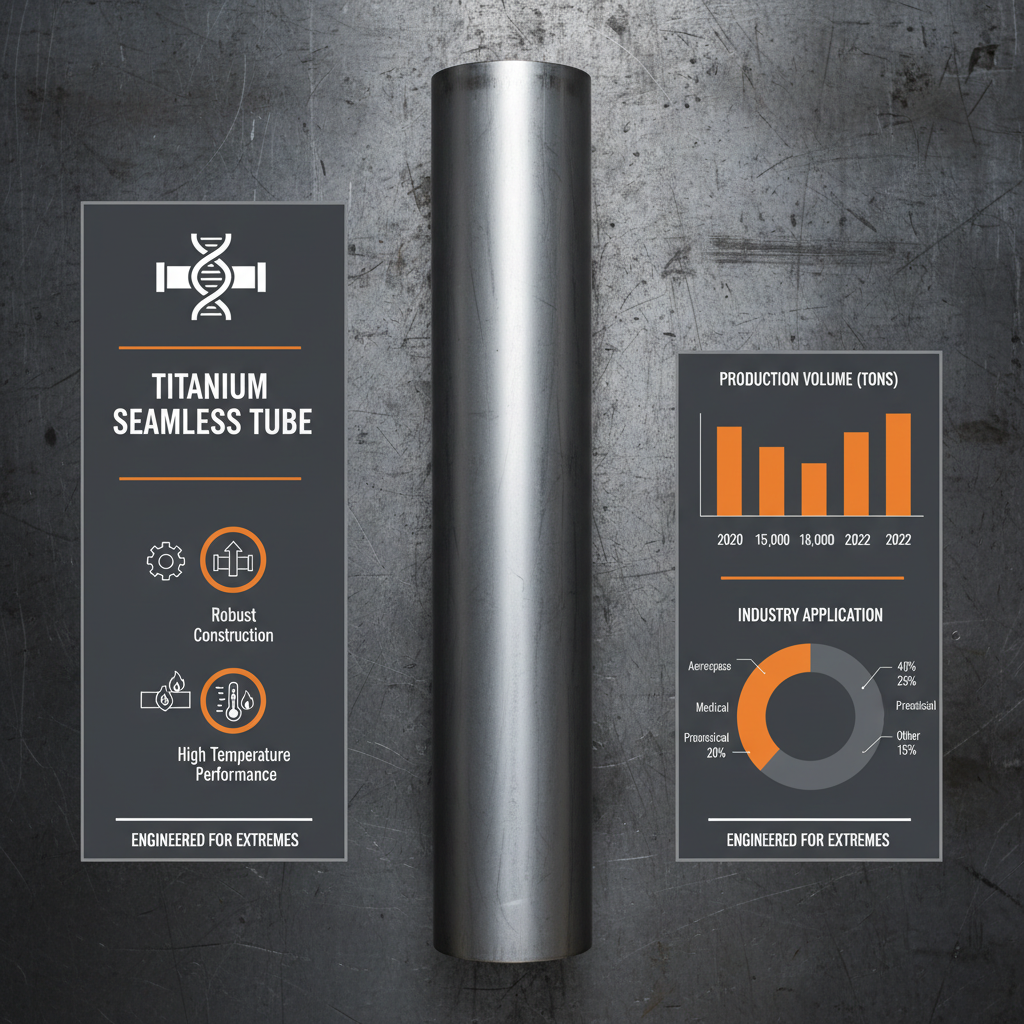
Titanium seamless tube has become an indispensable component in a wide array of global industries. The aerospace sector, demanding lightweight yet incredibly strong materials, heavily relies on these tubes for hydraulic systems, engine components, and structural elements. Their high performance directly contributes to fuel efficiency and flight safety.

The chemical processing industry utilizes titanium seamless tube for its exceptional resistance to corrosive environments, preventing leaks and ensuring the safe handling of hazardous materials. This capability is essential for maintaining operational integrity and environmental compliance.

Furthermore, the growing demand for advanced medical implants and surgical instruments has fueled the need for biocompatible and durable titanium seamless tube. Its inert nature minimizes the risk of rejection and supports long-term implant functionality, significantly improving patient outcomes.

Defining titanium seamless tube

A titanium seamless tube is a hollow, cylindrical component crafted from titanium alloys without the use of welding. Unlike welded tubes, seamless tubes are created from a single billet of titanium, which is then shaped into the desired form through processes like extrusion or pilgering. This results in a homogenous structure without any weak points associated with welds.

This inherent structural integrity makes titanium seamless tube ideal for high-pressure, high-temperature, and corrosive applications where failure is not an option. The absence of weld seams minimizes the risk of cracking, leakage, and other failures common in welded alternatives, ensuring long-term reliability and safety.

Its connection to modern industry stems from the continuous push for materials that can withstand extreme conditions, offering longevity and performance advantages. From powering critical systems in aircraft to facilitating safe chemical processes, titanium seamless tube is a foundational element of modern technological progress.

Key Characteristics of titanium seamless tube

The remarkable durability of titanium seamless tube stems from its high tensile strength and exceptional resistance to fatigue. This makes it suitable for applications involving repeated stress and vibration, such as in aerospace and automotive engineering.

Corrosion resistance is another hallmark, arising from the formation of a passive titanium dioxide layer on the surface. This layer protects the underlying metal from degradation, even in highly corrosive environments like seawater and strong acids, significantly extending the lifespan of the tube.

Performance Comparison of Different titanium seamless tube Manufacturing Methods

Applications of titanium seamless tube Across Industries

In the aerospace industry, titanium seamless tube is utilized extensively in aircraft hydraulic systems, engine components, and airframe structures. Its lightweight nature contributes to fuel efficiency, while its strength ensures structural integrity under extreme conditions.

The chemical processing sector leverages titanium seamless tube's corrosion resistance for handling corrosive fluids and gases. Applications include heat exchangers, pipelines, and reactor components, minimizing downtime and ensuring safe operations.

Long-Term Value and Advantages of titanium seamless tube

The initial cost of titanium seamless tube may be higher compared to other materials, however, its exceptional lifespan and minimal maintenance requirements translate into significant long-term cost savings. Reduced downtime and replacements contribute to overall economic efficiency.

The inherent reliability of titanium seamless tube enhances operational safety and reduces the risk of catastrophic failures. This is especially crucial in industries where downtime or accidents can have severe consequences, fostering trust and peace of mind.

Moreover, titanium’s recyclability aligns with sustainable practices, minimizing environmental impact and supporting a circular economy. This commitment to sustainability enhances a company’s reputation and appeals to environmentally conscious consumers.

Future Trends and Innovations in titanium seamless tube

Ongoing research focuses on developing new titanium alloys with enhanced properties, such as improved strength-to-weight ratios and increased corrosion resistance. These advancements will expand the range of applications for titanium seamless tube.

The integration of additive manufacturing (3D printing) techniques promises to revolutionize the production of titanium seamless tube, enabling the creation of complex geometries and customized designs with greater efficiency.

Furthermore, the pursuit of more sustainable manufacturing processes, including reducing energy consumption and minimizing waste, is driving innovation in the titanium industry, making titanium seamless tube an even more environmentally responsible choice.

Analysis of Factors Influencing the Performance of titanium seamless tube

Alloy Composition Manufacturing Process Operating Temperature Corrosion Exposure
Ti-6Al-4V (Grade 5) Extrusion with Subsequent Pilgering 200°C Seawater
Commercially Pure Titanium (Grade 2) Hot Spinning 100°C Sulfuric Acid
Ti-3Al-2.5V (Grade 9) Seamless Drawing 300°C Chlorine Gas
Ti-6Al-4V ELI (Extra Low Interstitial) Cold Pilgering -50°C Nitric Acid
Commercially Pure Titanium (Grade 1) Extrusion 25°C Fresh Water
Ti-0.2Pd (Grade 7) Seamless Tube Rolling 150°C Hydrochloric Acid

FAQS

What are the primary advantages of using titanium seamless tube over welded alternatives?

Titanium seamless tube eliminates the weld seam present in welded tubes, creating a more structurally homogenous product. This inherently improves its resistance to cracking, corrosion, and fatigue failure, particularly under high pressure and temperature conditions. The absence of a weld zone minimizes potential weak points and ensures greater long-term reliability, making seamless tubes the preferred choice for critical applications in aerospace, chemical processing, and medical fields.

What types of titanium alloys are commonly used in manufacturing titanium seamless tube?

Several titanium alloys are employed, each tailored for specific applications. Ti-6Al-4V (Grade 5) is a popular choice for high-strength applications, while commercially pure titanium (Grades 1-4) offers excellent corrosion resistance and biocompatibility. Ti-3Al-2.5V (Grade 9) provides a balance of strength and weldability, and Ti-6Al-4V ELI (Extra Low Interstitial) is ideal for cryogenic applications due to its enhanced ductility. Alloy selection depends on the required mechanical properties, operating environment, and cost considerations.

What industries most heavily rely on titanium seamless tube and why?

Aerospace is a major consumer, utilizing the tubes in hydraulic systems, engine components, and airframes due to their lightweight strength. The chemical processing industry depends on their corrosion resistance for handling harsh substances. Medical implants utilize biocompatibility, and the energy sector benefits from resistance to extreme temperatures and pressures. These industries all prioritize reliability and safety, making titanium seamless tube essential.

How does the manufacturing process impact the quality and performance of titanium seamless tube?

Manufacturing processes like extrusion and pilgering directly affect the tube’s microstructure, mechanical properties, and dimensional accuracy. Careful control of process parameters such as temperature, pressure, and reduction ratio is crucial to achieve a homogenous, defect-free structure. Proper heat treatment is also essential for optimizing strength and ductility. Advanced inspection techniques are employed to verify quality and adherence to specifications.

What are the environmental considerations related to the production and use of titanium seamless tube?

Titanium is a relatively sustainable material due to its recyclability. However, the production process can be energy-intensive. Efforts are ongoing to reduce energy consumption and minimize waste through optimized manufacturing techniques and the use of renewable energy sources. Furthermore, the long lifespan of titanium seamless tube reduces the need for frequent replacements, contributing to resource conservation.

Are there any emerging technologies impacting the future of titanium seamless tube?

Additive manufacturing (3D printing) holds immense potential for creating complex titanium seamless tube geometries and customized designs. Digital twin technology allows for predictive maintenance and optimization of tube performance. Research into new titanium alloys with enhanced properties and improved manufacturing processes continues to drive innovation. These advancements are poised to expand the applications and capabilities of titanium seamless tube significantly.

Conclusion

Titanium seamless tube stands as a testament to materials engineering, offering a unique combination of strength, corrosion resistance, and reliability. Its widespread application across critical industries like aerospace, chemical processing, and healthcare underscores its importance in modern technology. Investing in and understanding this material is essential for those seeking high-performance solutions and long-term value.

As we look to the future, continuous innovation in alloy development and manufacturing techniques will further enhance the capabilities of titanium seamless tube. Embracing these advancements will be vital for addressing emerging challenges and unlocking new opportunities in a rapidly evolving world. For detailed specifications and tailored solutions, visit our website: titanium seamless tube.

Declan Hayes

Declan Hayes

Declan Hayes is a Supply Chain Manager at BENKOO METAL, responsible for maintaining the company’s 2,800-ton inventory. He ensures efficient sourcing, warehousing, and distribution of nickel alloy, stainless steel, and alloy steel materials. With a meticulous attention to detail and over 6 years of logistics experience, Declan optimizes the supply
Previous Exploring the Versatility and Applications of Titanium Round Stock in Modern Engineering
Next ​How Is China Best CRA Pipe Supplier Attracting European Buyers at Tube & Wire Düsseldorf 2026?

If you are interested in our products, you can choose to leave your information here, and we will be in touch with you shortly.

  • captcha