
Hollow structural tube, often referred to as HST, is a fundamental building block in modern construction and engineering. Its versatility, stemming from its high strength-to-weight ratio, makes it indispensable across a vast range of applications – from constructing towering skyscrapers and robust bridges to creating lightweight vehicle chassis and intricate architectural designs. Understanding the nuances of HST, including its manufacturing processes, material properties, and application-specific considerations, is crucial for engineers, architects, and fabricators alike.
The global demand for hollow structural tube is consistently rising, driven by rapid urbanization, infrastructure development, and the increasing need for sustainable building solutions. According to the World Steel Association, global steel demand is projected to continue growing, with structural steel, including HST, playing a significant role. This growth isn't limited to developed nations; emerging economies are investing heavily in infrastructure, further fueling the demand.
A critical challenge in many parts of the world is access to affordable and resilient infrastructure. hollow structural tube provides a solution by offering a cost-effective and durable material for building long-lasting structures, mitigating the impact of natural disasters, and improving the overall quality of life for communities in need.
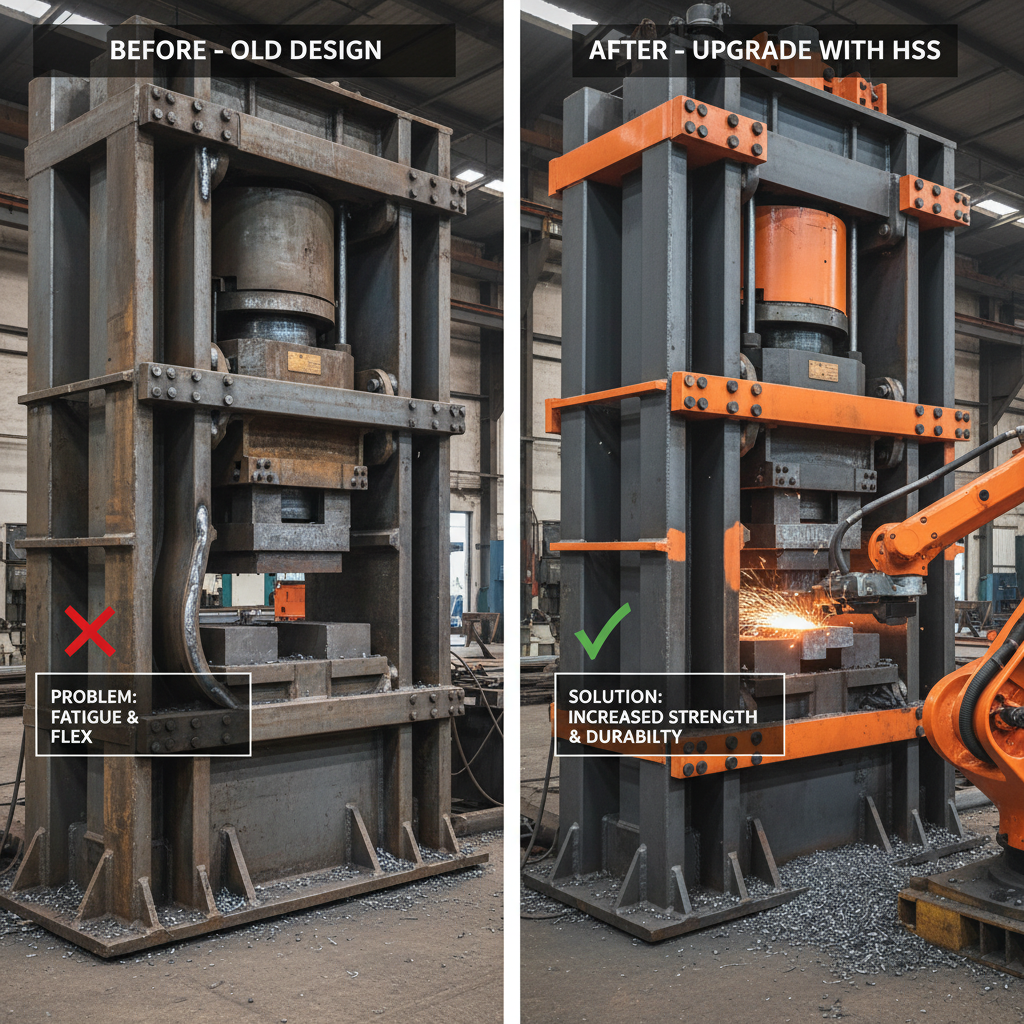
Introduction: Global Relevance of hollow structural tube
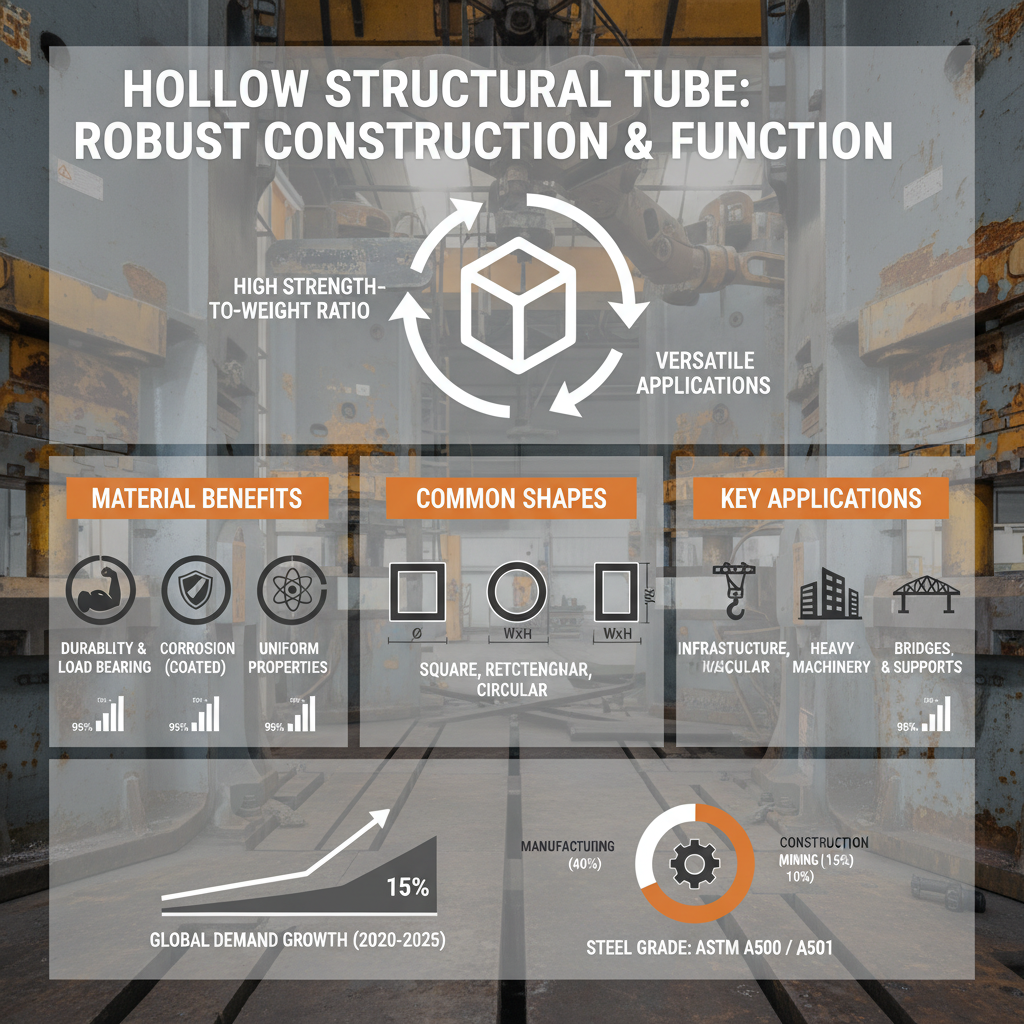
The pervasive use of hollow structural tube is a testament to its adaptability and efficiency. From the intricate frameworks of modern stadiums to the essential support structures of industrial facilities, HST is quietly shaping the world around us. Its consistent quality, predictable behavior under stress, and relatively easy fabrication contribute to its widespread adoption in construction projects globally.
This material isn’t merely about building bigger; it’s about building smarter. HST's inherent strength allows for longer spans, reduced material usage, and optimized designs, contributing to lower project costs and a smaller environmental footprint. Its ability to be seamlessly integrated with other building components makes it a preferred choice for architects and engineers seeking design flexibility and construction efficiency.
FAQS
Selecting the correct wall thickness for hollow structural tube involves a comprehensive assessment of load requirements, span lengths, and environmental factors. Engineers must consider the anticipated dead and live loads, wind loads, seismic activity, and potential corrosion risks. Thicker walls provide greater strength and stability but also increase material costs. Detailed calculations and adherence to relevant building codes are essential for ensuring structural integrity and safety. Finite element analysis (FEA) software can aid in optimizing wall thickness based on specific project needs.
The manufacturing process significantly influences the mechanical properties of HST. Cold forming generally results in higher yield strength and tensile strength due to work hardening. Hot rolling produces a more ductile material with lower residual stresses, enhancing its weldability. The specific steel grade used also plays a crucial role. Careful control of parameters like temperature, cooling rates, and forming pressures is essential for achieving desired properties and consistent quality. Proper quality control measures, including material testing and dimensional inspections, are vital throughout the manufacturing process.
Several coating options are available to enhance the corrosion resistance of hollow structural tube. Galvanizing, a zinc coating, provides sacrificial protection, preventing rust from forming on the steel. Powder coating creates a durable, protective layer resistant to abrasion and chemicals. Epoxy coatings offer excellent adhesion and corrosion protection in harsh environments. Paint systems, including primer and topcoat, provide aesthetic appeal and an additional barrier against corrosion. The choice of coating depends on the specific application, environmental conditions, and budget constraints.
Welding HST requires careful attention to detail to ensure a strong, reliable joint. Proper joint preparation, including cleaning and beveling, is essential. Selecting the appropriate welding process (e.g., GMAW, FCAW) and filler metal is crucial based on the steel grade and application. Preheating can reduce the risk of cracking, especially with higher-strength steels. Following established welding procedures and employing qualified welders are vital for maintaining weld quality and structural integrity. Post-weld inspection, including visual inspection and non-destructive testing, should be performed to verify weld soundness.
Hollow structural tube contributes to sustainable building practices in several ways. Steel is highly recyclable, reducing the demand for virgin materials. HST’s high strength-to-weight ratio allows for optimized designs, minimizing material usage and reducing transportation costs. Its durability extends the lifespan of structures, reducing the need for frequent replacements. Moreover, advancements in steel production are focused on reducing carbon emissions and promoting energy efficiency, further enhancing its sustainability profile.
The lifespan of a structure built with HST is highly dependent on environmental conditions, maintenance practices, and the quality of materials and construction. However, with proper design, fabrication, and protective coatings, HST structures can easily last 50-100 years or even longer. Regular inspections and maintenance, including addressing corrosion and repairing any damage, are crucial for maximizing longevity. Properly maintained HST structures represent a durable and sustainable investment.
Conclusion
In summary, hollow structural tube stands as a versatile, durable, and cost-effective material playing a pivotal role in modern infrastructure and construction. Its high strength-to-weight ratio, scalability, and adaptability make it ideal for a wide range of applications, from towering skyscrapers to robust bridges and intricate industrial facilities. Embracing HST not only ensures structural integrity and longevity but also contributes to sustainable building practices and a more resilient future.
Looking ahead, continued innovation in HST technology, including the development of high-strength alloys, smart sensors, and sustainable manufacturing processes, will further enhance its performance and broaden its applications. Prioritizing responsible sourcing, meticulous design, and diligent maintenance will unlock the full potential of HST and ensure its continued contribution to building a safer, more efficient, and sustainable world. Visit our website to learn more: www.benkoometal.com
Related Posts
-
Understanding API 5CT Specifications for Reliable Pipeline and Well Construction
-
How Is China Top OCTG Supplier Connecting with International Buyers at ADIPEC Every November?
-
Comprehensive Guide to Low Carbon Steel Pipework Applications and Future Trends
-

Navigating the Landscape of Duplex Pipe Applications and Common Challenges