api 5ct, or American Petroleum Institute Specification 5CT, is the cornerstone for casing and tubing used in the oil and gas industry. It’s more than just a specification; it's a globally recognized standard ensuring the integrity and safety of wells drilled worldwide. From the Permian Basin to the North Sea, understanding api 5ct is critical for anyone involved in energy production. Its significance lies in its ability to standardize material properties, manufacturing processes, and testing procedures, directly impacting the reliability and longevity of oil and gas wells. It dictates everything from steel composition to connection threading, ensuring that the downhole equipment can withstand immense pressure, corrosion, and extreme temperatures.
The proliferation of api 5ct is directly tied to the exponential growth of oil and gas exploration and production globally. As demand for energy increased, so did the need for standardized, reliable materials that could operate in increasingly challenging environments. Organizations like the UN and the World Bank rely on these standards to oversee projects in developing nations, ensuring responsible resource extraction. The increasing complexity of drilling operations, including horizontal and deepwater drilling, requires rigorously tested materials, and api 5ct provides that assurance. Without a globally accepted standard like this, the risk of well failures and environmental disasters would be substantially higher.
Essentially, api 5ct is a detailed set of requirements for the manufacturing of seamless and welded steel casing and tubing used to line oil and gas wells. It covers everything needed to ensure a well can safely extract resources for decades. It’s the difference between a productive, safe well and a costly, environmentally damaging failure. In today’s world, where energy security and environmental responsibility are paramount, api 5ct isn’t just important – it’s essential.
The Significance of api 5ct in Modern Industry
Look, I’ve spent twenty years on rigs, and the one constant is the need for reliable steel. api 5ct isn’t just about meeting a set of numbers; it’s about ensuring the guys downhole are safe and the well isn’t going to blow out. The energy sector is fundamentally reliant on materials that perform under unbelievable stress, and api 5ct provides that baseline assurance.
Without api 5ct, you’d be relying on materials from who-knows-where with no guarantee of quality. That leads to increased costs for testing, increased risk of failure, and ultimately, a less efficient and more dangerous operation. It’s a foundational element of the entire oil and gas supply chain.
Defining api 5ct: A Detailed Overview
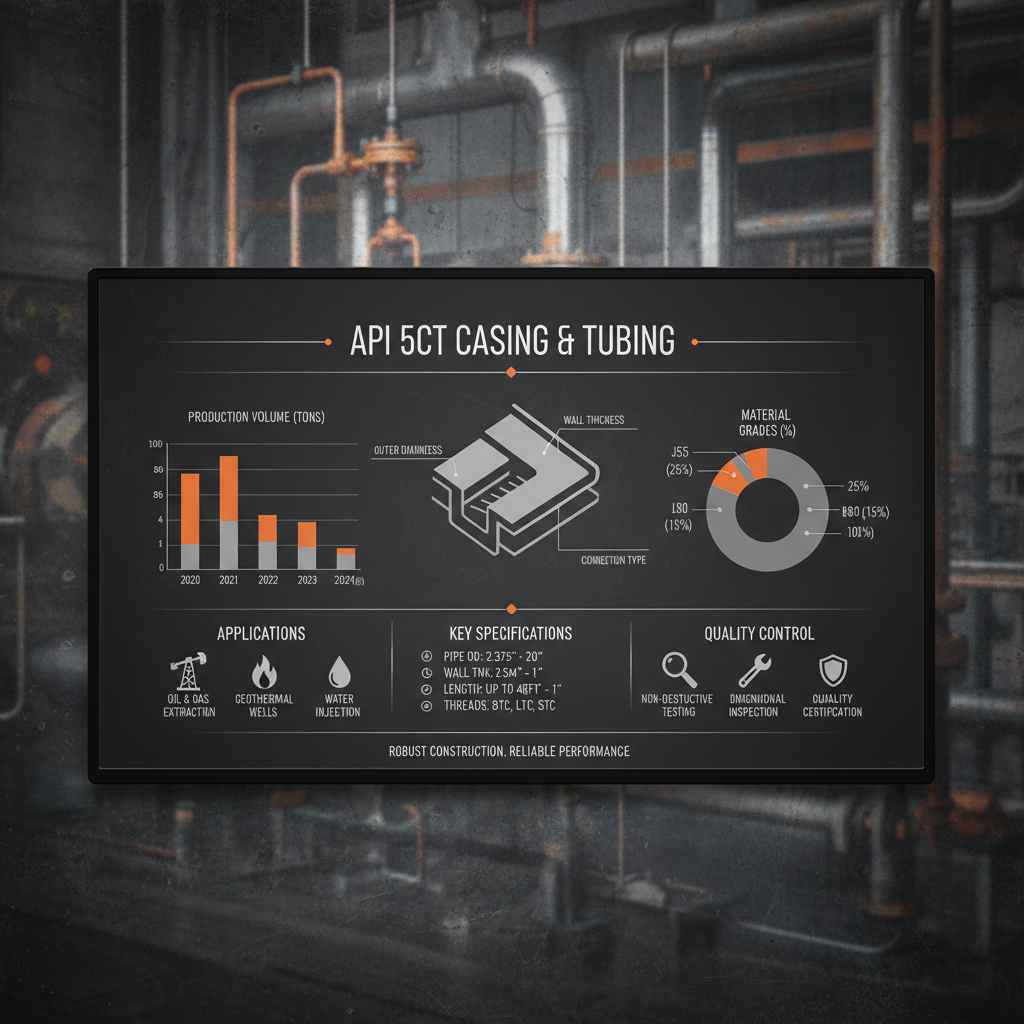
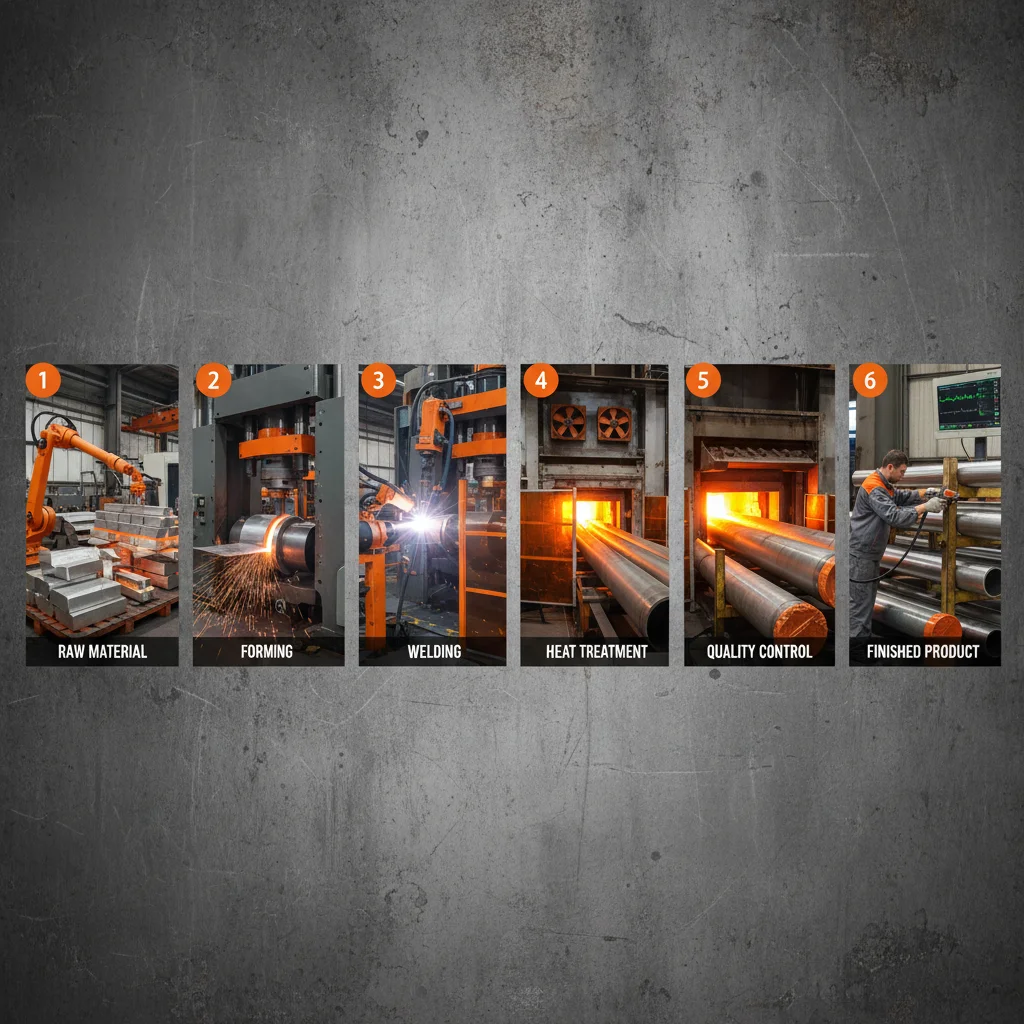
api 5ct is essentially a detailed blueprint for manufacturing casing and tubing. It specifies everything from the chemical composition of the steel – the different grades, the allowable levels of impurities – to the mechanical properties like yield strength and tensile strength. It also covers dimensional requirements, threading specifications for connections, and a whole suite of non-destructive testing methods. Think of it as a recipe for making the strongest, most reliable pipes possible for downhole applications.
It's crucial to understand that api 5ct isn’t static. It’s constantly being updated and revised to reflect advancements in materials science, manufacturing techniques, and drilling technologies. The API committee regularly reviews the specification, incorporating lessons learned from field failures and incorporating new innovations to improve performance.
Its connection to modern industry goes beyond just extraction. It ensures responsible resource management. Reliable wells mean less environmental impact from leaks or failures. And it allows for the development of more complex, efficient extraction methods, helping to maximize resource recovery.
Core Components of the api 5ct Specification
Durability is paramount. api 5ct specifies stringent requirements for steel quality and manufacturing processes to ensure that casing and tubing can withstand the harsh conditions found in oil and gas wells – high pressures, corrosive fluids, and extreme temperatures. This includes meticulous control of steel composition and rigorous testing procedures.
Scalability is also key. The specification covers a wide range of sizes, weights, and grades of casing and tubing, allowing operators to select the most appropriate materials for their specific well conditions. It's not a one-size-fits-all approach; it offers flexibility while maintaining a consistent level of quality. You’ve got everything from small-diameter tubing for gas lift to large-diameter casing for wellbore stability.
Cost-efficiency is built-in, not as a primary goal, but as a consequence of standardization and reduced failure rates. While high-quality materials aren't cheap, the long-term cost of failure – well downtime, environmental remediation, loss of production – is far greater. api 5ct minimizes those risks.
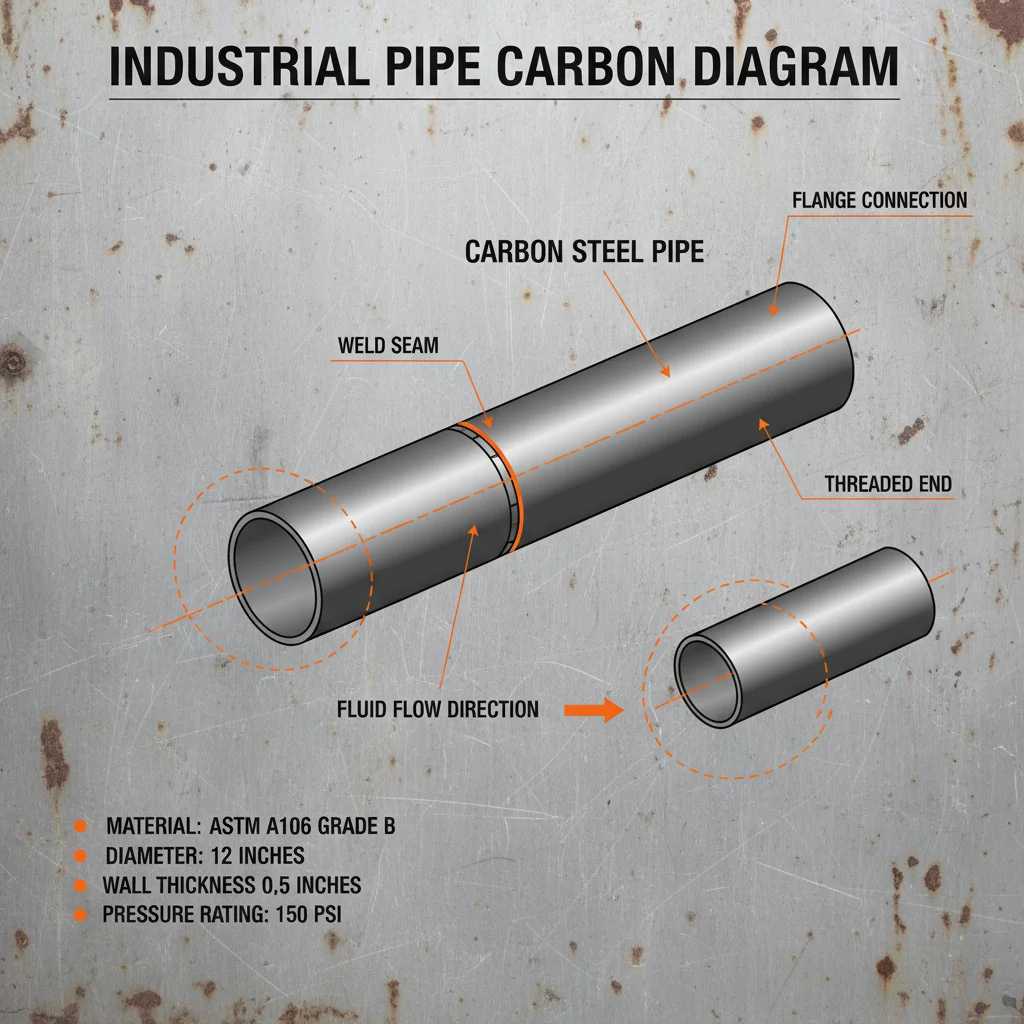
Connection integrity is another vital component. The specification outlines precise threading requirements for joining sections of casing and tubing, ensuring a leak-proof seal that can withstand immense pressure. Improperly threaded connections are a major source of well failures.
Corrosion resistance is addressed through material selection and the application of protective coatings. Different grades of steel offer varying levels of resistance to corrosion, and specialized coatings can further enhance protection in particularly aggressive environments.
Finally, traceability is a crucial aspect. api 5ct requires manufacturers to maintain detailed records of the manufacturing process, allowing for full traceability of materials and components. This is essential for quality control and investigation of any potential failures.
Practical Applications and Global Impact
You’ll find api 5ct in pretty much every oil and gas well around the globe. It’s used for wellbore casing – providing structural support and isolating different formations – and for production tubing – conveying oil and gas to the surface. It’s not limited to conventional wells, either; it’s equally critical for unconventional resources like shale gas and tight oil.
In regions like the Middle East, where deepwater drilling is common, api 5ct ensures the integrity of wells operating under extreme pressure and temperature. In North America, it’s essential for the development of shale resources, where horizontal wells require highly reliable casing to withstand fracking pressures. And in remote locations like the Arctic, it’s critical for ensuring the safe and responsible extraction of resources in challenging environmental conditions.
In post-disaster relief operations – think after a hurricane damages offshore platforms – api 5ct compliant materials are essential for rapid repair and restoration of critical infrastructure. Likewise, in remote industrial zones where access is limited, the reliability of api 5ct materials minimizes the need for costly and time-consuming maintenance and repairs.
api 5ct Performance Metrics
Advantages and Long-Term Value Proposition
The tangible benefits of using api 5ct are clear: reduced risk of well failures, lower maintenance costs, and increased production efficiency. But it’s more than just cost savings. It’s about ensuring the safety of workers, protecting the environment, and building trust with stakeholders. A well built to api 5ct standards is a well built to last.
From a sustainability perspective, reliable wells minimize the risk of leaks and spills, reducing the environmental impact of oil and gas production. This is increasingly important as the industry faces growing pressure to reduce its carbon footprint. And from a social impact standpoint, api 5ct helps to ensure responsible resource development, benefiting local communities and supporting economic growth.
Future Trends and Innovations in api 5ct
We’re seeing a push for higher-strength steels that can withstand even more extreme conditions, particularly in deepwater and ultra-deepwater environments. There's a lot of research going into new alloys and heat treatment processes to improve material performance.
Digital transformation is also playing a role. We’re starting to see the use of sensors and data analytics to monitor the condition of casing and tubing in real-time, allowing for proactive maintenance and preventing failures before they occur. This is all about optimizing performance and reducing downtime.
Challenges and Solutions in api 5ct Implementation
One of the biggest challenges is ensuring consistent quality control throughout the supply chain. There are a lot of manufacturers out there, and not all of them adhere to api 5ct standards as rigorously as they should. That’s where robust inspection and testing procedures are critical.
Another challenge is the increasing complexity of well designs. Horizontal wells, multi-lateral wells, and extended-reach wells all present unique challenges for casing and tubing design and installation. It requires a deep understanding of api 5ct and a willingness to innovate.
The solution is a combination of stricter enforcement of api 5ct standards, increased collaboration between manufacturers, operators, and regulators, and a continuous commitment to research and development. We need to be constantly pushing the boundaries of what’s possible to ensure the safety and reliability of oil and gas operations.
A Comparative Analysis of api 5ct Implementation Challenges and Mitigation Strategies
| Challenge Area |
Impact on api 5ct Compliance |
Mitigation Strategy |
Implementation Cost (1-10) |
| Supply Chain Variability |
Inconsistent material quality, deviations from api 5ct specifications |
Vendor qualification programs, rigorous material testing, third-party inspection |
7 |
| Complex Well Designs |
Increased stress on casing and tubing, potential for failure |
Advanced modeling and simulation, optimized casing design, enhanced connection integrity |
8 |
| Corrosion Challenges |
Reduced material lifespan, increased risk of leaks and failures |
Selection of corrosion-resistant alloys, application of protective coatings, corrosion monitoring |
6 |
| Human Error |
Improper installation, inadequate inspection, lack of training |
Comprehensive training programs, standardized procedures, quality control checks |
5 |
| Regulatory Compliance |
Failure to meet local and international regulations, potential fines and penalties |
Staying up-to-date on regulatory changes, implementing compliance programs, conducting regular audits |
7 |
| Data Management |
Lack of traceability, difficulty in identifying and addressing issues |
Implementing robust data management systems, utilizing blockchain technology, improving data accuracy |
6 |
FAQS
The primary purpose of api 5ct is to standardize the manufacturing process for casing and tubing used in oil and gas wells. It ensures the materials meet specific quality and performance requirements, reducing the risk of well failures and protecting the environment. It defines everything from steel composition to threading specifications, ensuring a consistent level of reliability across the industry.
api 5ct is not updated on a fixed schedule. The API committee reviews and revises the specification as needed, typically every few years, to reflect advancements in materials science, manufacturing techniques, and drilling technologies. Updates are also driven by lessons learned from field failures and new industry challenges. Staying current with the latest edition is crucial for compliance.
Casing is the larger-diameter pipe used to line the wellbore, providing structural support and isolating different formations. Tubing is a smaller-diameter pipe run inside the casing, used to convey oil and gas to the surface. api 5ct has separate requirements for each, reflecting their different roles and operating conditions. Casing typically handles higher pressures and more corrosive environments.
api 5ct significantly enhances well safety by establishing strict standards for material quality, manufacturing processes, and testing procedures. This reduces the likelihood of catastrophic failures such as casing collapse or leaks, which can lead to blowouts, environmental damage, and injuries. The specification ensures that wells are constructed with reliable materials capable of withstanding extreme conditions.
api 5ct requires a comprehensive suite of tests, including chemical analysis, mechanical testing (tensile strength, yield strength, elongation), non-destructive testing (ultrasonic inspection, magnetic particle inspection), and hydrostatic testing. These tests verify that the materials meet the specified requirements for strength, ductility, and integrity. Regular inspections and audits are also crucial for maintaining compliance.
The latest version of the api 5ct specification can be purchased directly from the American Petroleum Institute (API) website: www.api.org. It’s important to ensure you are using the most current edition, as the specification is periodically updated to reflect industry best practices and technological advancements. Be aware that the specification is a complex document and may require specialized knowledge to fully understand.
Conclusion
In conclusion, api 5ct is far more than a technical specification; it’s a fundamental pillar of the global oil and gas industry. It ensures the safety, reliability, and sustainability of energy production, protecting workers, the environment, and valuable resources. From material selection to manufacturing processes, api 5ct sets the standard for quality and performance, mitigating risks and enabling efficient operations.
Looking ahead, continued innovation in materials science and digital technologies will further enhance the effectiveness of api 5ct. By embracing these advancements and fostering collaboration across the industry, we can ensure that api 5ct remains a vital tool for responsible resource development for generations to come. For more information on api 5ct compliant products and solutions, visit our website: www.benkoometal.com