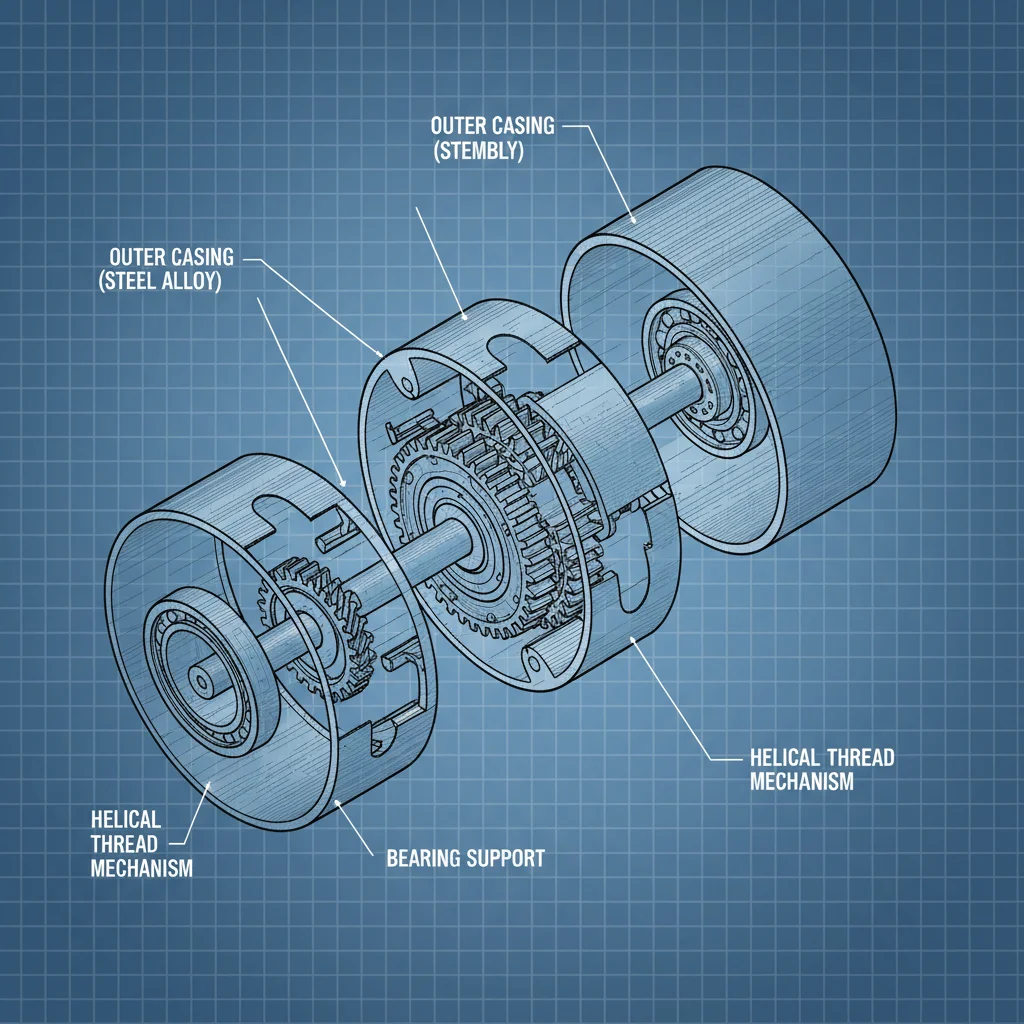
ASME A106 Grade B seamless pipe is a vital component in numerous industries globally, renowned for its reliability and strength. Its consistent chemical and mechanical properties make it a preferred choice for high-pressure and high-temperature applications. Understanding its specifications, applications, and limitations is critical for engineers, procurement specialists, and quality control personnel. The widespread use of asme a106 gr b underscores its significance in ensuring the safe and efficient operation of critical infrastructure worldwide.
The demand for ASME A106 Gr B piping has steadily increased alongside the growth of energy, petrochemical, and manufacturing sectors. Global infrastructure projects and the need for reliable fluid transport systems continually drive this demand. However, challenges like fluctuating material costs, stringent quality control requirements, and the increasing emphasis on sustainable practices require ongoing attention. The material’s traceability and adherence to industry standards are paramount in maintaining operational integrity and minimizing risk.
This material plays a crucial role in upholding safety standards across industries. Its conformity to ASME standards ensures that pipelines and pressure vessels can withstand demanding operational conditions. The ability to consistently meet these standards is essential for preventing failures and maintaining the integrity of essential systems, making asme a106 gr b a cornerstone of safe industrial practices.
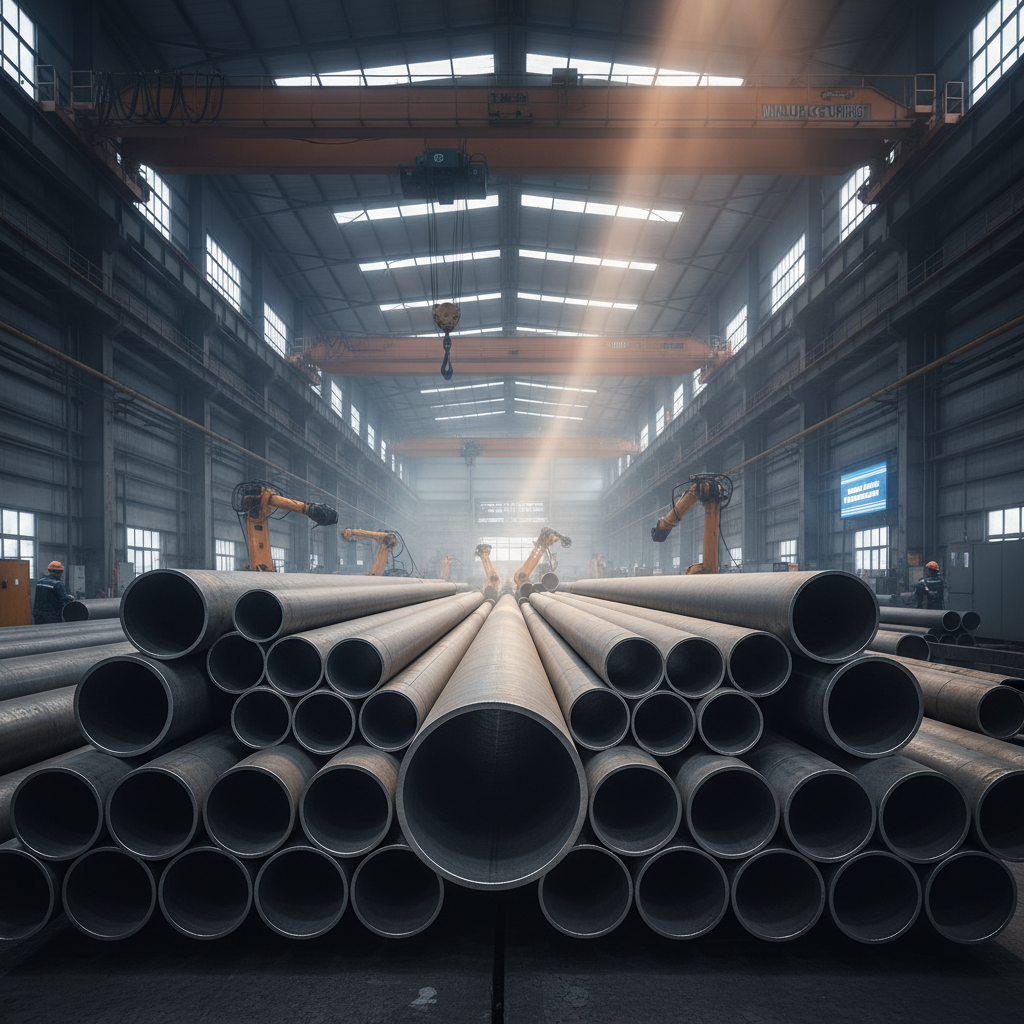
ASME A106 Grade B represents a cornerstone of material selection for critical piping systems across numerous industrial applications. Its widespread adoption is a direct result of its ability to reliably handle high temperatures and pressures, factors that are paramount in sectors like oil and gas, power generation, and chemical processing. The stringent quality control measures associated with asme a106 gr b manufacturing contribute significantly to operational safety and longevity.
The importance of selecting the right material for these applications cannot be overstated. Failures in piping systems can lead to catastrophic consequences, including environmental damage, financial losses, and, most importantly, safety hazards. ASME A106 Gr B’s proven track record and compliance with rigorous standards provide a level of assurance that is highly valued by engineers and operators.
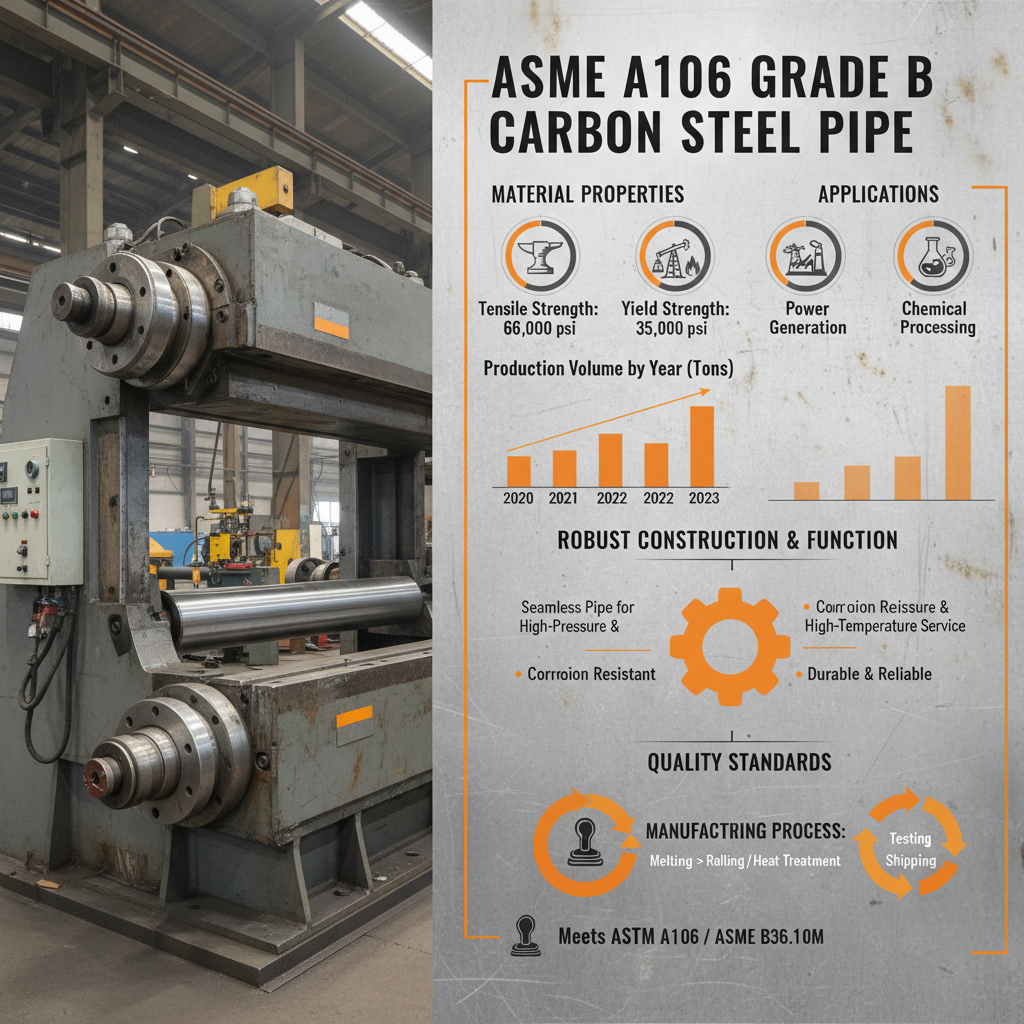
ASME A106 Grade B is a carbon steel seamless pipe specification established by the American Society of Mechanical Engineers (ASME). It defines the requirements for the material, manufacturing processes, and testing procedures to ensure consistent quality and performance. Specifically, it’s designed for high-temperature, high-pressure service, making it suitable for applications involving steam, oil, gas, and various chemical fluids.
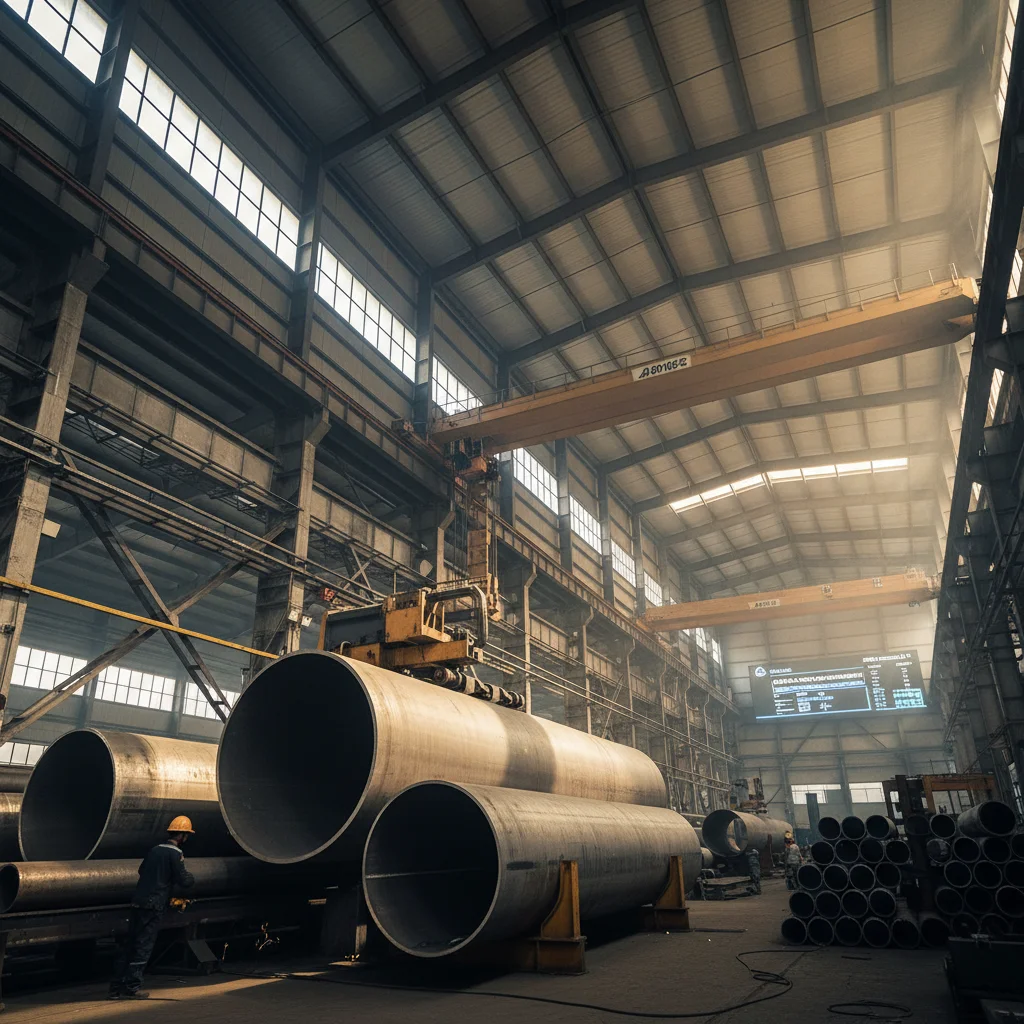
The “seamless” designation is crucial. Seamless pipes are manufactured without a welded seam, resulting in a more uniform structure and eliminating potential weak points. This inherently enhances its resistance to pressure and stress, ensuring a longer service life. Its connection to modern industry lies in its ability to facilitate the safe and efficient transport of essential resources.
Understanding that asme a106 gr b is not just a product, but a precisely defined material with a documented production process, is essential. This documented process provides confidence in consistent quality control.
Several core characteristics define the performance and suitability of ASME A106 Gr B. These include its tensile strength, yield strength, elongation, and impact toughness. The material exhibits excellent weldability, allowing for easy fabrication and integration into complex piping systems. Furthermore, its resistance to corrosion, especially in moderate environments, contributes to its longevity and reduced maintenance requirements.
The chemical composition of ASME A106 Gr B is tightly controlled to ensure consistency. Typically, it consists primarily of carbon, manganese, silicon, and phosphorus, with carefully specified maximum limits for each element. This controlled composition directly impacts the material's mechanical properties and its ability to withstand demanding operating conditions. The careful specification is what makes asme a106 gr b such a reliable option.
Importantly, the material's performance is also influenced by its heat treatment. Proper heat treatment processes are vital to achieve the desired mechanical properties and ensure that the pipe meets the specified requirements of the ASME A106 standard. This attention to detail is integral to the material’s overall reliability.
The versatility of ASME A106 Gr B makes it a staple in a wide range of industries. In the oil and gas sector, it’s extensively used for transporting crude oil, natural gas, and refined products. Power generation plants rely on it for steam lines and boiler systems, while the chemical processing industry utilizes it for handling corrosive fluids and gases.
Beyond these core industries, asme a106 gr b also finds application in water treatment facilities, pulp and paper mills, and even the pharmaceutical industry. Its robust construction and adherence to stringent quality standards make it suitable for a diverse array of demanding environments.
Utilizing ASME A106 Grade B offers a multitude of advantages, extending beyond its immediate functionality. Cost-effectiveness is a key benefit, thanks to its relatively low material cost and ease of fabrication. Its long service life minimizes the need for frequent replacements, reducing lifecycle costs and downtime. The material’s durability contributes to a lower total cost of ownership.
Beyond economic advantages, asme a106 gr b enhances safety and reliability, offering peace of mind in critical applications. This translates to increased operational efficiency and reduced risk of failures, which has immeasurable value. The trust associated with a material adhering to recognized standards builds confidence among stakeholders.
The global demand for ASME A106 Grade B is closely tied to the growth of infrastructure projects and industrial expansion, particularly in emerging economies. Countries investing heavily in energy, petrochemicals, and manufacturing are driving significant demand for this material. Asia-Pacific, with its rapid industrialization, represents a major market.
Current market trends indicate a growing focus on sustainable sourcing and environmentally responsible manufacturing processes. Suppliers are increasingly prioritizing traceability and certifications to meet the demands of environmentally conscious customers. Furthermore, the rise of digital technologies is enhancing supply chain management and quality control procedures.
The ability to maintain consistent quality while adapting to evolving market demands will be crucial for suppliers of asme a106 gr b in the years to come.
Rigorous quality control and testing are paramount throughout the entire manufacturing process of ASME A106 Grade B. This includes verifying the chemical composition, conducting mechanical tests (tensile, yield, impact), performing non-destructive examinations (NDE) such as ultrasonic testing and radiographic inspection, and ensuring dimensional accuracy.
Compliance with ASME standards requires adherence to specific testing protocols and acceptance criteria. These standards are constantly updated to reflect advancements in materials science and engineering. Thorough documentation and traceability are essential for demonstrating compliance.
The implementation of advanced testing techniques and the adoption of robust quality management systems are critical for ensuring that asme a106 gr b meets the stringent requirements of critical applications.
| Test Type | Purpose | Frequency | Acceptance Criteria |
|---|---|---|---|
| Chemical Composition Analysis | Verify adherence to specified chemical limits. | Per Batch | Within ASME A106 Gr B specification. |
| Tensile Testing | Determine tensile strength and elongation. | Per Heat | Meet minimum tensile and elongation values. |
| Yield Strength Testing | Determine the yield strength of the material. | Per Heat | Meet minimum yield strength values. |
| Impact Testing | Evaluate toughness and resistance to fracture. | Per Heat | Meet specified impact energy requirements. |
| Ultrasonic Testing (UT) | Detect internal flaws and discontinuities. | 100% of each pipe. | No unacceptable flaws detected. |
| Radiographic Testing (RT) | Verify weld integrity (if applicable). | Spot check or per project requirements. | No unacceptable flaws detected. |
ASME A106 Gr B’s primary advantage lies in its specifically defined chemical composition and manufacturing processes optimized for high-temperature, high-pressure applications. This ensures consistent and reliable performance, reducing the risk of failure in demanding operating conditions. It’s specifically designed to maintain its mechanical properties at elevated temperatures, unlike some other carbon steel options.
ASME A106 Gr B is a staple in industries like oil and gas, petrochemicals, power generation, chemical processing, and water treatment. Its ability to handle high pressures and temperatures makes it essential for transporting fluids and gases in these demanding environments. It's also found in applications like boiler systems and steam lines.
Key testing requirements include chemical composition analysis to verify material specifications, mechanical tests like tensile and yield strength testing, impact testing to assess toughness, and non-destructive examinations (NDE) such as ultrasonic testing (UT) and radiographic testing (RT) to detect internal flaws. These tests ensure the pipe meets ASME standards for safe operation.
Seamless construction eliminates the potential weak points associated with welded seams. This results in a more uniform material structure, enhancing resistance to pressure, stress, and corrosion. A seamless pipe is inherently stronger and more reliable, reducing the risk of catastrophic failures in critical applications.
ASME A106 Gr B is designed for high-temperature applications, typically ranging from -30°F to 850°F (-34°C to 454°C), though specific temperature limits can vary depending on the pressure and application. Its ability to maintain its mechanical properties at elevated temperatures is a key characteristic.
While ASME A106 Gr B offers some resistance to corrosion, its suitability for corrosive environments depends on the specific fluid or gas being transported. For highly corrosive applications, additional protective measures like coatings or the use of corrosion-resistant alloys may be necessary. Regular inspection and maintenance are also crucial.
In summary, ASME A106 Grade B stands as a crucial material in numerous industries, providing a reliable and cost-effective solution for high-temperature, high-pressure applications. Its carefully defined specifications, rigorous testing standards, and seamless construction contribute to its long-term durability and safety. Understanding its properties and applications is essential for engineers, operators, and procurement professionals.
Looking ahead, continued advancements in material science and manufacturing processes will likely further enhance the performance and sustainability of ASME A106 Gr B. Embracing digital technologies for quality control and supply chain management will also be vital. To learn more about asme a106 gr b and its applications, visit our website today!
If you are interested in our products, you can choose to leave your information here, and we will be in touch with you shortly.