
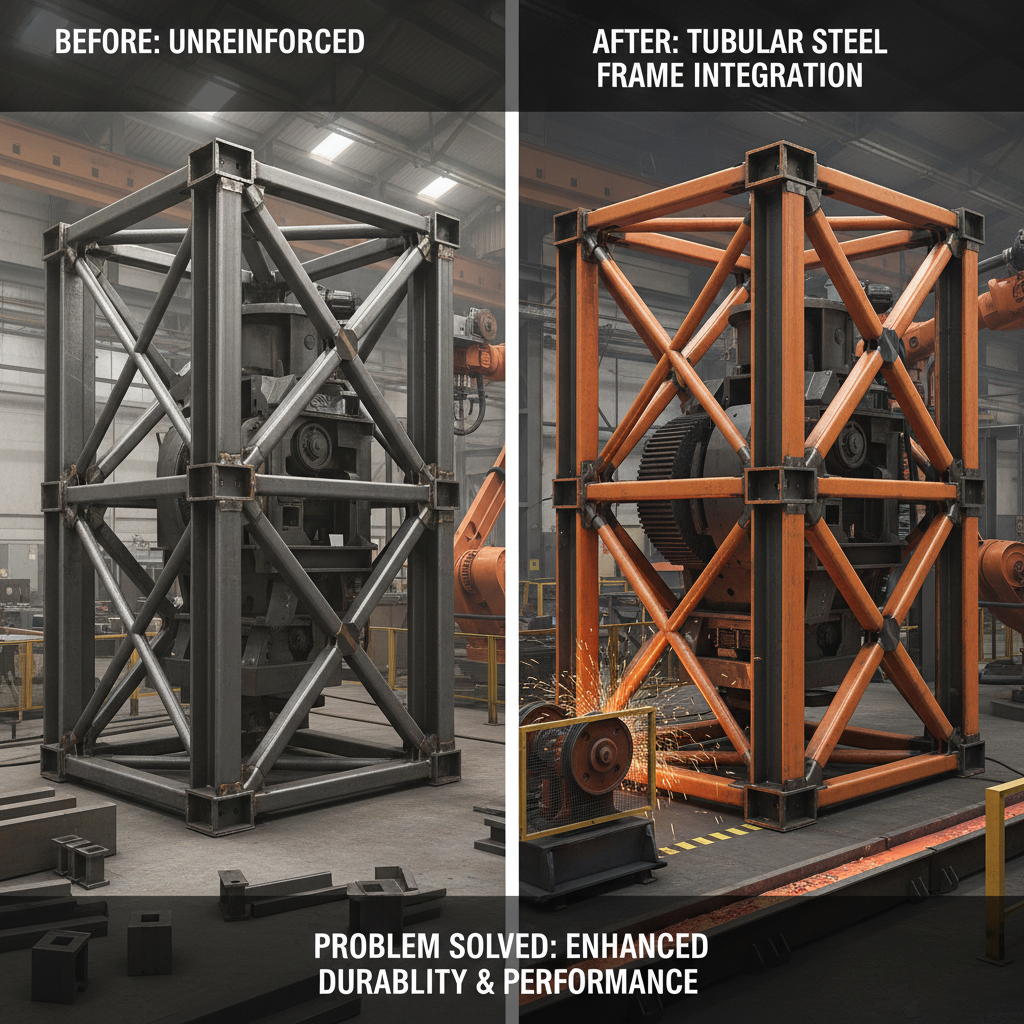
The realm of construction and infrastructure globally relies heavily on robust and versatile materials. Among these, the tubular steel frame stands out as a cornerstone solution, offering a unique blend of strength, adaptability, and cost-effectiveness. Its applications span a vast spectrum, from the foundations of modern architecture to critical components in disaster relief efforts. Understanding the intricacies of tubular steel frame construction is paramount for engineers, architects, and humanitarian organizations alike, as it directly impacts the safety, efficiency, and sustainability of numerous projects worldwide.
The growing demand for rapid deployment infrastructure, coupled with increasing concerns about sustainability and cost-effectiveness, has propelled the tubular steel frame into a position of prominence. Global events, from natural disasters to refugee crises, highlight the urgent need for quickly deployable, resilient shelters and infrastructure. This demand, coupled with advances in manufacturing and material science, has driven innovation within the field, leading to lighter, stronger, and more sustainable tubular steel designs.
Moreover, the versatility of the tubular steel frame allows for customization and scalability, making it suitable for a wide array of applications. This adaptability, combined with its inherent durability, positions it as a critical element in addressing global challenges related to housing, disaster response, and infrastructure development, making its understanding and responsible implementation more vital than ever.
Introduction: Global or Industry Context
The use of tubular steel frame construction isn't a recent development; however, its widespread adoption and technological advancements are dramatically changing how we approach building and infrastructure projects globally. According to the World Steel Association, global steel production reached nearly 1.9 billion tonnes in 2022, a significant portion of which is utilized in structural applications like framing. This demonstrates the indispensable role of steel in modern construction. The demand is particularly high in rapidly developing nations undergoing urbanization and infrastructure expansion.
A critical challenge facing the world today is the need for sustainable and resilient infrastructure. Traditional construction methods often rely on materials with a high carbon footprint and can be slow to implement, particularly in emergency situations. The tubular steel frame addresses this by offering a material with a relatively high recyclability rate and a modular construction process that significantly reduces on-site build time and waste. The UN estimates that by 2050, 68% of the world’s population will live in urban areas, further intensifying the need for efficient building solutions.
Furthermore, the ISO standards related to steel construction (like ISO 3834 for welding quality) ensure a consistent level of quality and safety in projects utilizing tubular steel frame globally. This standardization promotes trust and facilitates international collaboration in construction and infrastructure development, ensuring that projects meet rigorous safety and performance criteria, irrespective of geographical location.
FAQS
Tubular steel frame offers several key advantages. It boasts superior strength and durability, making it more resistant to fire, pests, and seismic activity. Steel is also highly recyclable, contributing to sustainability. The modular nature of steel framing allows for faster construction times and reduced on-site waste, leading to cost savings. Its high strength-to-weight ratio also enables larger spans and more open floor plans than typically achievable with wood.
The overall cost comparison between tubular steel frame and concrete construction is complex and depends on project specifics. While the initial material cost of steel may sometimes be higher, the reduced labor costs associated with faster assembly and the lower foundation requirements often result in overall cost savings. Furthermore, steel's recyclability and lower maintenance needs contribute to long-term cost benefits.
Fast deployment housing utilizing tubular steel frame is ideal for emergency shelters, disaster relief camps, refugee housing, and temporary worker accommodations. Its rapid assembly, portability, and durability make it a suitable solution for situations requiring immediate and reliable housing in challenging environments. These structures can also be used for temporary medical facilities and field offices.
A modular home constructed with a tubular steel frame can have a lifespan comparable to or even exceeding that of a traditionally built home. With proper maintenance and corrosion protection, these structures can easily last for 50-100 years or more. The steel frame is resistant to rot, pests, and fire, contributing to its longevity.
Container housing utilizing tubular steel frame can be both eco-friendly and cost-effective, particularly when using repurposed shipping containers. Steel is highly recyclable, and the use of existing containers reduces the demand for new materials. The modular design minimizes waste and allows for faster construction. However, it's essential to address potential issues like insulation and condensation to ensure optimal energy efficiency.
Importing tubular steel frame housing solutions internationally involves navigating various regulations and logistical challenges. Key considerations include customs duties, shipping costs, compliance with local building codes, and obtaining necessary permits. Working with experienced logistics providers and understanding the import requirements of the destination country are crucial for a smooth and efficient process.
Conclusion
In conclusion, the tubular steel frame represents a paradigm shift in construction and infrastructure development. Its unique combination of durability, scalability, cost-effectiveness, and sustainability addresses critical global challenges, from disaster relief to urban housing. The technology's adaptability, coupled with ongoing innovation in materials and construction techniques, positions it as a cornerstone of future building practices.
Looking ahead, continued investment in research and development, coupled with the adoption of standardized designs and streamlined supply chains, will further enhance the accessibility and affordability of tubular steel frame solutions. Embracing this technology is not merely a matter of construction; it’s a commitment to building a more resilient, sustainable, and equitable future for all. Visit our website at www.benkoometal.com to learn more about our innovative solutions.
Related Posts
-
Exploring the Versatility and Applications of Titanium Round Stock in Modern Engineering
-
Navigating the Landscape of Duplex Pipe Applications and Common Challenges
-
Reliable Duplex Pipe Suppliers for Corrosion Resistant Piping Solutions
-
Exploring the Advantages of Duplex Stainless Steel Pipes for Modern Infrastructure