Understanding Stainless Steel Duplex Pipe: A Comprehensive Guide
Stainless steel duplex pipe is a highly versatile material increasingly utilized across a multitude of industries, including oil & gas, chemical processing, and marine engineering. Its unique combination of high strength, excellent corrosion resistance, and cost-effectiveness makes it a superior alternative to many traditional materials. This article will delve into the specifics of duplex stainless steel pipe, covering its composition, properties, applications, and considerations for selection. We’ll explore why Benkoo Metal's duplex pipes are a trusted choice for demanding applications. Understanding these pipes is crucial for engineers and procurement professionals seeking reliable, long-lasting solutions.
What is Stainless Steel Duplex Pipe?
Duplex stainless steel isn't a single alloy but rather a family of stainless steels with a mixed microstructure of austenite and ferrite. This combination provides a unique balance of properties. Typically, duplex stainless steels contain around 21-27% chromium, 1.5-8% nickel, and up to 9% molybdenum. The presence of these elements, along with nitrogen, stabilizes both the austenite and ferrite phases. The ratio of these phases significantly impacts the pipe’s mechanical properties and corrosion resistance. Benkoo Metal offers a range of duplex grades to suit diverse needs.
Key Characteristics: High strength, excellent corrosion resistance (particularly to chloride stress corrosion cracking), good weldability, and improved resistance to pitting and crevice corrosion.
Duplex Stainless Steel Pipe Grades: A Comparison
Several grades of duplex stainless steel pipe are available, each with slightly different chemical compositions and properties. The most common include 2205, 2507, and 2304. Selecting the appropriate grade is critical for optimal performance in a specific application. Understanding the differences will help you make the right choice.
Key Applications of Stainless Steel Duplex Pipe
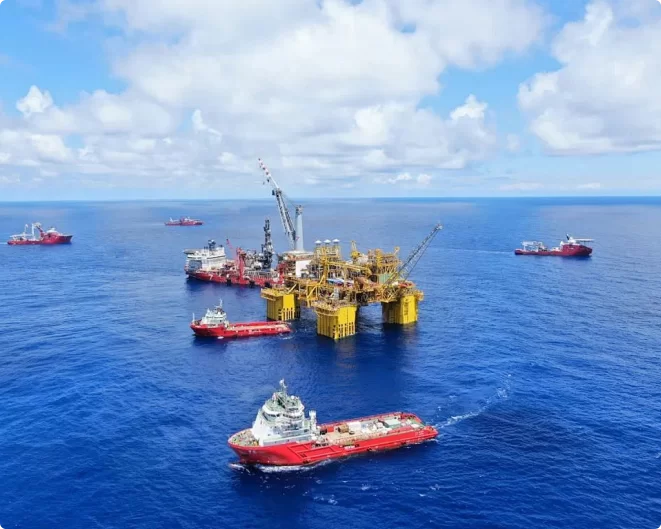
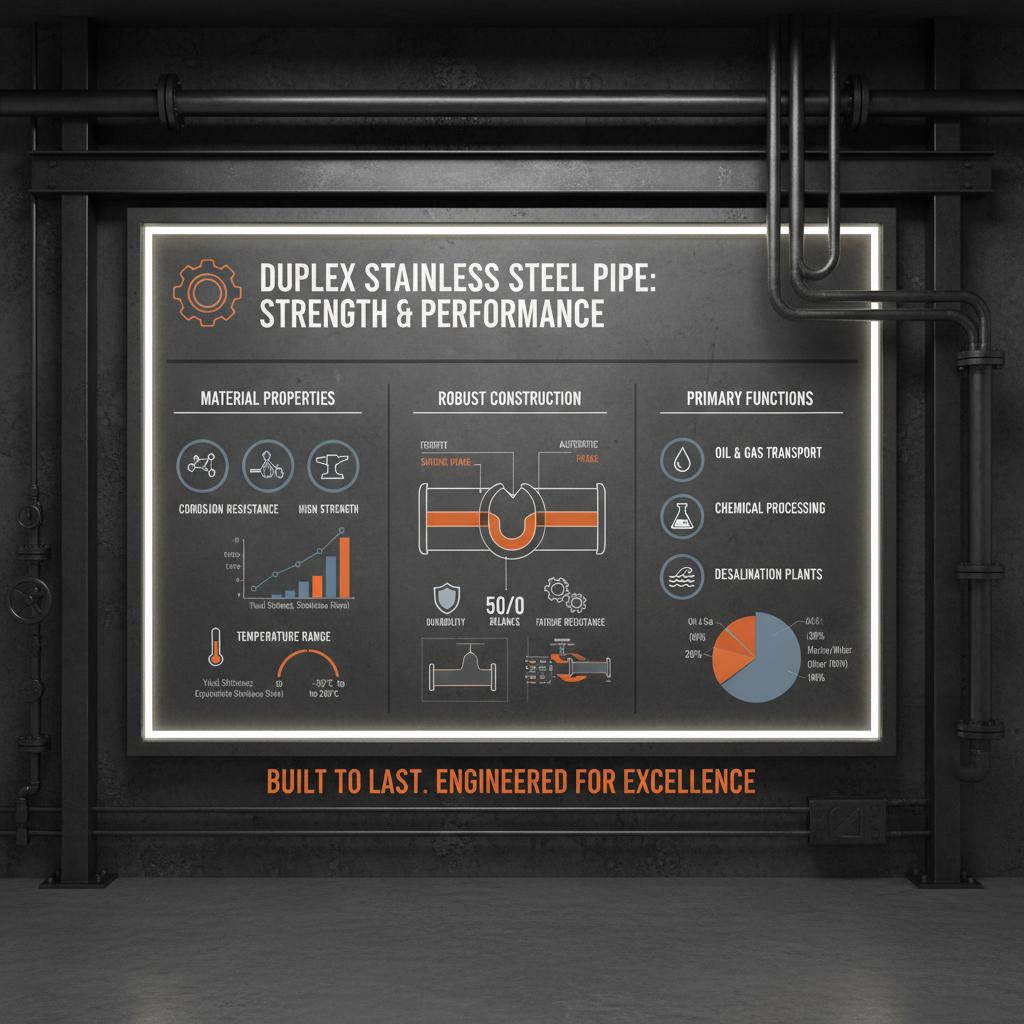
The superior properties of duplex stainless steel pipe make it ideal for a range of demanding applications. These include: Oil and gas pipelines (both onshore and offshore), chemical processing plants, water and wastewater treatment facilities, pulp and paper mills, power generation, and marine environments. Its resistance to chloride stress corrosion cracking is particularly valuable in seawater applications. Benkoo Metal's duplex pipes are engineered to withstand these challenging conditions.
Factors to Consider When Selecting Duplex Stainless Steel Pipe
Choosing the right duplex stainless steel pipe involves considering several factors. These include the operating temperature, pressure, the nature of the conveyed fluid (especially chloride content), and the potential for erosion or corrosion. Proper welding procedures are also crucial to maintain the pipe’s integrity. Always consult with a materials engineer to ensure the selected pipe is suitable for the specific application. Benkoo Metal's expert team can provide guidance on material selection and welding best practices.
Benefits of Choosing Benkoo Metal for Your Duplex Pipe Needs
At Benkoo Metal, we specialize in providing high-quality stainless steel duplex pipe. We offer a comprehensive range of sizes, grades, and specifications to meet your project requirements. Our commitment to quality control, competitive pricing, and timely delivery ensures a seamless experience. We also provide expert technical support to assist you in selecting the optimal solution. We adhere to strict industry standards and certifications.
Conclusion: Reliable Duplex Stainless Steel Solutions
Choosing the right stainless steel duplex pipe is critical for ensuring the longevity and safety of your operations. Benkoo Metal provides a comprehensive selection of high-quality pipes, coupled with expert support, to meet your specific needs. Invest in quality, invest in reliability – choose Benkoo Metal.
Frequently Asked Questions (FAQs)
What makes duplex stainless steel superior to 304/316 stainless steel?
Duplex stainless steel offers significantly higher strength and improved resistance to chloride stress corrosion cracking compared to austenitic stainless steels like 304 and 316. This makes it ideal for harsh environments where traditional stainless steels are prone to failure. While 304/316 are more readily available and less expensive, duplex provides a longer service life and reduced maintenance costs in corrosive applications. The combination of austenite and ferrite structures provides a unique blend of properties that aren’t attainable with solely austenitic grades.
Can duplex stainless steel be welded?
Yes, duplex stainless steel is weldable, but requires careful attention to welding procedures. It’s crucial to use appropriate filler metals and to control the heat input to avoid phase imbalances and maintain corrosion resistance. Post-weld heat treatment may be necessary for certain grades and applications. Qualified welders experienced in duplex stainless steel welding are essential for ensuring a sound and durable weld. Benkoo Metal can provide guidance on welding best practices.
What is the typical lead time for duplex stainless steel pipe?
Lead times for duplex stainless steel pipe vary depending on the grade, size, quantity, and current market conditions. Typically, standard sizes and grades are readily available in stock, with lead times ranging from 1-2 weeks. For custom sizes or larger orders, lead times may be longer, potentially 4-8 weeks or more. Contacting Benkoo Metal directly will allow us to provide an accurate quote and delivery estimate.
How do I determine the correct wall thickness for my application?
Determining the correct wall thickness requires considering several factors including the operating pressure, temperature, fluid velocity, and the potential for corrosion or erosion. A thorough engineering analysis, often involving pressure vessel design codes, is necessary to ensure structural integrity. Consulting with a qualified engineer is highly recommended. Benkoo Metal's technical team can assist with preliminary calculations and provide guidance on selecting the appropriate wall thickness.


-20251219055937.webp "General Application Of Welded Pipes")
-20251219071741.webp "Nickel Alloy Welded Pipes")
-20251219052202.webp "Titanium Seamless Pipes")
-20251219053336.webp "Welded Titanium Pipe & Tube")