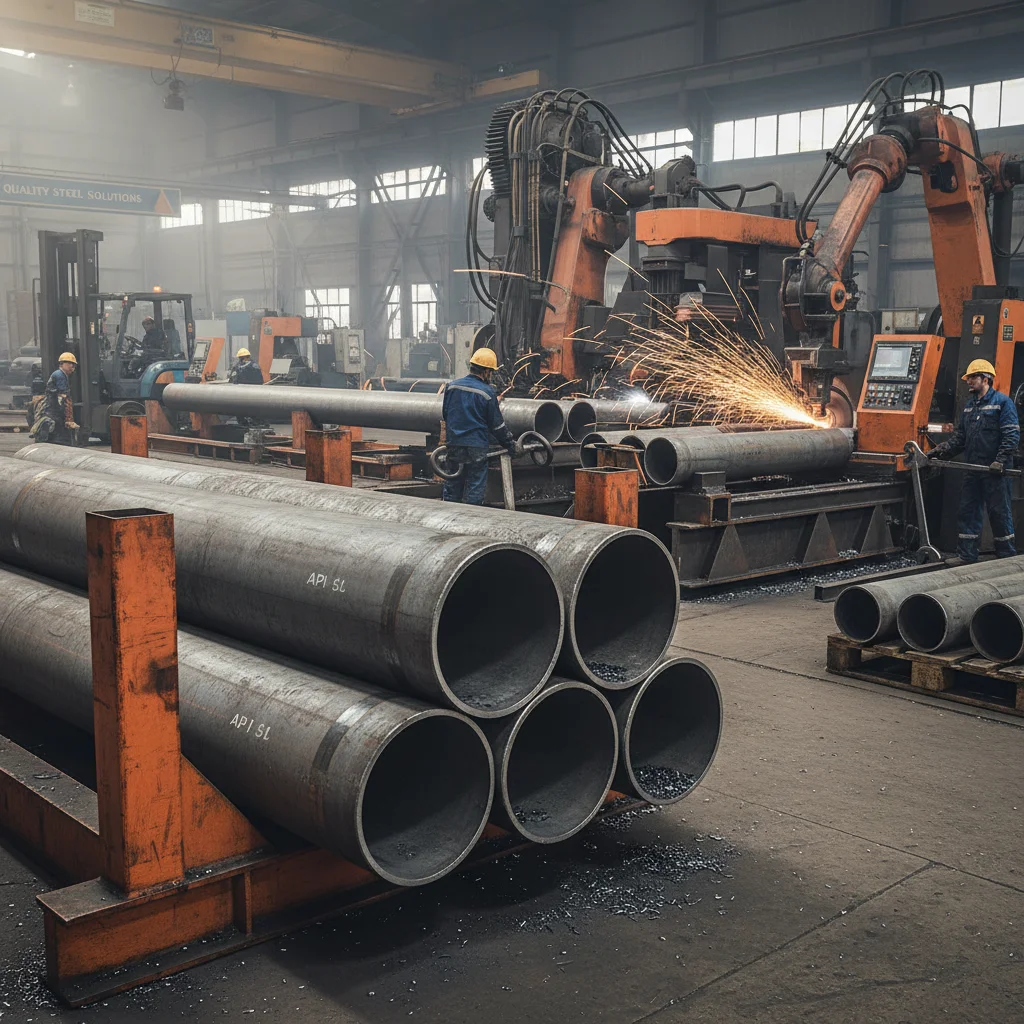
Understanding API 5L Pipe: A Comprehensive Guide
API 5L pipe is a crucial component in numerous industries, particularly in oil and gas transportation. This specification covers seamless and welded steel pipes designed for pipelines carrying oil, gas, and other fluids. Choosing the right grade and specifications of API 5L pipe is essential for ensuring safe and efficient operations. This article will delve into the key aspects of API 5L pipe, covering its grades, applications, manufacturing processes, and quality control, offering a detailed overview for engineers, purchasers, and industry professionals.
What is API 5L Pipe?
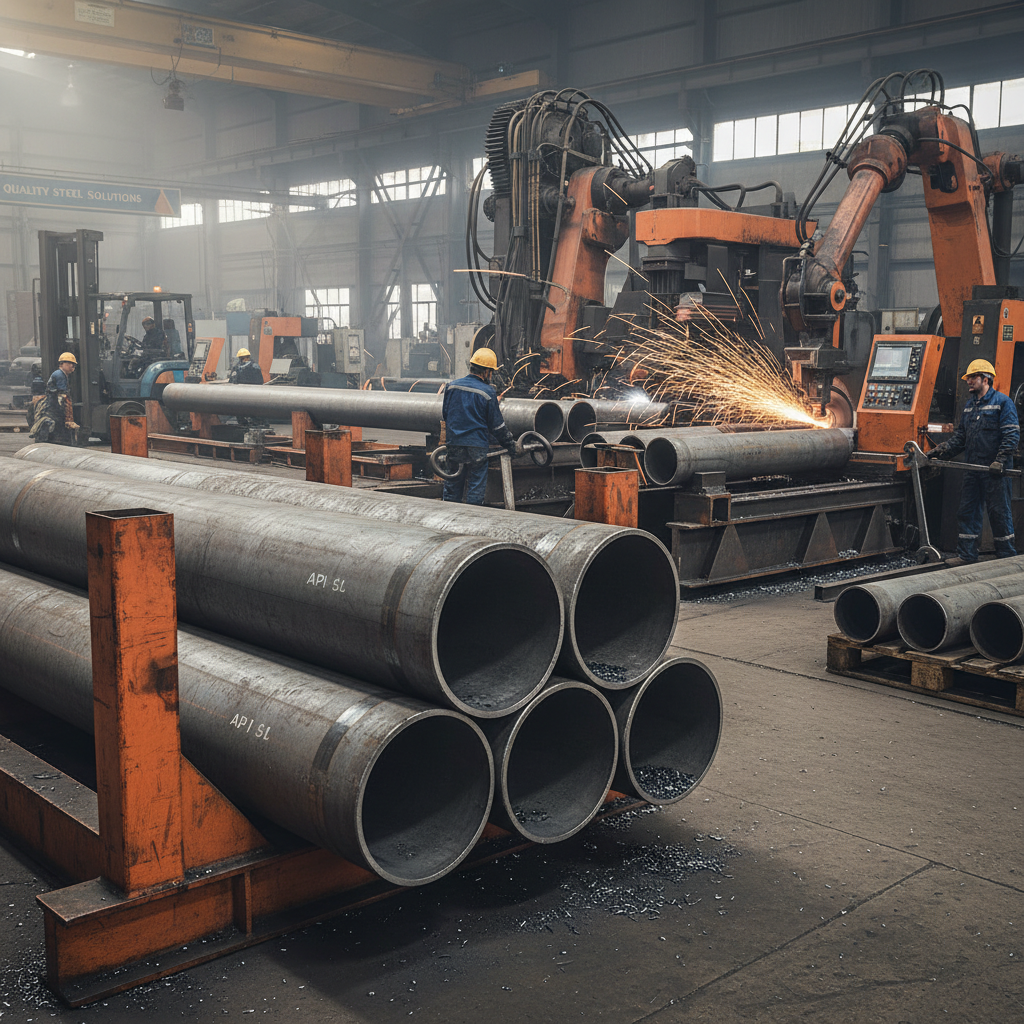
API 5L, short for American Petroleum Institute Specification 5L, is a standard that outlines the requirements for seamless and welded steel line pipe used in the oil and gas industry. The specification details chemical composition, mechanical properties, manufacturing processes, and testing procedures. It’s designed to ensure the reliability and safety of pipelines transporting critical resources. The standard is regularly updated to incorporate advancements in materials science and engineering, improving the performance and longevity of pipelines worldwide.
API 5L Pipe Grades Explained
API 5L pipe comes in various grades, each designated by a number indicating its minimum yield strength (YS). Higher grade numbers indicate greater strength. The most common grades include Grade B, Grade X42, Grade X52, Grade X60, Grade X65, and Grade X70. The choice of grade depends on the operating pressure, temperature, and the nature of the transported fluid. Selecting the appropriate grade is crucial for maintaining pipeline integrity and preventing failures.
Key Considerations: Selecting the right API 5L grade depends on factors like operating pressure, temperature, and the type of fluid being transported.
API 5L: Seamless vs. Welded Pipe
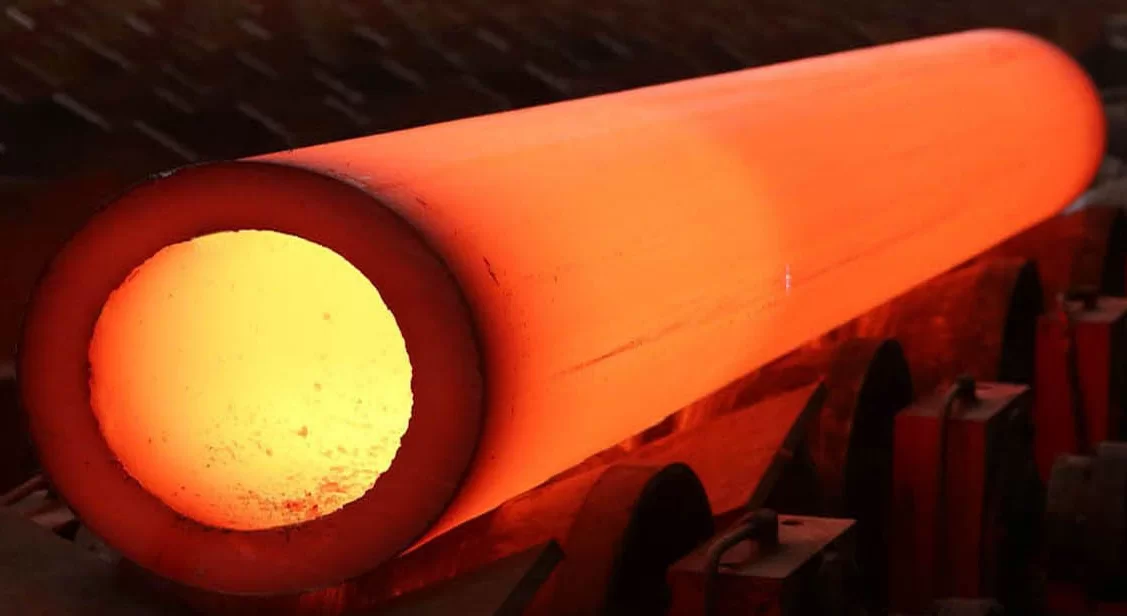
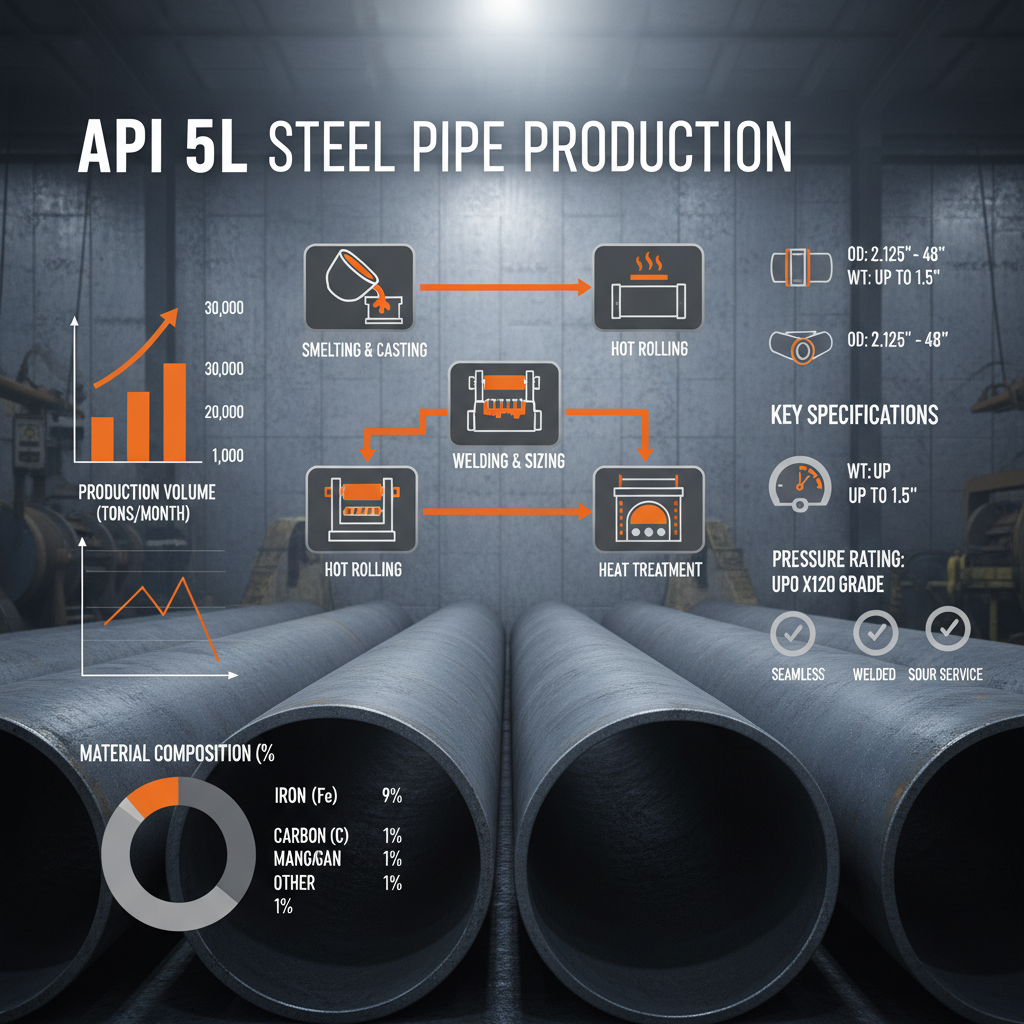
API 5L pipe is available in two main manufacturing methods: seamless and welded. Seamless pipe is produced by piercing a solid billet of steel, offering superior strength and resistance to cracking. Welded pipe is manufactured by rolling and welding steel plates together. Both types meet API 5L specifications but differ in their properties and applications. Welded pipe is generally more cost-effective for larger diameters, while seamless pipe is often preferred for critical applications requiring high strength and reliability. Benkoo Metal provides both options with stringent quality control.
Seamless vs. Welded Comparison:
• Seamless: Higher strength, better crack resistance, often used in critical applications.
• Welded: More cost-effective for larger diameters, suitable for less demanding applications.
• Both: Must meet all API 5L specifications.
API 5L Pipe Specifications & Common Sizes
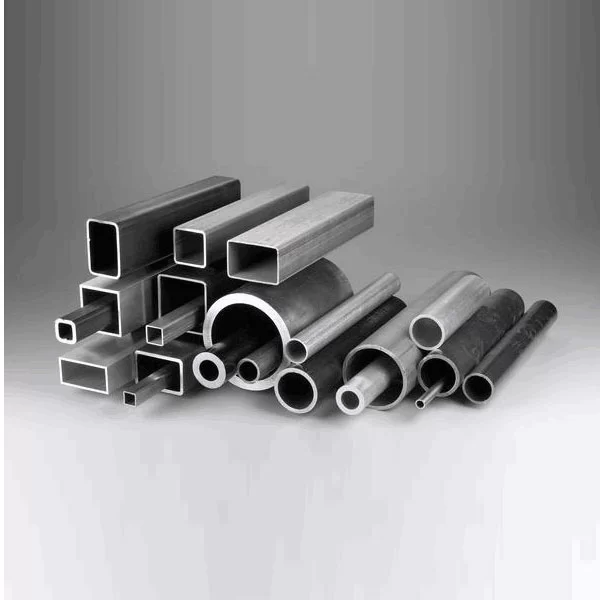
API 5L pipe specifications encompass a wide range of parameters, including outside diameter (OD), wall thickness, and length. Common OD sizes range from 1/2 inch to 48 inches, with wall thicknesses varying depending on the pressure requirements. The specification also defines acceptable tolerances for dimensions and mechanical properties. Below is a table outlining common API 5L pipe sizes:
Quality Control and Testing
Rigorous quality control and testing are integral parts of API 5L pipe manufacturing. These tests include hydrostatic testing to verify pressure integrity, non-destructive examination (NDE) methods like ultrasonic testing (UT) and radiographic testing (RT) to detect flaws, and chemical analysis to ensure compliance with specified compositions. These processes are crucial for ensuring the long-term reliability and safety of pipelines. Benkoo Metal adheres to strict quality control procedures throughout the manufacturing process.
Conclusion: Ensuring Pipeline Integrity with API 5L
API 5L pipe is the industry standard for safe and reliable pipeline construction. Understanding its grades, specifications, and quality control processes is essential for engineers, purchasers, and operators. By choosing the appropriate grade and relying on reputable suppliers like Benkoo Metal, you can ensure the integrity and longevity of your pipeline infrastructure.
Frequently Asked Questions (FAQs)
What is the difference between API 5L X42 and X52 pipe?
The primary difference lies in their minimum yield strength. X52 pipe has a higher minimum yield strength (52,000 psi) compared to X42 (42,000 psi). This means X52 can withstand higher pressures and is suitable for more demanding applications. The choice depends on the specific requirements of the pipeline system, including operating pressure, temperature, and fluid characteristics. Generally, X52 offers greater strength and durability, but at a higher cost.
What is hydrostatic testing and why is it important?
Hydrostatic testing involves pressurizing the pipe with water to a level significantly higher than its operating pressure. This test is crucial for verifying the pipe's integrity and identifying any potential weaknesses or defects. It confirms the pipe can withstand the stresses it will encounter during operation and helps prevent catastrophic failures. The test is performed according to specific API 5L guidelines, and any pipes that fail the test are rejected.
Can API 5L pipe be used for applications other than oil and gas?
Yes, API 5L pipe can be used in various applications, including water transmission, chemical processing, and construction. However, it’s essential to verify that the pipe's specifications meet the requirements of the specific application. While designed for oil and gas, its robust construction and material properties make it suitable for other demanding environments. Chemical compatibility should be carefully assessed for non-oil/gas applications.
What certifications should I look for when purchasing API 5L pipe?
When purchasing API 5L pipe, look for certifications demonstrating compliance with the API 5L specification. A valid API Q1 certification for the manufacturer is essential, indicating a robust quality management system. Mill test reports (MTRs) should be provided for each batch of pipe, detailing the results of all required tests. These certifications ensure the pipe meets the necessary standards and provides traceability to the manufacturing process.


-20251219055937.webp "General Application Of Welded Pipes")
-20251218091502.webp "Steel Solid Bars")