Low carbon steel pipework forms the backbone of countless critical infrastructure projects globally, from transporting essential resources like water and gas to supporting large-scale industrial operations. Its widespread adoption stems from a unique combination of affordability, weldability, and respectable strength, making it a versatile material for a diverse range of applications. Understanding its properties and applications is paramount for engineers, project managers, and anyone involved in infrastructure development.
The demand for robust and cost-effective piping solutions continues to rise alongside global population growth and increased industrialization. However, challenges such as corrosion, material fatigue, and the need for sustainable practices are driving innovation in low carbon steel pipework technologies. Addressing these challenges effectively is critical for ensuring the longevity and reliability of vital infrastructure.
Furthermore, the geopolitical significance of secure resource transportation – reliant on dependable pipework – can't be overstated. Efficient and safe conveyance of energy resources and potable water directly impacts economic stability and public health, solidifying the importance of mastering low carbon steel pipework principles.
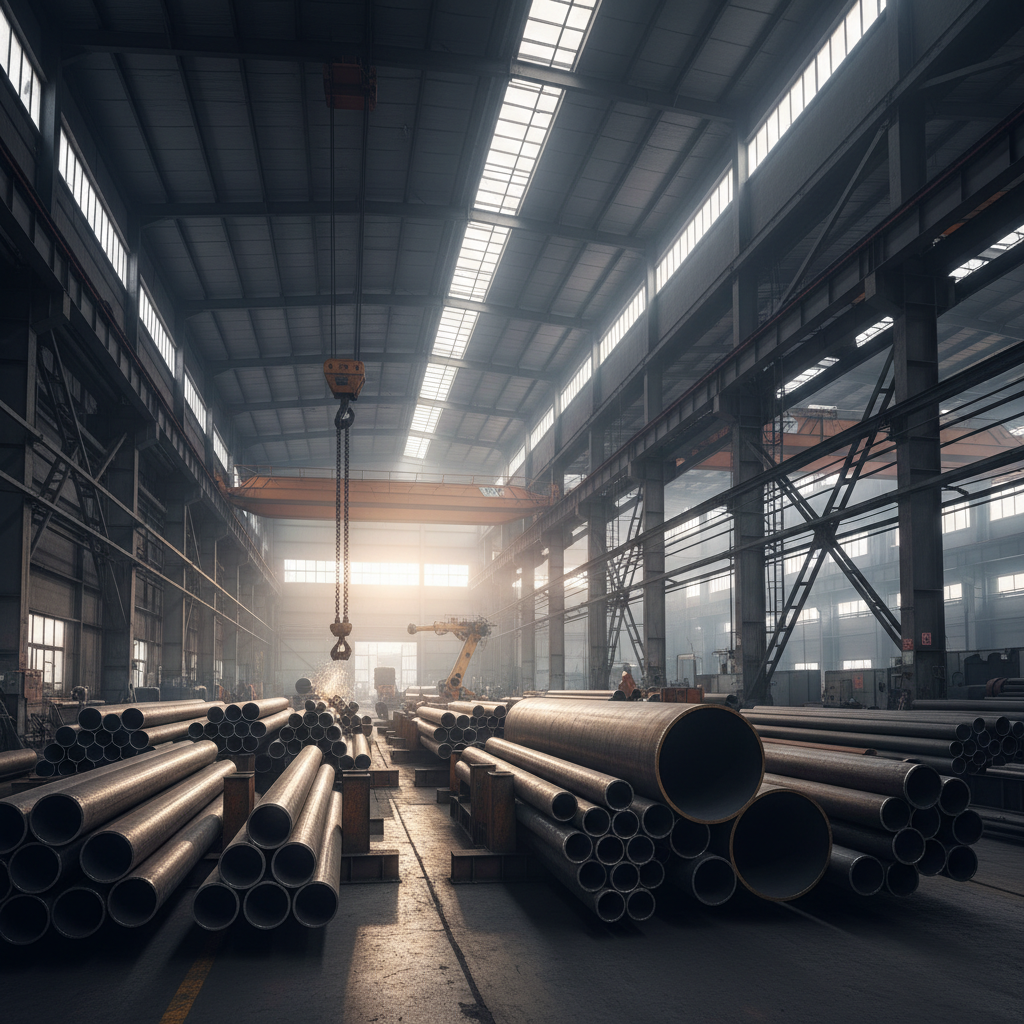
Introduction to Low Carbon Steel Pipework
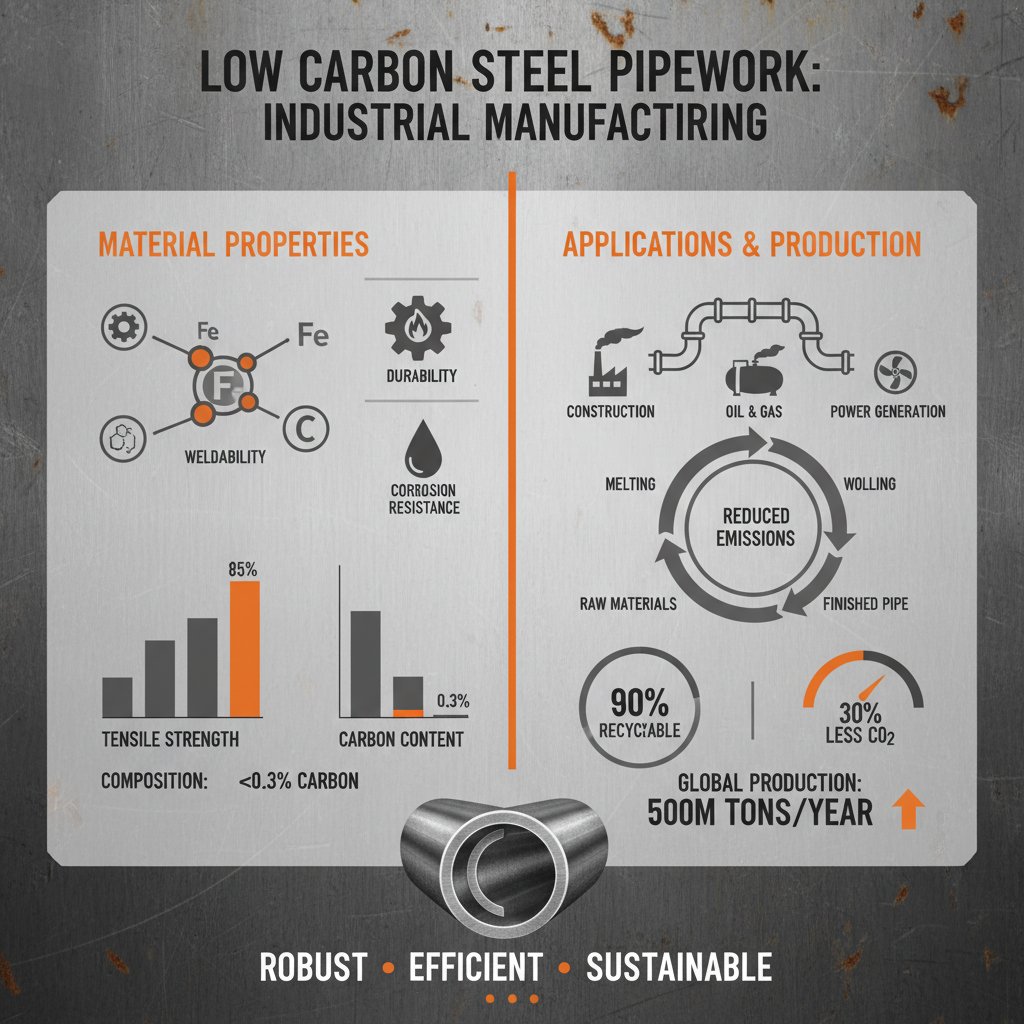
Low carbon steel pipework is ubiquitous in modern infrastructure, serving as a crucial component in countless systems. Its composition, typically containing less than 0.3% carbon, imparts a balance of ductility and strength that makes it ideal for forming, welding, and resisting impact. The widespread availability of low carbon steel pipework contributes significantly to its cost-effectiveness.
The versatility of low carbon steel pipework allows it to be utilized in a vast spectrum of industries, including water distribution, oil and gas transmission, chemical processing, and construction. Proper design, installation, and maintenance are essential to ensure the long-term integrity and safety of these systems, maximizing their lifespan and minimizing potential risks.
FAQS
The lifespan of low carbon steel pipework varies significantly depending on environmental conditions, the fluid being transported, and the quality of installation and maintenance. Generally, with proper corrosion protection and regular inspections, a lifespan of 50-100 years can be reasonably expected. However, in harsh environments or with inadequate maintenance, the lifespan can be considerably shorter. Factors like soil composition, water quality, and temperature fluctuations all play a critical role in determining longevity.
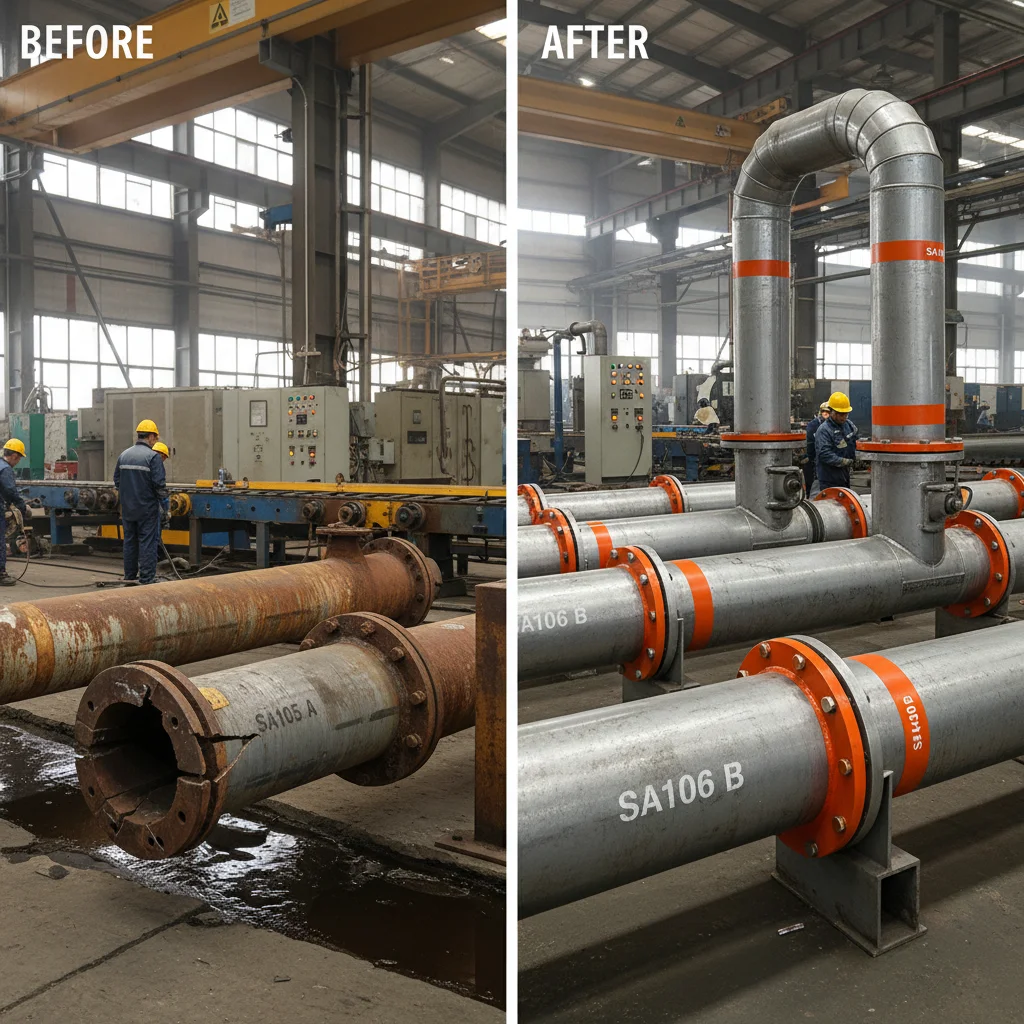
Corrosion is a major threat to low carbon steel pipework, as it weakens the material over time, leading to leaks and potential failures. The rate of corrosion depends on factors like moisture levels, exposure to chemicals, and the presence of oxygen. Different types of corrosion, such as uniform corrosion, pitting corrosion, and galvanic corrosion, can occur. Implementing corrosion control measures, such as protective coatings, cathodic protection, and material selection, is crucial for mitigating these risks and extending the lifespan of the pipework.
Several welding techniques are commonly employed for joining low carbon steel pipework, including Shielded Metal Arc Welding (SMAW), Gas Metal Arc Welding (GMAW), and Submerged Arc Welding (SAW). The choice of welding technique depends on factors such as pipe diameter, thickness, and accessibility. Proper welding procedures and qualified welders are essential to ensure strong, reliable joints that can withstand the stresses of operation. Non-destructive testing, such as radiographic and ultrasonic testing, is often used to verify weld quality.
Designing a low carbon steel pipework system requires careful consideration of several factors. These include the fluid being transported, the operating pressure and temperature, the flow rate, and the environmental conditions. Proper pipe sizing, material selection, and support design are crucial to ensure the system's structural integrity and operational efficiency. Compliance with relevant industry standards and regulations is also essential. Furthermore, the design should account for future maintenance and inspection requirements.
Improving the sustainability of low carbon steel pipework involves several strategies. Utilizing recycled steel content reduces the environmental impact of material production. Implementing corrosion control measures extends the lifespan of the pipework, reducing the need for replacements. Employing energy-efficient pumping systems minimizes energy consumption during operation. Furthermore, proper end-of-life management, including recycling and responsible disposal, contributes to a circular economy. Adopting lifecycle assessment methodologies can help identify areas for improvement throughout the entire pipework system’s lifespan.
Regular inspections are vital for maintaining the integrity of low carbon steel pipework. Visual inspections should be conducted frequently to identify signs of corrosion, damage, or leaks. Non-destructive testing (NDT) methods, such as ultrasonic testing, radiographic testing, and liquid penetrant testing, can detect hidden flaws. Internal inspections using robotic crawlers or pipeline inspection gauges (PIGs) can assess the condition of the pipe interior. The frequency and scope of inspections should be based on risk assessment and industry best practices.
Conclusion
Low carbon steel pipework remains a cornerstone of modern infrastructure, providing a reliable and cost-effective solution for transporting essential resources. Its versatility, weldability, and adequate strength make it suitable for a wide range of applications, from water distribution to oil and gas transmission. Continued innovation in corrosion protection, welding techniques, and monitoring technologies will further enhance its performance and longevity.
Looking ahead, embracing sustainable practices, such as utilizing recycled materials and optimizing energy efficiency, is crucial for minimizing the environmental impact of low carbon steel pipework. Investing in proactive maintenance programs and advanced inspection techniques will ensure the long-term integrity and safety of these critical infrastructure systems. For more information on our range of low carbon steel pipework solutions, visit our website today.