
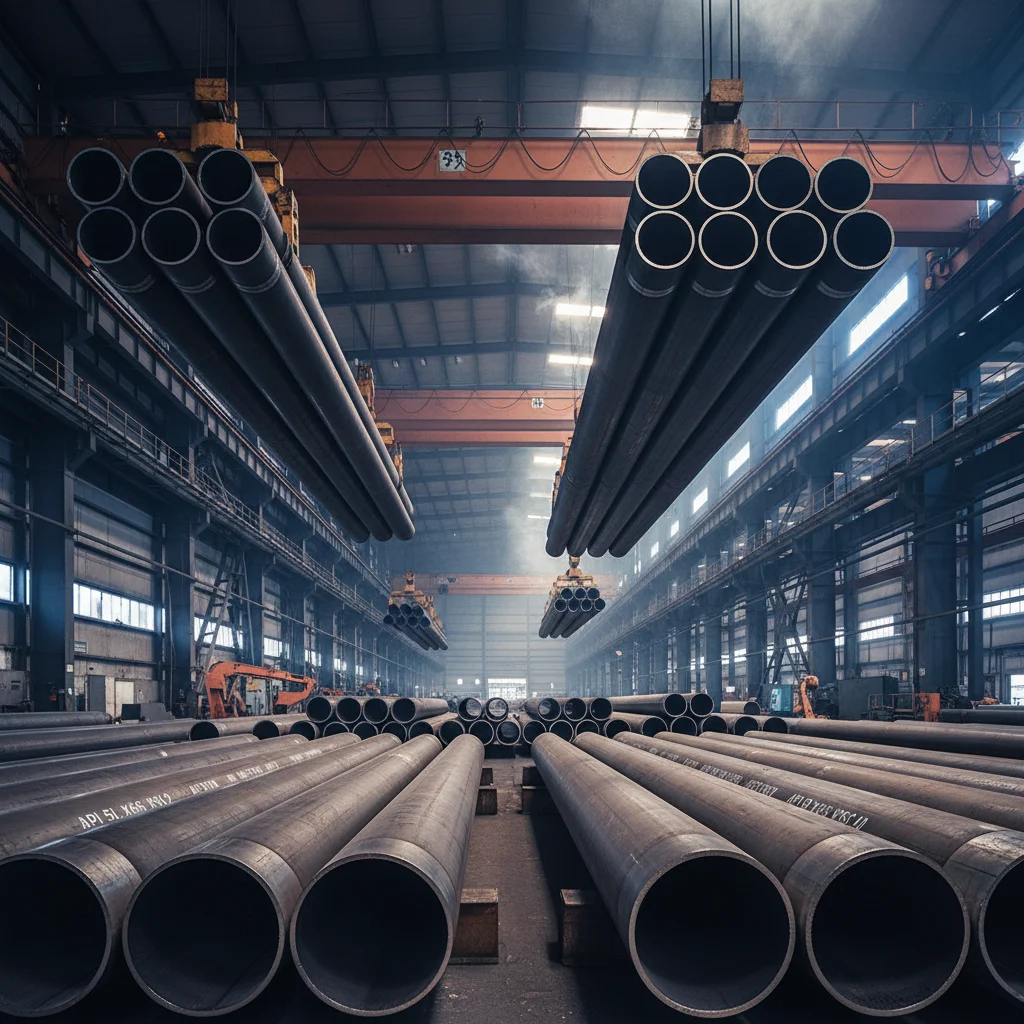
Low temp carbon steel pipe plays a crucial role in modern infrastructure, offering a robust and cost-effective solution for fluid and gas transport in challenging environments. Its ability to maintain ductility and strength at low temperatures makes it essential for industries ranging from oil and gas to cryogenic applications. Understanding its properties and applications is paramount for engineers, project managers, and anyone involved in the design, construction, and maintenance of critical systems.
Globally, the demand for reliable and safe piping systems is constantly increasing, driven by population growth, industrial expansion, and the need for efficient energy transport. Low temp carbon steel pipe addresses these needs with its inherent resilience and relatively low cost compared to more exotic alloys. Its widespread availability and established manufacturing processes further contribute to its global relevance.
The selection of appropriate materials, like low temp carbon steel pipe, directly impacts the safety, longevity, and economic viability of projects. A comprehensive understanding of its limitations and best practices for installation and inspection is therefore critical for ensuring operational efficiency and minimizing risk.
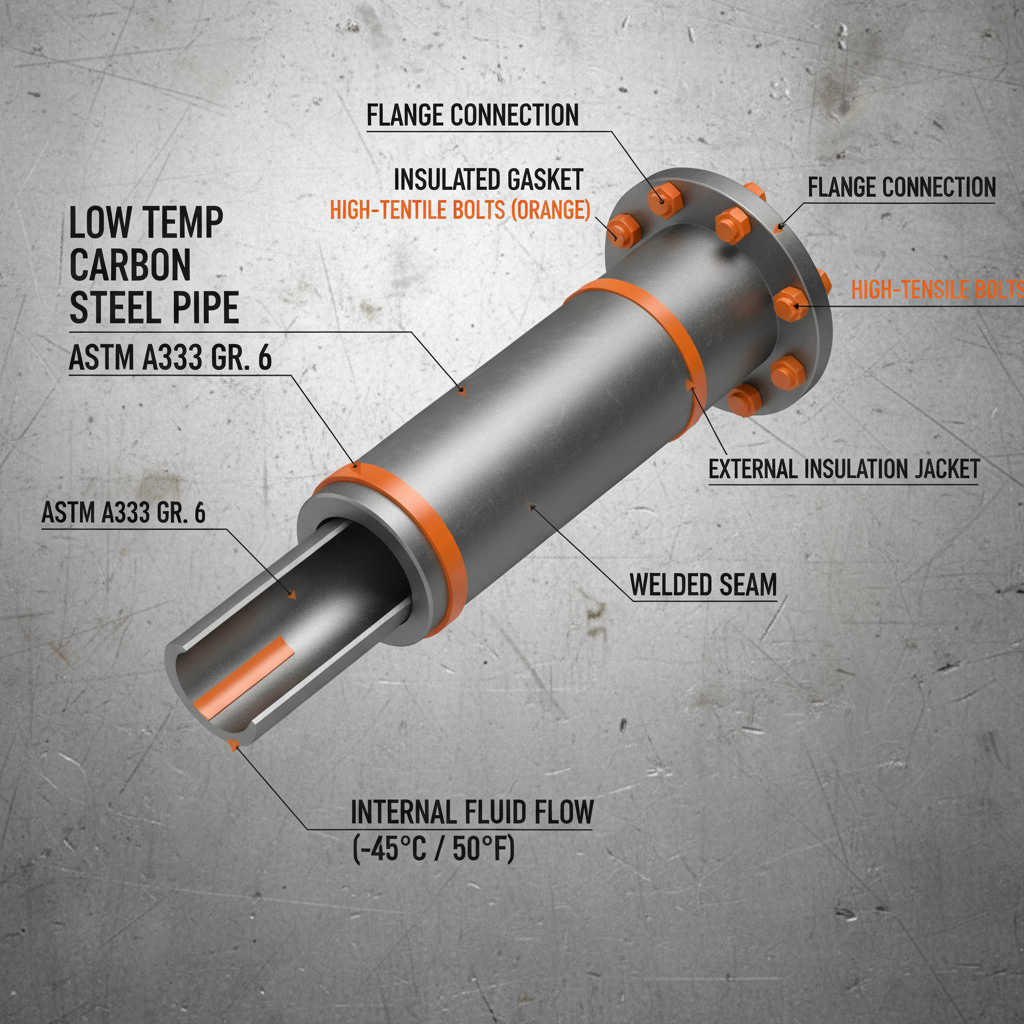
Defining Low Temp Carbon Steel Pipe
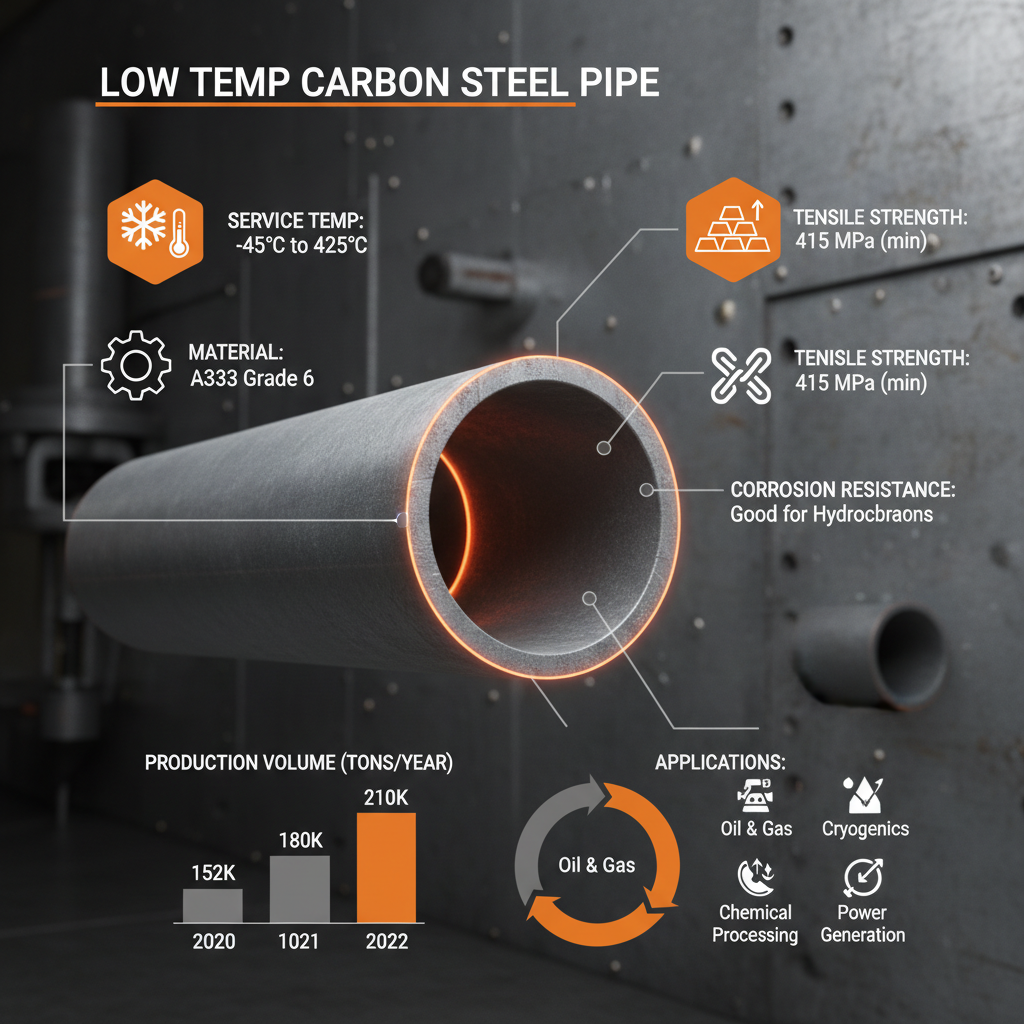
Low temp carbon steel pipe, as the name suggests, is a type of carbon steel specifically engineered to maintain its mechanical properties – particularly its impact toughness – at significantly low temperatures. This is achieved through careful control of chemical composition, manufacturing processes, and heat treatment. It’s not a single, standardized grade, but rather a range of formulations tailored to specific temperature requirements.
Its connection to modern industry is undeniable. Industries dealing with cryogenic fluids (like liquid nitrogen or liquefied natural gas), arctic pipelines, and even cold-climate water distribution systems rely heavily on this material. The availability of robust low temp carbon steel pipe is a cornerstone of many essential services and industrial processes.
FAQS
Generally, ‘low temperature’ for carbon steel pipe refers to temperatures below 0°C (32°F). However, the specific temperature threshold depends on the grade of steel and the application. Low temperature carbon steel pipe is specifically designed to maintain ductility and prevent brittle fracture down to -40°C (-40°F) or even lower in certain cases, ensuring safe operation in frigid environments.
The chemical composition is crucial. Lower carbon content minimizes the risk of brittle fracture. Additions of manganese, nickel, and chromium refine the grain structure of the steel, improving its toughness. These alloying elements help to absorb energy and prevent cracks from propagating at low temperatures. Careful control of these elements is essential for meeting specific low-temperature requirements.
Low temp carbon steel pipe is extensively used in LNG facilities for transporting cryogenic liquids, in pipelines traversing arctic regions, and in oil and gas extraction operations in cold climates. It’s also vital for gathering systems and processing plants where low temperatures are encountered. Its reliability in harsh conditions is essential for maintaining energy supply.
Charpy V-notch impact testing measures a material’s ability to absorb energy during a sudden impact. It's a critical test for low temp carbon steel pipe because it assesses the steel's toughness at various temperatures. Higher Charpy values indicate greater resistance to brittle fracture, ensuring the pipe can withstand stresses in cold environments without failing catastrophically.
Protective coatings enhance the corrosion resistance of low temp carbon steel pipe, extending its lifespan and reducing maintenance costs. Coatings like epoxy, polyethylene, and polyurethane create a barrier against corrosive elements, preventing degradation and ensuring the long-term integrity of the pipeline. Regular inspection of coatings is vital for continued protection.
Welding low temp carbon steel pipe requires careful control of heat input and welding procedures to avoid creating brittle zones in the weld metal and heat-affected zone. Preheating, post-weld heat treatment, and the use of appropriate filler metals are crucial to maintain the material's toughness and prevent cracking. Qualified welders and adherence to industry standards are essential.
Conclusion
In conclusion, low temp carbon steel pipe remains a vital material for a wide range of industries, offering a robust, cost-effective, and reliable solution for transporting fluids and gases in challenging environments. Its ability to maintain its mechanical properties at low temperatures, combined with its ease of fabrication and widespread availability, makes it an indispensable component of critical infrastructure worldwide. Understanding its properties, applications, and limitations is crucial for ensuring the safe and efficient operation of pipelines and processing facilities.
Looking ahead, continued innovation in alloying techniques, coating technologies, and digital monitoring systems will further enhance the performance and sustainability of low temp carbon steel pipe. Investing in research and development, coupled with a commitment to best practices in manufacturing, installation, and maintenance, will ensure that this material continues to play a crucial role in meeting the world’s growing energy demands and infrastructure needs. To learn more about our comprehensive range of low temp carbon steel pipe solutions, visit our website today!
Related Posts
-
How Is China Top OCTG Supplier Connecting with International Buyers at ADIPEC Every November?
-

Advancements in Tube Steel Structure for Modern Construction and Sustainable Development
-
Understanding API 5CT Specifications for Reliable Pipeline and Well Construction
-
Understanding the api 5l x65 psl2 specification for Pipeline Steel