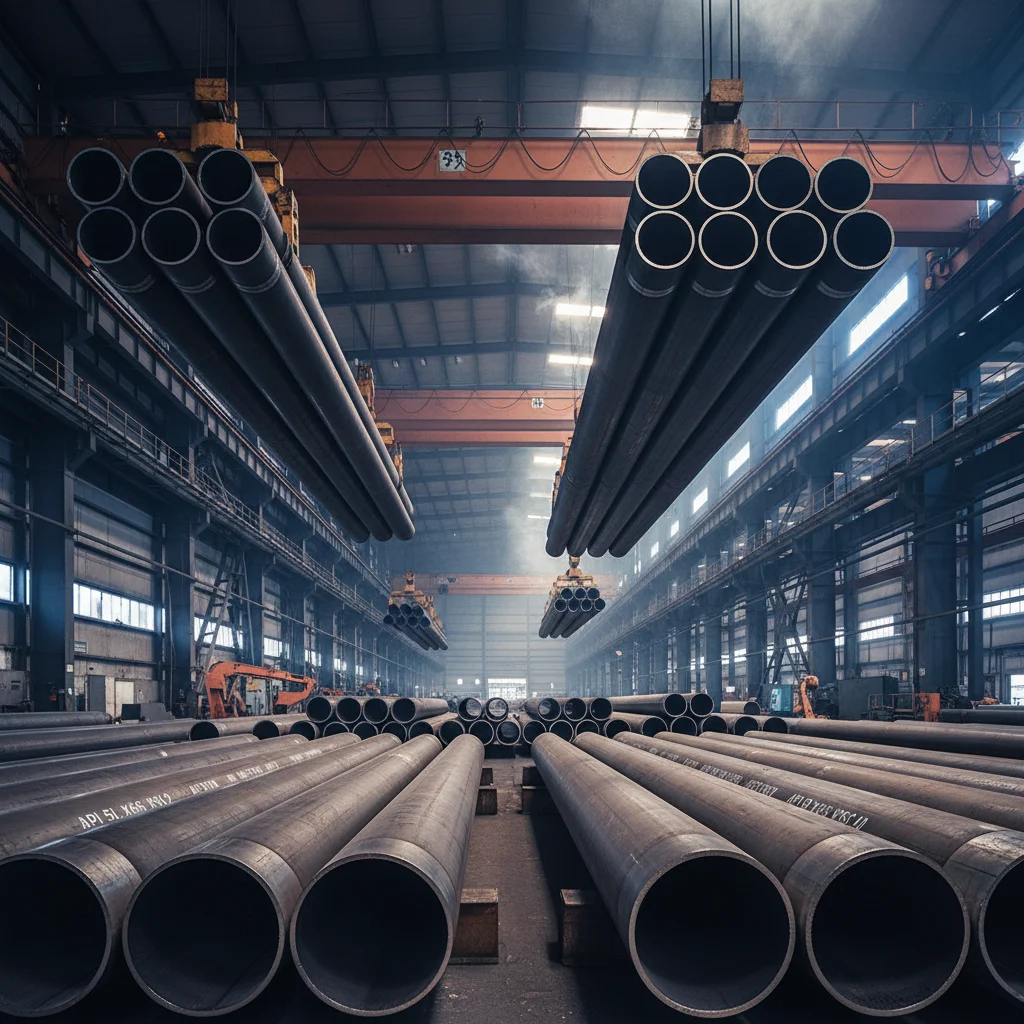
Understanding Carbon Pipe Price: A Comprehensive Guide
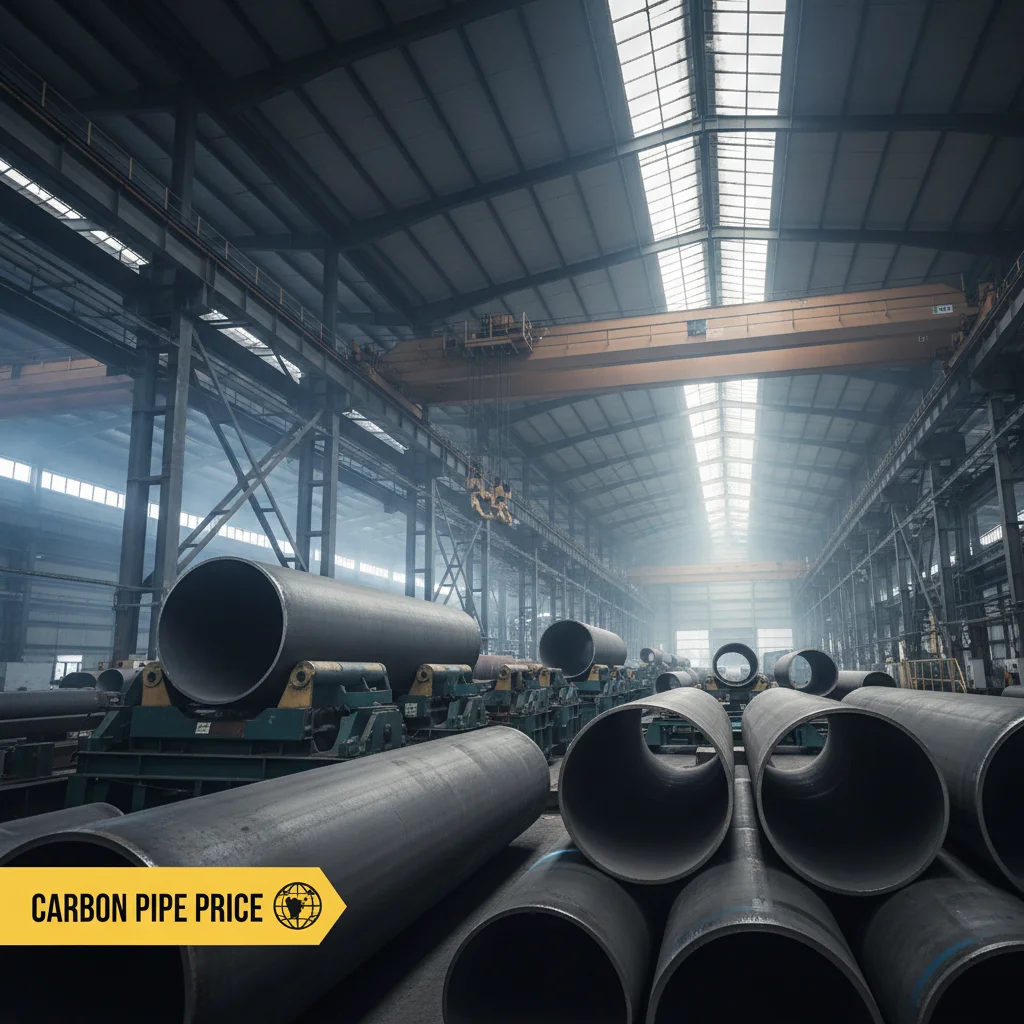
Navigating the market for carbon pipe can be complex, with prices fluctuating based on various factors. This article provides a thorough overview of the elements influencing carbon pipe price, helping you make informed purchasing decisions. We’ll explore materials, dimensions, quantities, and sourcing options, all crucial to understanding the true cost of this essential industrial component. Choosing the right supplier and understanding the market dynamics can lead to significant savings.
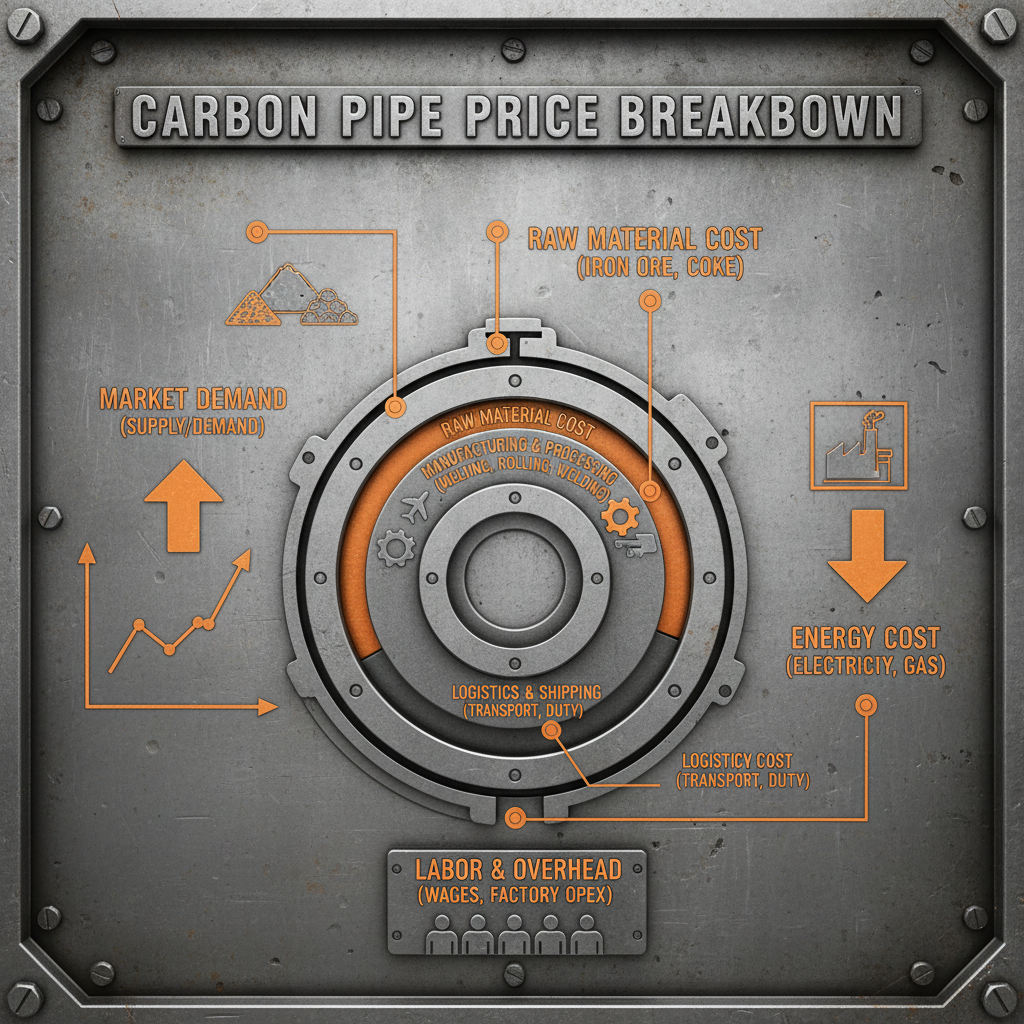
Factors Influencing Carbon Pipe Price
Several key factors contribute to the final carbon pipe price. These include the grade of steel, pipe dimensions (diameter and wall thickness), quantity ordered, manufacturing process, and current market conditions. Higher grades of steel, such as those with enhanced corrosion resistance, naturally command a higher price. Larger diameter pipes and thicker walls require more material, increasing the cost. Bulk orders typically qualify for discounted rates, while specialized manufacturing processes may add to the expense. Understanding these elements allows for better budgeting and negotiation.
Key Highlights: Understanding material grade, pipe dimensions, order quantity, and manufacturing process are essential when assessing carbon pipe pricing.
Carbon Steel Grades and Their Impact on Price
The type of carbon steel used significantly impacts the carbon pipe price. Common grades include A53, A106, and API 5L. A53 is generally the most affordable, suitable for low-pressure applications. A106 is used for high-temperature services and is more expensive. API 5L is a widely used grade for pipelines and offers good weldability and strength, falling in between A53 and A106 in terms of cost. Selecting the appropriate grade based on application requirements is crucial to optimizing both performance and cost.
Grade Comparison:
• A53: Lowest cost, suitable for low-pressure applications.
• A106: Higher cost, designed for high-temperature services.
• API 5L: Moderate cost, commonly used for pipelines.
Dimensions and Their Relation to Carbon Pipe Price
Pipe diameter and wall thickness directly correlate with carbon pipe price. Larger diameters and thicker walls require more raw material and more complex manufacturing processes, leading to increased costs. Scheduling (a dimensionless number indicating wall thickness relative to diameter) is also a critical factor. Higher schedule numbers signify thicker walls and, consequently, higher prices. Carefully consider the required pressure rating and flow capacity when selecting pipe dimensions to avoid overspending on unnecessary thickness.
The Impact of Quantity on Carbon Pipe Price
Like most commodities, the carbon pipe price is inversely proportional to the quantity ordered. Larger orders benefit from economies of scale, resulting in lower per-unit costs. Suppliers offer tiered pricing structures, with significant discounts for bulk purchases. If possible, consolidate your requirements and order in larger quantities to secure the most competitive pricing.
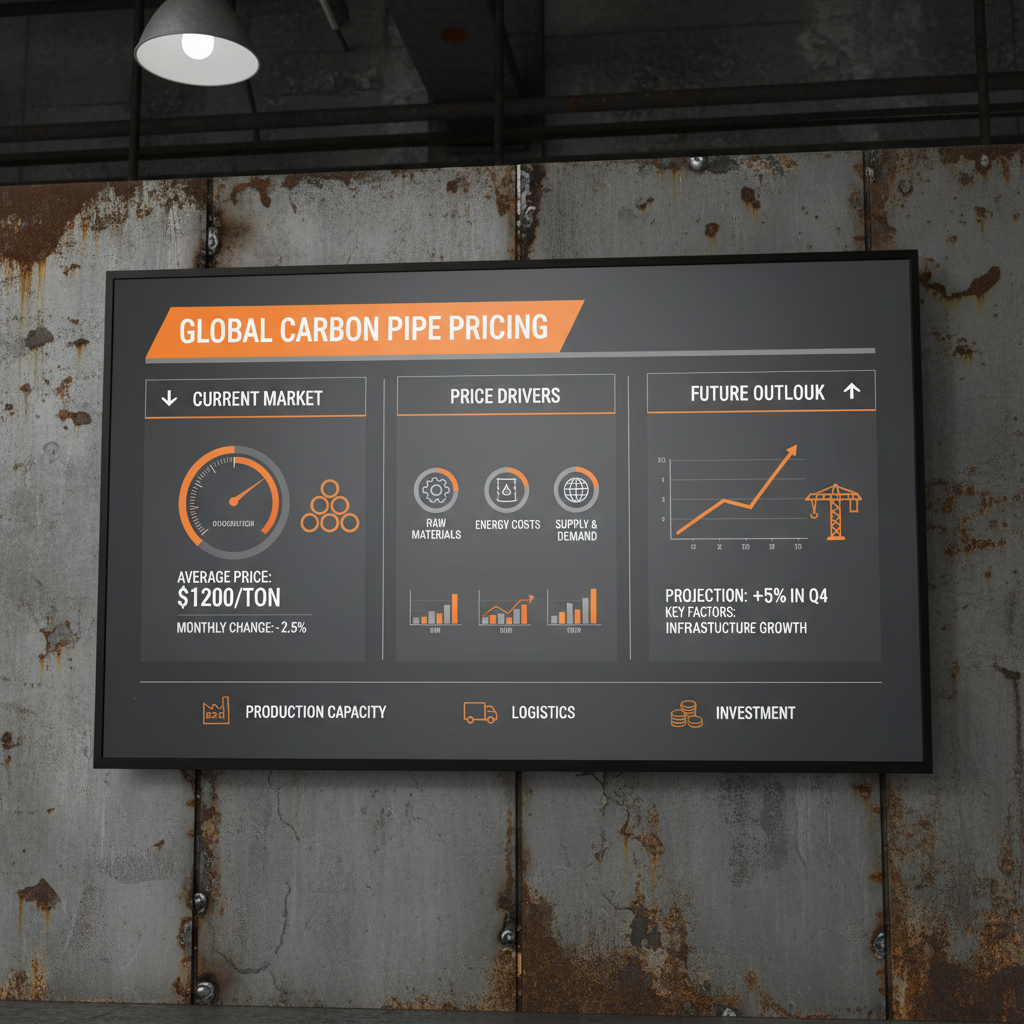
Sourcing Strategies for Competitive Carbon Pipe Prices
Finding the best carbon pipe price requires strategic sourcing. Explore multiple suppliers, including domestic manufacturers, international distributors, and online marketplaces. Obtain quotes from several vendors and compare pricing, lead times, and shipping costs. Consider working directly with manufacturers for large orders to potentially eliminate intermediary markups. Benkoo Metal is a trusted supplier offering competitive pricing and a wide range of carbon pipe products.
Conclusion: Maximizing Value in Carbon Pipe Purchases
Understanding the factors influencing carbon pipe price empowers you to make informed decisions. By carefully considering grade, dimensions, quantity, and sourcing options, you can secure the best possible value. Partnering with a reliable supplier like Benkoo Metal ensures quality and competitive pricing.
Frequently Asked Questions (FAQs)
What factors cause carbon pipe prices to fluctuate?
Carbon pipe prices are subject to fluctuations due to several factors, including raw material costs (iron ore, coal), energy prices, global steel production levels, transportation costs, and overall market demand. Geopolitical events and trade policies can also influence prices. Monitoring these factors can provide insights into potential price trends. Supply chain disruptions can lead to price increases, while increased competition among suppliers can drive prices down. It’s important to stay informed about these dynamics to make informed purchasing decisions.
How does coating affect carbon pipe price?
Applying a coating to carbon pipe, such as epoxy, polyethylene, or galvanization, increases the price due to the added material and labor costs. However, coatings provide crucial corrosion protection, extending the pipe’s lifespan and reducing maintenance requirements. The choice of coating depends on the operating environment and the level of corrosion resistance needed. While the initial cost is higher, the long-term benefits of corrosion protection often outweigh the expense.
What is the difference between seamless and welded carbon pipe pricing?
Seamless carbon pipe is generally more expensive than welded carbon pipe. This is because the manufacturing process for seamless pipe is more complex and requires higher precision. Seamless pipe offers superior strength and is preferred for high-pressure applications. Welded pipe is more cost-effective for lower-pressure applications where strength requirements are less critical. The choice between seamless and welded pipe depends on the specific application and budget constraints.
Are there hidden costs associated with buying carbon pipe?
Beyond the per-foot price of the pipe, several hidden costs can arise. These include shipping fees, handling charges, cutting and threading costs, inspection fees, and potential tariffs or import duties. It's crucial to obtain a complete quote from suppliers that includes all these potential expenses. Consider the cost of any necessary fittings, valves, and other accessories as well. Careful planning and budgeting can help avoid unexpected costs.