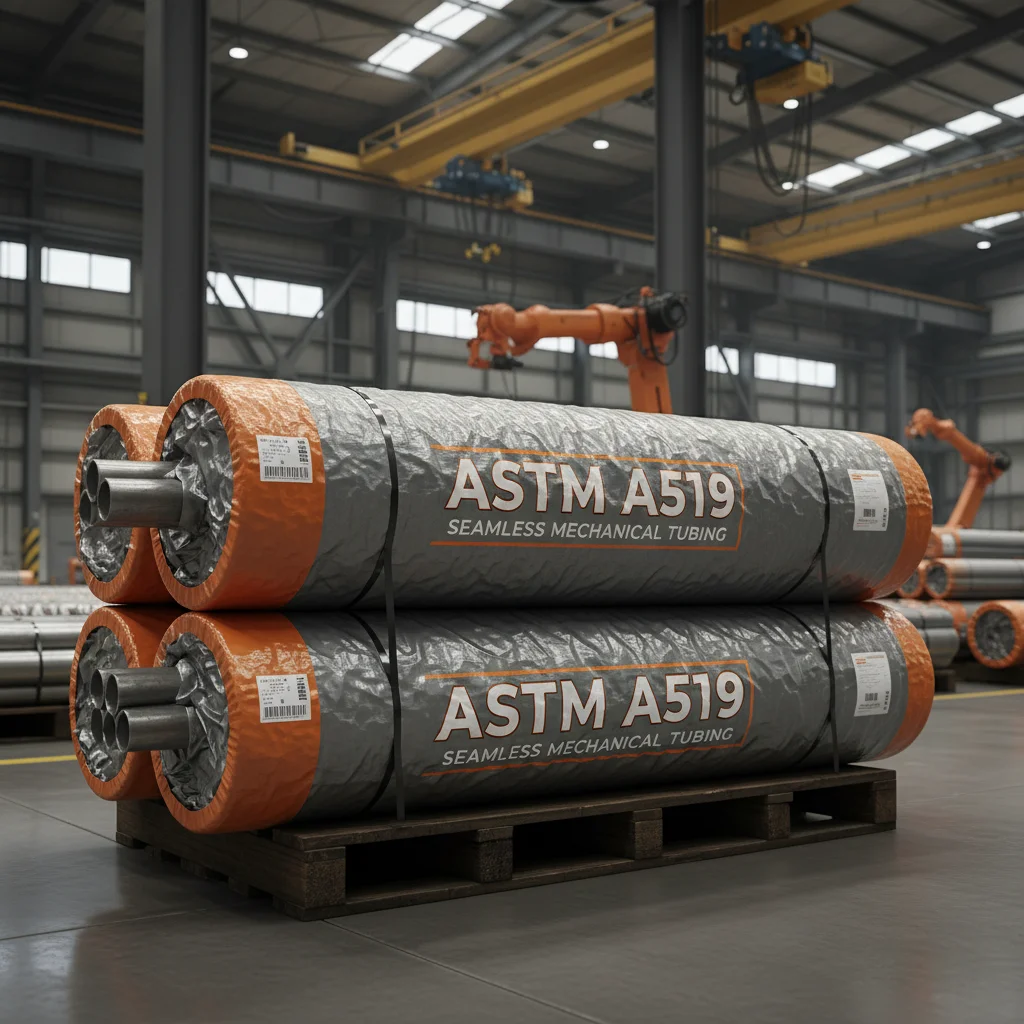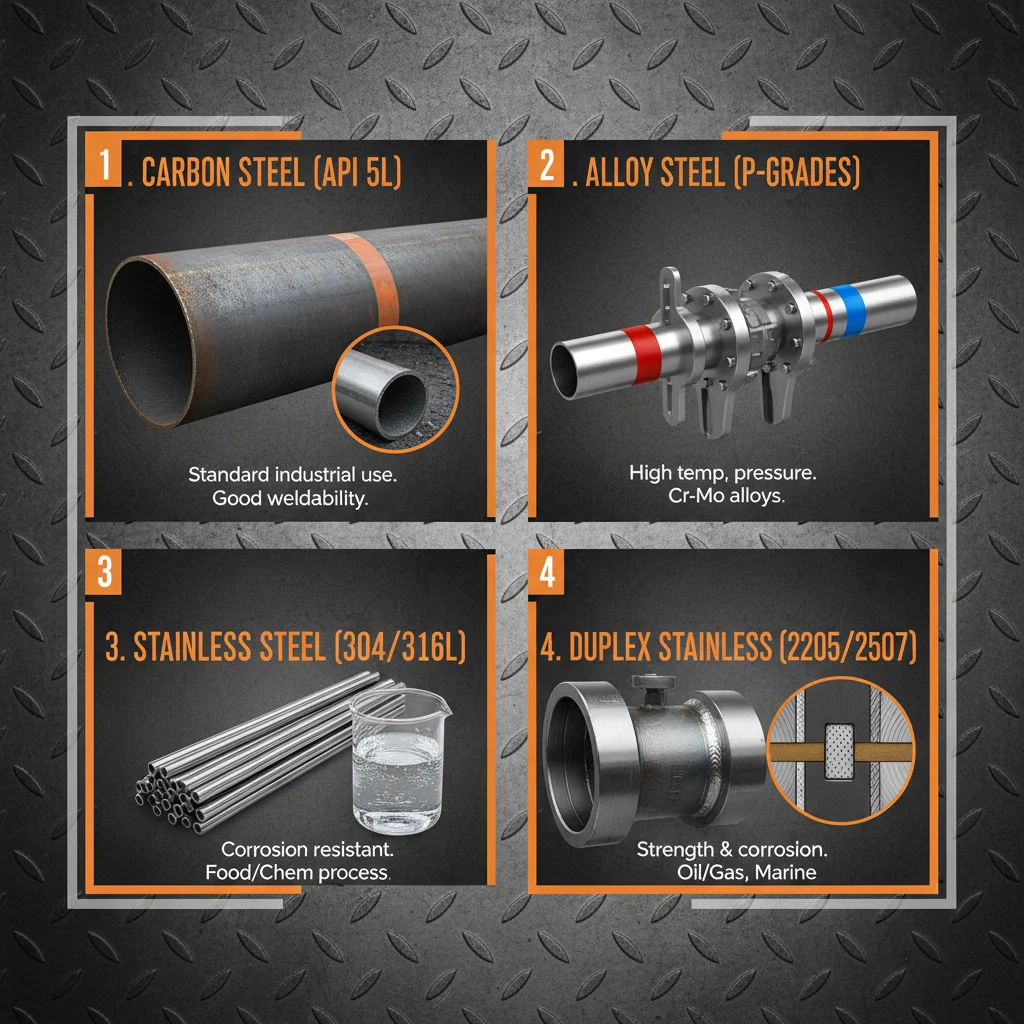
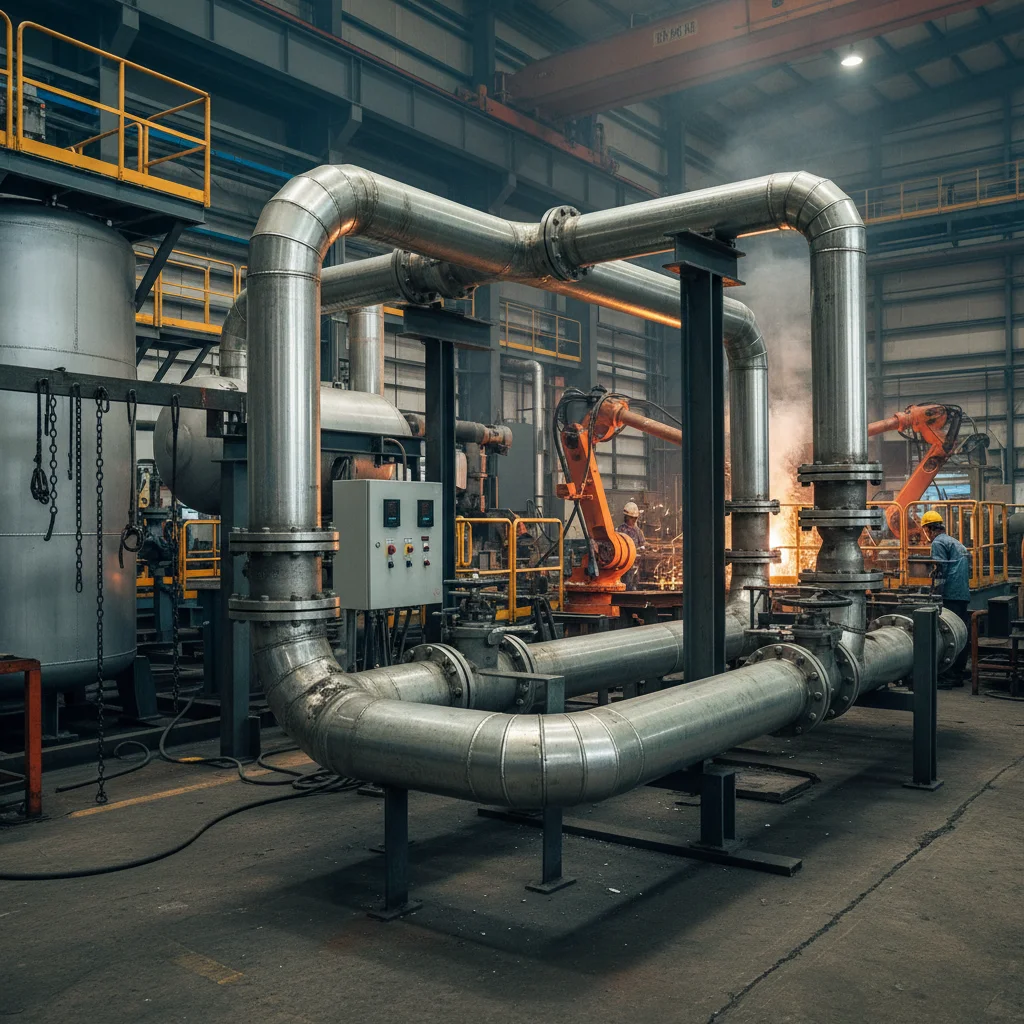
Nickel Piping: A Comprehensive Guide for Global Trade
Nickel piping is a crucial component across numerous industries, prized for its exceptional corrosion resistance, high-temperature strength, and versatility. From chemical processing and marine engineering to aerospace and power generation, the demand for quality nickel piping is steadily growing. This article provides an in-depth exploration of nickel piping, its applications, grades, benefits, and considerations for sourcing from a reliable supplier like Benkoo Metal. Understanding these aspects is vital for successful sourcing and implementation in your projects.
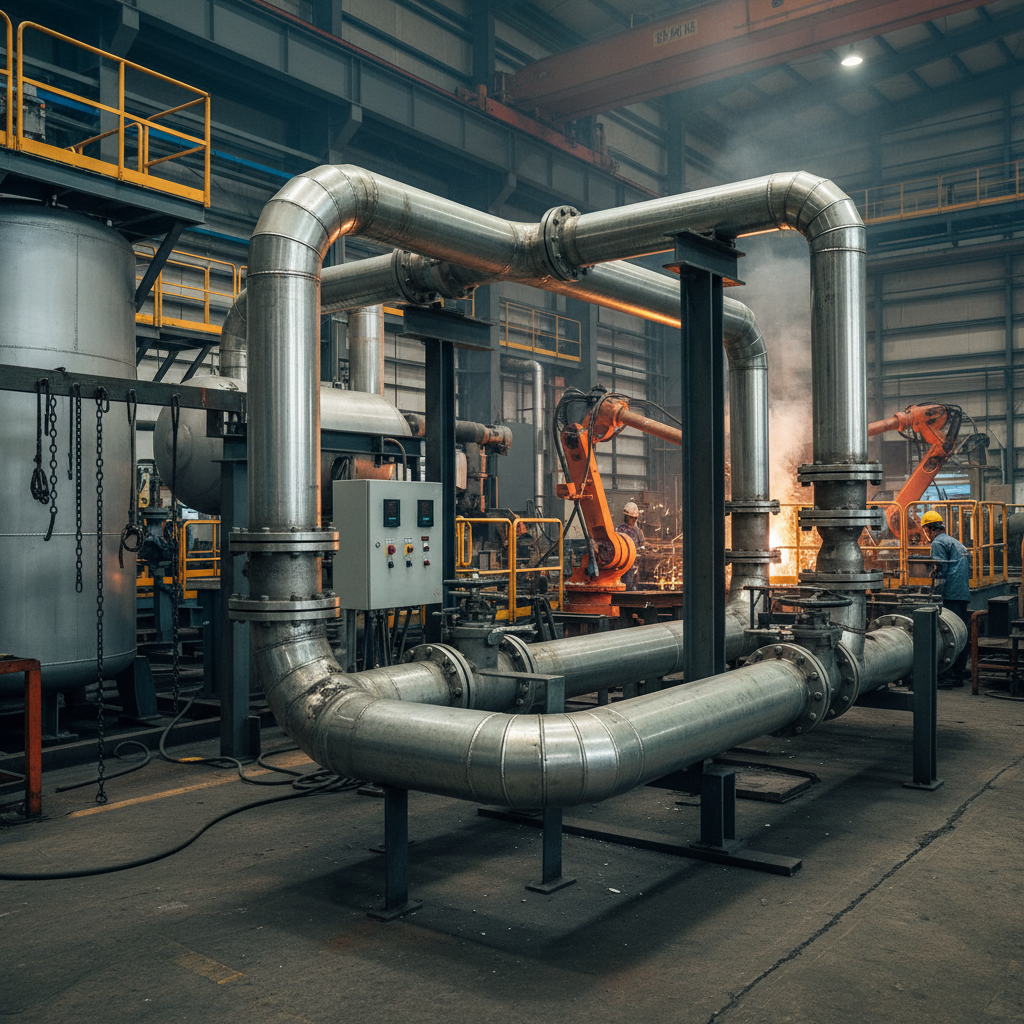
Understanding Nickel Piping and its Key Properties
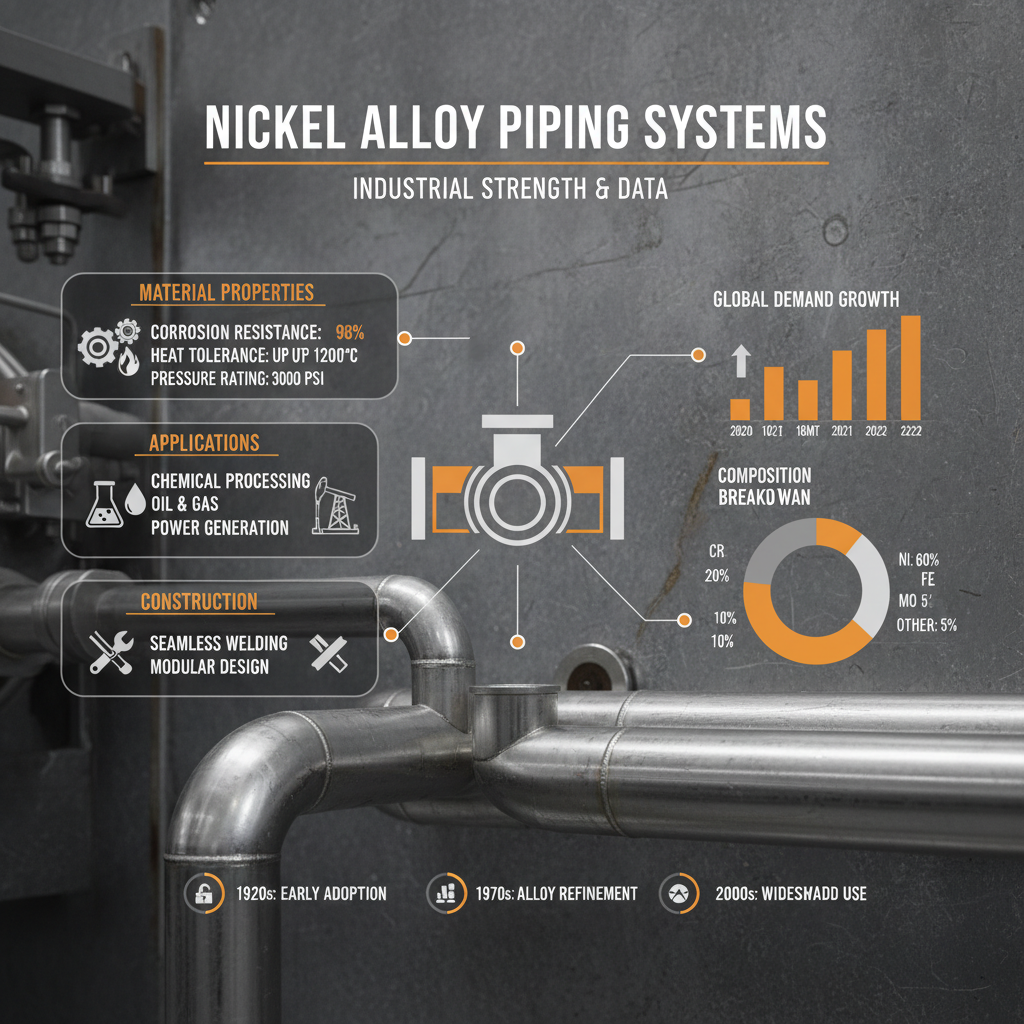
Nickel piping isn't a single entity but a family of alloys, with varying compositions impacting specific properties. Pure nickel offers excellent formability and corrosion resistance, while alloys with additions like copper, chromium, and molybdenum enhance strength, heat resistance, and specialized corrosion protection. These alloys excel in aggressive environments where other materials fail. The high nickel content contributes to exceptional resistance to acids, alkalis, and seawater, making it ideal for demanding applications.
Key Properties: Exceptional corrosion resistance, high tensile strength, excellent ductility, resistance to high temperatures, and non-magnetic nature.
Common Grades of Nickel Piping
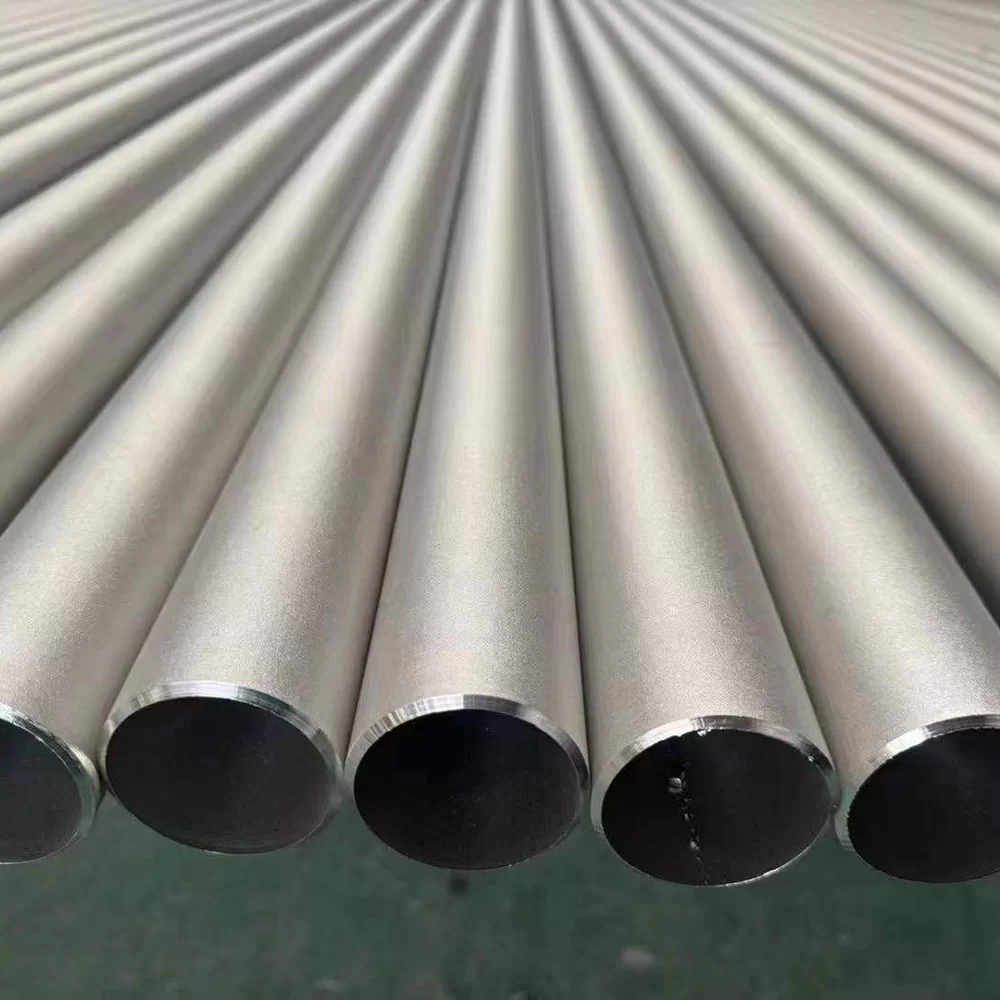
Several nickel alloy grades cater to specific application needs. Some of the most prevalent include: Nickel 200 (pure nickel), Alloy 201 (nickel-copper alloy), Alloy 600 (nickel-chromium alloy), and Alloy 625 (nickel-chromium-molybdenum alloy). Each grade possesses unique characteristics impacting its suitability for different scenarios. Selecting the correct grade is critical for ensuring optimal performance and longevity. Benkoo Metal provides a wide range of these grades, tailored to international standards.
Applications of Nickel Piping Across Industries
The diverse properties of nickel piping make it vital in various industries. Chemical processing benefits from its resistance to corrosive chemicals. In marine environments, its ability to withstand seawater corrosion is invaluable. The aerospace industry utilizes nickel alloys for high-temperature components. Power generation plants employ nickel piping in heat exchangers and steam systems. The oil and gas sector utilizes it in downhole applications due to its resistance to sour gas.
Industry Applications:
• Chemical Processing
• Marine Engineering
• Aerospace
• Power Generation
• Oil and Gas
Sourcing Nickel Piping: Key Considerations for International Trade
When sourcing nickel piping for global trade, several factors are crucial. Verify the supplier’s adherence to international standards (ASTM, ASME, EN). Ensure proper material certification and traceability. Consider lead times, shipping costs, and potential import duties. Selecting a reputable supplier with a proven track record, such as Benkoo Metal, minimizes risks and ensures quality.
Future Trends in Nickel Piping
The demand for nickel piping is expected to rise, driven by the growing needs of industries prioritizing corrosion resistance and durability. Research into new nickel alloys with enhanced properties is ongoing. Furthermore, sustainable manufacturing practices and responsible sourcing are becoming increasingly important. As environmental regulations tighten, the long lifespan and recyclability of nickel piping will further solidify its position as a vital material.
Conclusion: Nickel Piping – A Reliable Investment
Investing in high-quality nickel piping from a trusted supplier like Benkoo Metal ensures long-term reliability, performance, and cost-effectiveness. Understanding the different grades, applications, and sourcing considerations is essential for successful project outcomes. Choose wisely and build with confidence.
Frequently Asked Questions (FAQs)
What are the main benefits of using nickel piping over other materials?
Nickel piping excels in situations where corrosion resistance is paramount. Compared to stainless steel, it offers superior protection in highly corrosive environments, such as those containing chlorides or sulfuric acid. It also boasts higher strength at elevated temperatures than many other alloys. While often more expensive upfront, the extended lifespan and reduced maintenance costs associated with nickel piping frequently result in a lower total cost of ownership. The non-magnetic properties of certain nickel alloys are also advantageous in specific applications.
How does Benkoo Metal ensure the quality of its nickel piping?
Benkoo Metal maintains stringent quality control procedures throughout the entire manufacturing process. We source materials only from reputable suppliers and conduct rigorous testing to verify chemical composition and mechanical properties. All our nickel piping undergoes non-destructive testing, such as radiographic inspection and ultrasonic testing, to detect any internal flaws. We provide complete material traceability and certification to ensure compliance with industry standards.
What are the typical lead times for ordering nickel piping from Benkoo Metal?
Lead times for nickel piping vary depending on the specific grade, size, quantity, and current production schedule. Standard sizes and grades are typically available for immediate shipment. Custom orders or large quantities may require longer lead times. We provide a detailed timeline for each order upon request. Our dedicated sales team works closely with clients to ensure timely delivery and meet their project deadlines.
Is nickel piping recyclable?
Yes, nickel piping is highly recyclable. Nickel is a valuable material, and recycling helps conserve resources and reduce environmental impact. Scrap nickel piping can be melted down and reused in new products, without significant loss of quality. Benkoo Metal is committed to sustainable practices and supports responsible recycling initiatives.


-20251219055937.webp "General Application Of Welded Pipes")
-20251219071741.webp "Nickel Alloy Welded Pipes")
-20251218091502.webp "Steel Solid Bars")