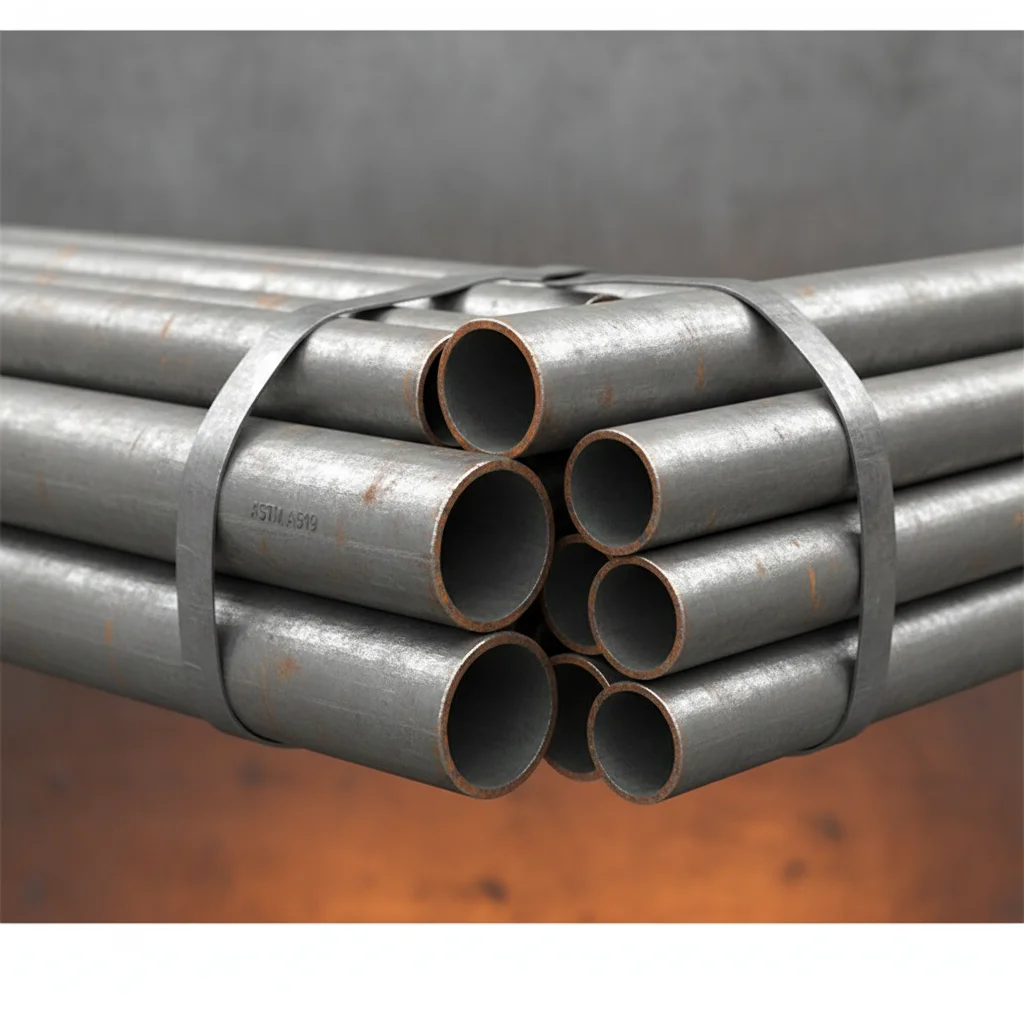
Understanding ASTM A519 Tube: A Comprehensive Guide
ASTM A519 is a widely recognized specification for seamless carbon and alloy steel tubing. Commonly used in structural applications, especially where high strength and weldability are critical, ASTM A519 tube provides a robust and reliable solution for various industries. This article will delve into the specifics of this material, covering its grades, applications, benefits, and key considerations when sourcing. Understanding these aspects is vital for engineers, procurement specialists, and anyone working with steel tubing.
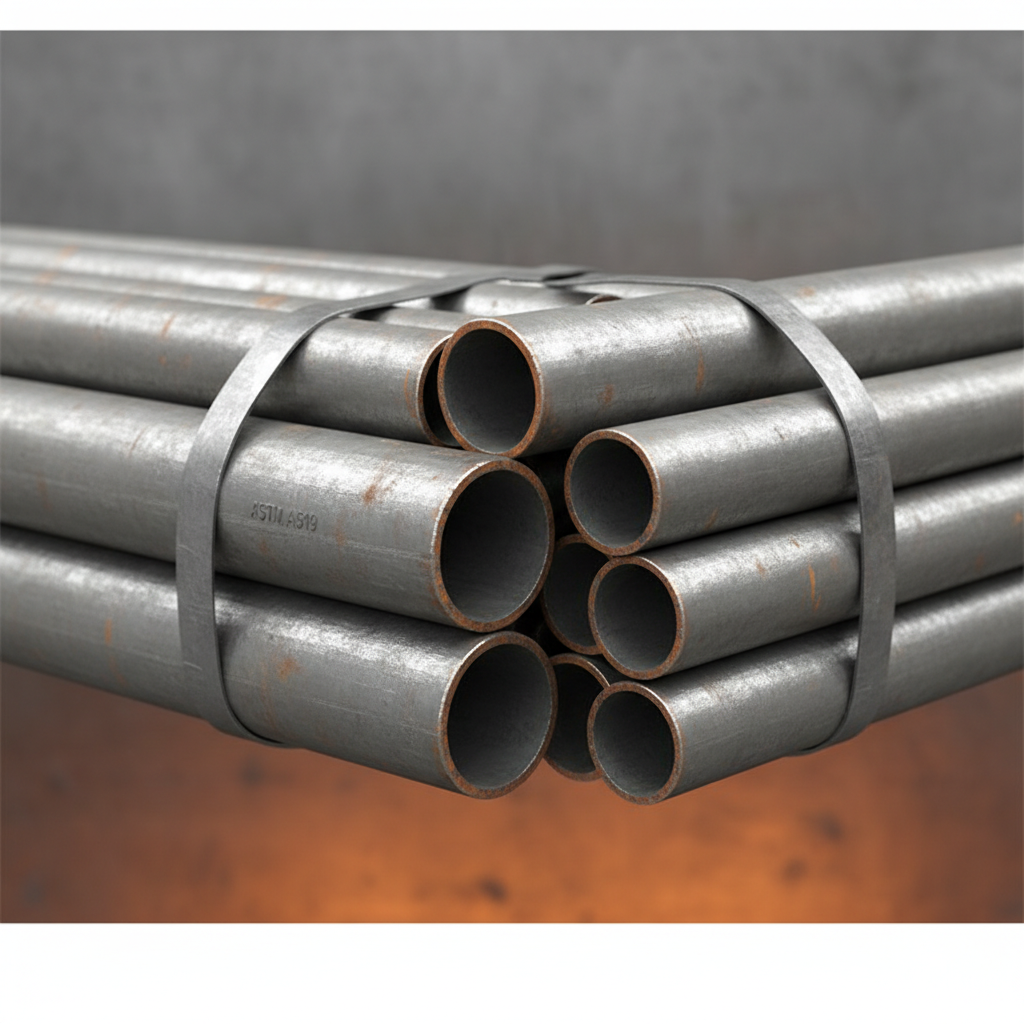
What is ASTM A519 and Why is it Important?
ASTM A519 covers seamless carbon and alloy steel tubes intended for structural purposes. These tubes are characterized by their high strength-to-weight ratio, excellent weldability, and uniform structure. The "seamless" construction means there are no welded seams, eliminating a potential weak point and enhancing structural integrity. This specification is critical because it ensures a consistent level of quality and performance, allowing engineers to confidently design structures that meet safety and performance requirements. Benkoo Metal provides a comprehensive range of ASTM A519 tubes to meet diverse project needs.
Key Benefits: High strength-to-weight ratio, Excellent weldability, Seamless construction for enhanced integrity, Consistent quality and performance.
Common Grades of ASTM A519 Tube
ASTM A519 encompasses several grades, each with distinct chemical compositions and mechanical properties to suit specific applications. Common grades include A519 Grade 1020, A519 Grade 1026, A519 Grade 4140, and A519 Grade 5140. The grade number indicates the approximate minimum yield strength in ksi (thousands of pounds per square inch). For instance, A519 Grade 1026 has a minimum yield strength of approximately 26,000 psi. Selecting the appropriate grade depends on the required strength, ductility, and weldability for the intended application.
Grade Comparison:
• 1020: Low carbon steel, good weldability, moderate strength.
• 1026: Similar to 1020 but with slightly higher strength.
• 4140: Alloy steel, high strength and toughness, good for critical applications.
• 5140: Higher alloy content than 4140, offering even greater strength and toughness.
ASTM A519 Tube vs. Other Steel Tube Specifications
While several steel tube specifications exist, ASTM A519 stands out due to its focus on structural applications and seamless construction. Compared to ASTM A53, which commonly covers welded and seamless steel pipe, A519 generally offers higher strength and improved structural integrity due to the absence of welds. Compared to ASTM A795, which focuses on welded steel tubes for structural applications, A519 provides the advantage of seamless construction. The choice depends on the specific requirements of the project – welded tubes may be suitable for less demanding applications, while seamless tubes like those conforming to A519 are preferred for critical structural components.
Applications of ASTM A519 Tube
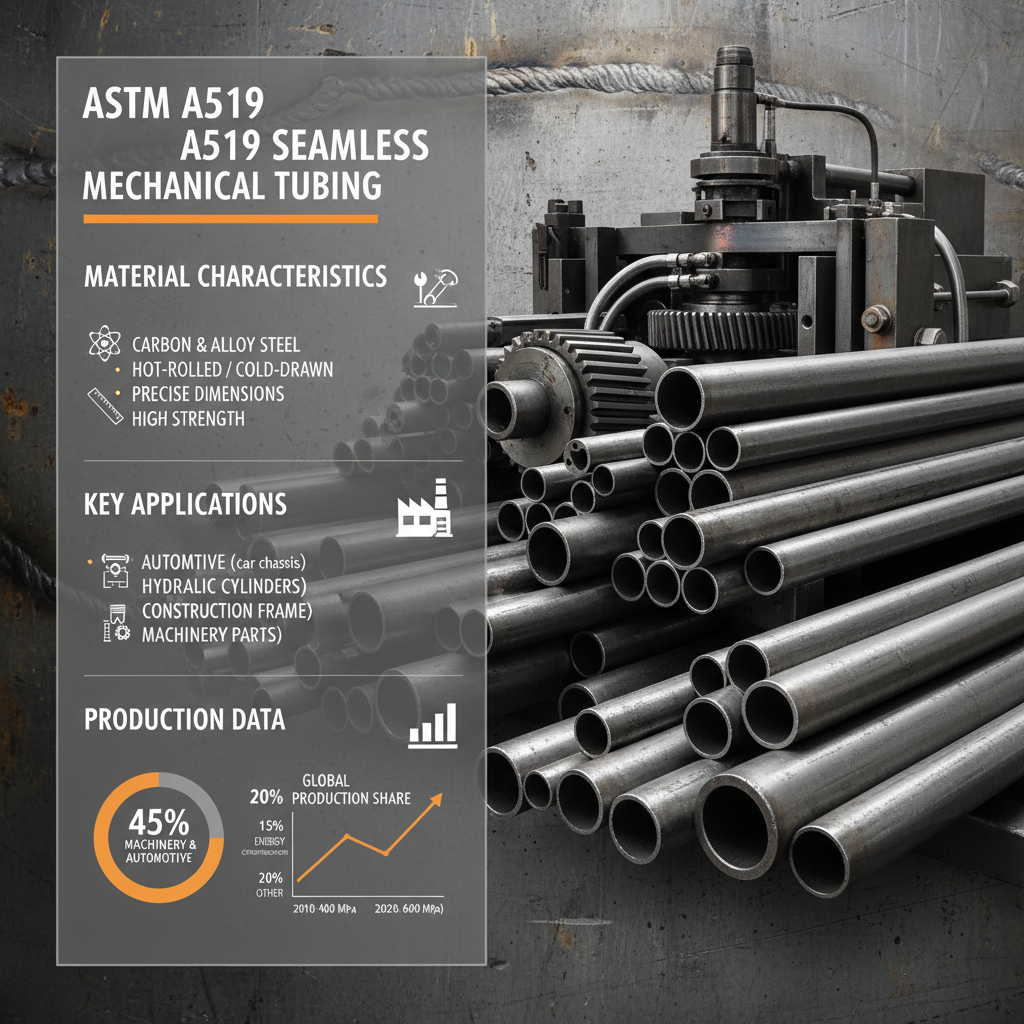
The versatility of ASTM A519 tubing makes it suitable for a wide array of applications across diverse industries. These include structural components in buildings and bridges, oil and gas pipelines, mechanical tubing for automotive and aerospace industries, and boiler tubes in power generation plants. Its high strength and reliability are particularly valuable in applications where safety and structural integrity are paramount. Benkoo Metal supplies ASTM A519 tubing for projects ranging from small-scale manufacturing to large-scale infrastructure developments.
Sourcing ASTM A519 Tube: Key Considerations
When sourcing ASTM A519 tube, it's crucial to work with a reputable supplier that can guarantee compliance with the specification. Verify that the supplier provides mill test reports (MTRs) for each batch, confirming the chemical composition and mechanical properties of the material. Consider factors such as lead times, pricing, and the supplier's ability to meet your specific size and quantity requirements.
Conclusion: Choosing the Right ASTM A519 Tube
Selecting the correct ASTM A519 tube is essential for ensuring the safety, reliability, and longevity of your projects. Understanding the different grades, applications, and sourcing considerations outlined in this guide will empower you to make informed decisions. Partner with a trusted supplier like Benkoo Metal to secure high-quality tubing that meets your exact specifications.
Frequently Asked Questions (FAQs)
What is the difference between ASTM A519 and A519M?
ASTM A519M is the metric equivalent of ASTM A519. The specifications are largely identical, but A519 uses imperial units (inches, pounds) while A519M uses metric units (millimeters, kilograms). Both standards cover the same material and requirements; the choice between them often depends on the preferred unit system for the project or region.
Can ASTM A519 tube be heat treated?
Yes, certain grades of ASTM A519 tube, particularly alloy steel grades like 4140 and 5140, can be heat treated to enhance their mechanical properties, such as strength, toughness, and hardness. Heat treatment processes like quenching and tempering are commonly used to achieve specific desired characteristics. However, the heat treatment process must be carefully controlled to avoid compromising the tube's structural integrity.
What is a mill test report (MTR)?
A Mill Test Report (MTR) is a document provided by the steel manufacturer that certifies the chemical and mechanical properties of a specific batch of steel. It verifies that the material conforms to the requirements of the applicable specification, such as ASTM A519. An MTR is an essential document for quality control and traceability, providing assurance that the steel meets the required standards for its intended application.
What surface finishes are available for ASTM A519 tube?
ASTM A519 tube is typically supplied with a mill finish, which is a standard surface condition resulting from the manufacturing process. However, various surface finishes can be applied to meet specific requirements, including black oxide, galvanized, painted, or polished finishes. The choice of surface finish depends on the application and the desired level of corrosion protection or aesthetic appeal.


-20251219052202.webp "Titanium Seamless Pipes")
-20251218091502.webp "Steel Solid Bars")