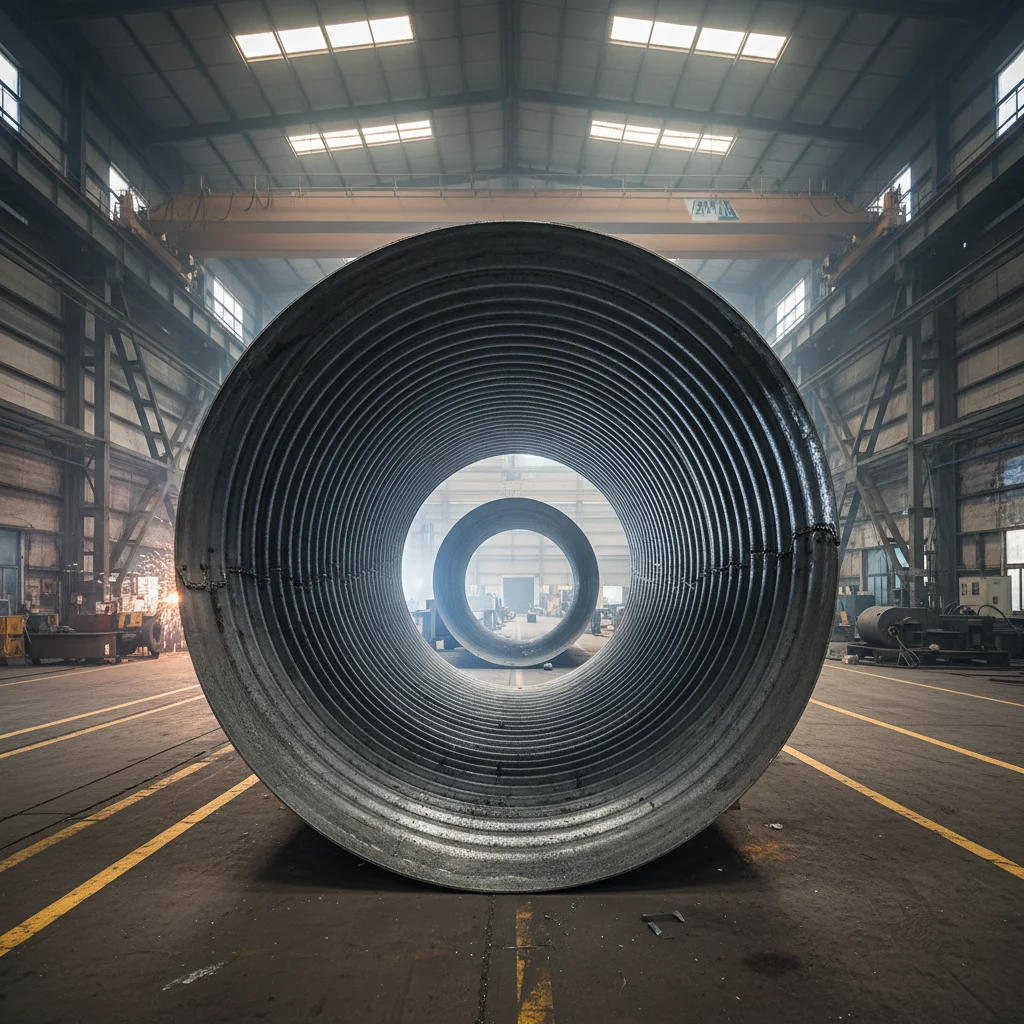
The API 5L specification is a critical standard in the oil and gas industry, dictating the requirements for seamless and welded steel line pipe used for transporting oil, gas, and water. Understanding this specification is paramount for ensuring pipeline integrity, safety, and longevity. It impacts projects globally, from major infrastructure developments to smaller-scale distribution networks, and influences material selection, fabrication, and testing procedures. A thorough grasp of API 5L specifications ensures compliance, reduces risks, and optimizes performance.
The global demand for energy, coupled with stringent safety regulations, continues to drive the importance of the API 5L spec. Pipelines remain the most cost-effective and environmentally responsible method for large-volume fluid transport. The International Organization for Standardization (ISO) recognizes API 5L as an accepted standard, facilitating international trade and collaboration. According to the World Bank, investment in pipeline infrastructure is projected to grow significantly in developing nations, making adherence to standards like API 5L crucial for successful project implementation.
The challenge lies in navigating the complexities of the specification, which is constantly evolving to address new materials, technologies, and operational demands. Proper interpretation and application of the API 5L spec are essential for avoiding costly errors, ensuring regulatory compliance, and maximizing the lifespan of critical pipeline assets. This is where Benkoo Metal’s expertise comes into play, providing high-quality api 5l spec compliant materials.
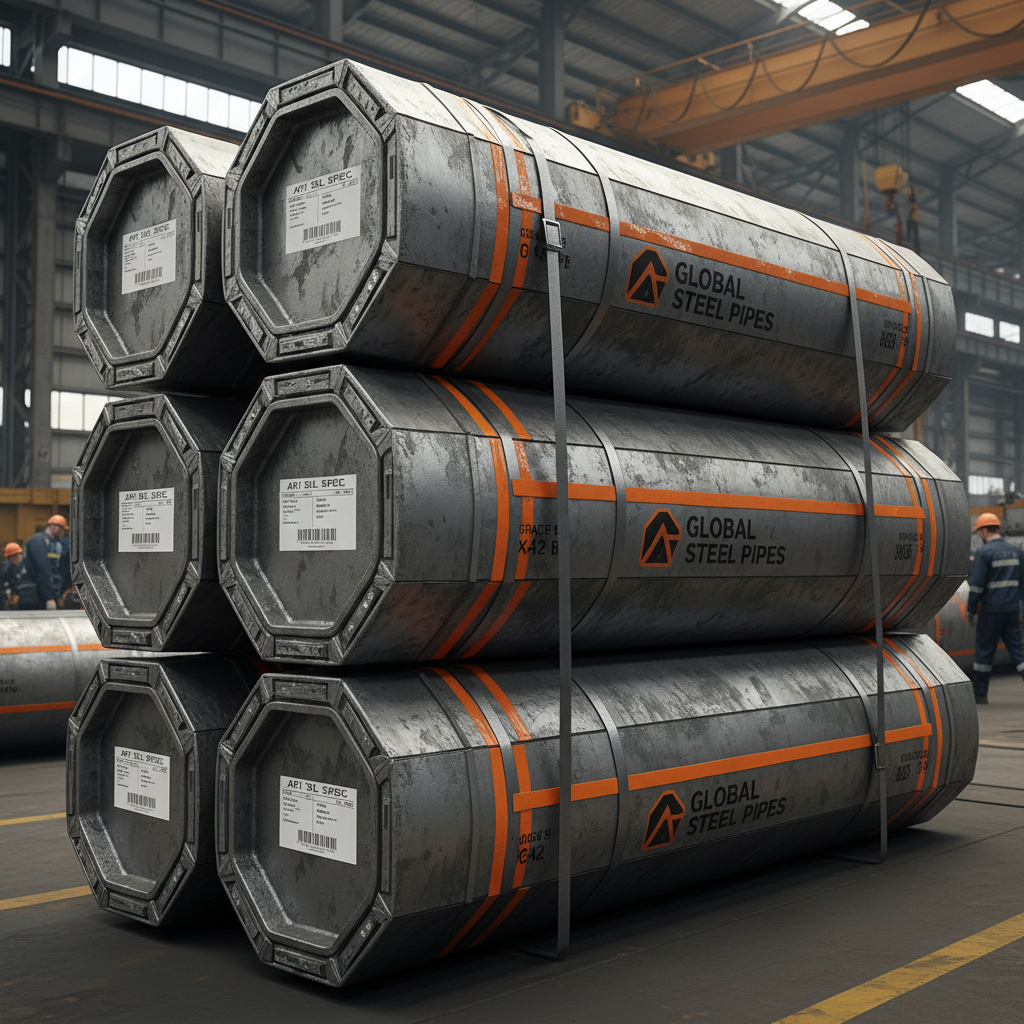
The API 5L specification isn't merely a set of guidelines; it's a cornerstone of pipeline safety and reliability worldwide. Its significance stems from its comprehensive coverage of materials, manufacturing processes, and testing procedures. It ensures that line pipe is capable of withstanding the stresses of high-pressure fluid transport, fluctuating temperatures, and corrosive environments. api 5l spec materials protect infrastructure.
By adhering to API 5L, pipeline operators mitigate the risk of failures, leaks, and environmental damage. The specification also plays a vital role in maintaining public trust and ensuring the responsible delivery of essential resources. Failure to comply can lead to catastrophic consequences, including economic losses, environmental disasters, and potential harm to human life.
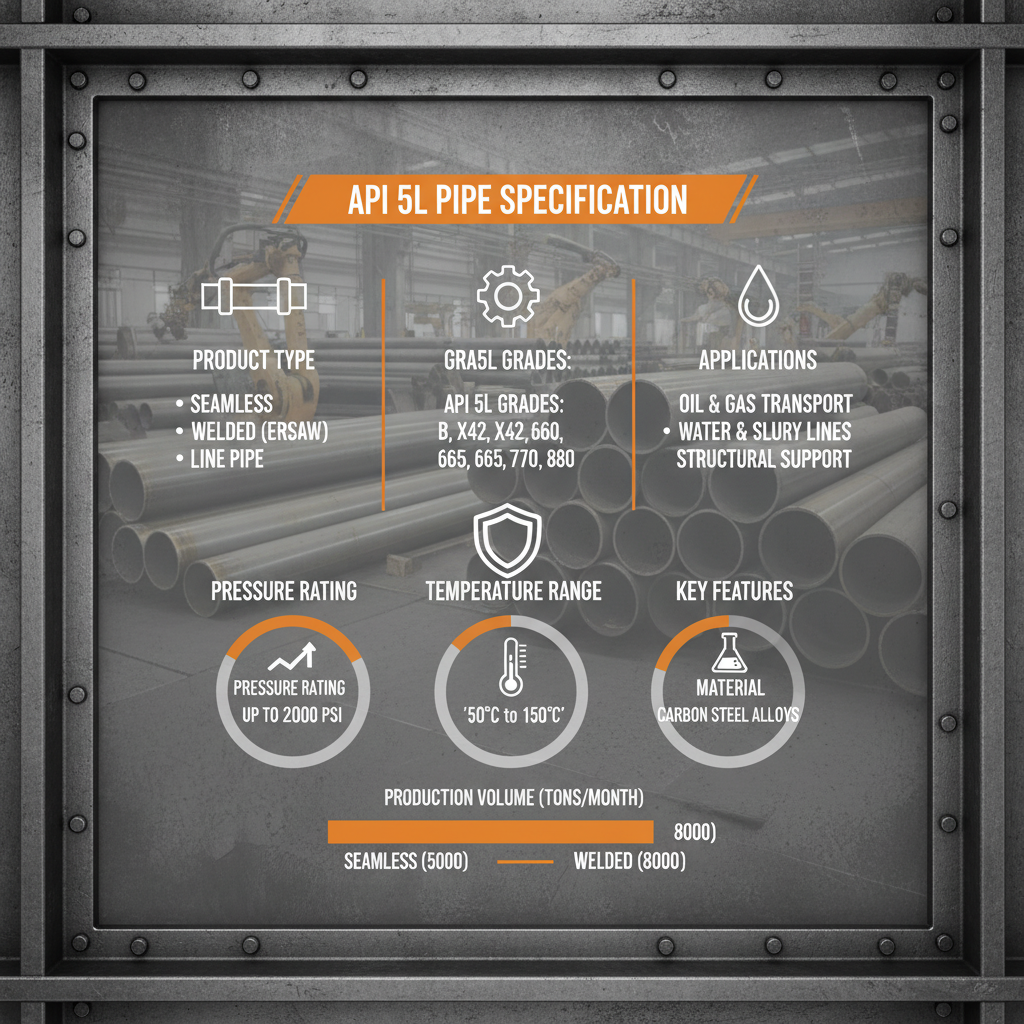
The API 5L specification covers seamless and welded steel line pipe. It outlines requirements for chemical composition, mechanical properties, manufacturing methods, and non-destructive examination. Different grades of steel are defined based on their yield strength and tensile strength, allowing engineers to select the appropriate material for specific application requirements. The specification also addresses supplementary requirements for sour service (H2S-containing environments) and arctic service (low-temperature applications).
Key parameters detailed in the API 5L spec include dimensional tolerances, hydrostatic testing pressures, and inspection criteria. The specification specifies various testing methods, such as ultrasonic testing (UT), radiographic testing (RT), and magnetic particle testing (MT), to ensure the integrity of the pipe. It also details requirements for pipe marking, threading, and protective coatings.
Regular revisions to the API 5L spec reflect advancements in materials science, manufacturing technologies, and industry best practices. Staying current with the latest edition of the specification is crucial for ensuring compliance and maintaining pipeline safety. Benkoo Metal consistently provides materials meeting the newest api 5l spec standards.
API 5L defines various grades of steel, each suited for different operating conditions. Common grades include Grade B, Grade X42, Grade X52, Grade X60, Grade X65, and Grade X70. These grades differ in their yield strength and tensile strength, impacting their ability to withstand pressure and stress. Grade B is typically used for lower-pressure applications, while higher grades like X65 and X70 are employed in high-pressure, long-distance pipelines.
The selection of the appropriate steel grade depends on factors such as operating pressure, temperature, fluid composition, and terrain. Higher-grade steels offer greater strength and allow for thinner pipe walls, reducing material costs and weight. However, they may also be more susceptible to certain forms of corrosion and require more stringent welding procedures. Sour service grades, like those meeting NACE MR0175/ISO 15156 standards, are essential when transporting fluids containing hydrogen sulfide.
Benkoo Metal offers a comprehensive range of API 5L compliant steel grades, catering to diverse pipeline applications. Our materials are sourced from reputable manufacturers and undergo rigorous quality control testing to ensure they meet or exceed industry standards. We can assist clients in selecting the optimal steel grade for their specific project requirements, ensuring both safety and cost-effectiveness.
The API 5L specification rigorously defines mechanical properties vital for pipeline integrity. These include yield strength, tensile strength, elongation, and Charpy V-notch impact toughness. Yield strength determines the pipe’s ability to resist permanent deformation, while tensile strength indicates its maximum load-bearing capacity. Elongation measures ductility, essential for preventing brittle fracture.
Charpy V-notch impact toughness assesses a material’s resistance to fracture at low temperatures, crucial for pipelines operating in cold climates. API 5L mandates specific testing procedures to verify these properties, including tensile tests, impact tests, and hydrostatic tests. Hydrostatic testing involves pressurizing the pipe to a specified level to detect leaks and assess its overall strength.
API 5L compliant steel is the material of choice for pipeline projects across the globe. From the vast network of oil and gas pipelines in North America to the expanding infrastructure in Asia and Africa, this specification ensures consistent quality and reliability. It is critical in transporting crude oil, natural gas, refined products, and water over long distances.
In Europe, API 5L steel is widely used in both onshore and offshore pipelines, supporting energy security and economic growth. The Middle East, a major oil-producing region, relies heavily on API 5L pipes for its extensive pipeline systems. Even in remote regions, like the Arctic, specialized API 5L grades are employed to withstand extreme temperatures and harsh conditions.
Investing in API 5L compliant pipes offers significant long-term benefits. The enhanced durability and reliability minimize the risk of failures and leaks, reducing maintenance costs and downtime. The specification’s stringent quality control measures ensure a longer service life, maximizing the return on investment.
Moreover, using API 5L pipes contributes to environmental sustainability by preventing spills and reducing emissions. The reduced need for repairs and replacements also minimizes resource consumption and waste generation. Compliance with API 5L demonstrates a commitment to safety, environmental responsibility, and operational excellence.
Benkoo Metal understands these benefits and provides api 5l spec pipes that offer a compelling combination of performance, durability, and cost-effectiveness.
The future of API 5L steel technology is focused on enhancing performance, sustainability, and efficiency. Research and development efforts are concentrated on developing new high-strength, low-alloy (HSLA) steels with improved weldability and corrosion resistance. Advanced manufacturing techniques, such as laser welding and thermomechanical processing, are being implemented to optimize material properties.
Digital technologies, including predictive modeling and machine learning, are also playing an increasing role in pipeline monitoring and maintenance. These technologies enable operators to identify potential issues before they escalate, reducing downtime and improving safety. The integration of sensors and data analytics allows for real-time assessment of pipeline integrity.
Benkoo Metal is committed to staying at the forefront of these innovations, providing clients with access to the latest advancements in api 5l spec steel technology.
| Operating Pressure (MPa) | Environmental Conditions | Fluid Composition | Cost Considerations |
|---|---|---|---|
| < 5 | Mild Climate | Non-Corrosive | Low |
| 5-10 | Moderate Climate | Slightly Corrosive | Moderate |
| 10-20 | Cold Climate | Corrosive (H2S present) | Moderate-High |
| 20-30 | Extreme Climate | Highly Corrosive | High |
| >30 | Offshore | Sour Service | Very High |
| Variable | Remote Location | Unknown | Project Dependent |
Seamless pipes are manufactured without any welding, offering superior strength and resistance to failure under pressure. Welded pipes, on the other hand, are created by joining steel plates through welding. While welded pipes are generally more cost-effective, they require careful quality control to ensure weld integrity. API 5L sets specific requirements for both types of pipes to maintain safety and reliability.
Sour service refers to pipelines transporting fluids containing hydrogen sulfide (H2S), which can cause sulfide stress cracking. API 5L provides supplementary requirements for sour service, including specific material selection, manufacturing processes, and testing procedures to mitigate the risk of cracking. These requirements often reference NACE MR0175/ISO 15156 standards.
Hydrostatic testing is a critical step in ensuring the integrity of API 5L pipes. It involves pressurizing the pipe with water to a specified level, typically 1.5 times the maximum operating pressure, to detect leaks and assess its overall strength. The test duration and acceptance criteria are defined in the API 5L specification.
The API 5L specification is typically updated every few years to reflect advancements in materials science, manufacturing technologies, and industry best practices. Updates address emerging challenges, such as new corrosion mechanisms or the use of advanced steel grades. Staying current with the latest edition is crucial for maintaining compliance and safety.
Non-destructive examination (NDE) methods, such as ultrasonic testing (UT), radiographic testing (RT), and magnetic particle testing (MT), are used to detect flaws and imperfections in the pipe without causing damage. API 5L mandates specific NDE procedures to ensure the integrity of welds, base metal, and other critical areas.
The official and most current version of the API 5L specification can be purchased directly from the American Petroleum Institute (API) website: www.api.org. It's essential to obtain the latest edition to ensure you are adhering to the most recent requirements and standards.
The API 5L specification stands as a vital pillar in ensuring the safe and reliable transportation of oil, gas, and water globally. Its comprehensive coverage of materials, manufacturing, and testing provides a framework for building robust and long-lasting pipeline infrastructure. Understanding and adhering to this specification is not merely a regulatory requirement, but a commitment to environmental protection, public safety, and operational efficiency.
As technology continues to evolve, the API 5L specification will undoubtedly adapt to incorporate new materials, processes, and insights. Proactive engagement with industry updates, combined with sourcing high-quality api 5l spec compliant materials from trusted suppliers like Benkoo Metal, will be crucial for navigating the future of pipeline engineering. Visit our website at www.benkoometal.com to learn more about our comprehensive range of products and services.
If you are interested in our products, you can choose to leave your information here, and we will be in touch with you shortly.