Titanium Pipe Fittings: A Comprehensive Guide
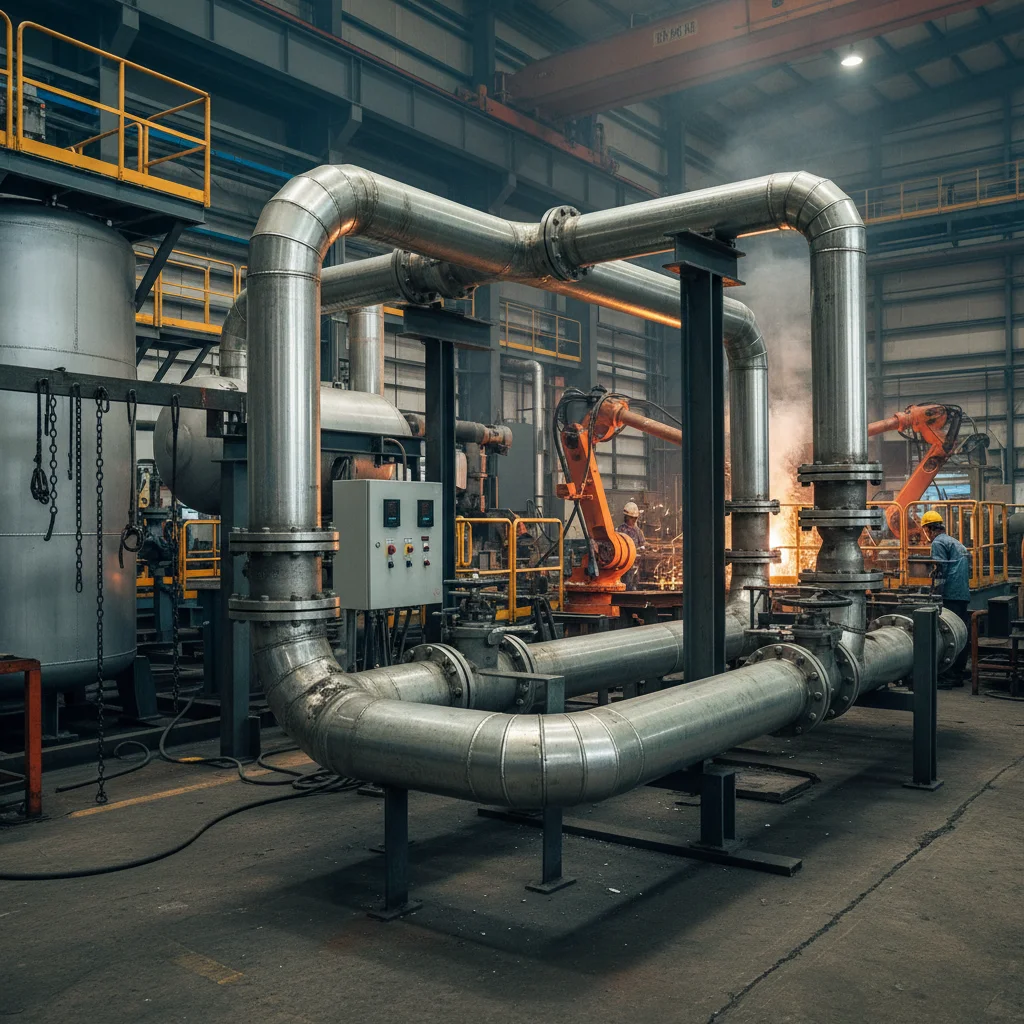
Titanium pipe fittings are critical components in various industries, prized for their exceptional corrosion resistance, high strength-to-weight ratio, and biocompatibility. These fittings connect sections of titanium piping and are essential for reliable fluid transfer in demanding environments. Whether you're operating in chemical processing, aerospace, or marine engineering, understanding the nuances of titanium pipe fittings is crucial for ensuring system integrity and longevity. This article explores their properties, applications, types, and considerations for selection.

The Unique Properties of Titanium
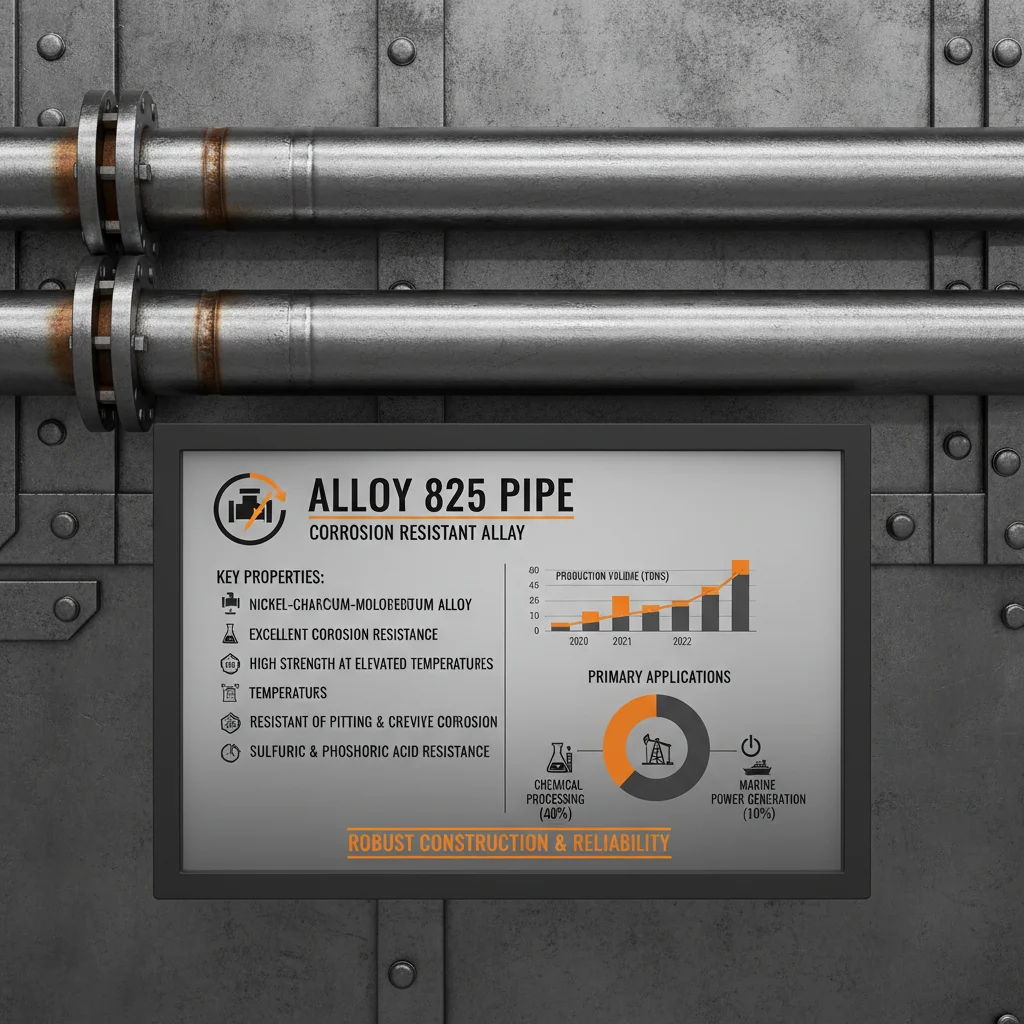
Titanium’s remarkable properties stem from its chemical composition and unique metallurgical characteristics. It boasts an exceptionally high strength-to-weight ratio – approximately the strength of steel but significantly lighter. This is a major advantage in applications where weight reduction is critical, such as aerospace. More importantly, titanium forms a passive oxide layer on its surface, providing outstanding resistance to corrosion by seawater, chlorine, and many other aggressive chemicals. This makes titanium pipe fittings ideal for harsh environments. Furthermore, titanium is non-toxic and biocompatible, making it suitable for medical and pharmaceutical applications.
Key Highlights: Titanium’s exceptional corrosion resistance, high strength-to-weight ratio, and biocompatibility make it a superior material for demanding piping applications.
Common Types of Titanium Pipe Fittings
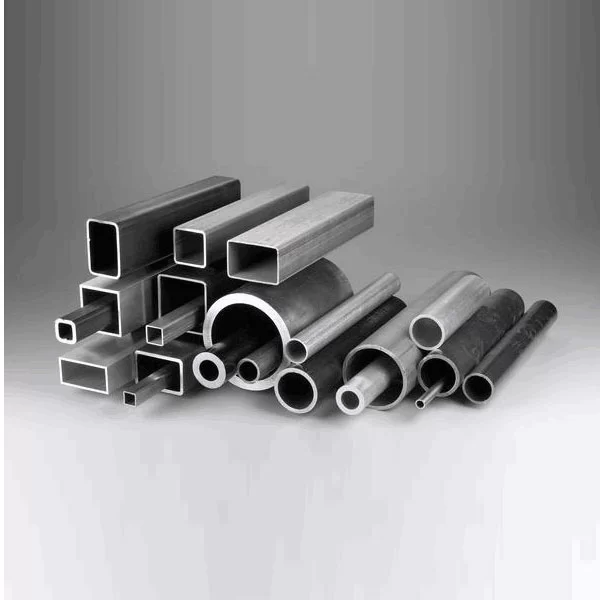
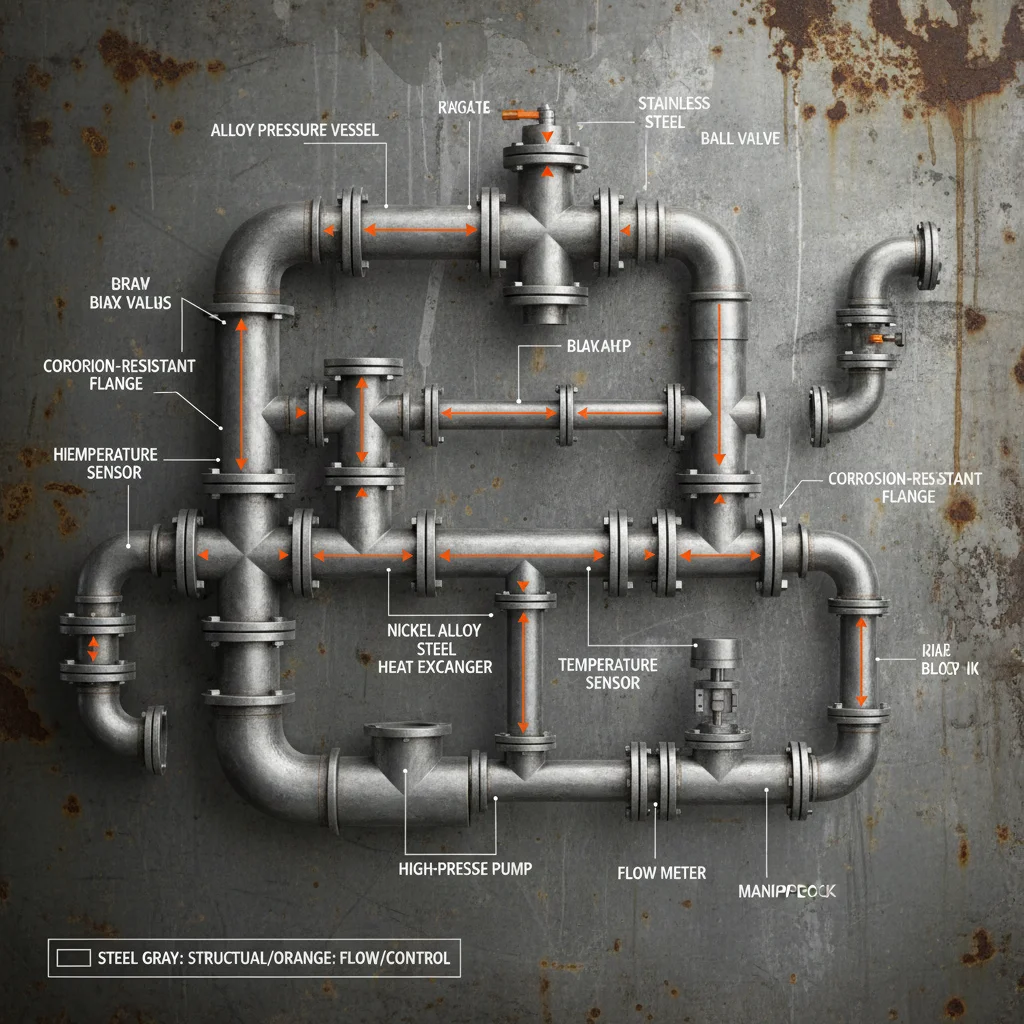
Titanium pipe fittings are available in a variety of configurations to meet diverse system requirements. The most common types include elbows, tees, reducers, couplings, and flanges. Elbows change the direction of flow, tees create branches in the piping system, reducers transition between different pipe sizes, and couplings connect straight pipe sections. Flanges provide a secure connection point for valves, pumps, and other equipment. Each type is manufactured to precise standards to ensure leak-proof performance and structural integrity. At Benkoo Metal, we offer a comprehensive selection of these fittings.
Titanium Fitting Types:
• Elbows (45°, 90°)
• Tees (Straight, Reducing)
• Reducers (Concentric, Eccentric)
• Couplings (Butt-Weld, Socket-Weld)
• Flanges (Weld Neck, Slip-On)
Titanium Pipe Fittings: A Comparison with Other Materials
When considering materials for pipe fittings, titanium often stacks up favorably against stainless steel, carbon steel, and other alloys. While stainless steel offers good corrosion resistance, it’s not as robust as titanium in highly corrosive environments. Carbon steel is susceptible to rust and corrosion and requires protective coatings. Titanium consistently outperforms these materials in terms of long-term durability and reduced maintenance costs. The initial cost of titanium is higher, but its extended lifespan and reduced risk of failure frequently result in lower total cost of ownership.
Applications of Titanium Pipe Fittings
The exceptional properties of titanium pipe fittings make them indispensable in numerous industries. In chemical processing, they handle highly corrosive acids and alkalis. The aerospace industry utilizes them for lightweight and durable fluid systems. Marine applications benefit from their resistance to seawater corrosion. Pharmaceutical and medical equipment rely on titanium’s biocompatibility. Power generation plants employ them in cooling water systems. Benkoo Metal serves these industries with high-quality titanium fittings.
Selecting the Right Titanium Pipe Fittings
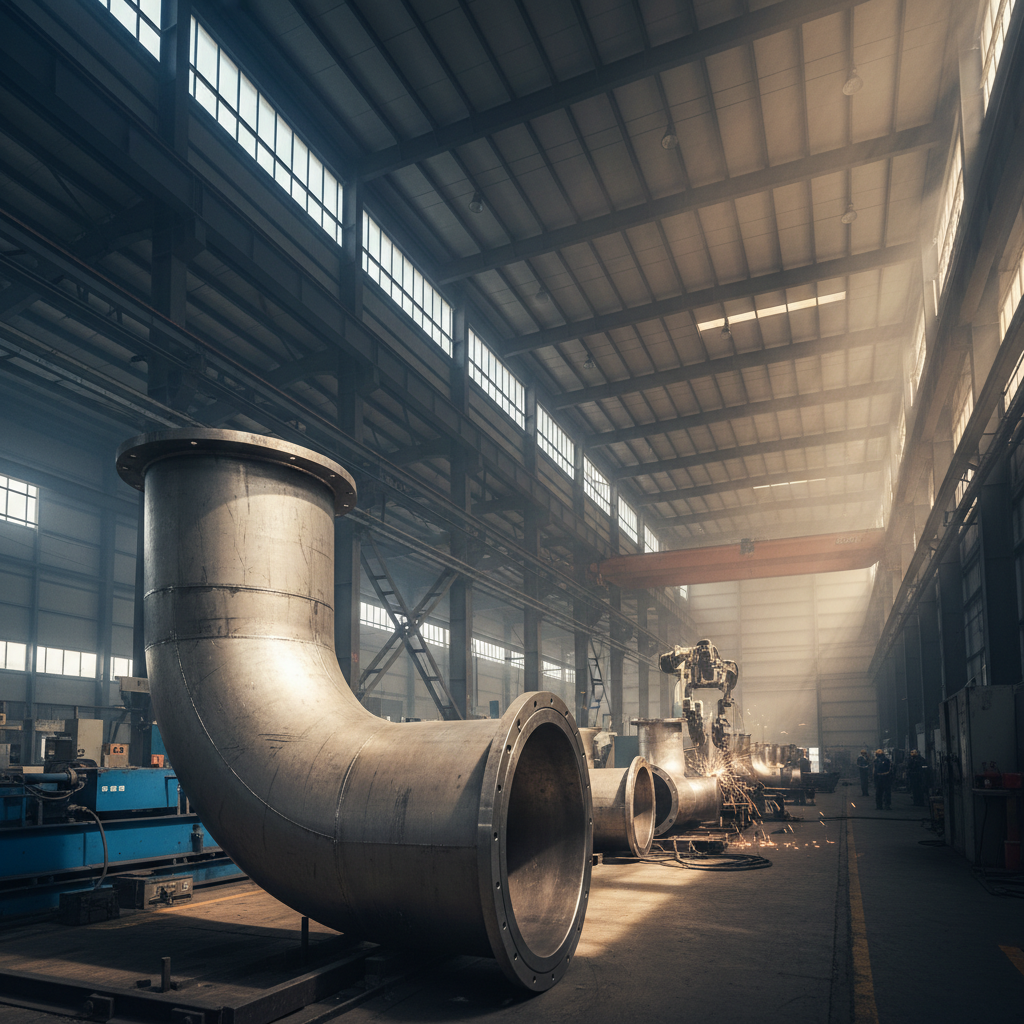
Choosing the correct titanium pipe fittings requires careful consideration of several factors. Fluid compatibility, temperature, pressure, and system requirements all play a role. Selecting the appropriate grade of titanium is crucial – commercially pure titanium grades and titanium alloys each offer specific advantages. Proper welding techniques are essential to maintain the material’s corrosion resistance and structural integrity. Consulting with experienced engineers and suppliers, such as Benkoo Metal, ensures optimal performance and longevity.
Conclusion: Invest in Durability with Titanium
Investing in titanium pipe fittings is a strategic decision that yields long-term benefits. Their unparalleled corrosion resistance, high strength, and biocompatibility make them the ideal choice for critical applications. By prioritizing quality and working with trusted suppliers like Benkoo Metal, you can ensure a reliable and efficient piping system that stands the test of time.
Frequently Asked Questions (FAQs)
What are the typical applications of titanium pipe fittings?
Titanium pipe fittings find extensive use in industries dealing with highly corrosive substances. These include chemical processing plants handling strong acids, seawater desalination facilities, oil and gas pipelines in harsh marine environments, and the aerospace industry where lightweight and corrosion-resistant materials are crucial. They are also commonly used in medical applications, power generation, and pulp and paper production. The versatility of titanium makes it a preferred choice for any system requiring reliable performance in demanding conditions.
How do I ensure proper welding of titanium fittings?
Welding titanium requires specialized techniques and a controlled environment to prevent contamination. It is crucial to use a dedicated titanium welding machine and appropriate filler metals. The weld area must be thoroughly cleaned and shielded from atmospheric oxygen to maintain corrosion resistance. A gas tungsten arc welding (GTAW) process is generally recommended. Proper shielding gas (usually argon) and precise control of welding parameters are essential. It is best to rely on certified welders experienced in titanium fabrication.
What is the difference between different grades of titanium used in pipe fittings?
Several grades of titanium are used in pipe fittings, each offering different properties. Commercially Pure (CP) titanium grades 1, 2, and 3 provide excellent corrosion resistance and formability. Grade 2 is the most widely used. Titanium alloys, such as Grade 5 (Ti-6Al-4V), offer higher strength and are ideal for applications requiring greater mechanical performance. The choice of grade depends on the specific application requirements, considering factors like corrosion resistance, strength, temperature, and pressure.


-20251219035019.webp "Titanium Round Bar")
-20251218093108.webp "Steel Plates")
-20251219054209.webp "Titanium Plate & Sheet")
-20251219064452.webp "Stainless Welded Steel Pipes")