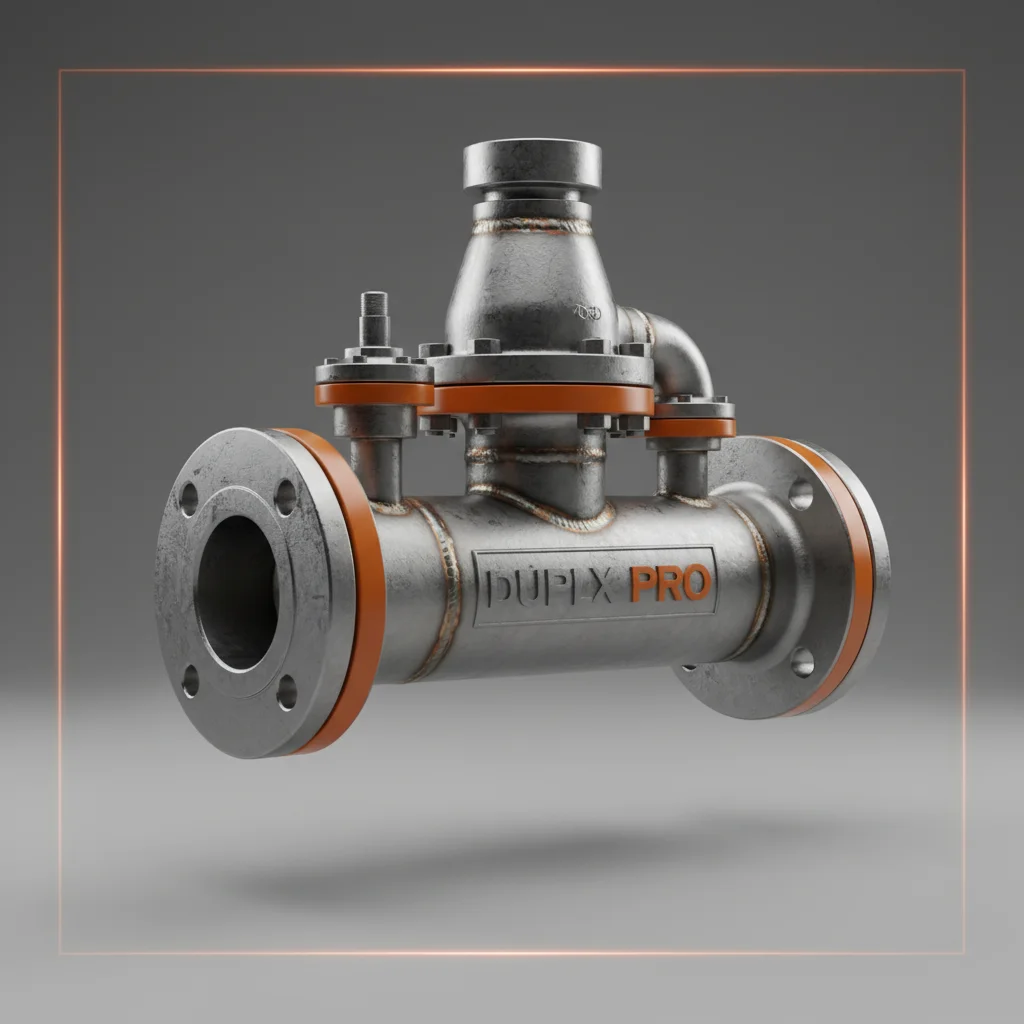
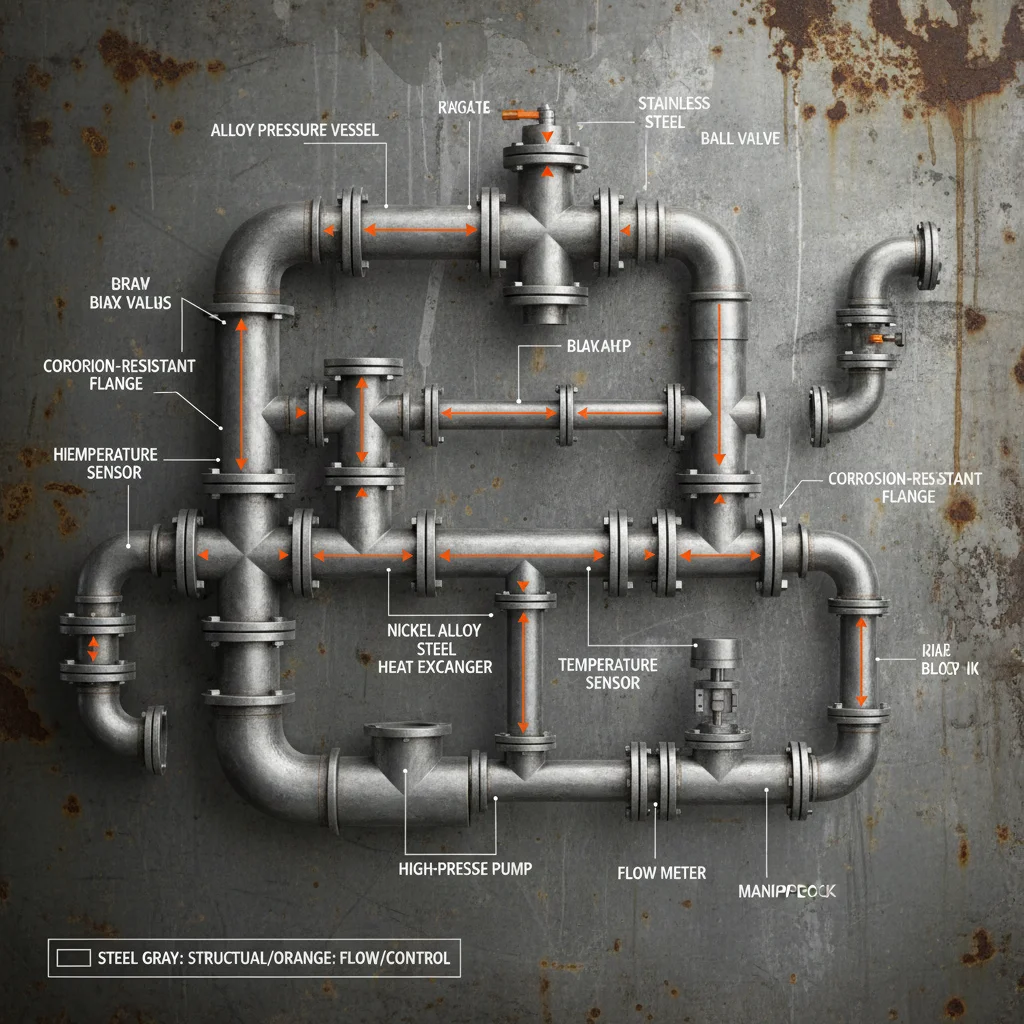
Stainless Nickel and Alloy Piping Products: A Comprehensive Guide
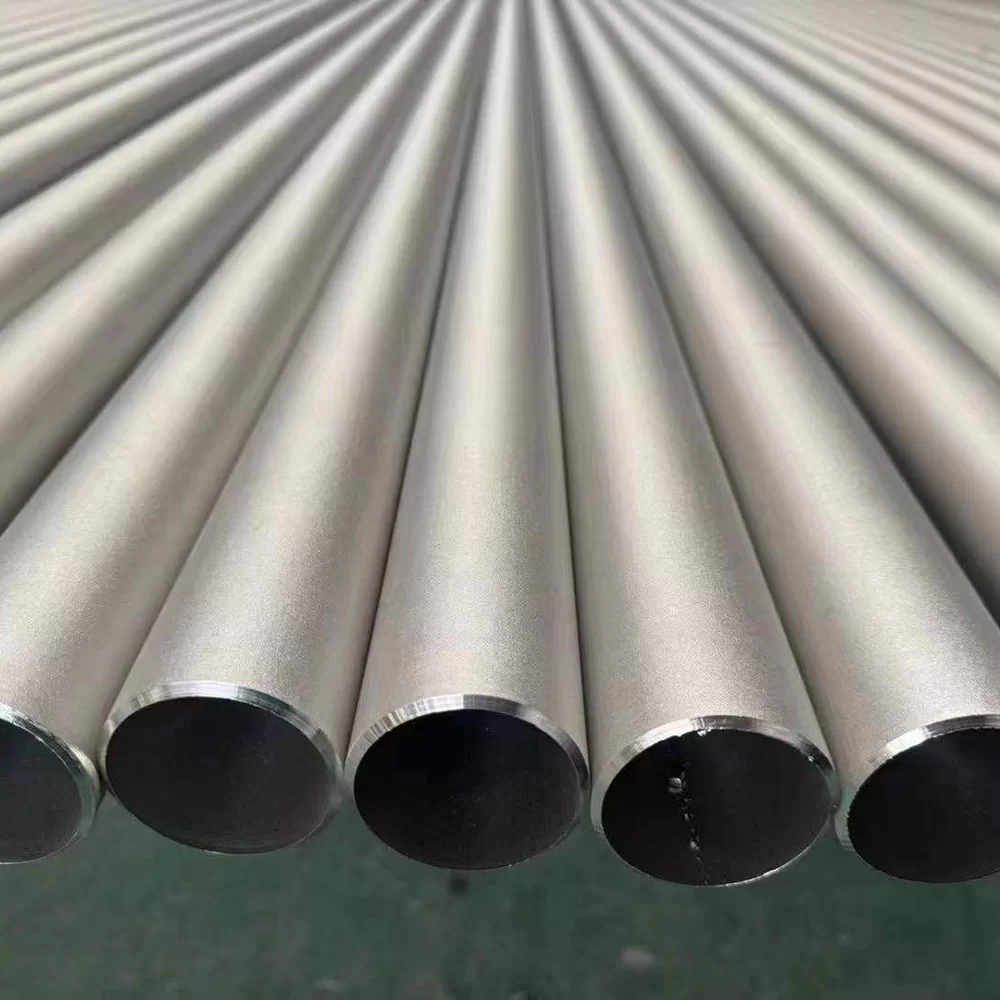
When it comes to industries demanding high corrosion resistance, temperature strength, and durability, stainless nickel and alloy piping products are essential. These specialized piping solutions are critical for applications ranging from chemical processing to oil and gas. At Benkoo Metal, we specialize in providing high-quality piping solutions tailored to your specific needs. This article delves into the key features, benefits, and considerations when selecting the right piping materials for your project. Ensuring the longevity and safety of your operations begins with choosing the correct materials.
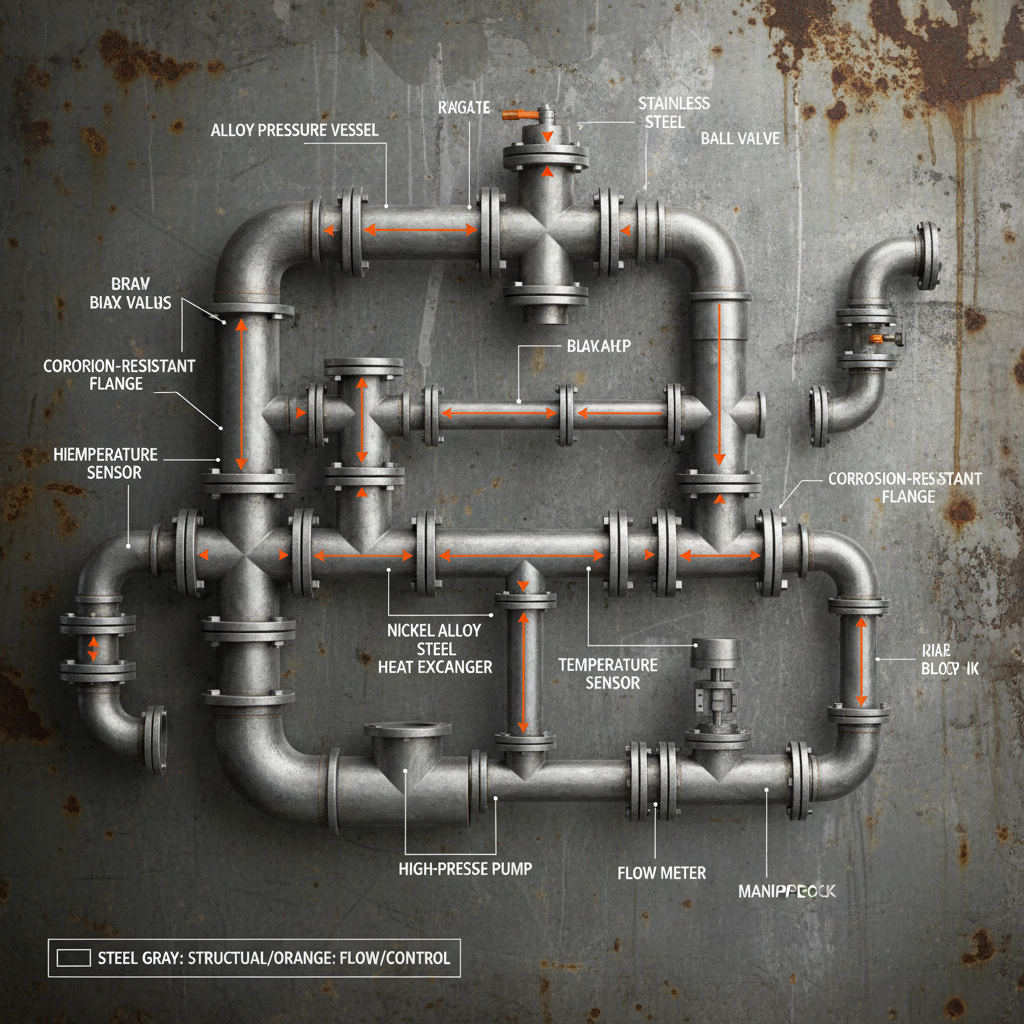
Understanding Stainless Steel Piping
Stainless steel piping is a popular choice due to its excellent corrosion resistance, strength, and relatively cost-effective nature. Different grades of stainless steel offer varying levels of performance. Austenitic stainless steels (like 304 and 316) are commonly used for their weldability and resistance to a broad range of corrosive agents. Ferritic and martensitic stainless steels offer increased strength but may have limited corrosion resistance. The selection of the appropriate stainless steel grade depends heavily on the specific application and the fluids being transported. Consider factors like chloride content, temperature, and pressure.
Key Benefits of Stainless Steel Piping: Excellent corrosion resistance, high strength, weldability, relatively low cost, and wide availability.
Nickel Alloy Piping: For Extreme Conditions
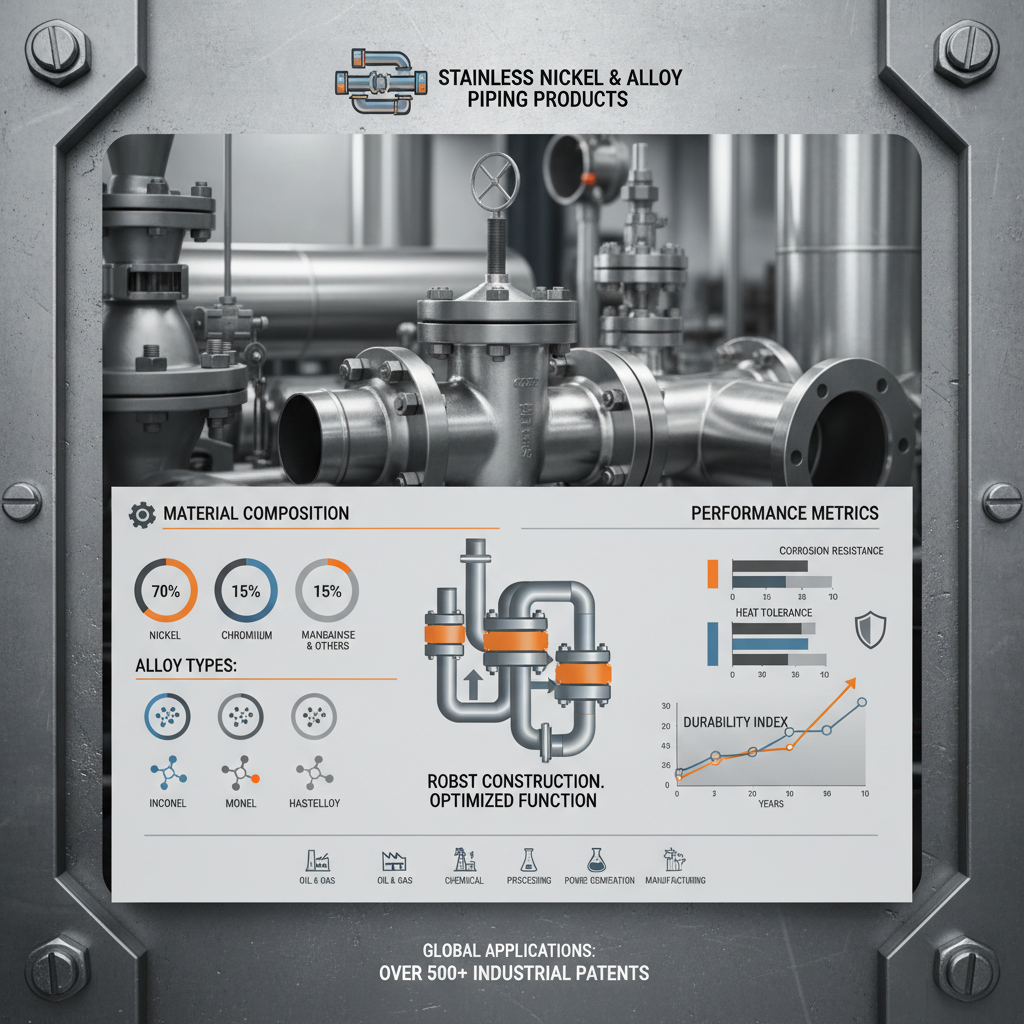
When stainless steel isn’t enough, nickel alloy piping steps in. These alloys excel in highly corrosive and high-temperature environments where stainless steel would quickly degrade. Alloys like Inconel, Hastelloy, and Monel offer exceptional resistance to acids, alkalis, and oxidizing agents. They’re commonly used in chemical processing, aerospace, and marine applications. While more expensive than stainless steel, the increased lifespan and reduced maintenance costs often justify the investment, especially in critical processes.
Nickel Alloy Advantages:
• Superior corrosion resistance in extreme environments
• High-temperature strength
• Excellent resistance to oxidation
• Suitable for highly corrosive fluids
Stainless Nickel and Alloy Piping Products: A Comparative Overview
Choosing between stainless steel, nickel alloys, and other alloy options can be complex. Here's a comparison to help you understand the key differences. Understanding these differences will enable you to select the most appropriate material for your specific application, ensuring both optimal performance and cost-effectiveness. Remember to consult with material specialists like those at Benkoo Metal for personalized guidance.
Applications Across Industries
These stainless nickel and alloy piping products find applications in diverse industries including: Chemical Processing (handling corrosive acids and alkalis), Oil & Gas (downhole tubing and pipeline systems), Pharmaceutical Manufacturing (high-purity fluid transfer), Power Generation (boiler piping and steam lines), and Aerospace (hydraulic systems and engine components). The specific demands of each industry dictate the appropriate material selection. Benkoo Metal provides tailored solutions to meet these unique requirements.
Product Specifications and Sizing
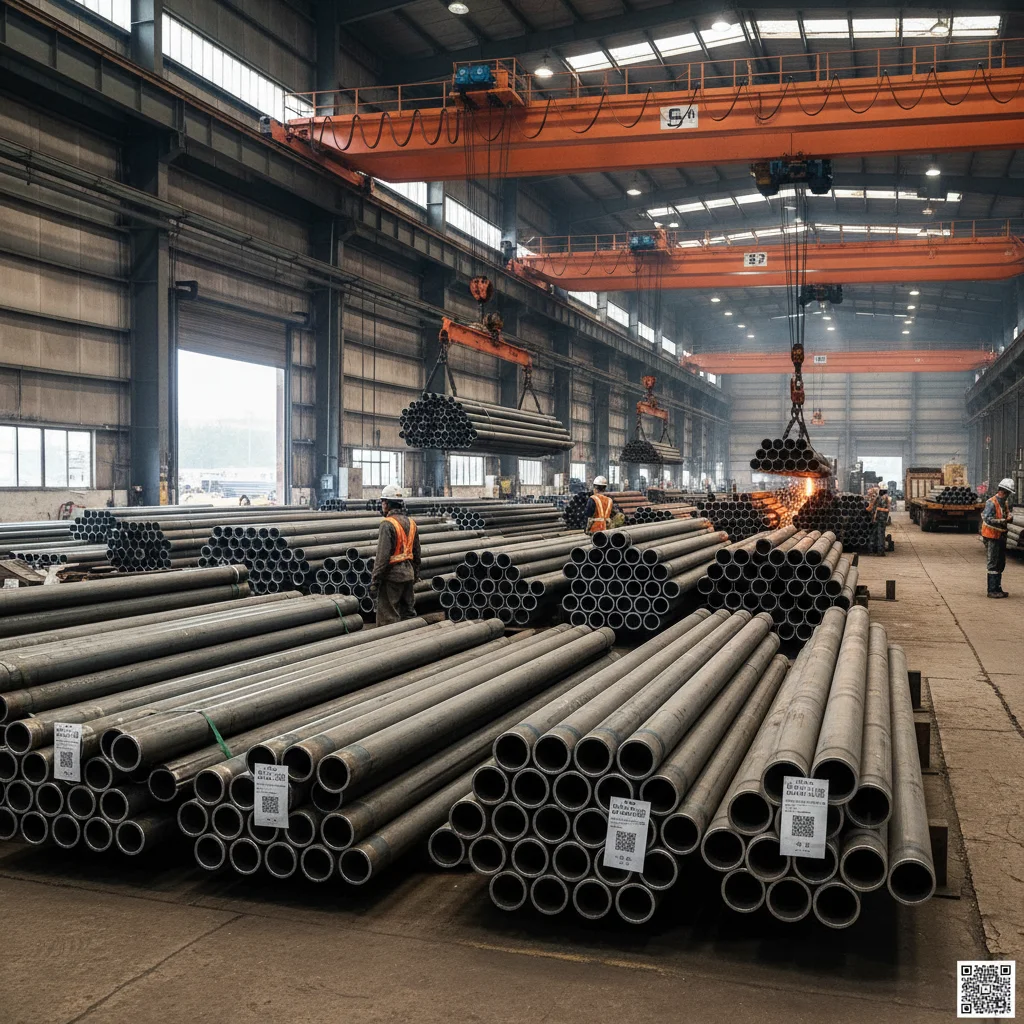
At Benkoo Metal, we offer a wide range of sizes, schedules, and fittings to meet your project needs. We provide seamless and welded pipes in various diameters and wall thicknesses. We adhere to industry standards such as ASTM, ASME, and EN to ensure quality and reliability. We are able to provide customized solutions based on your exact specifications.
Conclusion: Partner with Benkoo Metal for Your Piping Needs
Choosing the right stainless nickel and alloy piping products is crucial for the long-term reliability and safety of your operations. Benkoo Metal offers a comprehensive selection of high-quality materials, expert guidance, and customized solutions to meet your unique requirements. Contact us today to discuss your project and receive a quote.
Frequently Asked Questions (FAQs)
What is the difference between stainless steel 304 and 316?
While both 304 and 316 stainless steel offer excellent corrosion resistance, 316 contains molybdenum, which significantly enhances its resistance to chloride corrosion. This makes 316 a better choice for marine environments, chemical processing, and applications involving exposure to saltwater or de-icing salts. 304 is generally more cost-effective and suitable for less corrosive environments. The addition of molybdenum in 316 allows it to perform in more aggressive conditions, leading to a longer lifespan and reduced maintenance in those applications.
How do I determine the appropriate pipe schedule for my application?
Pipe schedule refers to the wall thickness of the pipe. A higher schedule number indicates a thicker wall, which provides greater strength and pressure-bearing capacity. Factors to consider when selecting a schedule include the operating pressure, temperature, and the fluid being transported. It's essential to consult engineering standards and calculations to ensure the selected schedule meets the required safety factors. Generally, higher pressures and temperatures require higher schedule numbers.
What are the benefits of using seamless pipes over welded pipes?
Seamless pipes are manufactured without a welded seam, resulting in greater uniformity and strength. They are generally preferred for high-pressure applications and critical services where the risk of weld failure must be minimized. Welded pipes, on the other hand, are often more cost-effective and available in a wider range of sizes. However, the weld seam is a potential point of weakness and requires careful inspection and quality control. The choice between seamless and welded pipes depends on the specific application requirements and budget constraints.
Can Benkoo Metal provide custom piping solutions?
Yes, Benkoo Metal specializes in providing custom piping solutions tailored to your specific needs. We can offer custom sizing, materials, fittings, and fabrication services. Our team of experienced engineers will work closely with you to understand your requirements and deliver a solution that meets your exact specifications. We are committed to providing high-quality, reliable piping products and services.


-20251219052202.webp "Titanium Seamless Pipes")
-20251219054209.webp "Titanium Plate & Sheet")
-20251217035818.webp "Precision Machining Services")