Understanding ASTM B338: Titanium Gr 2 & 7 Sheet, Plate & Strip
ASTM B338 is a widely recognized standard specifying requirements for seamless and welded titanium tubing. It defines the chemical, mechanical, and dimensional tolerances for titanium tubes used in various critical applications, including aerospace, chemical processing, and heat exchangers. Benko Metal specializes in supplying high-quality titanium materials, including those conforming to ASTM B338, to meet diverse industrial needs. Understanding this specification is crucial when selecting the right titanium tubing for your specific application. Proper material selection ensures longevity, performance, and safety.
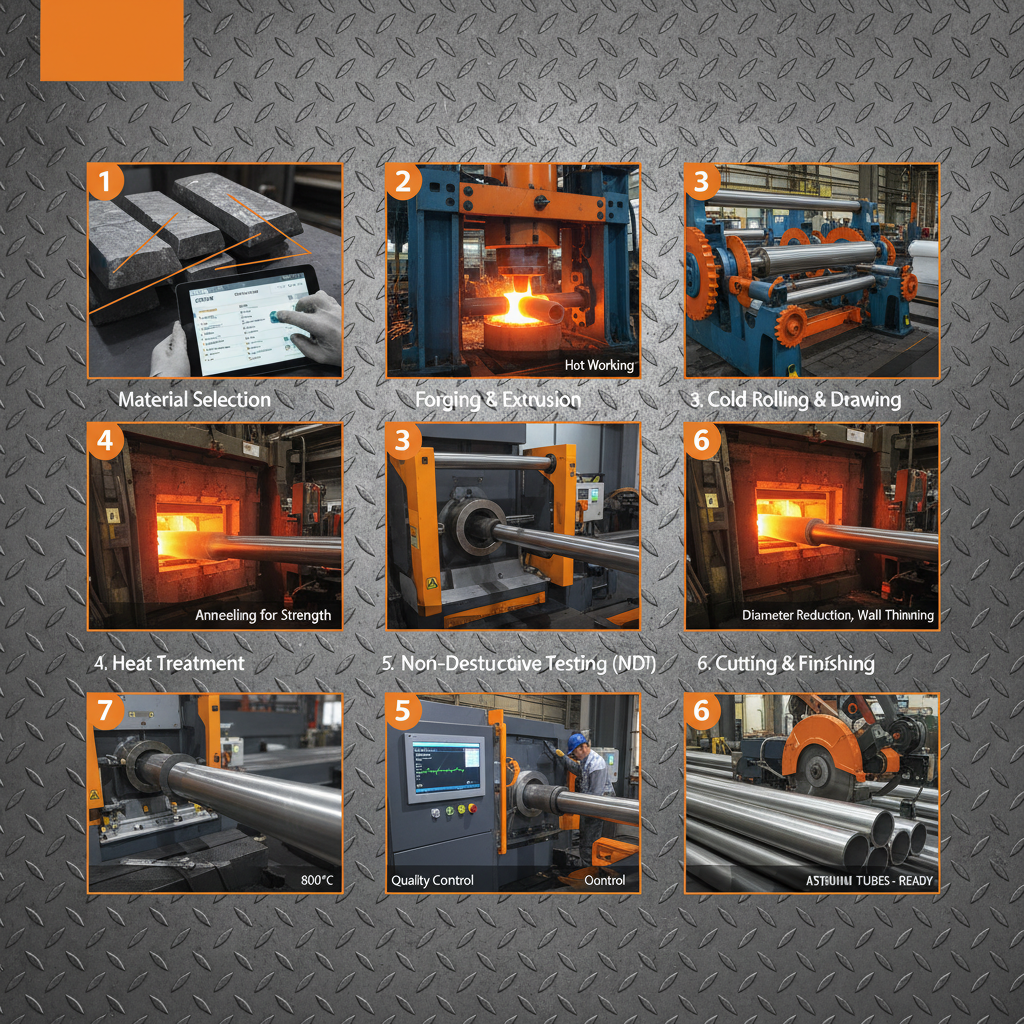
What is ASTM B338? A Detailed Overview
ASTM B338 covers titanium and titanium alloy seamless and welded tubes. The standard details various grades of titanium, with Grade 2 and Grade 7 being particularly common. It focuses on ensuring the tubes meet specific requirements for chemical composition, tensile strength, yield strength, elongation, and hydrostatic testing. This standard is vital for maintaining consistent quality and reliability in titanium tubing. The standard’s rigorous testing ensures the materials are suitable for harsh environments and demanding applications.
Key Highlights: ASTM B338 ensures consistent quality and reliability of titanium tubing through detailed requirements for chemical composition, mechanical properties, and testing procedures.
Titanium Grades Covered by ASTM B338
While ASTM B338 covers various titanium alloys, Grade 2 and Grade 7 are frequently specified. Grade 2 titanium offers excellent corrosion resistance and good strength-to-weight ratio. Grade 7, a titanium-palladium alloy, provides enhanced strength and even greater corrosion resistance, particularly in reducing acid environments. Benko Metal offers both Grade 2 and Grade 7 titanium tubing manufactured to meet ASTM B338 requirements.
Grade Comparison:
• Grade 2: Excellent corrosion resistance, good strength-to-weight ratio.
• Grade 7: Enhanced strength, superior corrosion resistance in reducing acids.
• Both grades comply with stringent ASTM B338 standards.
ASTM B338 Grade 2 vs. Grade 7 Titanium Tubing
Choosing between Grade 2 and Grade 7 titanium tubing under ASTM B338 depends on the specific application's requirements. Grade 7 is often preferred in environments with more aggressive corrosive agents or where higher strength is necessary. However, Grade 2 provides a cost-effective solution for many applications where corrosion resistance is paramount but extreme strength isn't a primary concern.
Applications of ASTM B338 Titanium Tubing
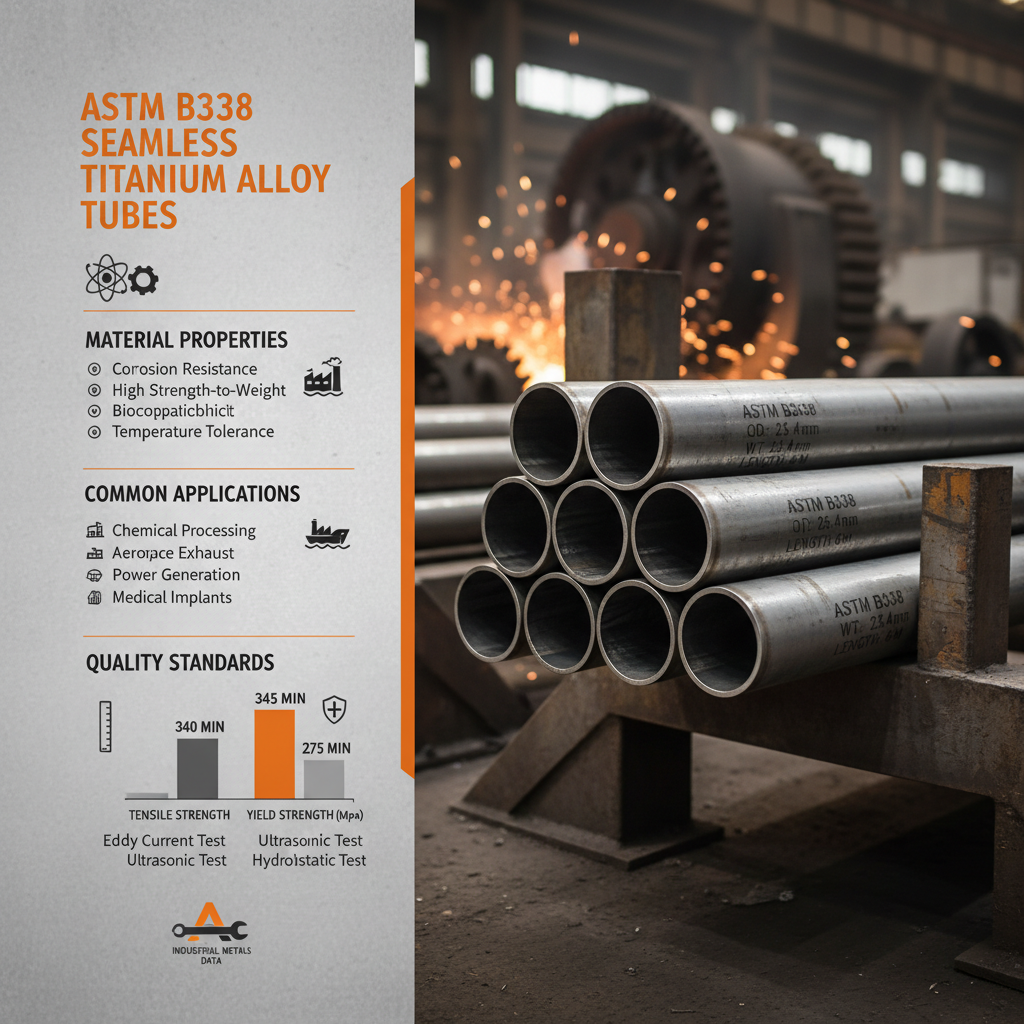
ASTM B338 titanium tubing finds application in numerous industries. Aerospace utilizes it for hydraulic systems due to its high strength-to-weight ratio. Chemical processing relies on its exceptional corrosion resistance. Heat exchangers benefit from titanium's excellent thermal conductivity. Medical implants often employ titanium alloys due to their biocompatibility. Benko Metal supplies titanium tubing to these and other sectors.
Ensuring Compliance with ASTM B338 at Benko Metal
At Benko Metal, we prioritize adherence to ASTM B338 standards. Our titanium tubing undergoes rigorous testing and inspection to guarantee compliance with all specified requirements. We provide complete material traceability and documentation, ensuring our customers receive high-quality, certified products. We are committed to delivering reliable and consistent titanium solutions.
Conclusion: Reliable Titanium Solutions with Benko Metal
Understanding ASTM B338 is vital when sourcing titanium tubing. Benko Metal is dedicated to providing superior quality titanium products, adhering to the highest industry standards. We are your trusted partner for all your titanium tubing needs.
Frequently Asked Questions (FAQs)
What is the importance of hydrostatic testing in ASTM B338?
Hydrostatic testing, as outlined in ASTM B338, is a critical non-destructive testing method used to verify the integrity of titanium tubing. It involves pressurizing the tubing with a hydraulic fluid to a specified level and holding it for a certain duration. This process ensures there are no leaks or defects in the tube's construction. Successful completion of the hydrostatic test confirms the tubing can safely withstand its intended operating pressure, safeguarding against potential failures and ensuring the reliability of the system. It's a crucial step in quality control for critical applications.
How does Benko Metal ensure traceability of its ASTM B338 titanium tubing?
Benko Metal maintains a comprehensive traceability system for all its titanium tubing. Each piece of tubing is assigned a unique identification number that links it to the original mill certificate, detailing the chemical composition, mechanical properties, and testing results. This ensures complete transparency and allows us to verify compliance with ASTM B338 standards at any point in the supply chain. Our traceability system provides our customers with confidence in the quality and authenticity of the materials they receive.
What are common applications for Grade 7 titanium tubing?
Grade 7 titanium tubing, with its superior strength and corrosion resistance, is widely used in demanding applications. These include chemical processing equipment exposed to corrosive fluids, aerospace hydraulic systems requiring high reliability, and heat exchangers operating in harsh environments. It’s also found in marine applications due to its excellent resistance to seawater corrosion. Because of its biocompatibility, Grade 7 is even used in some medical implant components.
Can Benko Metal provide custom sizes and lengths of ASTM B338 titanium tubing?
Yes, Benko Metal offers custom sizing and cutting services for ASTM B338 titanium tubing. We can tailor the tubing to meet your specific project requirements, providing precise lengths and finishes. Our experienced team can work with your specifications to ensure the tubing fits seamlessly into your application. We are equipped to handle both small-volume and large-scale custom orders.


-20251218091502.webp "Steel Solid Bars")
-20251219055937.webp "General Application Of Welded Pipes")
-20251219071741.webp "Nickel Alloy Welded Pipes")