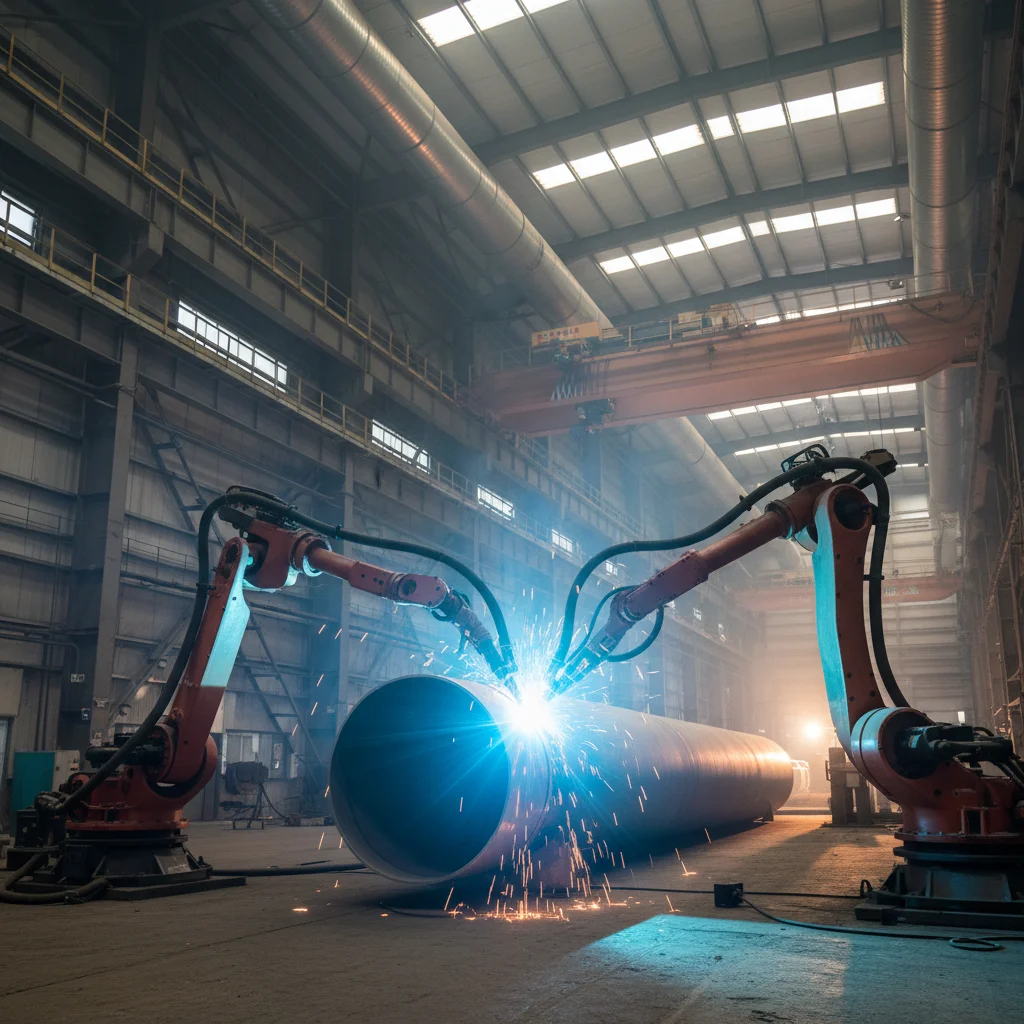
Titanium Tube Welding: A Comprehensive Guide
Titanium tube welding is a critical process across numerous industries, including aerospace, chemical processing, and medical technology. Due to titanium’s unique properties – exceptional strength-to-weight ratio, corrosion resistance, and biocompatibility – it demands specialized welding techniques. This article will provide an in-depth exploration of the methods, challenges, and best practices associated with titanium tube welding, equipping you with the knowledge to ensure high-quality, reliable welds. Proper welding is paramount to maximizing the benefits of this remarkable material.
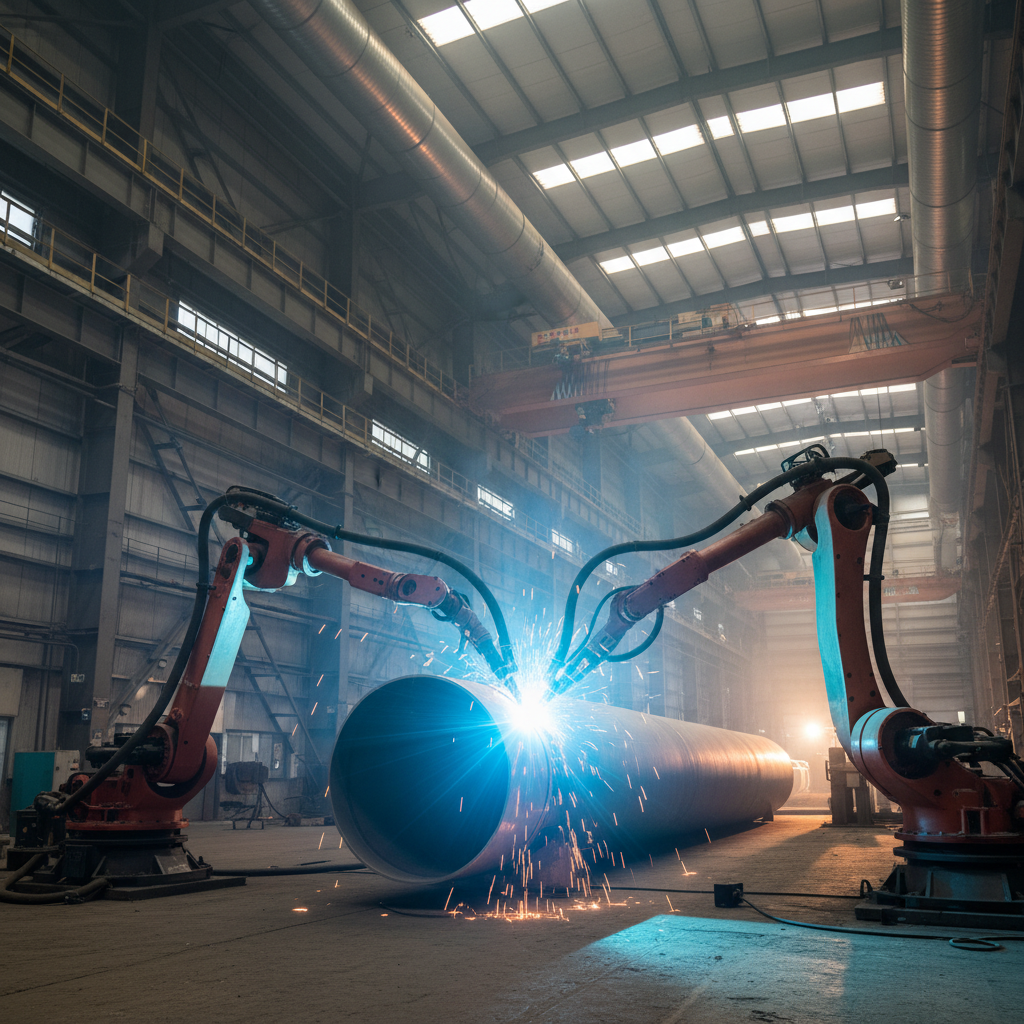
Understanding the Challenges of Titanium Tube Welding
Welding titanium presents several challenges that differ significantly from welding steels or aluminum. Titanium readily forms a tenacious oxide layer when exposed to air, which must be carefully removed to achieve a sound weld. This oxide layer has a very high melting point, hindering fusion. Additionally, titanium has a high thermal expansion coefficient and low thermal conductivity, leading to significant thermal stresses during the welding process. Finally, it's highly reactive at elevated temperatures, susceptible to contamination from atmospheric gases (hydrogen and oxygen). Benkoo Metal specializes in overcoming these challenges to deliver superior welding results.
Key Considerations: Managing the oxide layer, thermal stresses, and atmospheric contamination are critical for successful titanium tube welding.
Common Titanium Tube Welding Processes
Several welding processes are employed for titanium tubes, each with its advantages and disadvantages. Gas Tungsten Arc Welding (GTAW), also known as TIG welding, is the most common due to its precise control and ability to produce high-quality welds. Plasma Arc Welding (PAW) offers higher energy density and faster welding speeds, making it suitable for thicker materials. Electron Beam Welding (EBW) provides even greater precision and depth of penetration, but requires a vacuum environment. Shielded Metal Arc Welding (SMAW) can be used, but requires extremely skilled welders and careful control of shielding gas. Choosing the optimal process depends on factors such as tube diameter, wall thickness, and required weld quality.
Process Comparison:
• GTAW (TIG): High quality, precise control, versatile.
• PAW: Faster welding speed, suitable for thicker materials.
• EBW: Highest precision, requires vacuum environment.
• SMAW: Requires skilled welders, careful gas control.
Key Parameters for Successful Titanium Tube Welding
Achieving optimal weld quality requires precise control of several key parameters. Shielding gas purity is paramount – typically, argon with a minimum purity of 99.995% is used. Back purging with argon is essential to prevent oxidation on the inside of the tube. Welding current and voltage must be carefully adjusted based on material thickness and welding process. Travel speed significantly impacts heat input and weld penetration. Maintaining a clean welding environment free from contaminants is also crucial. Benkoo Metal's experienced technicians are well-versed in optimizing these parameters for each unique application.
Quality Control and Inspection
Rigorous quality control is essential for ensuring the integrity of titanium tube welds. Visual inspection for defects such as cracks, porosity, and incomplete fusion is the first step. Radiographic testing (X-ray) is commonly used to detect internal flaws. Dye penetrant inspection can identify surface cracks. Leak testing, using helium or other tracer gases, verifies the weld’s integrity under pressure. Benkoo Metal adheres to strict quality control protocols, including comprehensive documentation and traceability.
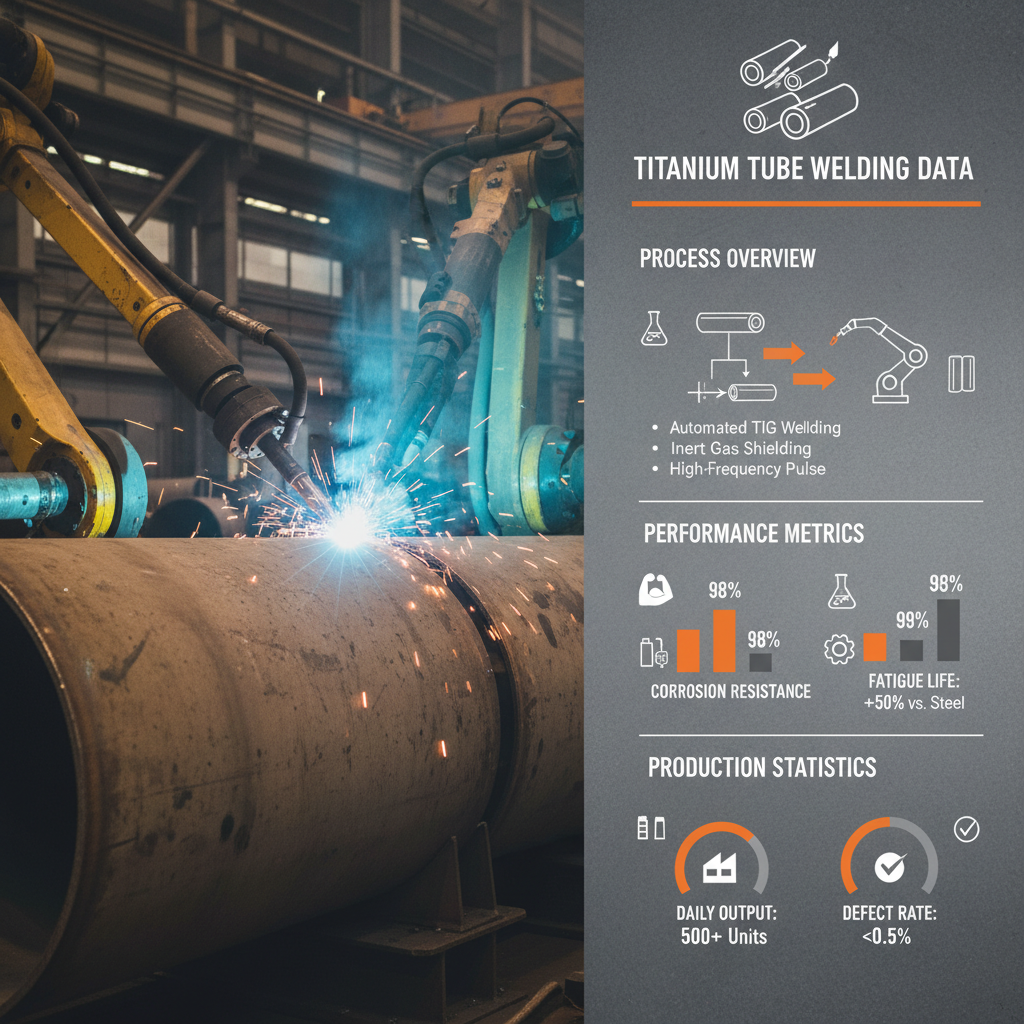
Applications of Titanium Tube Welding
Titanium tube welding plays a vital role in a diverse range of applications. In the aerospace industry, it’s used in aircraft engines and hydraulic systems due to its high strength-to-weight ratio and temperature resistance. The chemical processing industry relies on titanium’s exceptional corrosion resistance for handling aggressive chemicals. Medical implants, such as bone screws and plates, utilize titanium's biocompatibility. Furthermore, titanium tubes are found in heat exchangers, condensers, and desalination plants. The demand for high-quality titanium tube welds continues to grow across these critical sectors.
Conclusion: Ensuring Excellence in Titanium Tube Welding
Titanium tube welding is a complex process requiring specialized expertise, precise control, and stringent quality assurance. Benkoo Metal provides comprehensive titanium welding services, delivering reliable, high-quality solutions for a wide range of industries. Contact us today to discuss your specific requirements and experience the Benkoo Metal difference.
Frequently Asked Questions (FAQs)
What shielding gases are best for titanium welding?
Argon is the most commonly used shielding gas for titanium welding due to its inert nature and ability to effectively displace oxygen. Helium can also be used, particularly for thicker sections, as it provides greater heat input. Argon-helium mixtures can offer a balance of benefits. It is critical that the shielding gas is extremely pure (99.995% or higher) to prevent contamination of the weld. The flow rate of the shielding gas must be carefully adjusted based on the welding process and parameters.
How important is back purging when welding titanium tubes?
Back purging is absolutely crucial when welding titanium tubes. Titanium readily forms an oxide layer, and if the inside of the tube isn't properly shielded, oxidation will occur, leading to a weak and contaminated weld. Back purging involves flowing an inert gas (typically argon) through the inside of the tube during the welding process to displace oxygen. This ensures a clean, oxide-free weld on both the inside and outside surfaces.
What are the common defects found in titanium tube welds?
Common defects include porosity (gas bubbles trapped within the weld), cracks (often caused by thermal stresses), incomplete fusion (lack of proper bonding between the weld and the base metal), and oxidation (contamination from oxygen). Proper welding technique, shielding gas control, and thorough cleaning of the base metal are essential to minimize these defects. Non-destructive testing methods, such as radiographic inspection, are used to detect and evaluate these flaws.
What pre- and post-weld heat treatments are typically used for titanium?
Pre-welding heat treatment is not usually required for titanium, however some alloys may benefit from it to reduce residual stress. Post-weld heat treatment (PWHT) is often employed to relieve residual stresses and improve ductility. However, PWHT must be carefully controlled to avoid embrittlement. Vacuum annealing is the preferred method to prevent oxidation during heat treatment. The specific temperature and duration of the PWHT depend on the titanium alloy and the application requirements.


-20251219071741.webp "Nickel Alloy Welded Pipes")
-20251218091502.webp "Steel Solid Bars")
-20251219054209.webp "Titanium Plate & Sheet")