Tube Building: A Comprehensive Guide for International Trade
Tube building, or steel tube fabrication, is a critical component in countless industries worldwide, from construction and automotive to furniture and infrastructure. Understanding the processes, materials, and international trade aspects of tube building is essential for businesses looking to source or supply these products. This article provides a detailed overview of tube building, focusing on key considerations for international trade, quality control, and sourcing reliable suppliers like Benkoo Metal. We’ll cover everything from materials used to the challenges of global supply chains.

What is Tube Building?
Tube building encompasses a series of manufacturing processes used to create hollow structural sections from metal, primarily steel. These tubes are then fabricated into a variety of components, frames, and structures. Common processes include cutting, bending, welding, and finishing. Different types of tubes, such as round, square, and rectangular, are produced to meet diverse application needs. This process is vital for creating lightweight yet strong structures used in diverse industrial applications.
Key Processes: Cutting, bending, welding, surface finishing, dimensional accuracy checks.
Materials Commonly Used in Tube Building
The selection of materials is paramount in tube building, directly impacting the strength, durability, and cost of the final product. Carbon steel is the most widely used material due to its cost-effectiveness and versatility. Stainless steel offers superior corrosion resistance and is ideal for applications in harsh environments. Aluminum provides a lightweight alternative with good strength-to-weight ratio. Specialty alloys are also employed for demanding applications requiring high strength or temperature resistance.
Common Tube Building Materials:
• Carbon Steel: Versatile, cost-effective.
• Stainless Steel: Corrosion resistant, durable.
• Aluminum: Lightweight, good strength-to-weight ratio.
• Alloy Steels: High strength, specific applications.
Tube Building Processes: An Overview
Several distinct processes contribute to the complete tube building workflow. Initially, metal sheets or coils are formed into tubes through methods like roll forming or extrusion. Cutting techniques, such as laser cutting or sawing, are used to achieve desired lengths. Bending, often employing CNC bending machines, creates specific shapes and angles. Welding is crucial for joining sections and creating complex structures. Finally, surface finishing processes like galvanizing, powder coating, or painting provide corrosion protection and aesthetic appeal.
International Trade Considerations for Tube Building
Engaging in international trade of tube building products presents unique challenges. Understanding tariffs, import/export regulations, and shipping logistics is crucial. Quality control and compliance with international standards (like ISO certifications) are also vital. Finding reliable suppliers with proven track records, such as Benkoo Metal, can mitigate risks and ensure a smooth supply chain. Currency fluctuations and political stability in sourcing countries also require careful consideration.

Choosing a Reliable Tube Building Partner
Selecting the right tube building partner is paramount for success. Look for companies with: a strong commitment to quality control, demonstrated experience in your specific industry, competitive pricing, efficient communication, and a robust supply chain. Certifications like ISO 9001 demonstrate a commitment to quality management. Thorough vetting of potential suppliers is essential, including factory audits and reference checks. Benkoo Metal offers comprehensive tube building solutions with a focus on quality, reliability, and international trade expertise.
Conclusion: Navigating the World of Tube Building
The tube building industry is complex and dynamic, presenting both opportunities and challenges for businesses involved in international trade. By understanding the key processes, materials, trade considerations, and selecting a reliable partner like Benkoo Metal, companies can navigate this landscape successfully and achieve their sourcing or supply goals.
Frequently Asked Questions (FAQs)
What are the key quality control measures in tube building?
Rigorous quality control is essential throughout the tube building process. This includes dimensional checks using calipers and micrometers, visual inspections for defects like cracks or weld imperfections, material testing to verify composition and mechanical properties, and non-destructive testing methods like ultrasonic testing or radiographic inspection. Suppliers should provide material certifications and quality reports. Consistent adherence to ISO 9001 standards is a strong indicator of a robust quality management system.
What is the impact of tariffs on importing steel tubes?
Tariffs can significantly impact the cost of importing steel tubes. The specific tariff rates vary depending on the country of origin, the type of steel, and the importing country's trade agreements. Businesses need to carefully research and factor in these tariffs when calculating landed costs. Changes in trade policies can also lead to fluctuating tariff rates, so staying informed is crucial. Utilizing free trade zones or seeking exemptions may offer some tariff relief.
What are common surface finishing options for steel tubes?
Common surface finishing options include galvanizing (zinc coating for corrosion protection), powder coating (durable, colorful finish), painting (various colors and finishes), and polishing (for aesthetic appeal). The choice of finishing depends on the application environment and desired aesthetic. Galvanizing is ideal for outdoor applications, while powder coating offers excellent durability and scratch resistance.
How can I minimize shipping costs for tube building products?
Optimizing shipping costs requires careful planning. Consolidating shipments, negotiating rates with freight forwarders, and choosing the most efficient mode of transport (sea, air, or land) are all important strategies. Proper packaging to maximize container space and minimize damage is also crucial. Consider using Incoterms to clearly define responsibilities and costs between buyer and seller.


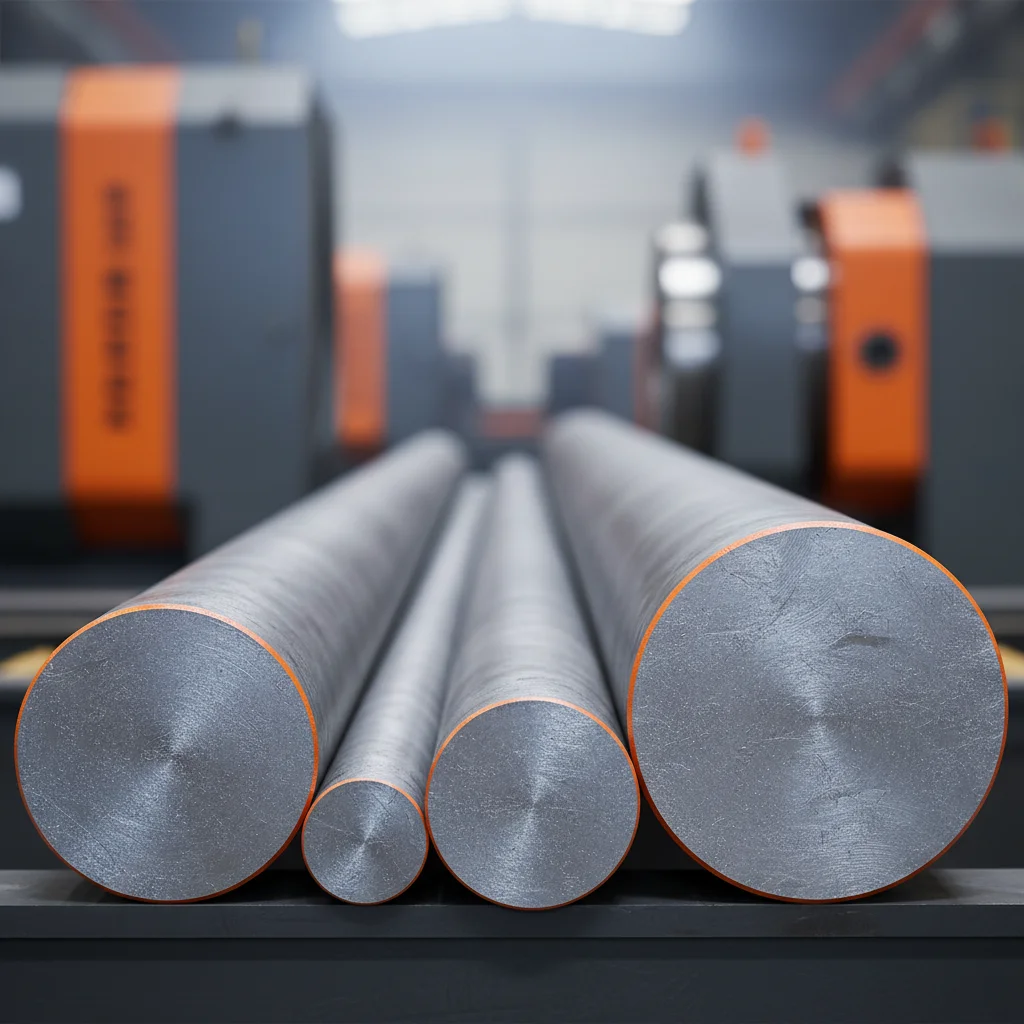
-20251218091502.webp "Steel Solid Bars")
-20251219035019.webp "Titanium Round Bar")
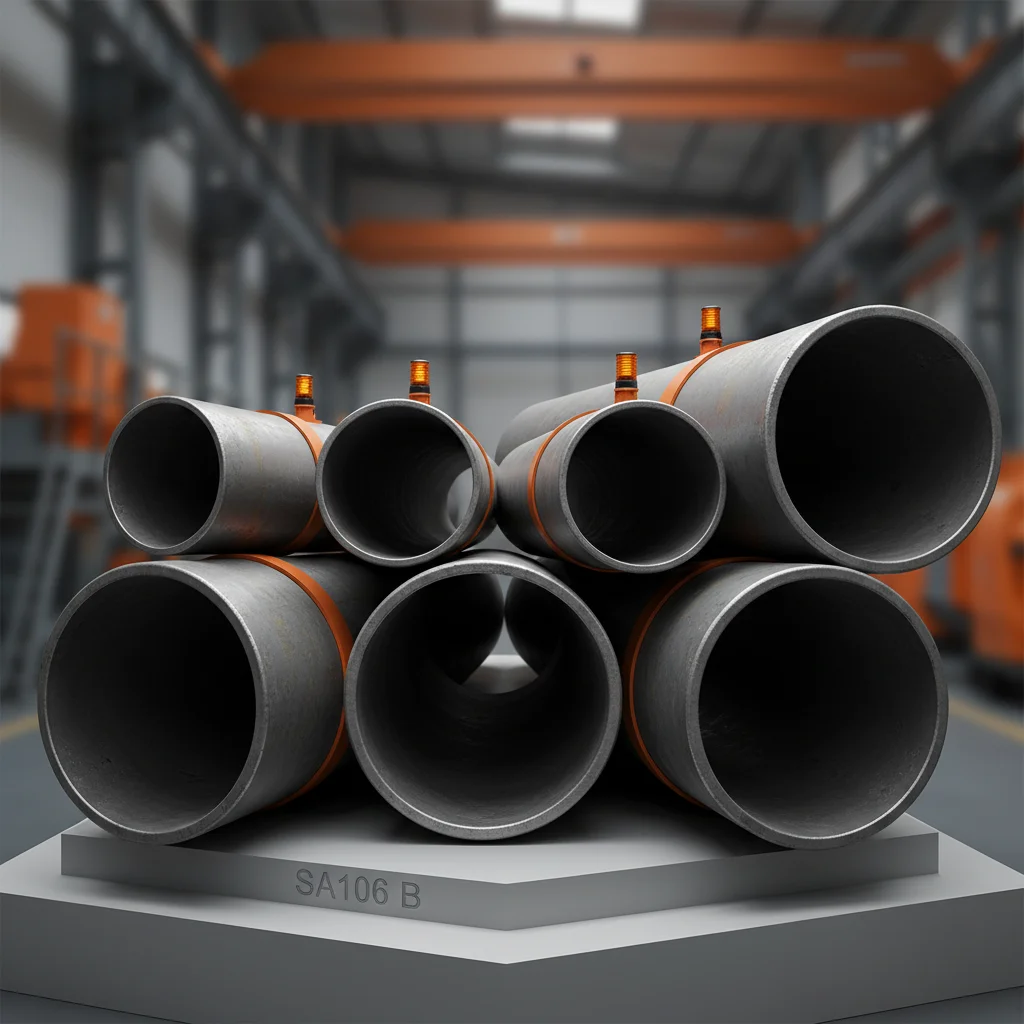
-20251219074922.webp "Carbon & Alloy Steel Welded Pipes")