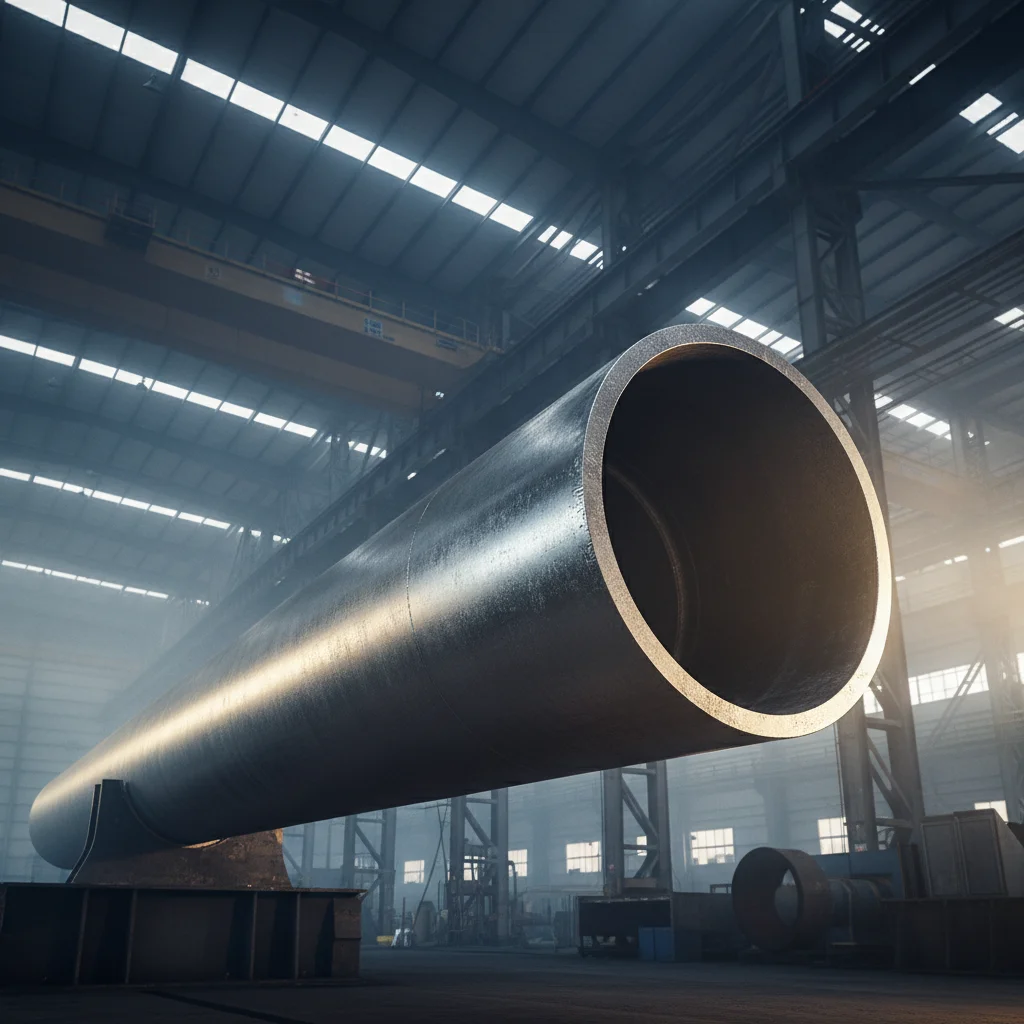
Understanding Alloy 825 Pipe: Properties, Applications, and Sourcing
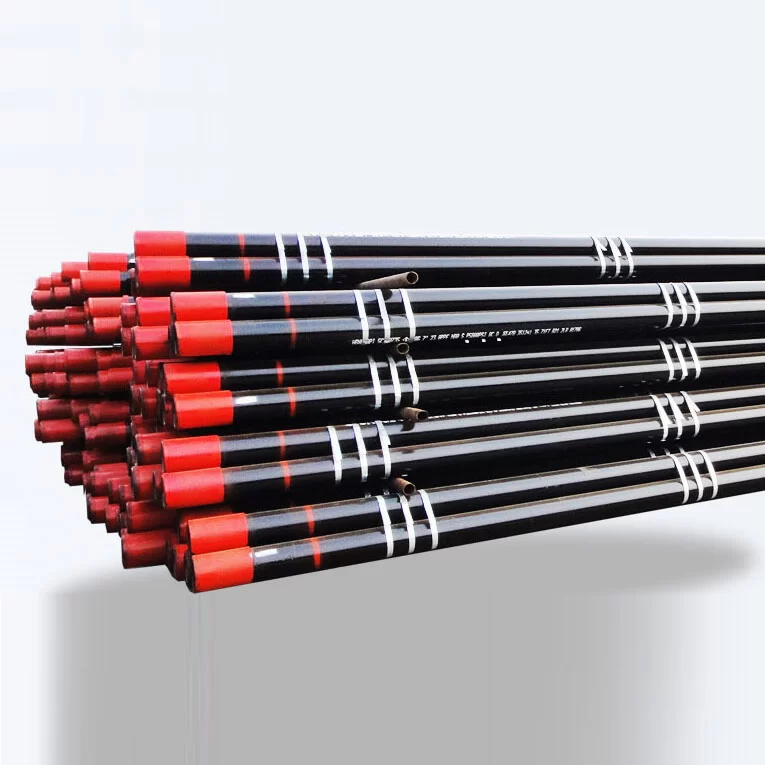
Alloy 825, also known as Incoloy 825, is a nickel-iron-chromium alloy renowned for its exceptional resistance to a wide range of corrosive environments. This makes alloy 825 pipe a critical component in numerous industries, including chemical processing, oil and gas, and marine engineering. This article will delve into the key properties of Alloy 825, its typical applications, and considerations for sourcing high-quality piping solutions. We’ll explore why this alloy stands out for its durability and reliability in demanding conditions.

Key Properties of Alloy 825
Alloy 825 boasts an impressive combination of mechanical strength and corrosion resistance. Its high nickel content provides excellent resistance to both reducing and oxidizing acids, making it suitable for handling a variety of aggressive chemicals. The addition of chromium enhances resistance to oxidation and scaling at elevated temperatures. Furthermore, Alloy 825 exhibits good weldability and fabricability, simplifying its integration into complex piping systems. Its resistance to pitting, crevice corrosion, and stress corrosion cracking makes it a preferred choice in harsh environments where other alloys would quickly fail.
Key Highlights: Exceptional corrosion resistance to a wide range of chemicals, high strength and weldability, and resistance to pitting and crevice corrosion.
Applications of Alloy 825 Pipe
Due to its exceptional properties, alloy 825 pipe finds extensive use in various industries. In the chemical processing industry, it's used for handling sulfuric acid, phosphoric acid, and hydrochloric acid. In the oil and gas sector, it’s vital for applications involving sour gas and seawater. The marine industry utilizes Alloy 825 for propeller shafts, seawater piping systems, and other components exposed to harsh saltwater environments. Additionally, it is used in waste treatment plants, pulp and paper mills, and the aerospace industry for specialized applications requiring high-temperature strength and corrosion resistance.
Key Application Areas:
• Chemical Processing (Sulfuric Acid, Hydrochloric Acid)
• Oil and Gas (Sour Gas, Seawater)
• Marine Engineering (Propeller Shafts, Seawater Piping)
• Waste Treatment
Alloy 825 Pipe: Specifications and Dimensions
Alloy 825 pipe is available in a wide range of sizes, schedules, and finishes to meet diverse application requirements. Common standards include ASTM B366 and ASME B36.10. Wall thickness is typically specified using a schedule number (e.g., Schedule 40, Schedule 80) which defines the pressure-bearing capacity of the pipe. The diameter ranges from small tubing to large-diameter pipes. It's crucial to verify that the purchased pipe adheres to relevant industry standards and possesses the necessary certifications for the intended application.
Choosing a Reliable Supplier of Alloy 825 Pipe
Sourcing high-quality alloy 825 pipe is paramount for ensuring the long-term reliability and safety of your systems. Look for suppliers with a proven track record of delivering certified materials and providing excellent customer support. Factors to consider include the supplier’s quality control procedures, their ability to meet specific dimensional requirements, and their adherence to industry standards.

Comparing Alloy 825 to Other Nickel Alloys
While Alloy 825 is exceptionally versatile, it's important to understand how it compares to other nickel alloys. Incoloy 800 offers good oxidation resistance but has lower strength than Alloy 825. Hastelloy C-276 provides superior resistance to a wider range of corrosive environments, but it’s significantly more expensive. Monel 400 offers good resistance to seawater but lacks the high-temperature strength of Alloy 825. The optimal alloy choice depends on the specific application and the severity of the corrosive environment.
Conclusion: A Reliable Solution for Corrosive Environments
Alloy 825 pipe is a critical material for industries facing challenging corrosive environments. Its combination of strength, corrosion resistance, and weldability make it a cost-effective and reliable solution. By selecting a reputable supplier like Benkoo Metal, you can ensure the quality and performance of your piping systems.
Frequently Asked Questions (FAQs)
What are the typical lead times for Alloy 825 pipe?
Lead times for Alloy 825 pipe can vary depending on the size, schedule, and quantity ordered, as well as the supplier’s current inventory. Standard sizes and schedules are often available for immediate shipment, while custom orders may require 4-8 weeks for fabrication and delivery. It’s always best to check with your supplier for an accurate lead time estimate based on your specific requirements. Factors such as material availability and manufacturing capacity can influence delivery schedules.
Is Alloy 825 suitable for high-temperature applications?
Yes, Alloy 825 exhibits good high-temperature strength and oxidation resistance, making it suitable for applications up to approximately 1500°F (816°C). However, its performance at higher temperatures may be limited. For extreme high-temperature environments, other nickel-based superalloys may be more appropriate. The alloy maintains its mechanical properties and corrosion resistance within its recommended temperature range, ensuring long-term reliability.
What certifications should I look for when purchasing Alloy 825 pipe?
When purchasing Alloy 825 pipe, look for certifications such as ASTM B366, ASME B36.10, and material test reports (MTRs) confirming the alloy’s chemical composition and mechanical properties. These certifications demonstrate that the pipe meets industry standards and provides traceability. ISO 9001 certification of the supplier is also a good indicator of their quality management system. Confirming these certifications ensures you’re receiving a product that meets your specifications and safety requirements.