
 08,Oct 2026
Factors Affecting Industrial Carbon Steel Pipe Price and Procurement
Procuring industrial piping requires a comprehensive understanding of how raw material fluctuations and technical specifications dictate the final carbon steel pipe price . In the B2B sector, cost is rarely a static figure but rather a variable result of alloying elements, manufacturing tolerances, and international trade conditions. This guide examines the structural components of steel pricing to help procurement managers optimize their budgets. For critical industries such as Oil Gas, Marine, and Power Generation, the financial investment in piping systems is tied directly to the materials ability to withstand extreme pressure and corrosive environments.
 05,Oct 2026
Top Carbon Steel Pipe Manufacturers and Specialty Alloy Solutions
When specifying piping systems for high-purity environments or aggressive chemical processing, the margin for material failure is virtually zero. While standard carbon steel is a staple in general industry, specialized sectors like semiconductor fabrication require a sophisticated spectrum of alloys to mitigate ionic contamination and resist extreme corrosion. Selecting a partner among carbon steel pipe manufacturers who can also pivot to high-performance nickel alloys and precision stainless steels is critical for maintaining process integrity. BENKOO METAL bridges this gap by combining large-scale distribution capabilities with deep technical expertise in metallurgy.
 01,Oct 2026
Top Guide to Selecting Reliable 316 ss tubing suppliers
Selecting the appropriate piping material for corrosive environments is a critical engineering decision that impacts the operational lifespan and safety of industrial systems. For projects requiring high resistance to chlorides and mineral acids, identifying reliable 316 ss tubing suppliers ensures that the materials delivered meet the stringent chemical and mechanical thresholds required for hazardous service. This article analyzes the technical requirements of austenitic stainless steels and the criteria for professional procurement. In sectors such as oil and gas, chemical processing, and marine engineering, the failure of a single tubing component can lead to catastrophic leaks or systemic shutdowns.
 28,Sep 2026
Factors Influencing 316 Stainless Steel Pipe Price and Quality
Procuring high-performance piping for industrial applications requires a deep understanding of how material specifications intersect with market costs. For engineers and procurement officers, analyzing the 316 stainless steel pipe price is not merely about the current quote, but about understanding the value drivers behind the alloys chemical composition and the logistical constraints of the global steel market. In critical sectors such as oil and gas, chemical processing, and marine engineering, the cost of material is often secondary to the cost of failure. The transition from standard austenitic steels to specialized corrosion-resistant alloys CRAs involves a complex trade-off between initial expenditure
 21,Sep 2026
High Quality Stainless Nickel and Alloy Piping Products Guide
Selecting high-performance seamless tubing is critical for systems where thermal stress and internal pressure define the operational lifespan of the equipment. For engineers in the energy and chemical sectors, the challenge lies in balancing material integrity with precise dimensional tolerances to prevent catastrophic failure in heat exchangers or boiler arrays. BENKOO METAL addresses these needs by providing a specialized inventory of nickel alloys and stainless steel piping, ensuring that critical componentsfrom superheaters to pressure vessel nozzlesmaintain structural stability under extreme conditions. By focusing on seamless construction, these materials eliminate the risks associated with longitudinal welds, providing a uniform structure essential for high-pressure containment.
 17,Sep 2026
Guide to Industrial Stainless and Nickel Alloy Piping Products
The selection of high-performance piping materials is a critical engineering decision in sectors where fluid transport involves extreme temperatures, high pressures, or corrosive chemical agents. Specifically, stainless and nickel alloy piping products serve as the structural backbone for infrastructure in oil and gas transportation, petrochemical refining, and nuclear power generation. These materials are engineered to prevent catastrophic failure by balancing mechanical strength with chemical inertness. In the context of modern industrial plants, the challenge lies in matching the specific alloy chemistry to the operational environment. For instance, chloride-induced stress corrosion cracking in marine offshore platforms requires a different metallurgical approach


 Premium Industrial Metal Plates China Suppliers High Performance Steel Factory
BENKOO METAL is a leading China factory and suppliers of premium stainless steel, alloy steel, and nickel alloy plates. Our high-specification metal plates provide superior corrosion resistance and durability for the oil, gas, and chemical industries worldwide.
 High Performance Austenitic Stainless Steel Seamless Pipes Factory Suppliers in China
BENKOO METAL is a leading China factory and premier global supplier of high-performance stainless steel seamless pipes. Specializing in austenitic and advanced grades, we provide reliable piping solutions that meet strict international standards for demanding industrial applications worldwide.
 Premium Nickel Alloy Welded Pipes China Factory | Top CRA Piping Suppliers
BENKOO METAL is a premier China factory and global suppliers of high-performance nickel alloy welded pipes. Our CRA solutions provide extreme corrosion and heat resistance for Oil & Gas and Chemical sectors where standard steel fails.
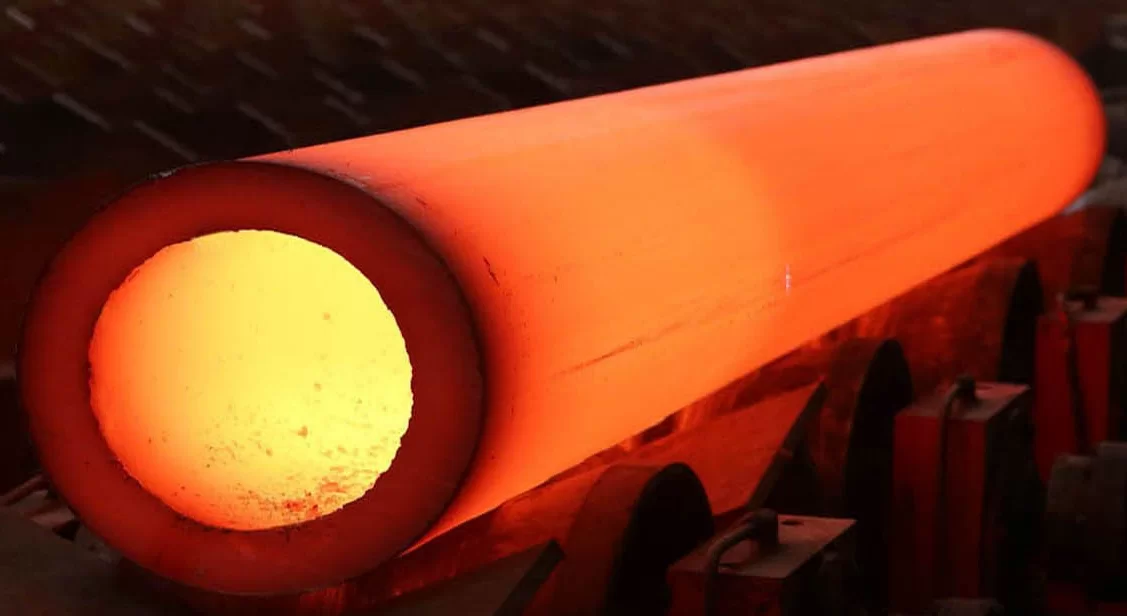 Nickel Alloy Pipes
BENKOO METAL supplies a comprehensive range of nickel alloy pipes to meet diverse industrial demands.
Our product line includes UNS N07718, UNS N09925, UNS N06625, UNS N08825, UNS N08028, Monel® 400, and Hastelloy® C‑276, among others.
We also support custom manufacturing processes—such as hot extrusion and hot piercing—tailored to your specific project requirements.
 General Application Of Welded Pipes
BENKOO METAL is a premier supplier of high-integrity welded austenitic stainless steel pipes, purpose-built for critical applications in the Energy, Power Generation, and Marine & Offshore sectors. Our products deliver an unmatched combination of superior corrosion resistance, structural reliability, and lifecycle cost-efficiency. Manufactured in compliance with the strictest global standards, BENKOO METAL pipes are the specified choice for seawater cooling systems, Flue Gas Desulfurization (FGD) plants, offshore platform piping, and chemical process lines. We offer an extensive range of grades and sizes, supported by complete certification and expert technical guidance.


