In the complex landscape of industrial piping and structural engineering, selecting the right grade of steel is paramount for safety and longevity. Among the most recognized standards, a53 gr b represents a critical benchmark for carbon steel pipes used in a variety of mechanical and structural applications globally. Understanding the metallurgical properties of this grade allows engineers to optimize the strength-to-weight ratio of their projects while ensuring compliance with international safety codes.
The global demand for high-quality seamless and welded tubes continues to rise as infrastructure projects in emerging economies expand. The versatility of materials like a53 gr b ensures that they can be integrated into diverse systems, from high-pressure fluid transport to heavy-duty architectural frameworks. As industries push toward greater efficiency, the reliability of the underlying "skeleton"—the piping and tubing—becomes the primary determinant of a structure's overall lifecycle.
BENKOO METAL specializes in providing high-performance seamless tubes that align with these rigorous industry demands. By focusing on metallurgical consistency and dimensional accuracy, we ensure that every piece of a53 gr b compatible tubing meets the exact tolerances required for modern precision machining. Whether for hydraulic cylinders or bridge railings, the right material choice is the foundation of engineering excellence.

The Global Industrial Significance of a53 gr b
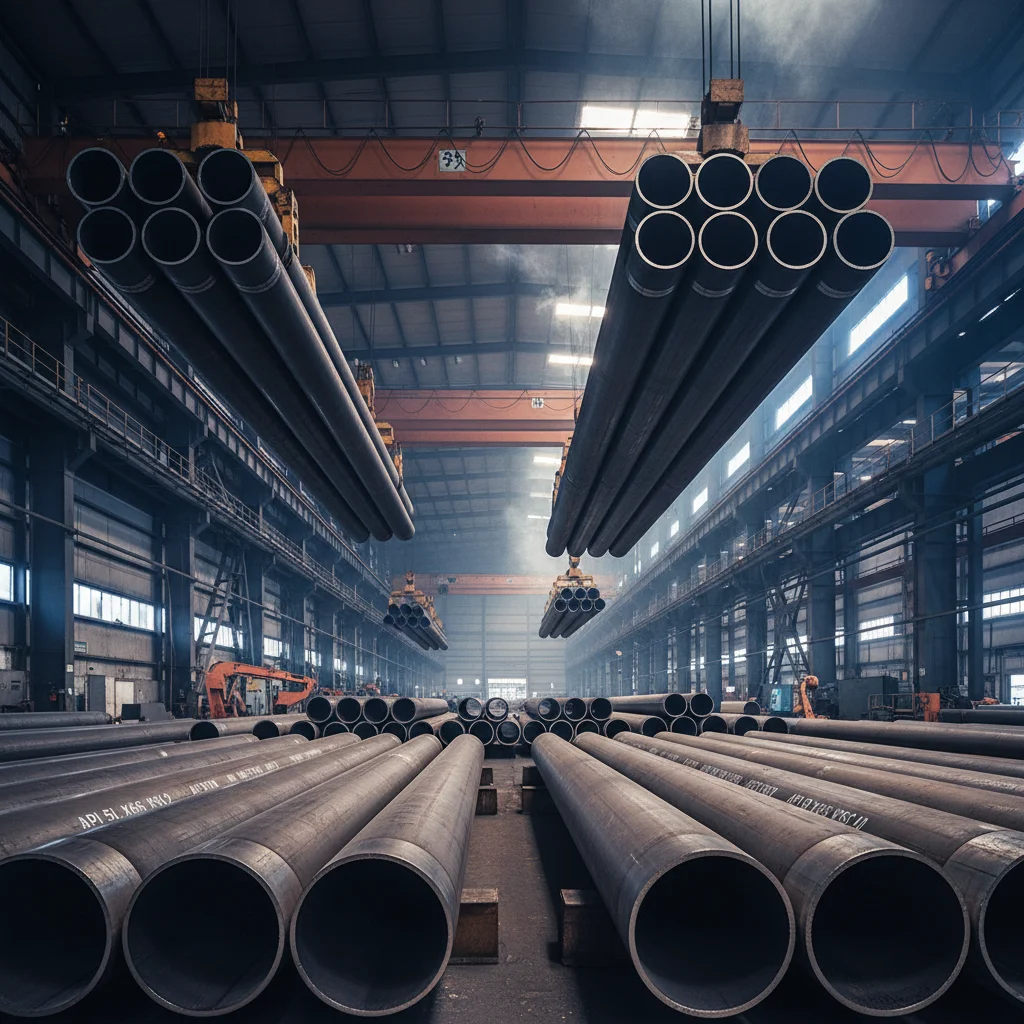
The global industrial landscape relies heavily on standardized materials to ensure interoperability and safety across borders. The a53 gr b standard serves as a cornerstone for the transmission of steam, water, and gas, providing a reliable balance of strength and weldability. In regions undergoing rapid urbanization, such as Southeast Asia and Africa, the adoption of these standards facilitates the quick deployment of critical infrastructure.
Beyond simple transport, the structural integrity offered by a53 gr b is essential for maintaining safety in high-stress environments. From the skeletal frames of industrial warehouses to the intricate piping of power plants, the consistency of this material grade minimizes the risk of catastrophic failure. By adhering to strict ASTM guidelines, manufacturers can guarantee that the steel will perform predictably under varying thermal and mechanical loads.
Technical Definition and Material Composition of a53 gr b
Technically, a53 gr b refers to a grade of carbon steel pipe specifically engineered for medium and high-pressure applications. It is characterized by its ability to be produced in both seamless and welded forms, though seamless versions are preferred for high-pressure environments due to the absence of a longitudinal seam. The "Grade B" designation signifies a higher tensile and yield strength compared to Grade A, making it suitable for more demanding structural loads.
The chemistry of a53 gr b is carefully controlled to optimize its mechanical properties. By managing the carbon and manganese content, the material achieves an ideal balance between hardness and ductility. This ensures that the pipe can be bent, threaded, or welded without losing its structural integrity, which is a critical requirement for complex piping networks where precision fitting is mandatory.
In the context of modern industry, this material represents a bridge between basic structural steel and high-alloy specialty steels. While it is not intended for highly corrosive environments without additional coatings, its robust nature makes it the go-to choice for general-purpose industrial piping. This ubiquity simplifies the supply chain, allowing project managers to source compatible materials from global vendors like BENKOO METAL.
Core Factors Driving the Performance of a53 gr b
One of the primary drivers of performance for a53 gr b is its exceptional weldability. In large-scale construction, the ability to join sections of pipe efficiently and securely is vital. Because of its carbon composition, this grade allows for high-quality welds that maintain the strength of the base metal, reducing the likelihood of leaks or structural breaks at the joints.
Durability and load-bearing capacity are also central to the utility of a53 gr b. Whether used as a structural column or a pressure vessel component, the material exhibits a consistent yield strength that prevents permanent deformation under specified limits. This reliability is why it is frequently specified in building frameworks and space trusses.
Finally, cost-efficiency plays a significant role in the widespread adoption of a53 gr b. It provides a professional-grade solution that does not require the extreme expense of stainless steel or titanium for non-corrosive applications. This allows engineers to allocate budgets more effectively without compromising on the safety or stability of the overall project.
Comparative Analysis of a53 gr b Application Efficiency
When evaluating the efficiency of a53 gr b, it is helpful to compare its performance across different manufacturing methods. Seamless versions offer superior pressure resistance and are ideal for critical mechanical parts, whereas welded versions provide a cost-effective alternative for low-pressure fluid transport and general structural supports.
The choice between these methods depends on the specific requirements of the application, such as the operating temperature and the internal pressure of the medium being transported. By analyzing the performance ratings, we can see how different variations of a53 gr b meet diverse industrial needs.
Performance Metrics of a53 gr b Variations
Real-World Global Applications of a53 gr b
In the realm of mechanical manufacturing, a53 gr b is frequently employed in the creation of hydraulic and pneumatic cylinders. Its ability to withstand internal pressure while maintaining tight dimensional tolerances makes it an ideal candidate for precision shafts and drive axles. In automotive transportation, these tubes are found in chassis components and shock absorber housings, where they contribute directly to vehicle safety and durability.
Beyond machinery, the construction sector utilizes a53 gr b for building frameworks, bridge railings, and scaffolding systems. In remote industrial zones or post-disaster relief operations, the ease of welding and transporting these steel pipes allows for the rapid erection of safe, enduring structures. This versatility ensures that whether it is a heavy-duty storage rack in a warehouse or a support beam in a skyscraper, the material provides the necessary load-bearing capacity.
Long-Term Value and Sustainability of a53 gr b
The long-term value of a53 gr b is rooted in its lifespan and recyclability. Steel is one of the most recycled materials on the planet, and because this grade is so widely used, there is a mature infrastructure for reclaiming and reprocessing it. This makes it a sustainable choice for companies aiming to reduce their carbon footprint and adhere to circular economy principles.
From an economic perspective, the reliability of a53 gr b reduces the frequency of replacements and maintenance. When specified correctly and paired with appropriate anti-corrosive coatings, these pipes can serve for decades. This stability provides peace of mind to project owners, knowing that the structural "skeleton" of their facility is built on a foundation of trust and proven engineering.
Furthermore, the social impact of using standardized materials like a53 gr b cannot be overlooked. By ensuring that materials meet international safety standards, the risk of structural collapse is minimized, protecting workers and the public. The combination of logical cost-efficiency and emotional security makes this grade a preferred choice for architects and engineers worldwide.
Future Innovations and Evolution of a53 gr b
As we move toward an era of digital transformation, the production of a53 gr b is being enhanced by automation and AI-driven quality control. Precision rolling mills and automated ultrasonic testing now ensure that internal defects are eliminated, further increasing the reliability of seamless tubes. These innovations allow for tighter tolerances, which are essential for the next generation of high-precision mechanical components.
Sustainability is also driving the development of "green steel" processes. Future iterations of a53 gr b may be produced using hydrogen-based reduction instead of coking coal, drastically reducing the CO2 emissions associated with steel manufacturing. This evolution ensures that the industry can continue to meet the world's infrastructure needs without compromising environmental goals.
Moreover, the integration of smart sensors into piping networks is changing how we monitor a53 gr b installations. By embedding sensors that detect stress and corrosion in real-time, operators can perform predictive maintenance, extending the life of the pipes and preventing unexpected failures. This synergy between traditional metallurgy and modern IoT technology defines the future of industrial piping.
Comparative Analysis of a53 gr b Performance across Industrial Dimensions
| Application Category |
Strength Rating |
Cost Efficiency |
Longevity Score |
| Mechanical Cylinders |
9/10 |
7/10 |
8/10 |
| Building Frameworks |
8/10 |
9/10 |
9/10 |
| Fluid Transport |
7/10 |
10/10 |
7/10 |
| Automotive Chassis |
9/10 |
8/10 |
8/10 |
| Bridge Railings |
8/10 |
9/10 |
9/10 |
| Industrial Racking |
7/10 |
9/10 |
8/10 |
FAQS
The primary difference lies in the mechanical properties. Grade B offers higher minimum yield and tensile strength compared to Grade A, making it more suitable for structural applications and higher-pressure environments. While Grade A is often used for low-pressure applications where high strength is not the priority, Grade B is the industry standard for more demanding engineering projects.
Yes, it is commonly used for steam, water, and gas lines. However, for extremely high-pressure or high-temperature applications, engineers typically specify seamless a53 gr b to eliminate the potential weak point of a weld seam. It is always recommended to consult a technical data sheet to ensure the specific wall thickness meets the pressure requirements.
As a carbon steel, it is not inherently corrosion-resistant like stainless steel. To prevent rust and degradation, especially in outdoor or humid environments, it is typically coated with zinc (galvanized), painted, or treated with an anti-corrosive epoxy. With proper surface treatment, its lifespan is significantly extended.
Quality verification is usually done through Mill Test Reports (MTRs), which list the chemical composition and mechanical test results. Additionally, non-destructive testing (NDT) such as ultrasonic or hydrostatic testing can be used to ensure there are no internal defects or leaks in the tube wall.
Absolutely. Due to its excellent strength-to-weight ratio and weldability, it is widely used for building frameworks, space trusses, and heavy-duty industrial racking. Its predictability under load makes it a safe choice for structural engineers worldwide.
BENKOO METAL provides a comprehensive portfolio of seamless tubes for mechanical and structural applications. We offer various grades, including those meeting the strength and quality requirements of the a53 gr b standard, with precise OD/WT tolerances and superior surface finishes.
Conclusion
In summary, a53 gr b stands as an indispensable material in the modern industrial toolkit, offering a balanced combination of strength, weldability, and cost-effectiveness. From the precision requirements of mechanical cylinders to the massive load-bearing needs of global infrastructure, this grade of carbon steel ensures that systems are safe, durable, and efficient. By adhering to international standards and leveraging advanced manufacturing processes, industries can continue to build the "skeletons" of our modern world with confidence.
Looking forward, the evolution of this material through green manufacturing and smart monitoring will only increase its relevance. For engineers and procurement specialists, the key to success lies in sourcing from suppliers who prioritize metallurgical consistency and technical precision. We invite you to explore how our high-performance seamless tubes can enhance your next project. Visit our website: www.benkoometal.com