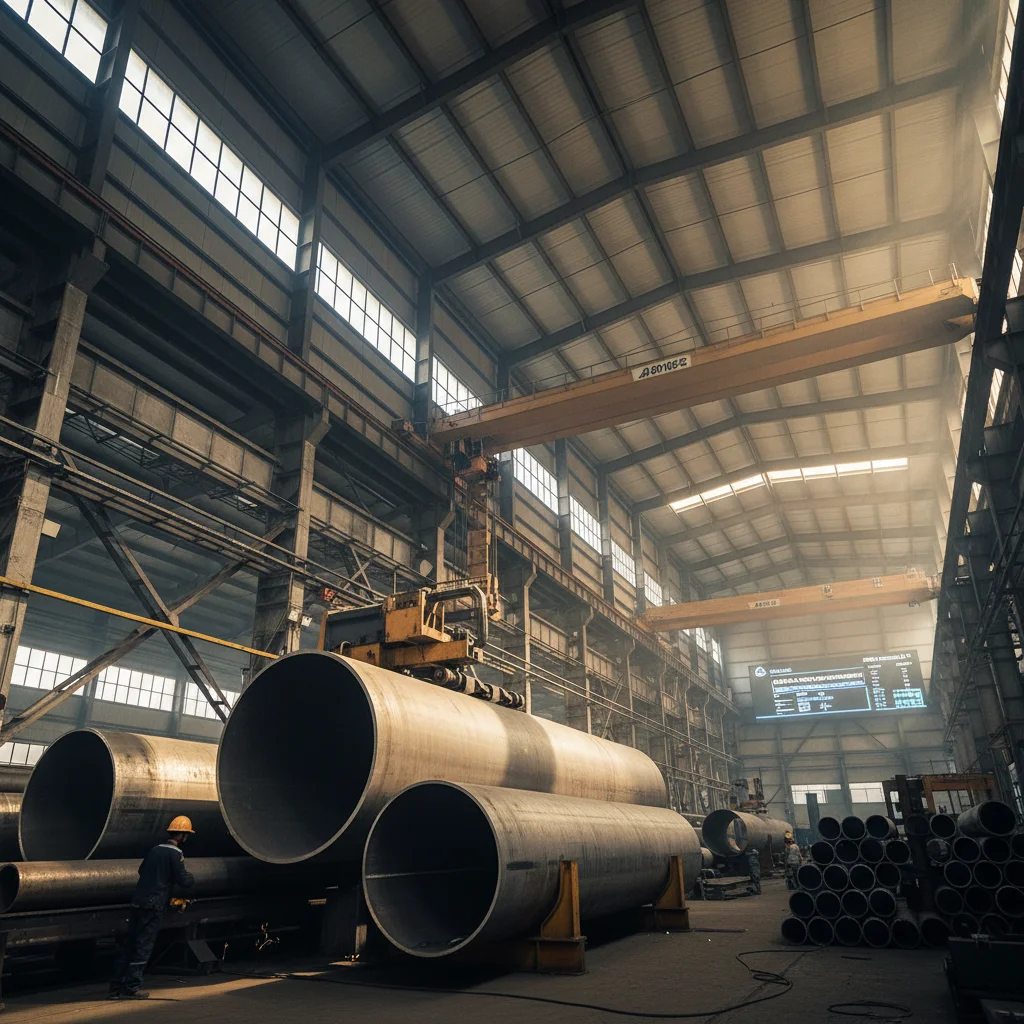
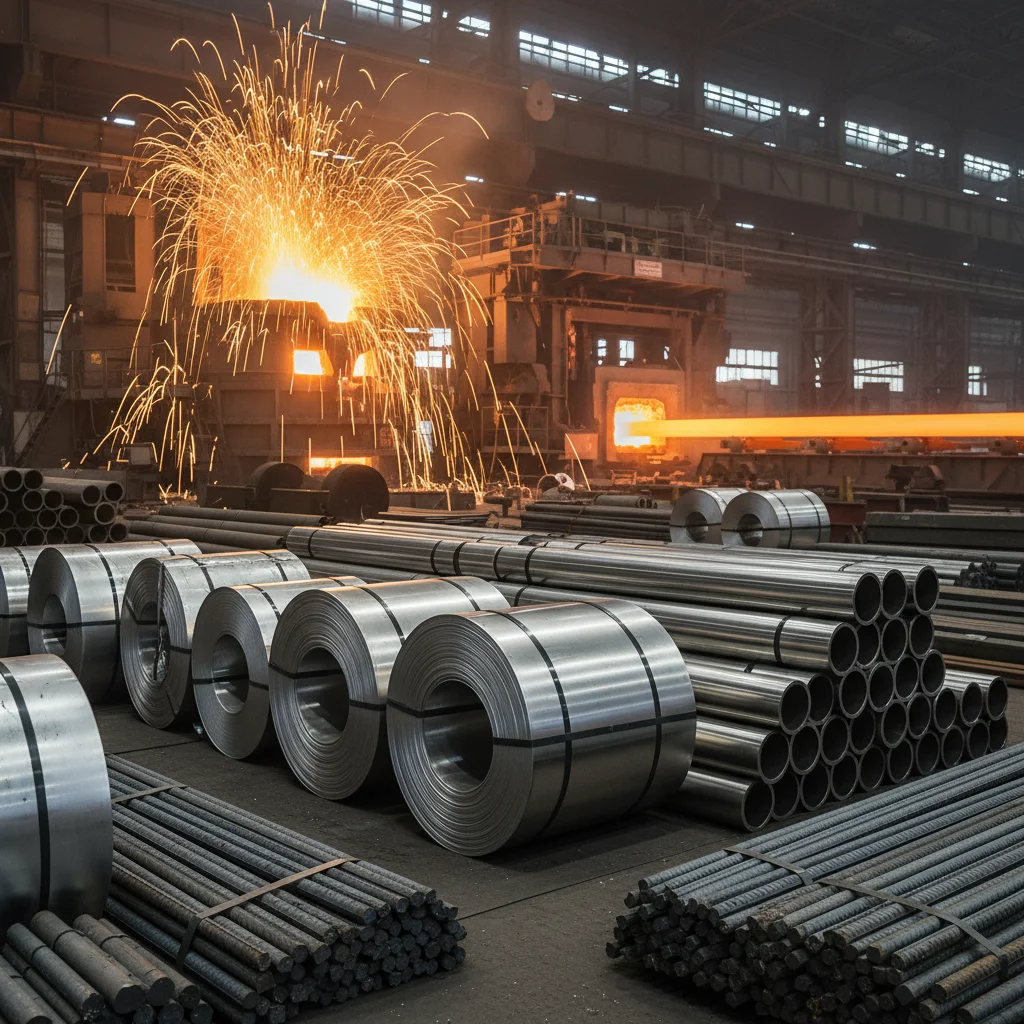
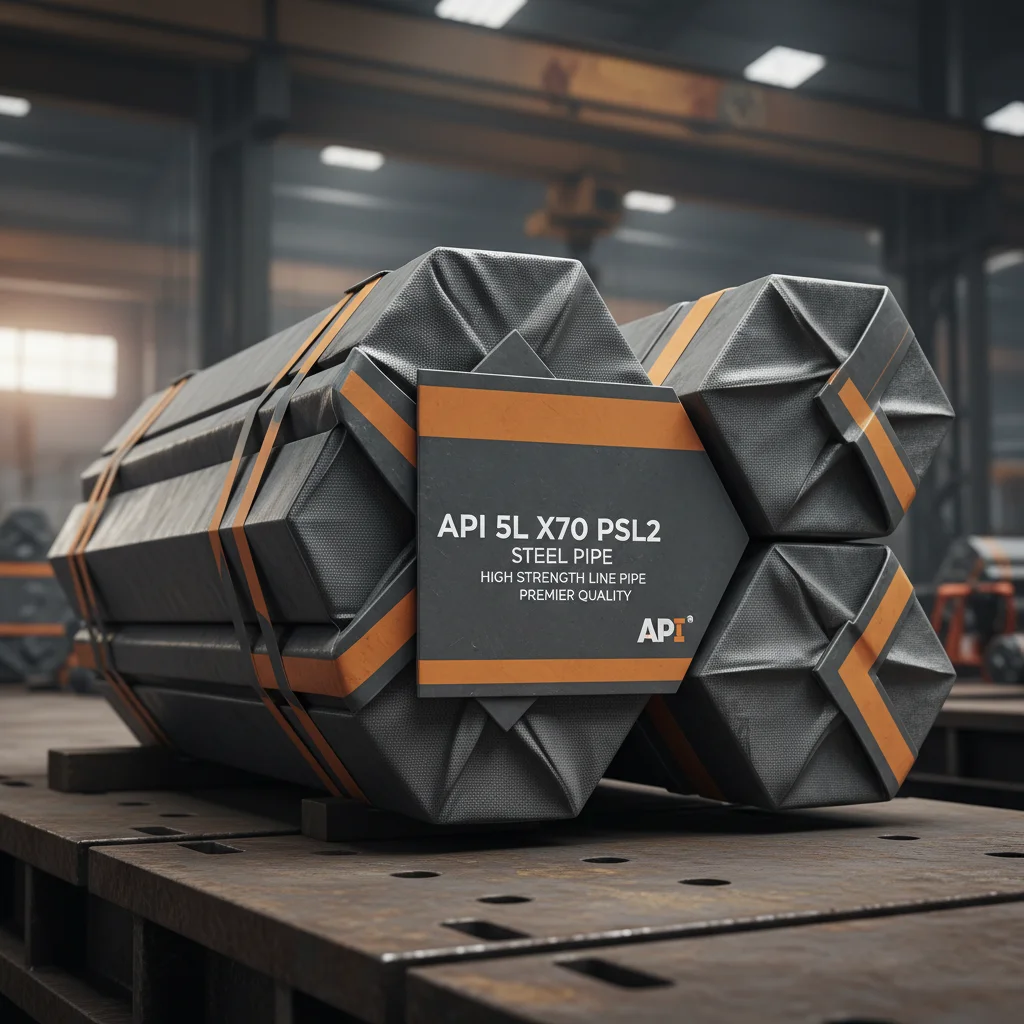
Understanding the diversity of carbon steel pipe grades is essential for ensuring the structural integrity and longevity of industrial piping systems. These grades are defined by their chemical composition and mechanical properties, allowing engineers to select materials that can withstand specific pressures, temperatures, and corrosive environments. From simple water transport to high-pressure steam lines, the choice of material directly impacts the safety and efficiency of the entire operation.
On a global scale, the standardization of carbon steel pipe grades ensures that components manufactured in different parts of the world remain compatible and reliable. With the rise of complex infrastructure projects in emerging economies, the demand for high-performance steel has surged, pushing the industry toward more precise alloying and heat-treatment processes. This consistency is governed by international standards such as ASTM and API, which provide the benchmarks for quality and performance.
For professionals in the oil and gas, chemical, and power generation sectors, mastering the nuances of carbon steel pipe grades is not just a technical requirement but a critical safety measure. By aligning the material's grade with the operational demands of the project, companies can significantly reduce maintenance costs and prevent catastrophic failures in the field.

Global Relevance of Carbon Steel Pipe Grades
The global industrial landscape relies heavily on the standardization of carbon steel pipe grades to facilitate international trade and engineering consistency. According to ISO standards, the ability to specify a precise grade allows for the seamless integration of components across borders, whether it is a pipeline spanning multiple countries or a chemical plant utilizing equipment from various global vendors.
The primary challenge addressed by these grades is the balance between cost and performance. While basic carbon steel is affordable, extreme environments—such as the deep-sea oil rigs or high-temperature power plants—require specialized grades that can resist hydrogen embrittlement or thermal fatigue, ensuring that infrastructure does not fail under pressure.
Defining Carbon Steel Pipe Grades in Modern Industry
In simple terms, carbon steel pipe grades refer to the categorization of steel based on its carbon content and the addition of other alloying elements. These designations tell an engineer exactly how the material will behave under stress, its weldability, and its susceptibility to corrosion. By categorizing these materials, the industry can move away from guesswork toward a data-driven approach to procurement and design.
This classification system is inextricably linked to modern humanitarian and industrial needs. For example, the rapid deployment of clean water infrastructure in developing regions requires carbon steel grades that offer a balance of strength and ease of installation. Similarly, the transition to cleaner energy sources involves the transport of different gases, each requiring a specific grade of steel to ensure leak-proof containment.
Ultimately, the definition of these grades serves as a universal language for quality control. When a project specifies a particular grade, it is setting a minimum threshold for yield strength and elongation, which provides a safety guarantee for the workers and the environment surrounding the industrial installation.
Core Components of Steel Grade Selection
The selection process for carbon steel pipe grades begins with an analysis of the operating environment. Durability is a primary concern, especially when the pipes are exposed to fluctuating temperatures or abrasive fluids. Engineers must evaluate whether the material can maintain its mechanical properties over a twenty-year lifespan without significant degradation.
Cost efficiency is another critical component. While high-alloy steels offer superior performance, they are significantly more expensive. By choosing the most appropriate carbon steel pipe grades for non-critical sections of a plant, companies can optimize their budgets without compromising the safety of the high-pressure zones.
Finally, weldability and scalability are essential for large-scale construction. Certain carbon steel pipe grades are easier to weld in the field, which reduces labor time and the risk of joint failure. This scalability allows for the rapid expansion of industrial zones, from petrochemical refineries to massive urban heating networks.
Key Performance Factors of Pipe Materials
Evaluating the performance of pipe materials requires a deep dive into their mechanical limits. The relationship between carbon content and hardness is pivotal; as carbon increases, the steel becomes harder and stronger but less ductile. This trade-off is why different carbon steel pipe grades are specified for different roles, such as structural support versus fluid transport.
To better understand these variations, we look at how different processing methods affect the overall rating of the material in terms of industrial utility and reliability.
Performance Analysis of Carbon Steel Pipe Grades
Global Applications and Industrial Use Cases
In the real world, the application of carbon steel pipe grades is vast. In the oil and gas sector, specifically in remote industrial zones like the Permian Basin or the North Sea, high-strength grades are used to transport crude oil under immense pressure. These materials must resist internal corrosion from sulfur and CO2 while withstanding the external pressure of deep-sea environments.
Beyond energy, these materials are vital in urban infrastructure. For instance, in large-scale municipal water projects in Southeast Asia, medium-grade carbon steel is preferred for its ability to be easily welded and coated, providing a cost-effective way to deliver clean water to millions of people in rapidly growing cities.
Long-Term Value and Reliability Advantages
The long-term value of investing in the correct carbon steel pipe grades extends beyond the initial installation. By selecting a grade with the appropriate corrosion allowance and mechanical strength, operators can extend the mean time between failures (MTBF), reducing the need for expensive emergency shutdowns and repairs.
From a logical standpoint, the reliability of a piping system is a direct reflection of the material's purity and the precision of its grade. Using certified materials ensures that there are no hidden inclusions or weaknesses that could lead to stress-corrosion cracking, which is often a silent killer in high-pressure chemical plants.
Emotionally, the use of high-standard grades provides peace of mind to plant managers and the surrounding communities. Knowing that the infrastructure is built to exceed safety requirements fosters trust and ensures that industrial progress does not come at the cost of human safety or environmental health.
Future Trends in Carbon Steel Metallurgy
The future of carbon steel pipe grades is being shaped by the drive toward sustainability and the "Green Steel" movement. Innovations in hydrogen-based reduction of iron ore are reducing the carbon footprint of steel production, meaning the grades of the future will not only be high-performing but also eco-friendly.
Digital transformation is also playing a role, with "Smart Pipes" incorporating sensors that can monitor the health of the steel in real-time. This allows for predictive maintenance, where the specific fatigue characteristics of a carbon steel grade are used to predict exactly when a section of pipe needs replacement before a leak occurs.
Furthermore, the industry is seeing a shift toward more advanced heat-treatment cycles and nano-alloying. These processes allow for the creation of carbon steel pipe grades that possess the strength of alloy steel but retain the cost-effectiveness and weldability of standard carbon steel, pushing the boundaries of what is possible in heavy industry.
Analysis of Industrial Suitability for Various Carbon Steel Pipe Grades
| Grade Category |
Pressure Resistance |
Corrosion Resistance |
Cost-Benefit Ratio |
| Standard Mild Steel |
Low (3/10) |
Low (2/10) |
Excellent (10/10) |
| Normalized Grade |
Medium (5/10) |
Medium (4/10) |
High (8/10) |
| API 5L Grade X42 |
High (7/10) |
Medium (5/10) |
Good (7/10) |
| API 5L Grade X65 |
Very High (9/10) |
Medium (6/10) |
Fair (6/10) |
| Low-Temp Carbon Steel |
Medium (6/10) |
High (7/10) |
Moderate (5/10) |
| High-Strength Quenched |
Extreme (10/10) |
Medium (5/10) |
Low (4/10) |
FAQS
Choosing the right grade depends on the specific internal pressure, temperature, and the fluid being transported. For high-pressure systems, you should look at API 5L X-series grades, which offer higher yield strength. It is critical to consult a material engineer to perform a wall thickness calculation and ensure the grade's tensile strength can handle the operational surges without permanent deformation.
Most carbon steel grades are weldable, but the ease of welding decreases as the carbon content increases. High-carbon grades may require pre-heating and post-weld heat treatment (PWHT) to prevent the formation of martensite in the heat-affected zone, which can lead to cracking. Always check the carbon equivalent (CE) value to determine the welding procedure required.
ASTM standards typically focus on general-purpose industrial piping, emphasizing chemical composition and basic mechanical properties. API (American Petroleum Institute) standards are specifically tailored for the oil and gas industry, with a heavier focus on toughness, hydrostatic testing, and performance in harsh field environments. Depending on the application, one may be more appropriate than the other.
Carbon steel is naturally susceptible to corrosion. However, specific grades can be used if they are paired with internal linings, external coatings, or cathodic protection. For slightly corrosive environments, choosing a grade with controlled impurities or applying a galvanizing process can significantly extend the life of the pipe.
At very high temperatures, carbon steel can suffer from creep and oxidation. Conversely, at very low temperatures, many grades undergo a ductile-to-brittle transition, making them prone to sudden fractures. For cryogenic or arctic applications, specific "low-temperature" carbon steel grades are used, which are treated to maintain impact toughness at sub-zero temperatures.
The most reliable way to verify the grade is through a Mill Test Report (MTR), which provides the actual chemical analysis and mechanical test results for that specific heat of steel. Additionally, you can use Positive Material Identification (PMI) tools, such as XRF analyzers, to confirm the elemental composition on-site.
Conclusion
The strategic selection of carbon steel pipe grades is a cornerstone of modern industrial engineering, bridging the gap between theoretical design and operational reality. By understanding the relationship between chemical composition, mechanical strength, and environmental resistance, industries can build infrastructure that is not only cost-effective but fundamentally safe. From the rigorous standards of API and ASTM to the emerging trends in green metallurgy, the evolution of these materials continues to drive global efficiency.
As we move toward a future defined by sustainable energy and smart infrastructure, the importance of precise material specification will only grow. We recommend that engineers and procurement specialists always prioritize certified traceability and expert consultation when selecting their piping materials. To explore high-quality metal solutions tailored to your industrial needs, visit our website: www.benkoometal.com.